
2020 Commercial Trucks For Sale in North Carolina
Browse 2020 trucks for sale in North Carolina, including day cabs, service trucks, and vocational models with modern drivetrains and fleet specs.
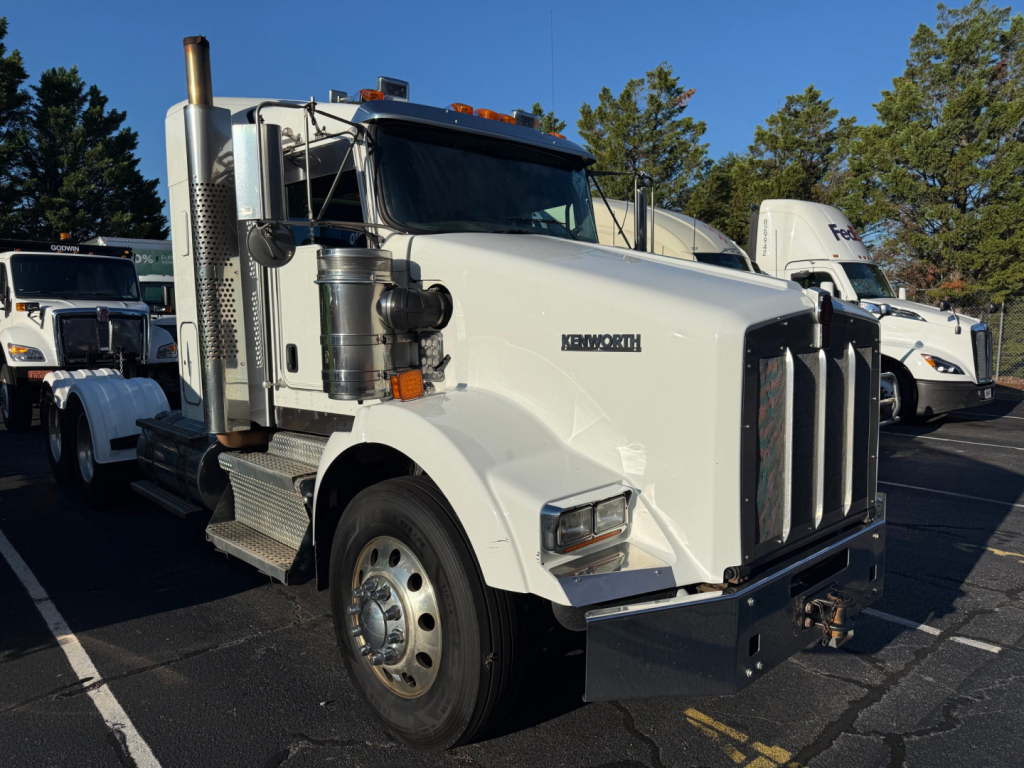
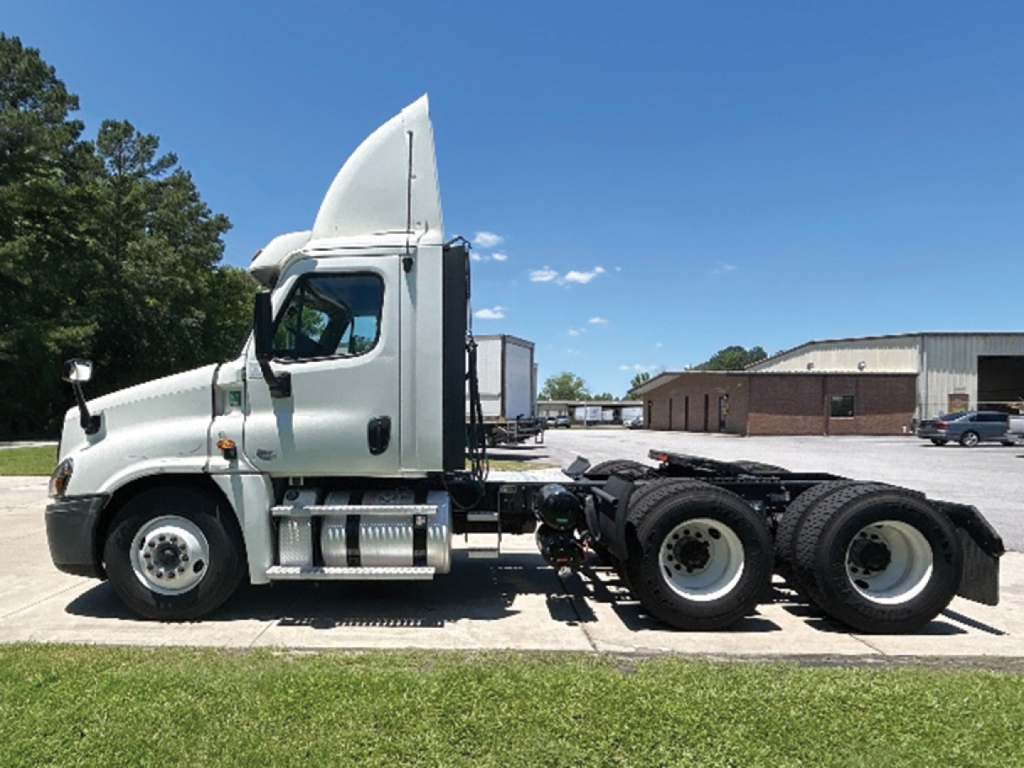
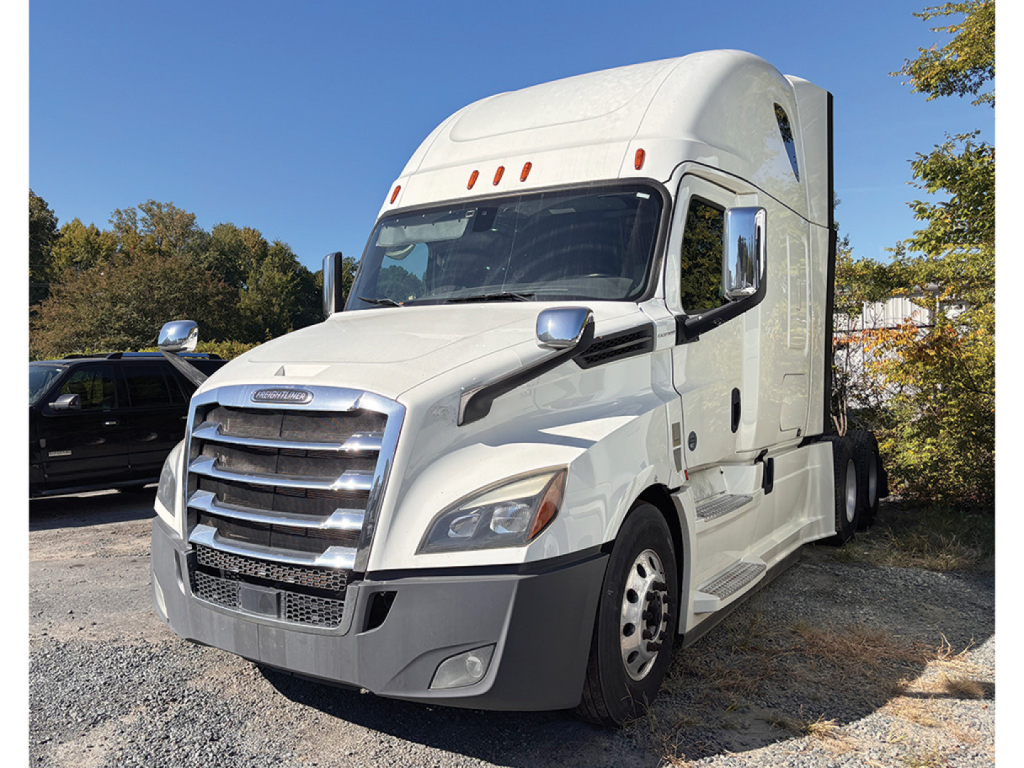
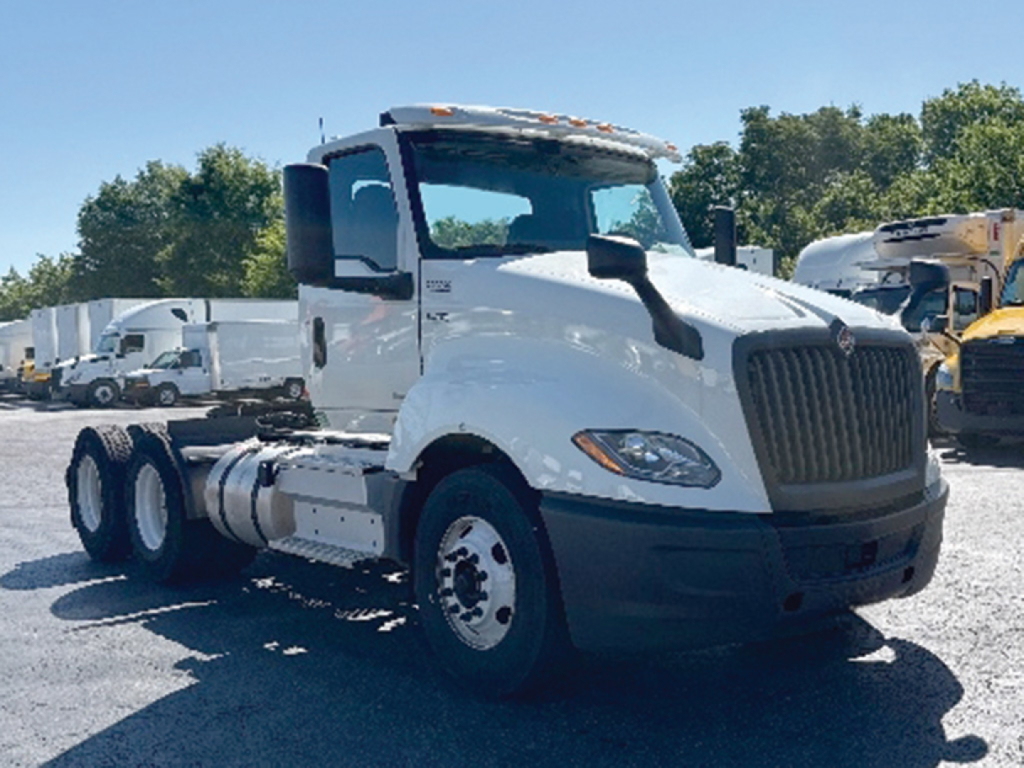
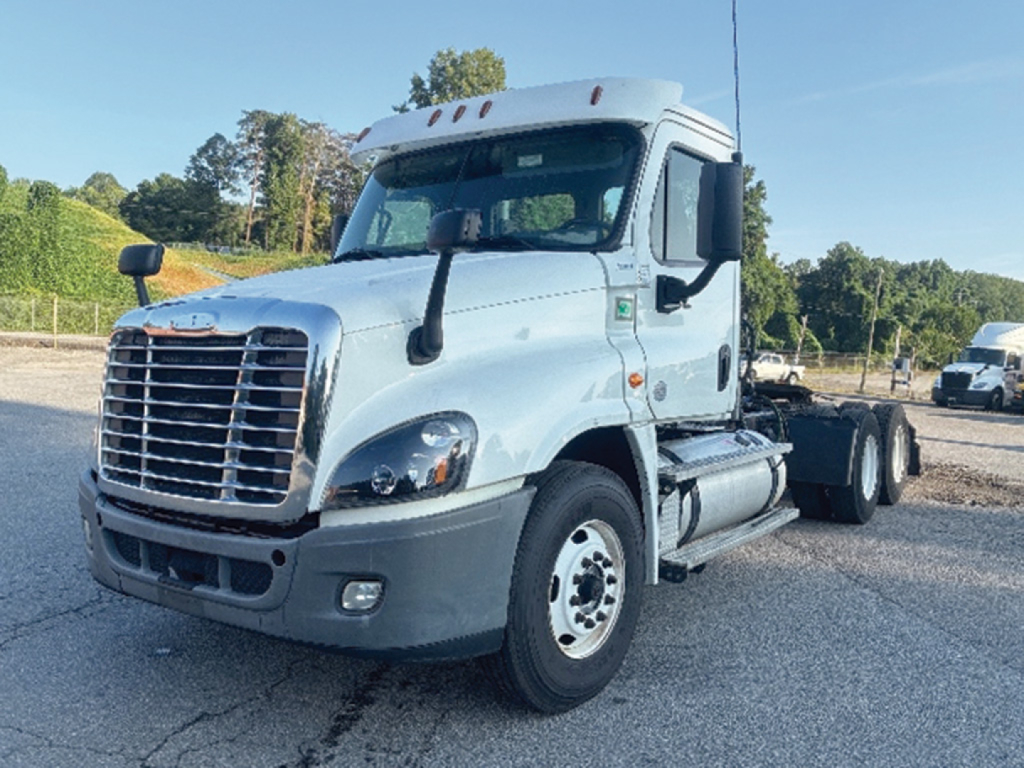
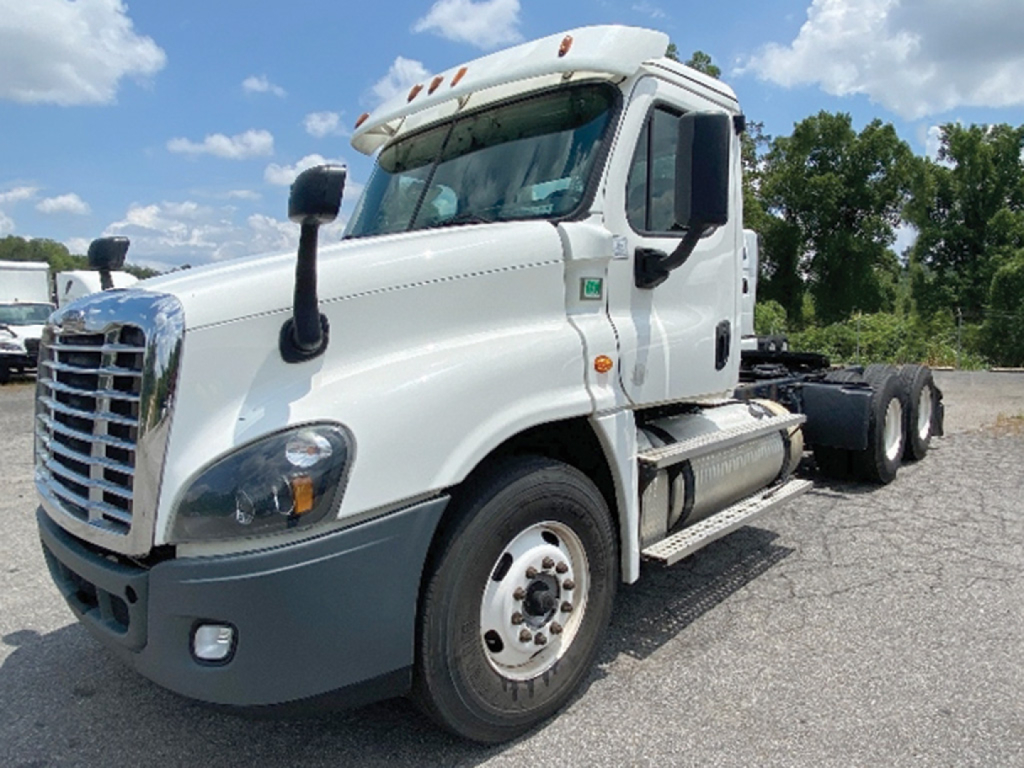
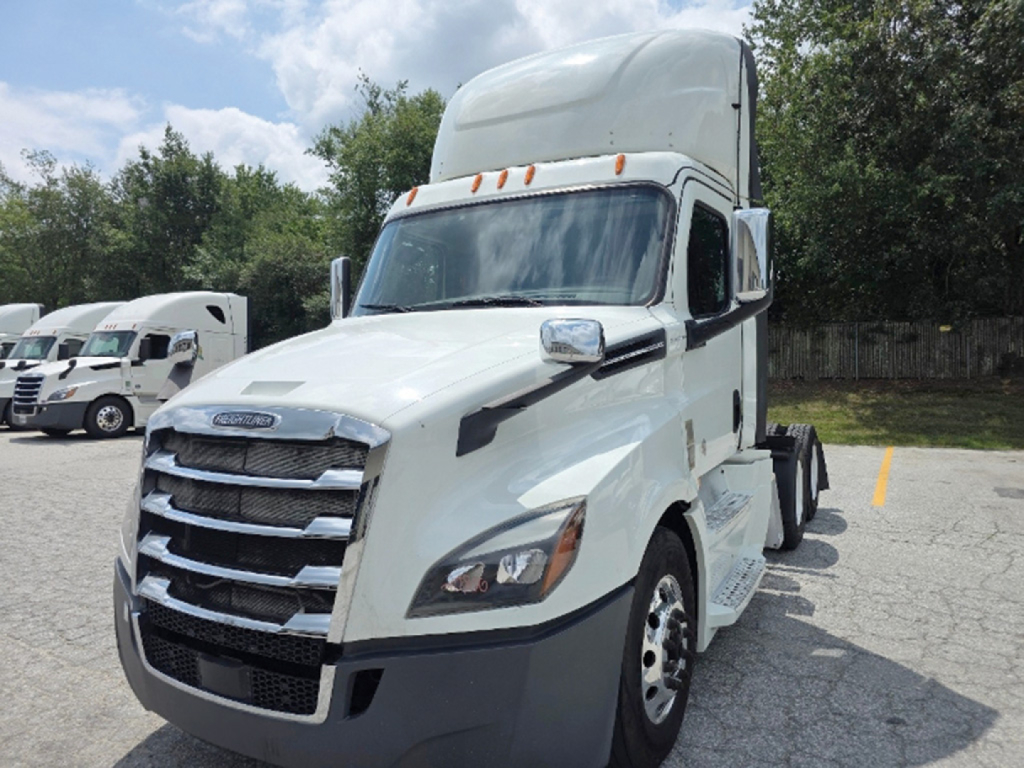
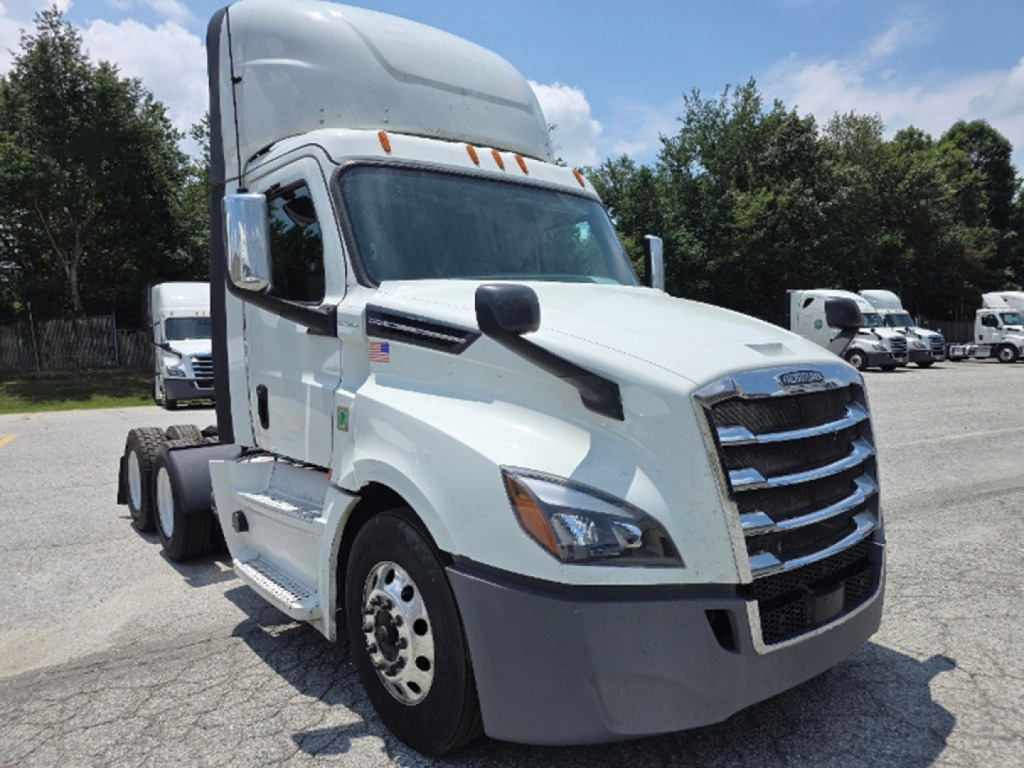

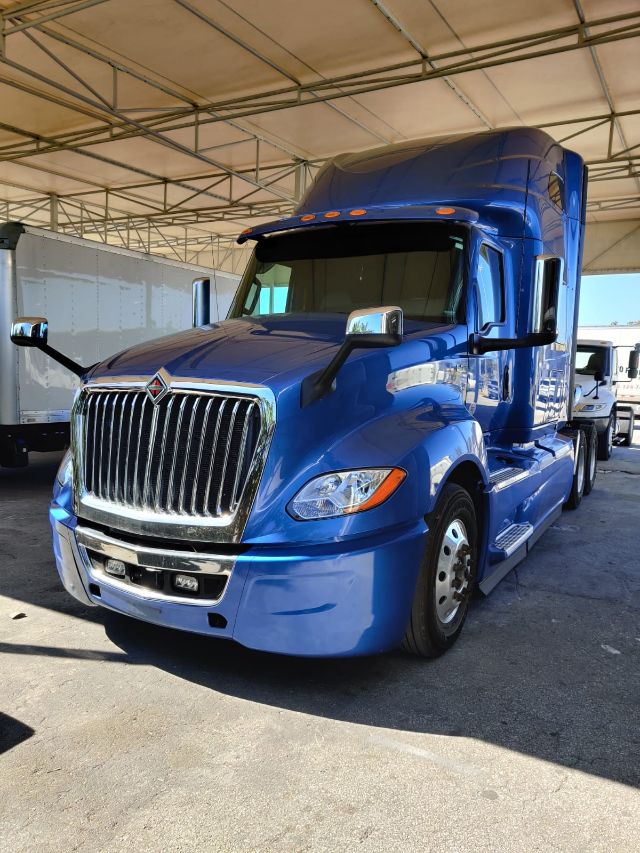
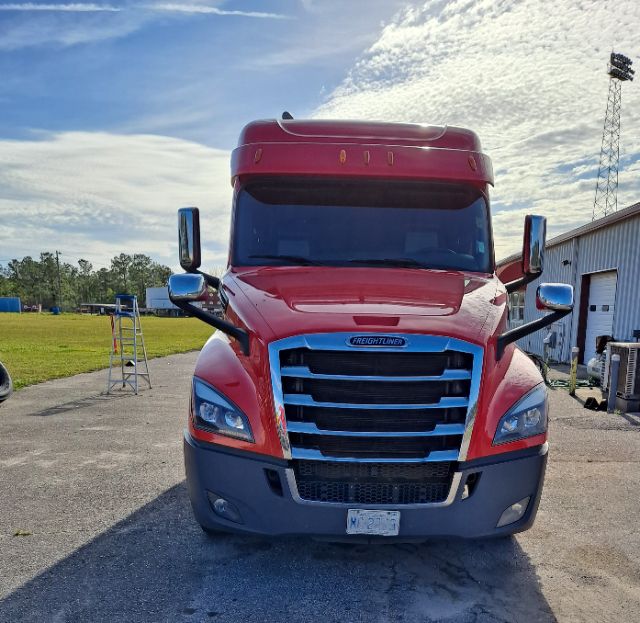

Selling a 2020 commercial truck? List your 2020 commercial truck for sale and reach thousands of commercial buyers.
2020 Commercial Trucks in North Carolina
For highway and regional use, 2020 day cab and sleeper-based truck platforms often feature automated manual transmissions, engine brakes, air ride suspension, and 40,000 lb rears on tandem axle setups. Common engines in this year range include the Detroit DD15, Volvo D13, Cummins X15, and medium-duty Cummins B6.7 or L9 depending on class. Horsepower can run from around 240 hp on medium-duty utility applications to 500 hp plus on Class 8 road tractors. Pay close attention to rear axle ratio, tire size, and wheelbase because those three specs heavily affect startability, fuel economy, turning radius, and trailer compatibility. A regional day cab with a 2.79 or 3.08 ratio will behave very differently than a vocational truck spec’d for stop-and-go or heavy PTO work.
For service, utility, and municipal applications, 2020 trucks often bring practical updates in cab ergonomics, electronics, and brake systems while still being familiar to most fleet shops. Buyers should inspect body integration as closely as the chassis. On utility and mechanic-style trucks, items like compartment layout, reel carriers, inverter or generator prep, fuel transfer systems, crane reinforcement, and PTO plumbing matter as much as engine and transmission. On refuse, dump, or other vocational trucks, check frame condition, suspension type, front axle capacity, body mount integrity, and evidence of corrosion from jobsite or coastal use. In North Carolina, regional humidity and mixed on-road or off-road use make underbody inspection important, especially around crossmembers, spring hangers, wiring, and air system components.
A 2020 truck can be a smart fit for buyers who want modern spec flexibility and broad parts support across major OEMs. The best comparison points are engine hours versus mileage, maintenance history, idle time, aftertreatment service records, brake type, and any remaining telematics or software support. If the truck will pull a trailer, verify fifth wheel type, kingpin setting range, frame length, and wet kit or PTO needs. If it is a straight truck, focus on body length, CA dimension, liftgate or work-body requirements, and GVWR. Buyers who line up the truck’s exact duty cycle with the chassis spec usually get better uptime, lower operating cost, and fewer surprises after purchase.
Frequently Asked Questions about 2020 Commercial Trucks in North Carolina
What should I look for first when buying a 2020 truck?
Start with the intended job, not the badge on the hood. A 2020 truck should be matched by GVWR or GCWR, axle ratings, wheelbase, suspension, transmission type, and PTO or body needs before comparing cosmetic condition. For road tractors, look closely at engine model, horsepower, rear axle ratio, fifth wheel setup, and maintenance records. For service or vocational trucks, body configuration, front axle capacity, frame condition, and hydraulic or PTO readiness are often the deciding factors.
Are 2020 trucks a good balance between price and modern technology?
Yes. Many 2020 trucks offer a strong middle ground between older pre-tech equipment and higher-priced late-model units. This year range commonly includes automated manual transmissions, improved aerodynamics, updated braking systems, better driver interface controls, and mature engine platforms with established parts support. Buyers can often get modern fleet features without paying the premium attached to newer model years.
What engines and drivetrains are common in 2020 trucks?
Common Class 8 engines in 2020 trucks include the Detroit DD15, Volvo D13, Cummins X15, and PACCAR MX series, while medium-duty trucks often use Cummins B6.7 or L9 platforms. Automated manual transmissions such as the DT12, Volvo I-Shift, and Eaton Endurant are common in highway and regional applications, while vocational and medium-duty trucks may still use manual or Allison automatic setups. The right drivetrain depends on route profile, payload, PTO requirements, and driver familiarity.
How important is rear axle ratio on a 2020 truck?
Rear axle ratio has a major impact on performance and operating cost. A faster ratio like 2.79 generally favors fuel-efficient highway operation, while a numerically higher ratio is better suited for heavier loads, frequent starts, steep grades, or vocational work. Buyers in North Carolina should consider terrain, average trailer weight, and whether the truck will stay on interstate lanes or spend more time on secondary roads, job sites, or urban routes.
What inspections matter most on a used 2020 truck in North Carolina?
The most important inspections include engine diagnostic history, aftertreatment condition, brake and tire wear, suspension components, driveline condition, and evidence of frame or underbody corrosion. In North Carolina, moisture exposure, coastal air in some regions, and mixed vocational use make it important to inspect wiring, airlines, crossmembers, body mounts, and any PTO or hydraulic equipment. Service records, idle hours, and fault-code history often tell more than odometer mileage alone.