
2020 Commercial Trucks For Sale in Nevada
Shop 2020 trucks for sale in Nevada. Compare sleeper, day cab, and straight truck specs, powertrains, wheelbases, and vocational setups.
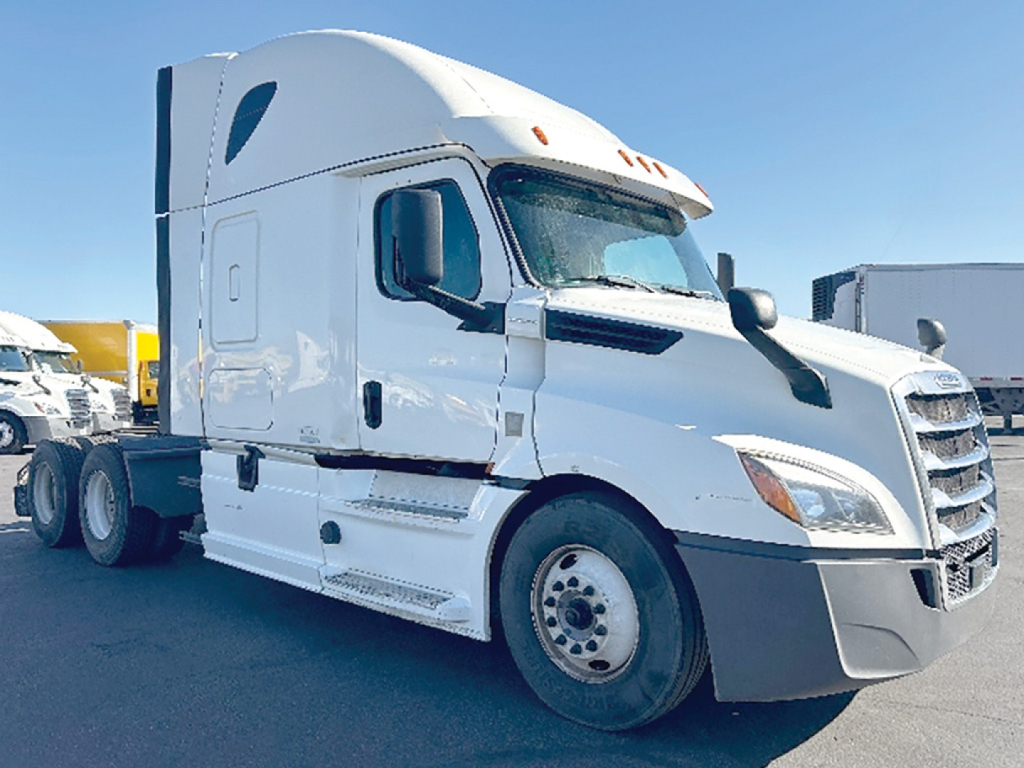
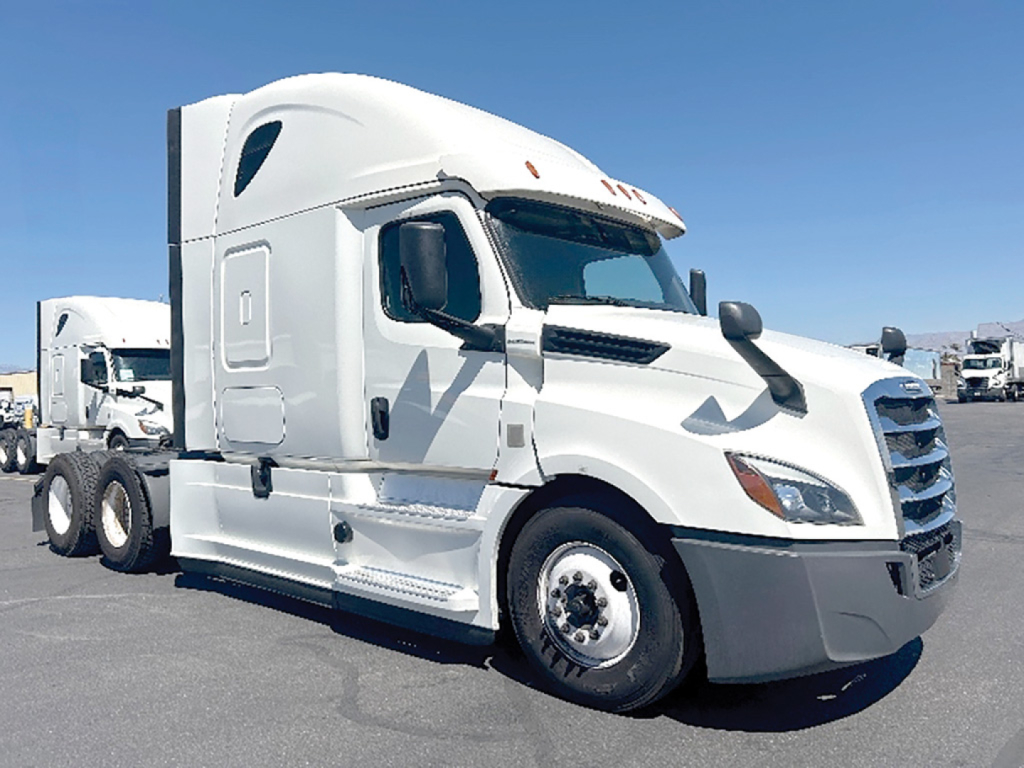
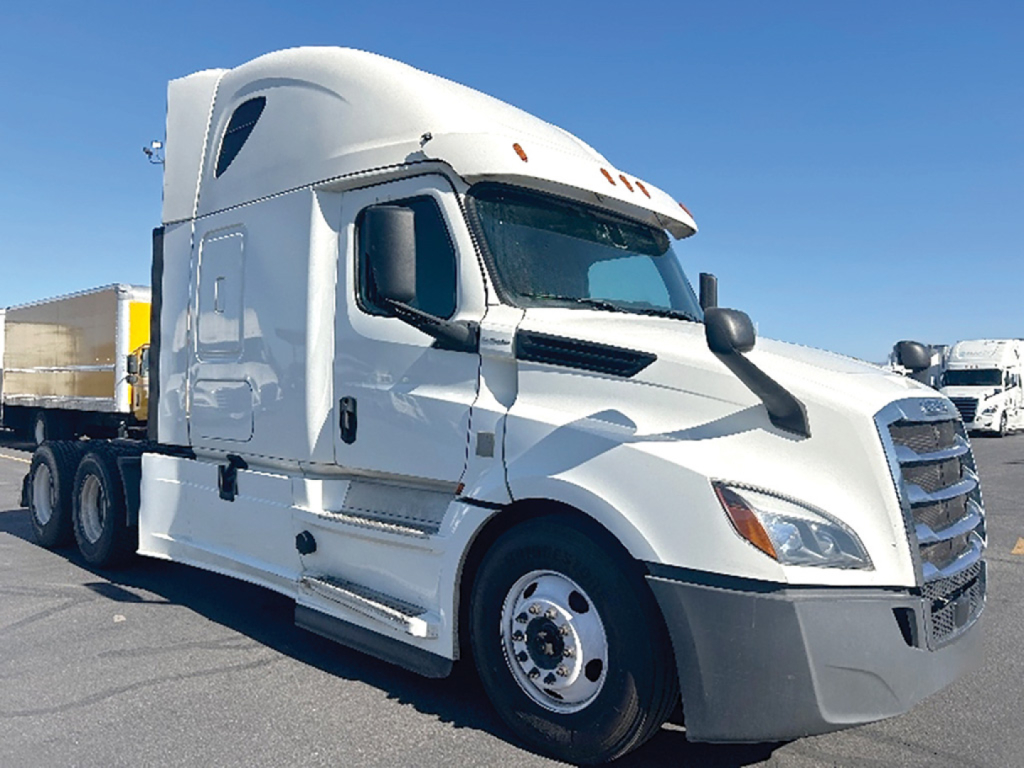
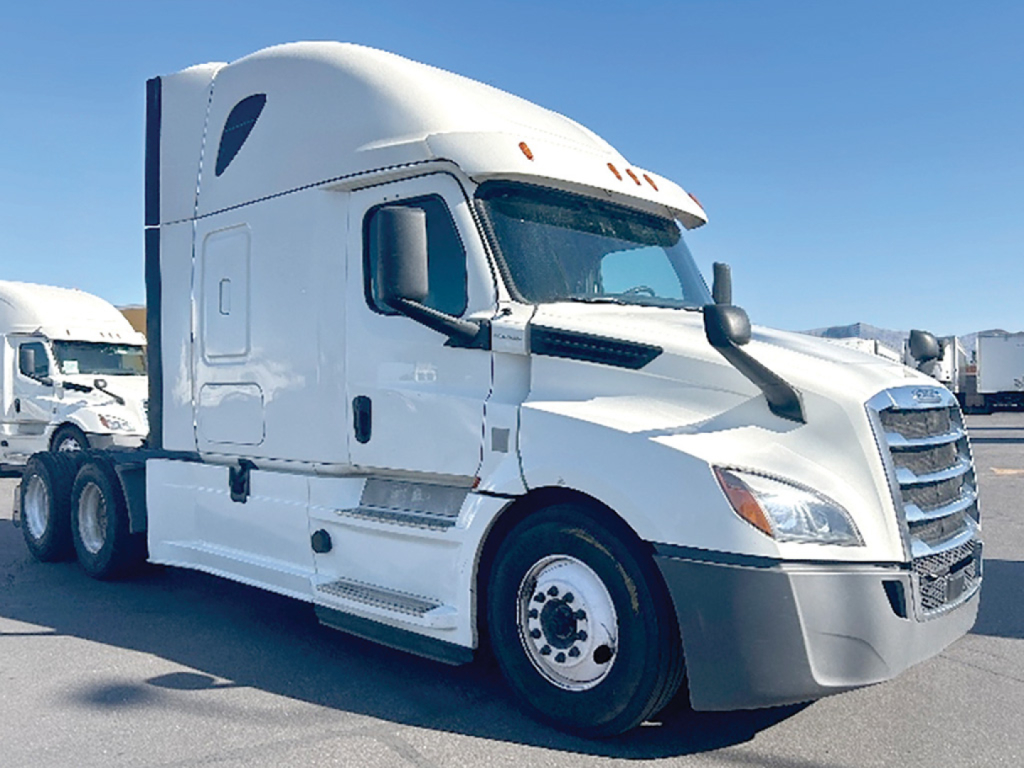
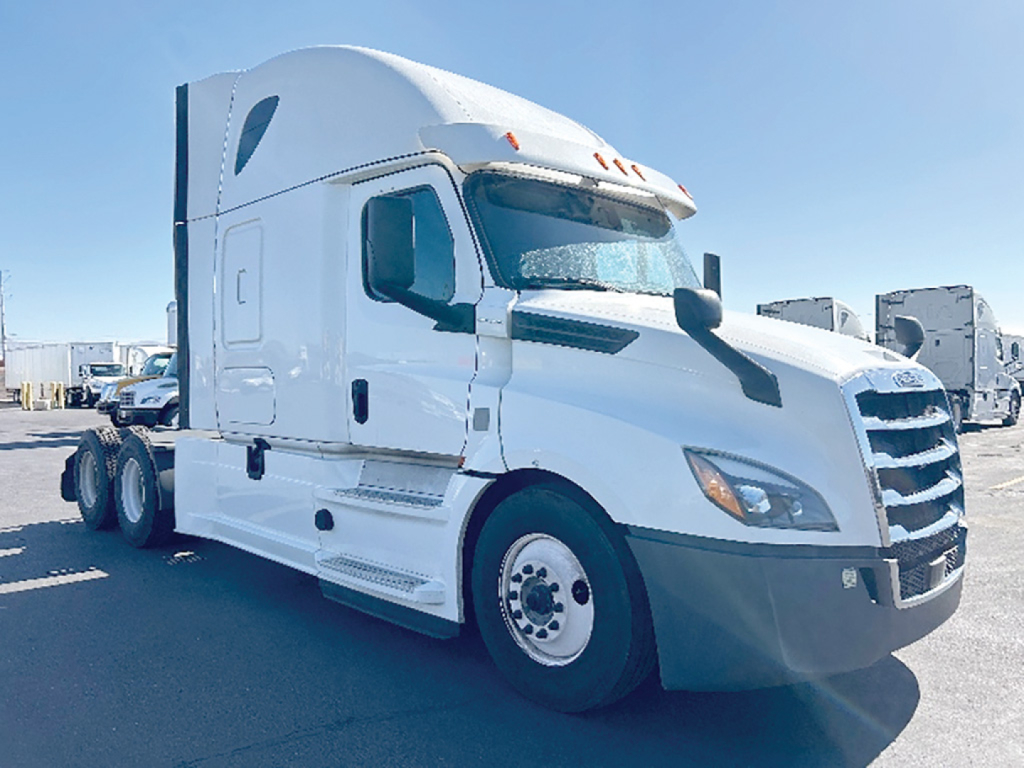
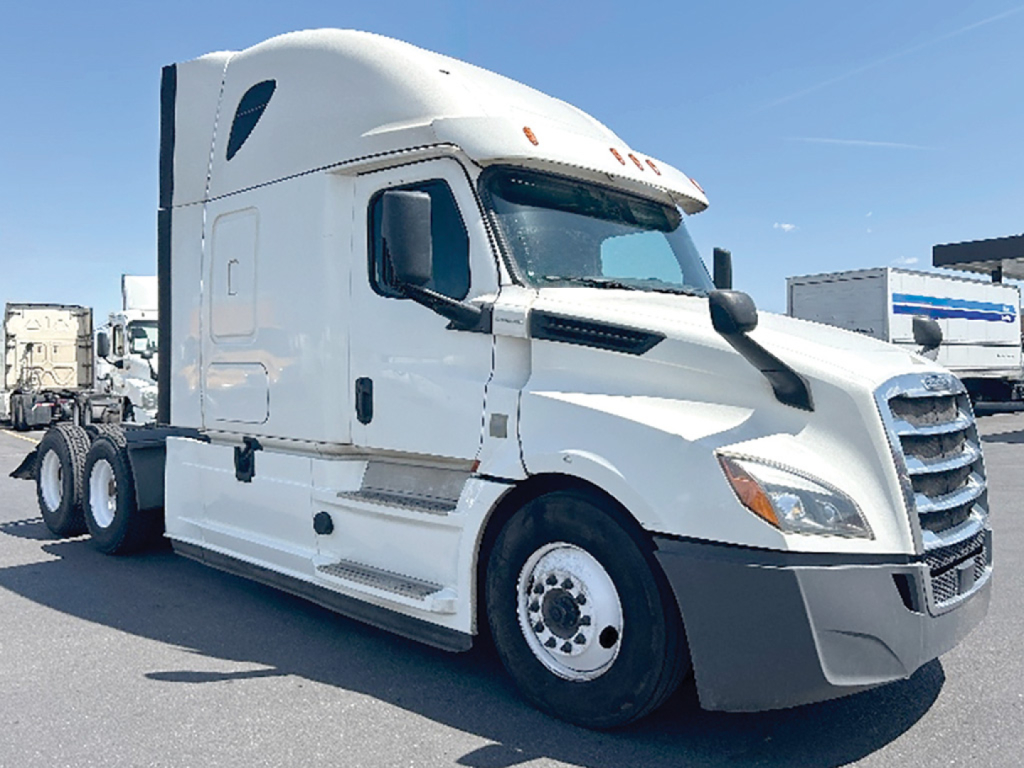
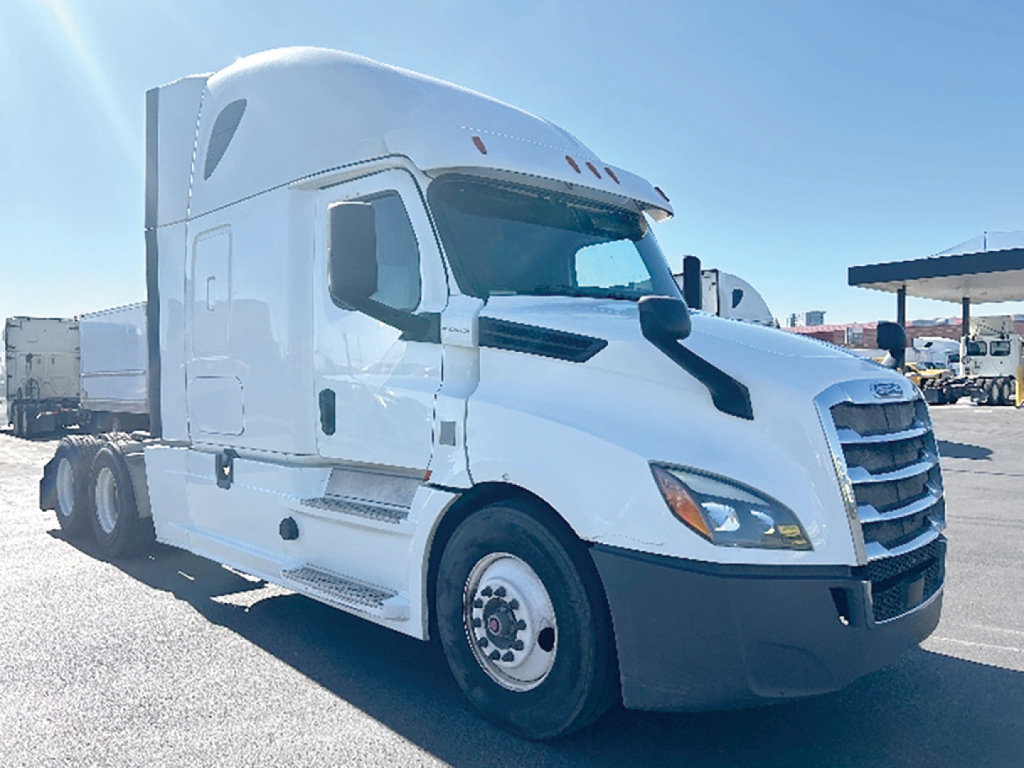
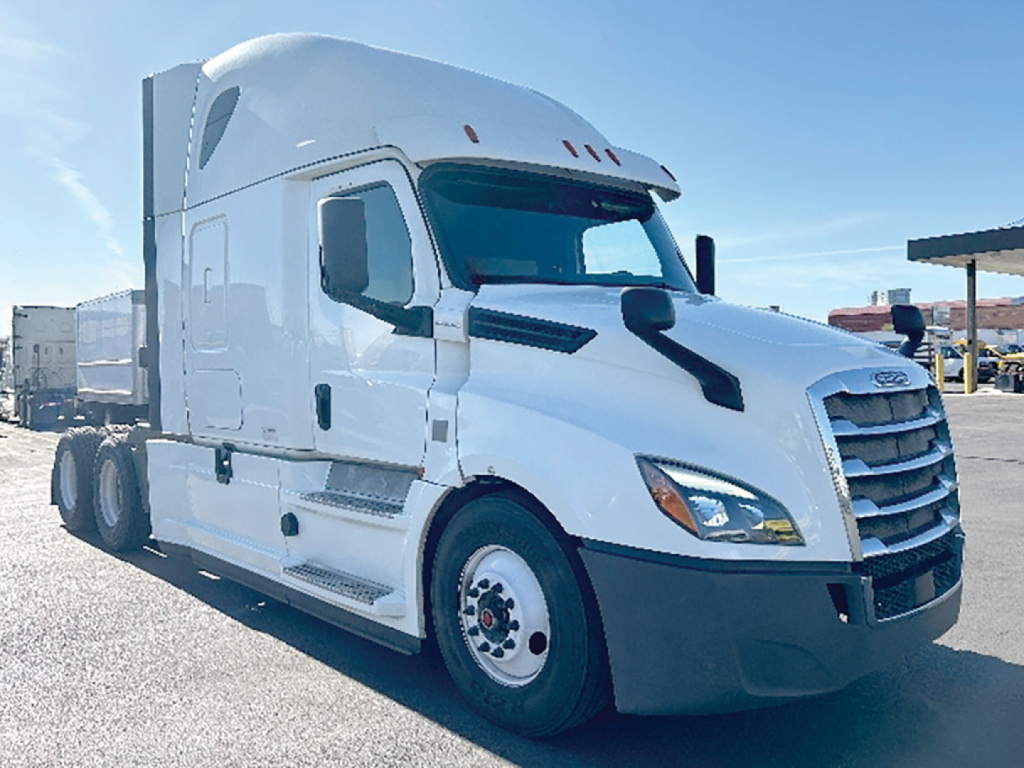

Selling a 2020 commercial truck? List your 2020 commercial truck for sale and reach thousands of commercial buyers.
2020 Commercial Trucks in Nevada
For highway tractors, the key specs usually come down to engine rating, transmission type, axle ratio, wheelbase, and sleeper configuration. A typical 2020 sleeper or day cab may be equipped with engines such as a Cummins X15, Detroit DD13, or Detroit DD15, often in the 350 to 500 horsepower range depending on the intended duty cycle. Automated manual transmissions are common in this year range, although some vocational and regional units still carry manuals or full automatics. Buyers hauling heavier freight or running mountain grades should pay close attention to rear axle ratio, engine brake performance, and gross axle ratings. For general dry van and reefer work, a fuel-efficient ratio paired with an aero package, air slide fifth wheel, and 22.5 low-pro tires is often the more practical combination.
If the truck is a straight truck, body specification matters as much as the chassis. Common 2020 setups include box trucks with 24-foot to 26-foot van bodies, roll-up rear doors, liftgates, wood floors, translucent roofs, E-track, and scuff liners or scuff plate protection. On these units, wheelbase, rear axle rating, and transmission choice directly affect payload, turning radius, and stop-and-go drivability. An Allison automatic, for example, is a common fit for urban delivery because it is easy to operate and well suited to frequent starts, dock work, and tight route work. In Nevada heat, buyers also tend to look closely at cooling system condition, A/C performance, tire condition, and whether the truck has been spec'd with the fuel capacity and suspension needed for its route length and cargo profile.
A 2020 truck is also old enough that maintenance history should carry real weight in the buying decision. Service records, aftertreatment repairs, clutch or transmission history, suspension wear, brake condition, and any signs of hard vocational use can tell more than the badge on the hood. Buyers comparing 2020 trucks for sale in Nevada should match the truck's original spec to the actual job instead of shopping by year alone. A properly spec'd day cab, sleeper, or straight truck from this model year can still be a strong business asset if the engine, drivetrain, and chassis components line up with the freight, terrain, and annual mileage.
Frequently Asked Questions about 2020 Commercial Trucks in Nevada
What should I look for first when buying a 2020 truck?
Start with the intended application, then verify the truck was spec'd for that job. The most important details are cab type, engine horsepower and torque, transmission, rear axle ratio, wheelbase, suspension, and axle ratings. For a highway tractor, fuel economy and gearing may be the priority. For a straight truck or vocational chassis, body configuration, payload capacity, and maneuverability usually matter more. After that, review maintenance records and inspect emissions components, brakes, tires, and suspension wear.
Are 2020 trucks a good balance between price and technology?
Yes, for many buyers a 2020 truck is a practical middle ground. This model year is modern enough to include updated powertrains, common automated transmissions, and more widespread safety features, but it is typically more affordable than newer replacement units. That makes it attractive for fleets adding capacity and owner-operators trying to control capital cost. The value depends on condition and spec, so a well-maintained 2020 truck can make more sense than a newer truck with the wrong configuration.
What engine and transmission combinations are common in 2020 trucks?
Common 2020 truck powertrains include engines like the Cummins X15, Detroit DD13, and Detroit DD15, paired with automated manual transmissions, manual gearboxes, or automatics depending on the job. Sleeper tractors often use higher horsepower ratings and over-the-road gearing for long-haul efficiency. Day cabs and straight trucks may use lower horsepower settings, different rear axle ratios, and transmissions chosen for stop-and-go work or heavier vocational service. The right combination depends on terrain, trailer weight, and route length.
How important is axle ratio on a 2020 truck?
Axle ratio has a direct effect on startability, grade performance, cruising rpm, and fuel economy. A numerically lower ratio generally favors highway speed and fuel efficiency, while a numerically higher ratio improves low-speed pulling power and works better for heavy loads, city work, or mountain terrain. In a state like Nevada, where trucks may see steep grades and long freeway miles in the same week, the axle ratio should match the actual operating pattern rather than just the engine rating.
What matters most on a 2020 straight truck with a van body?
On a 2020 straight truck, buyers should focus on body length, rear axle capacity, wheelbase, door type, liftgate capacity, and cargo control features like E-track and scuff liners. The drivetrain still matters, but body spec determines how well the truck handles delivery routes, dock access, and freight protection. A 24-foot to 26-foot van body with a roll-up door and liftgate is common for pickup-and-delivery work. For these trucks, transmission type, turning radius, and suspension setup can have a major effect on route efficiency and driver fatigue.