
Used Trailers For Sale in Colorado
Shop used trailers for sale in Colorado, including flatbeds, drop decks, and dump trailers with specs that fit regional hauling needs.
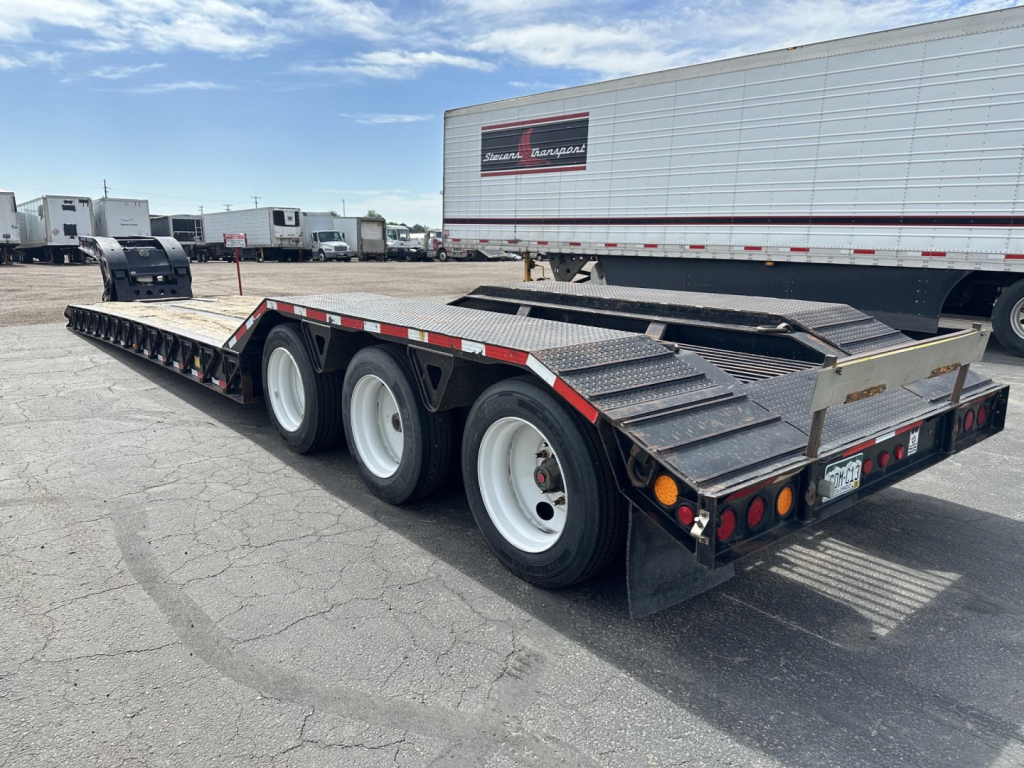
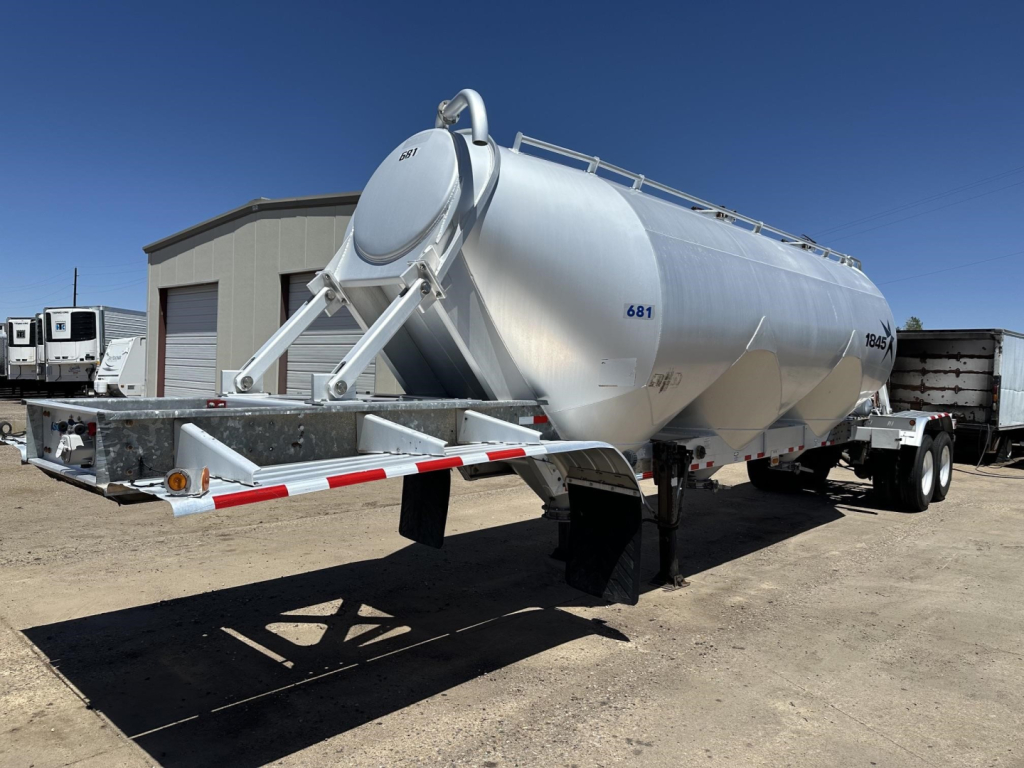
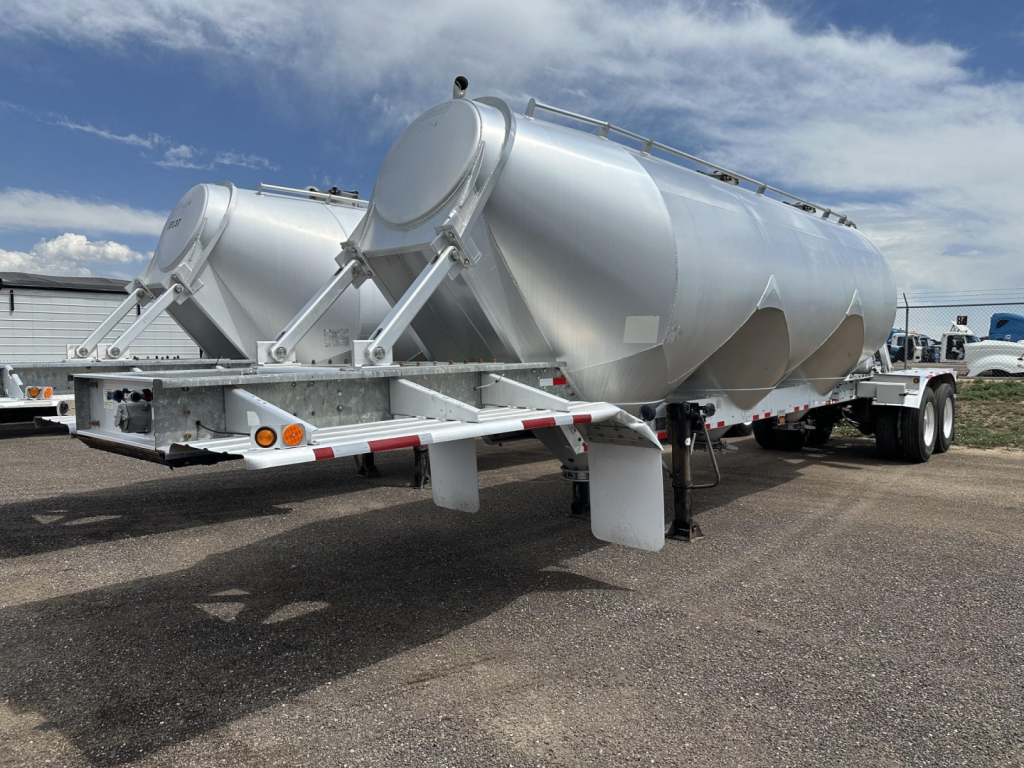
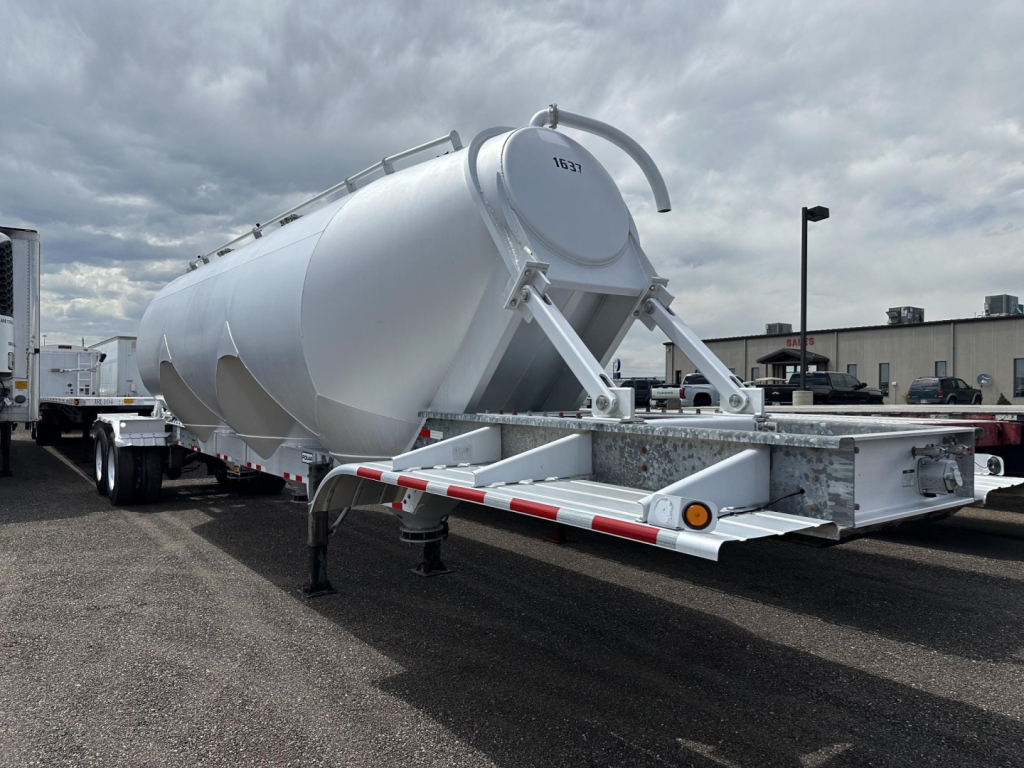
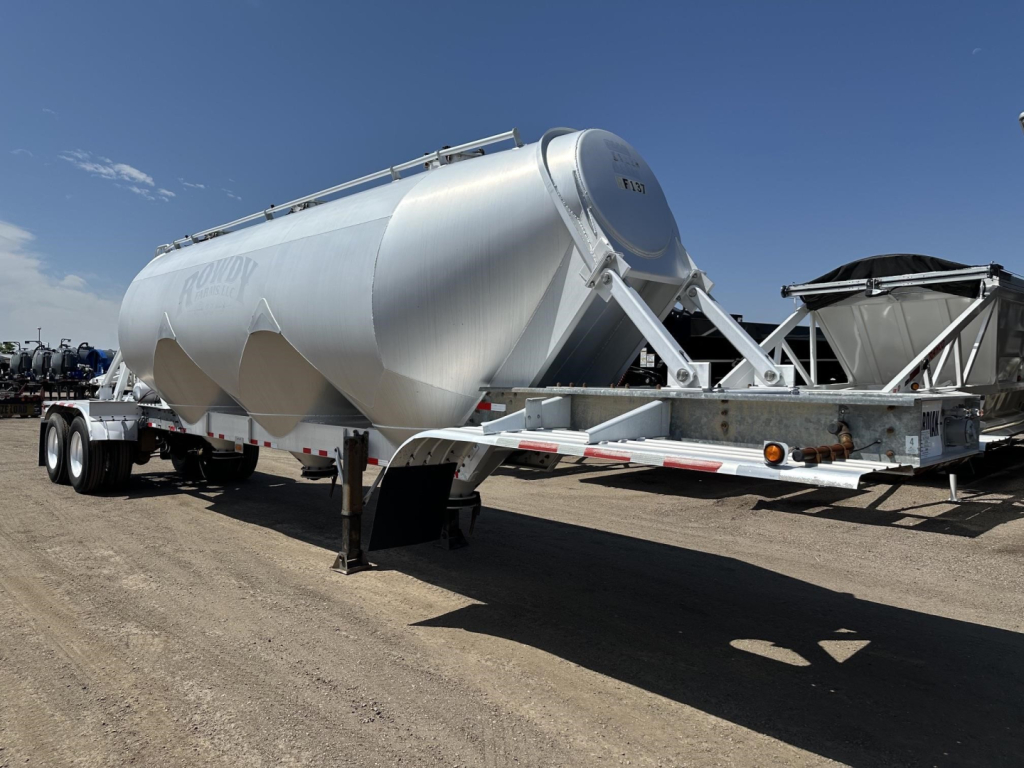
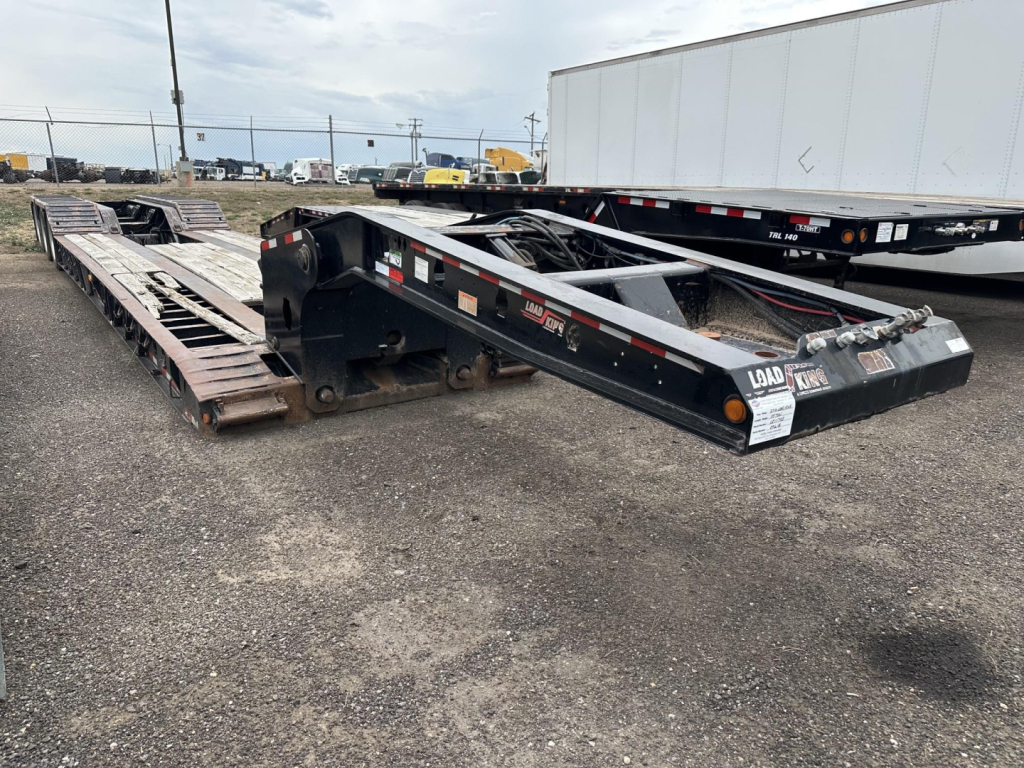
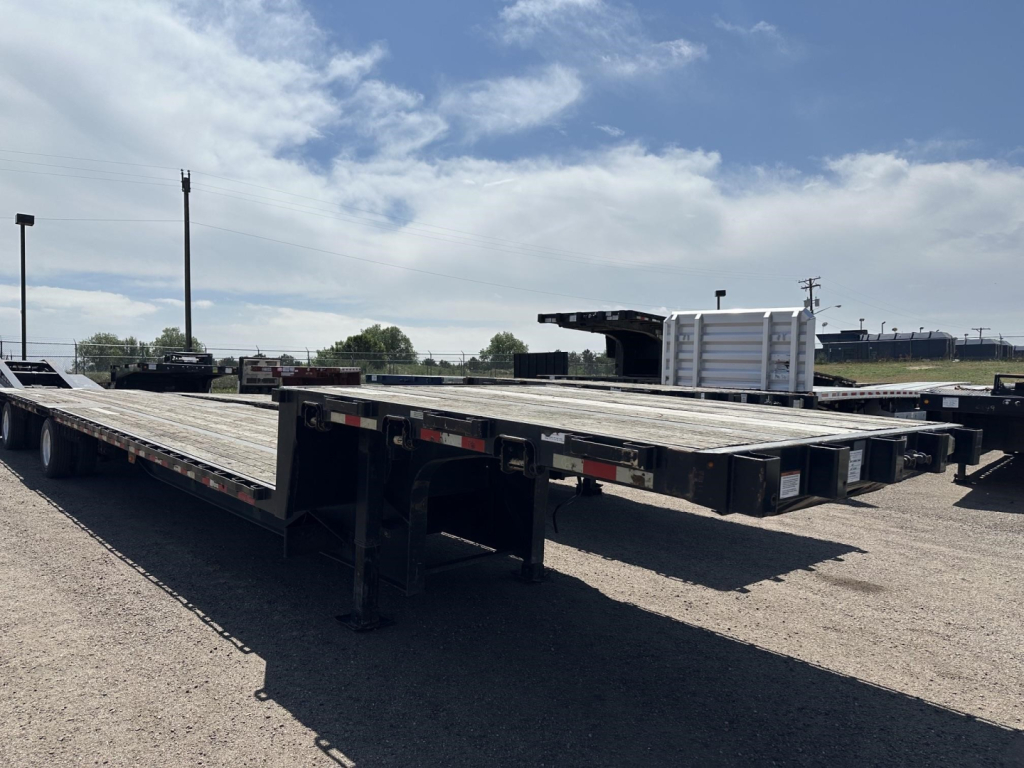
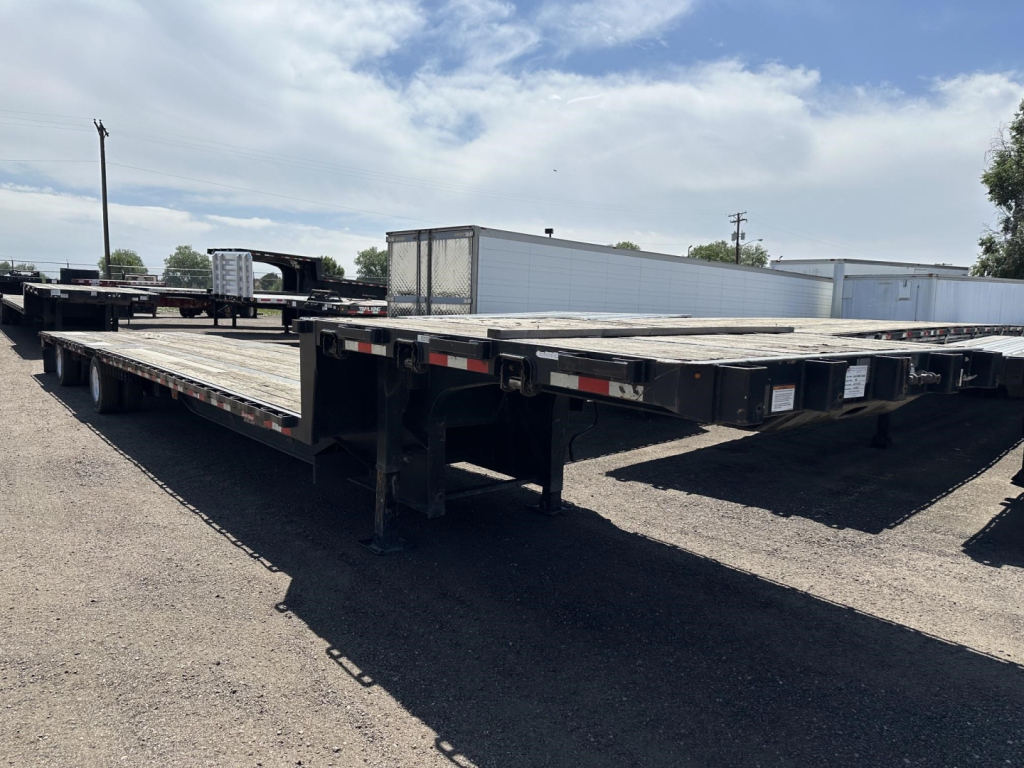
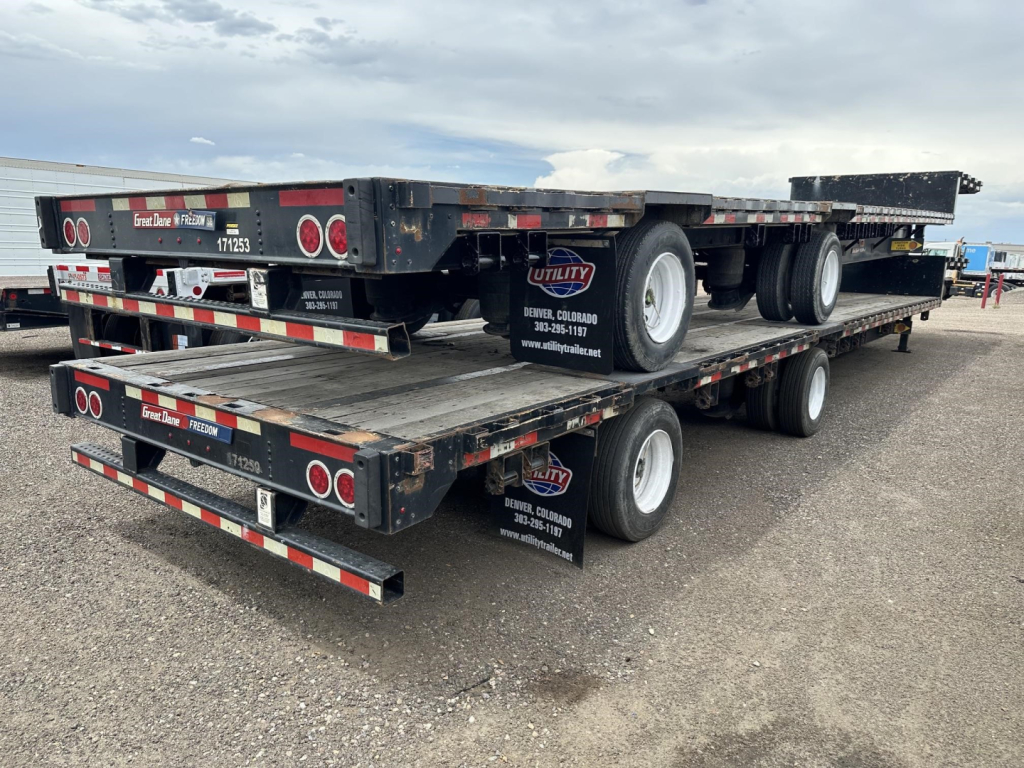
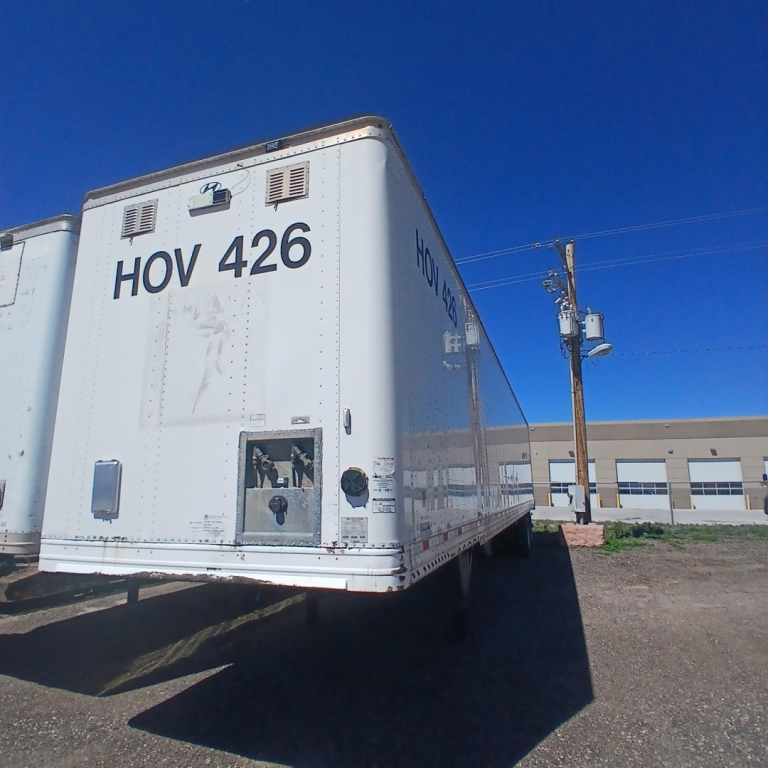
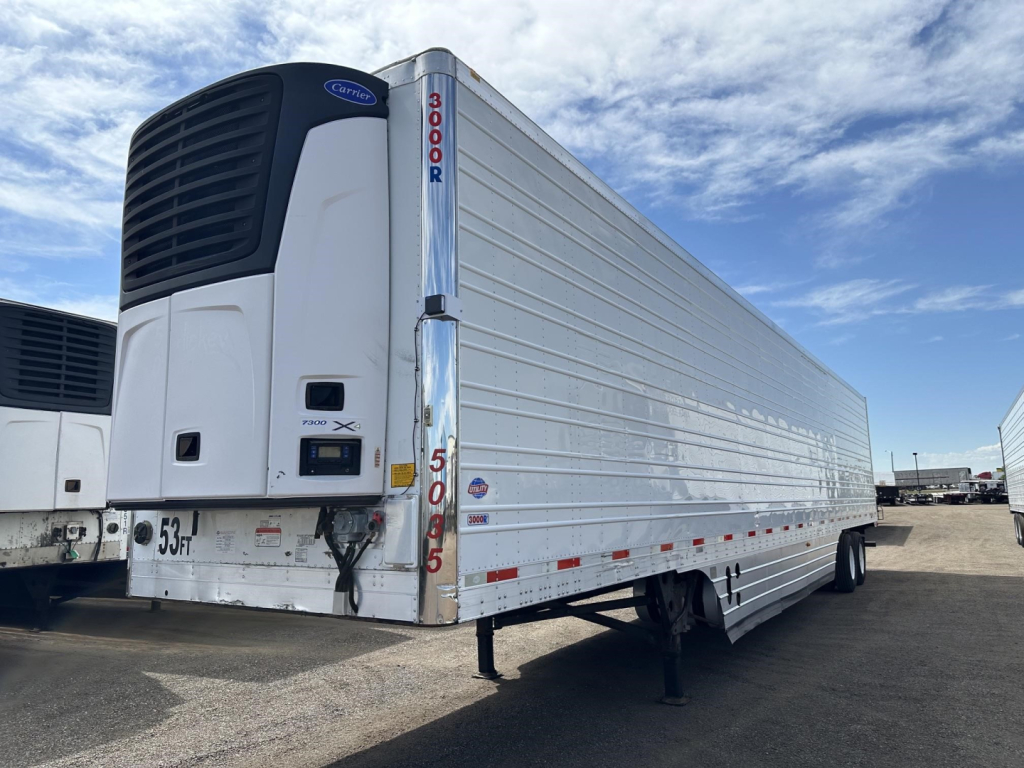
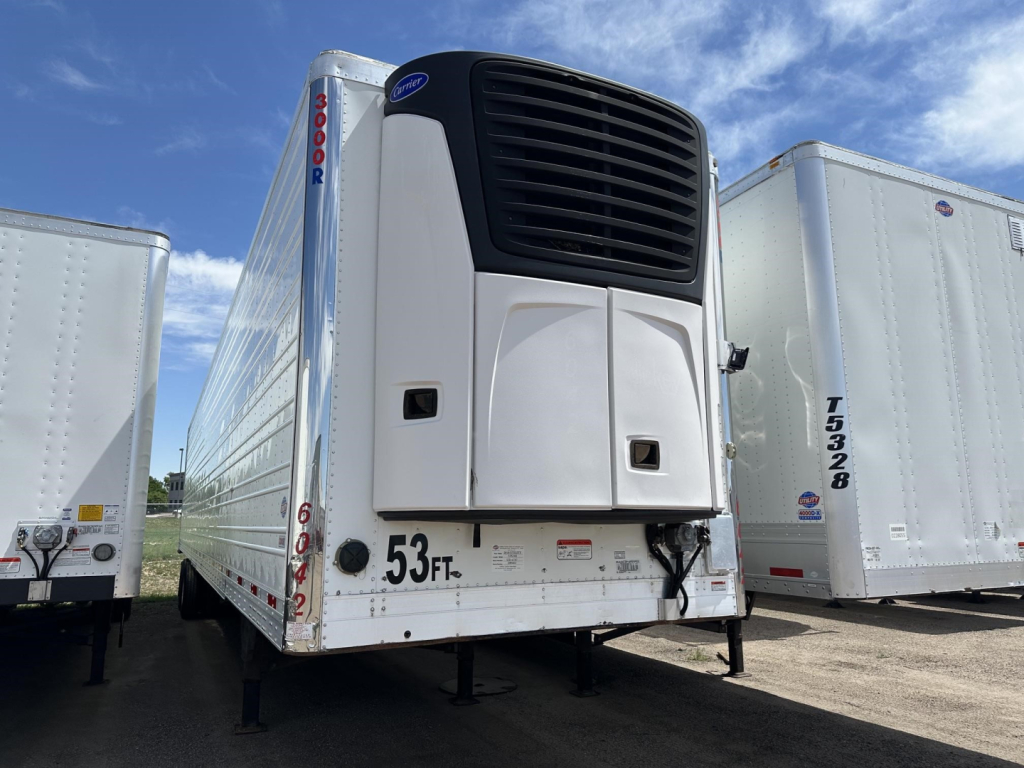
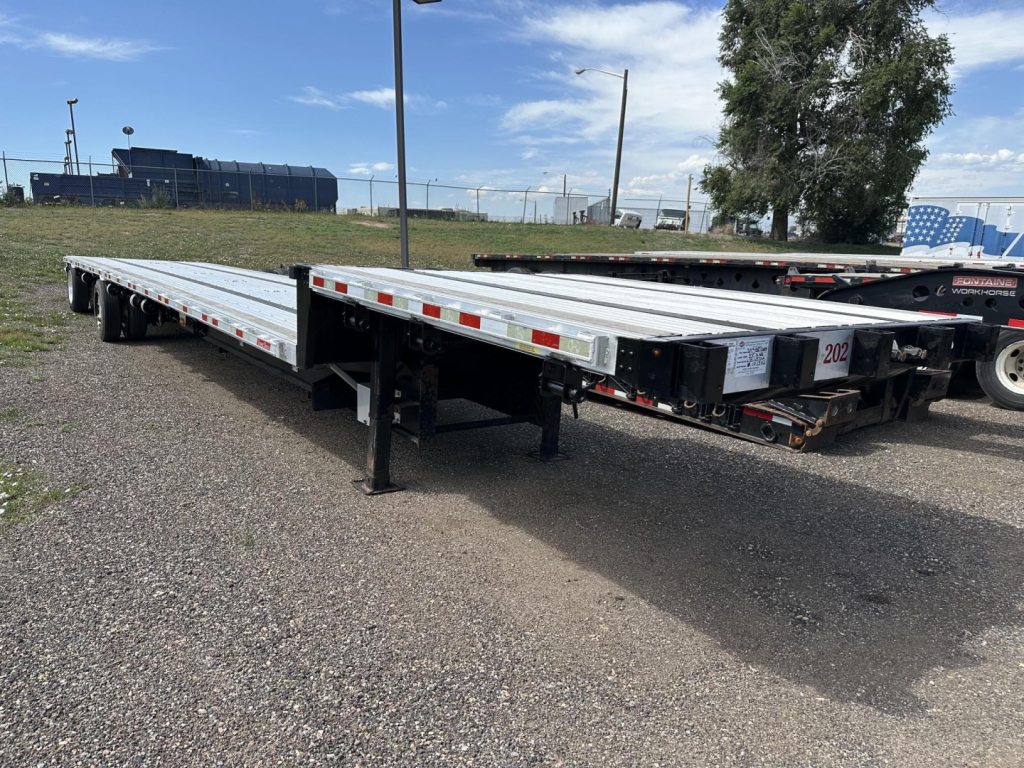
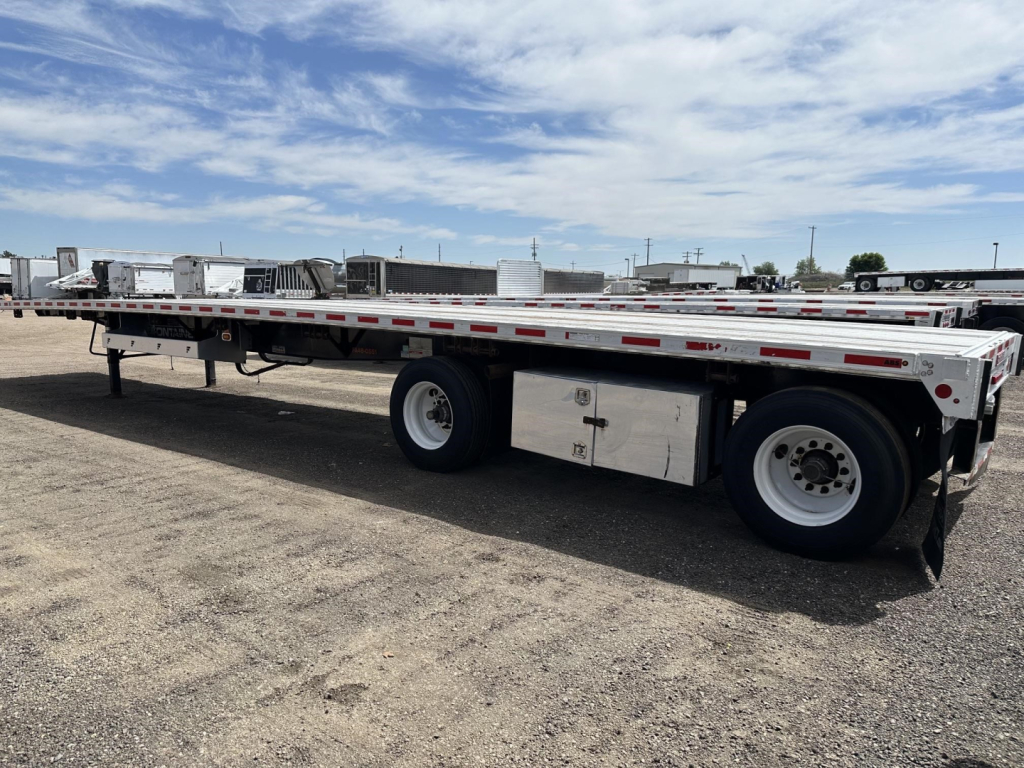
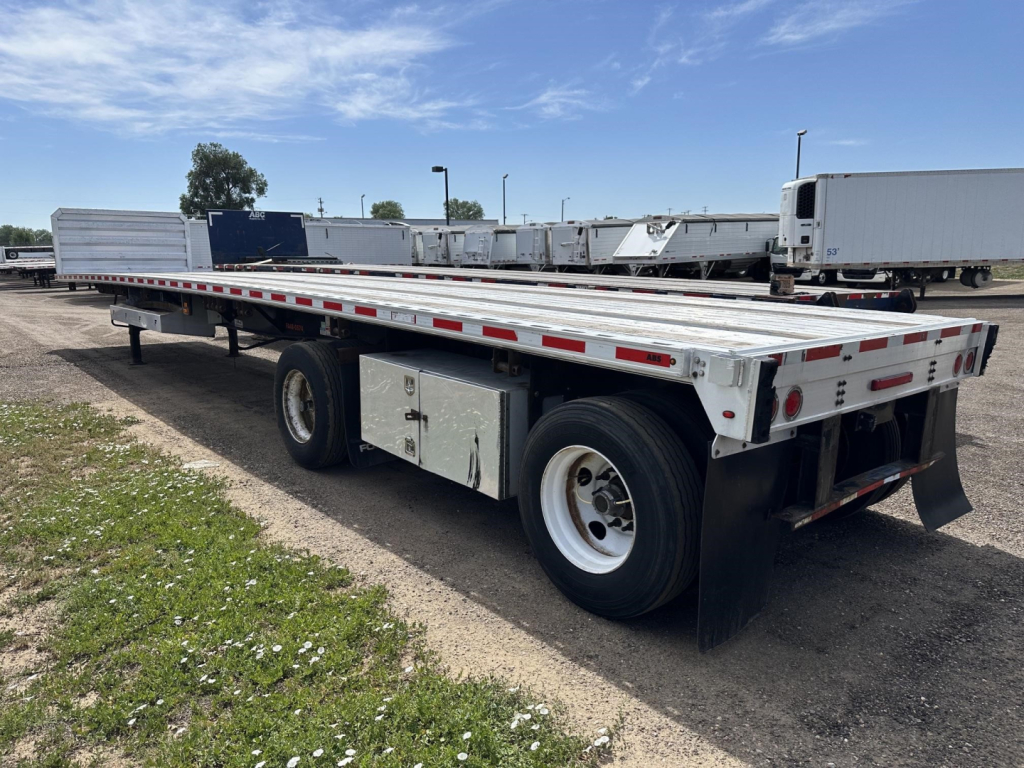
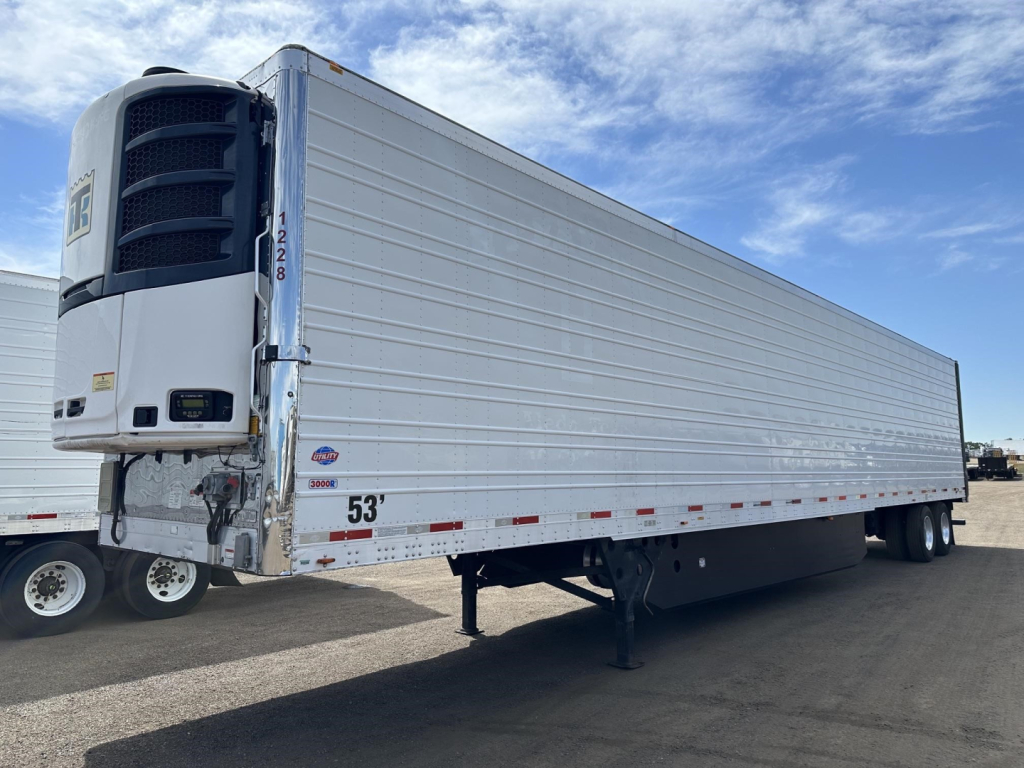
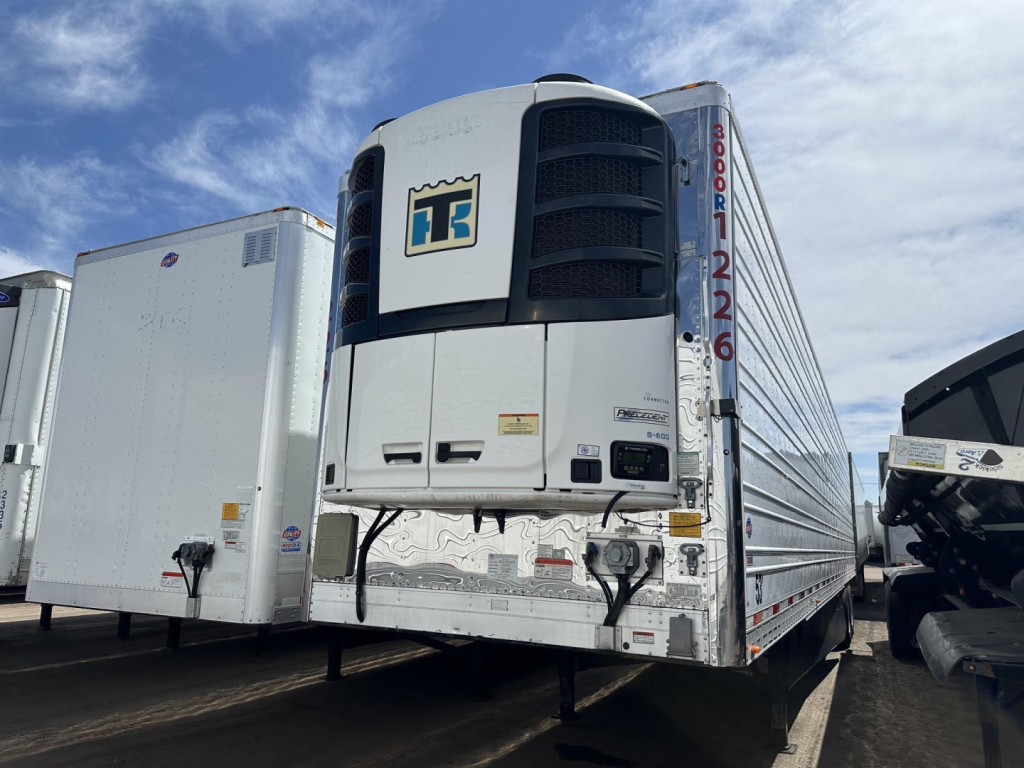
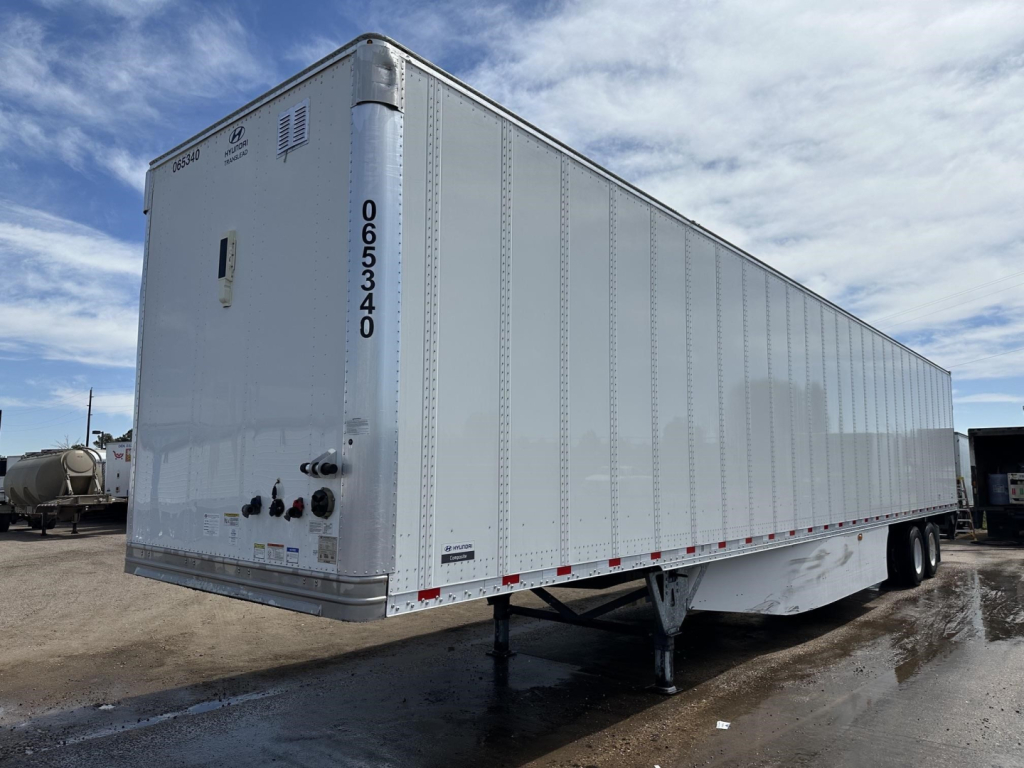
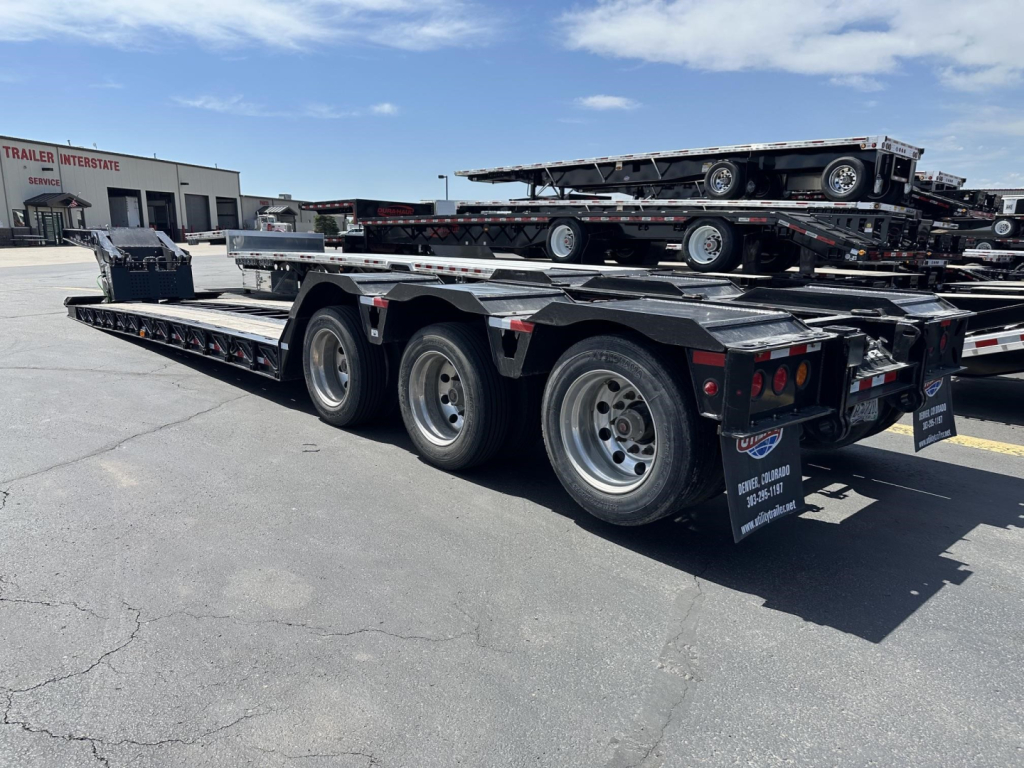
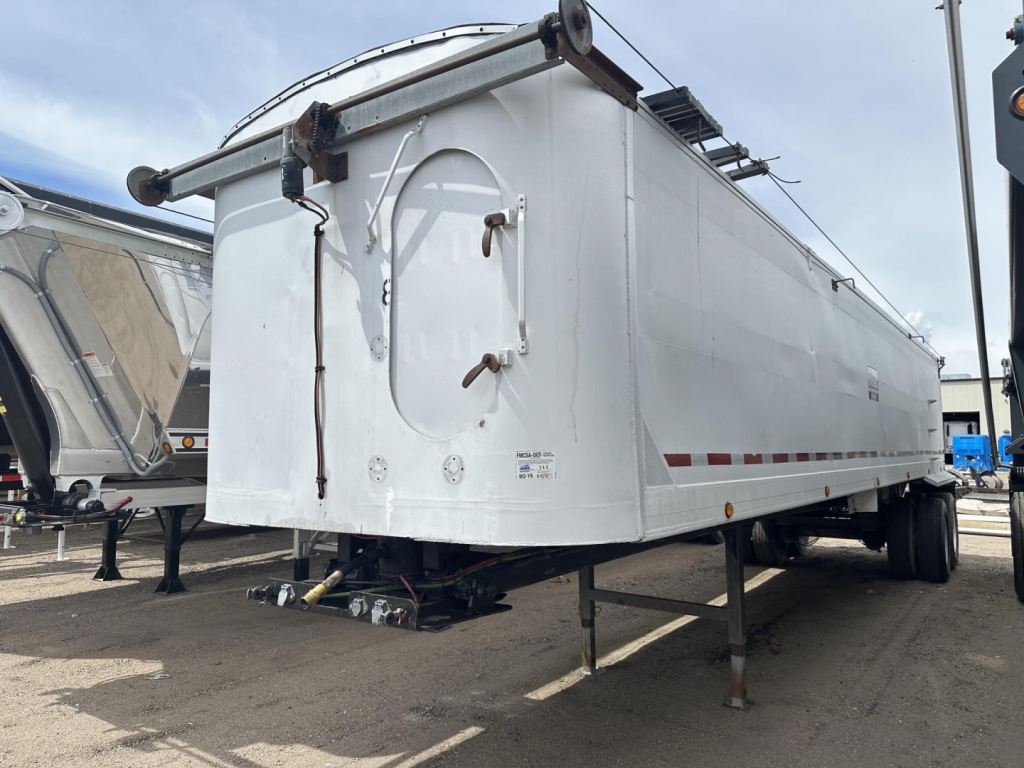
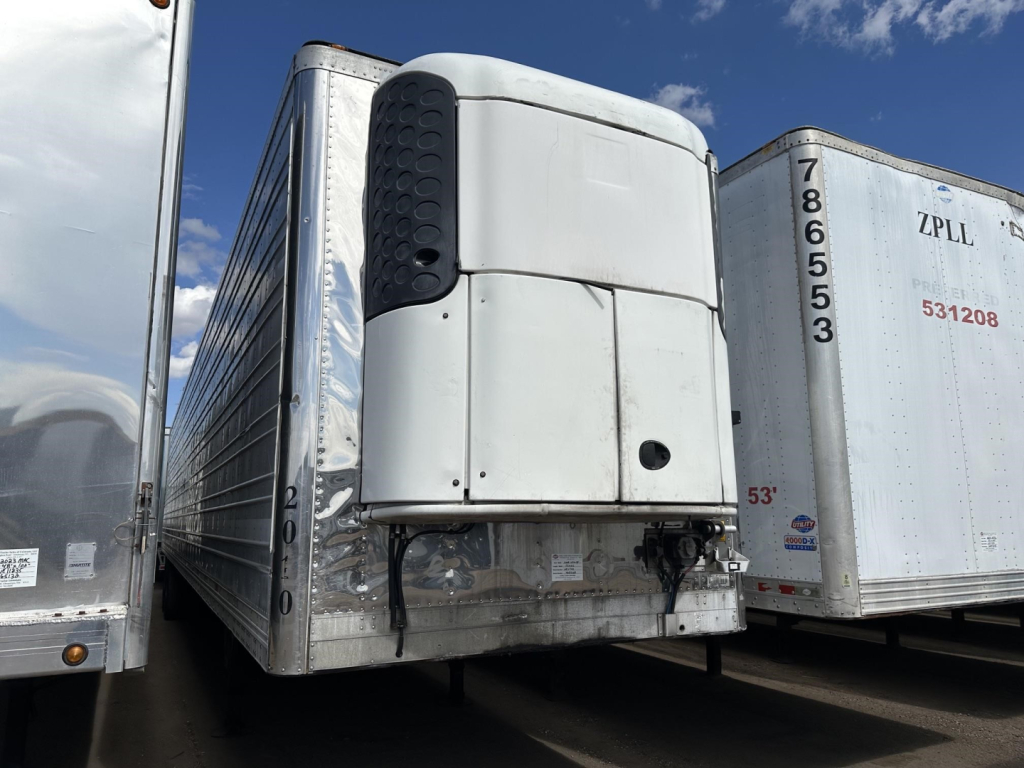
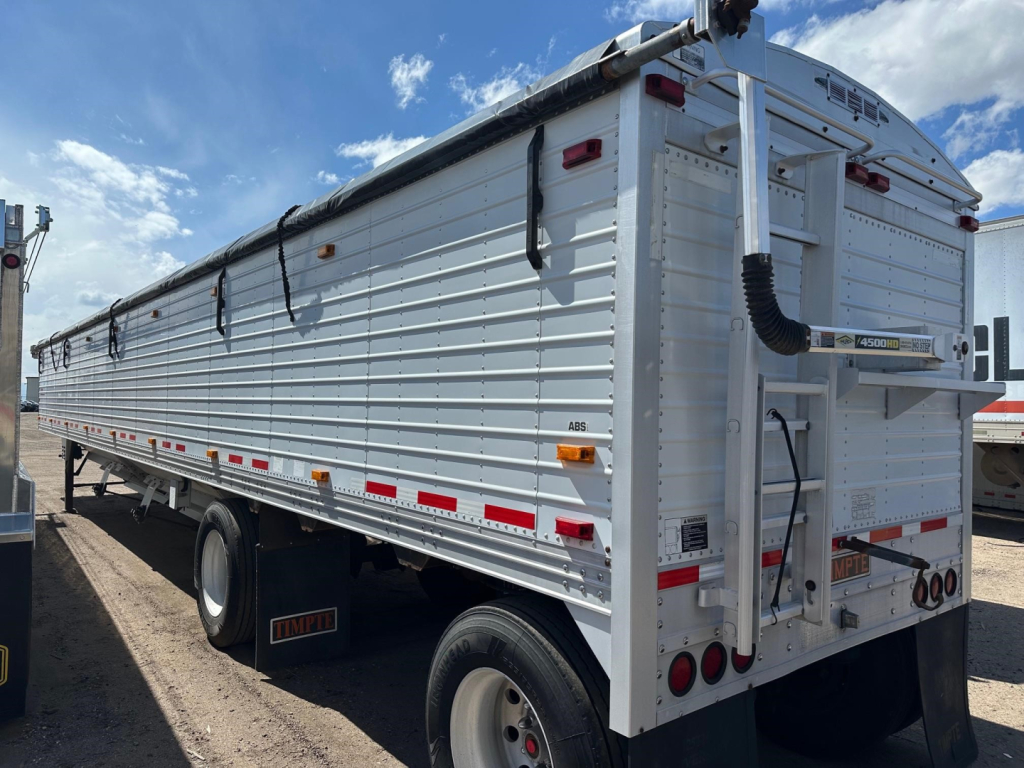
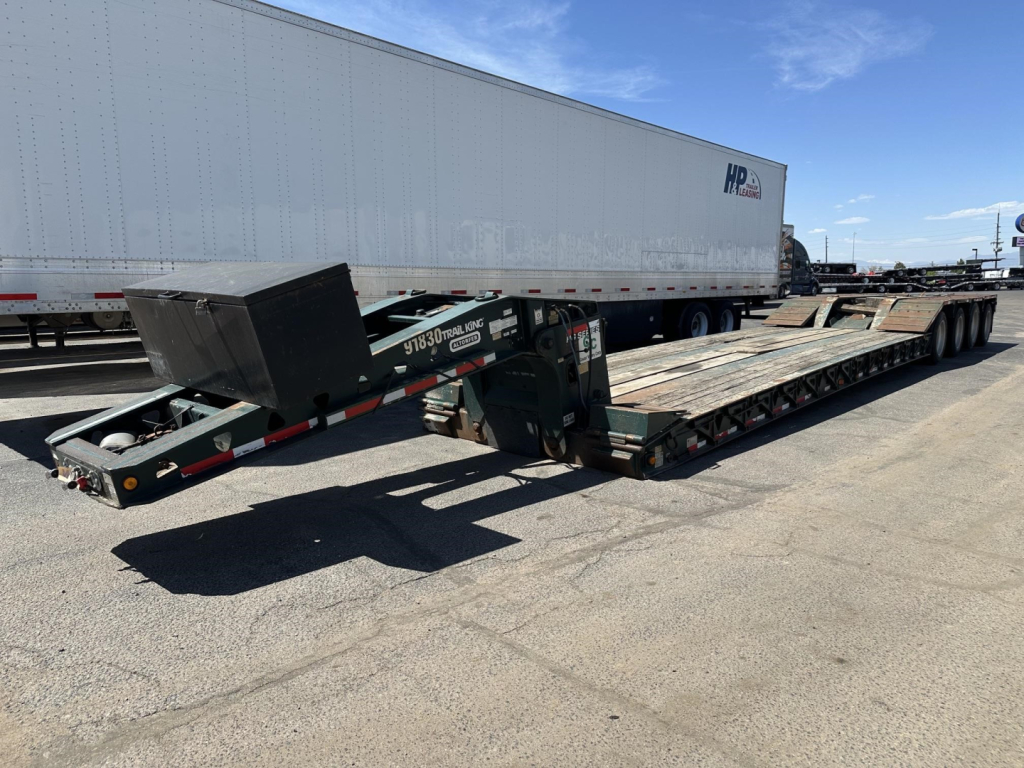
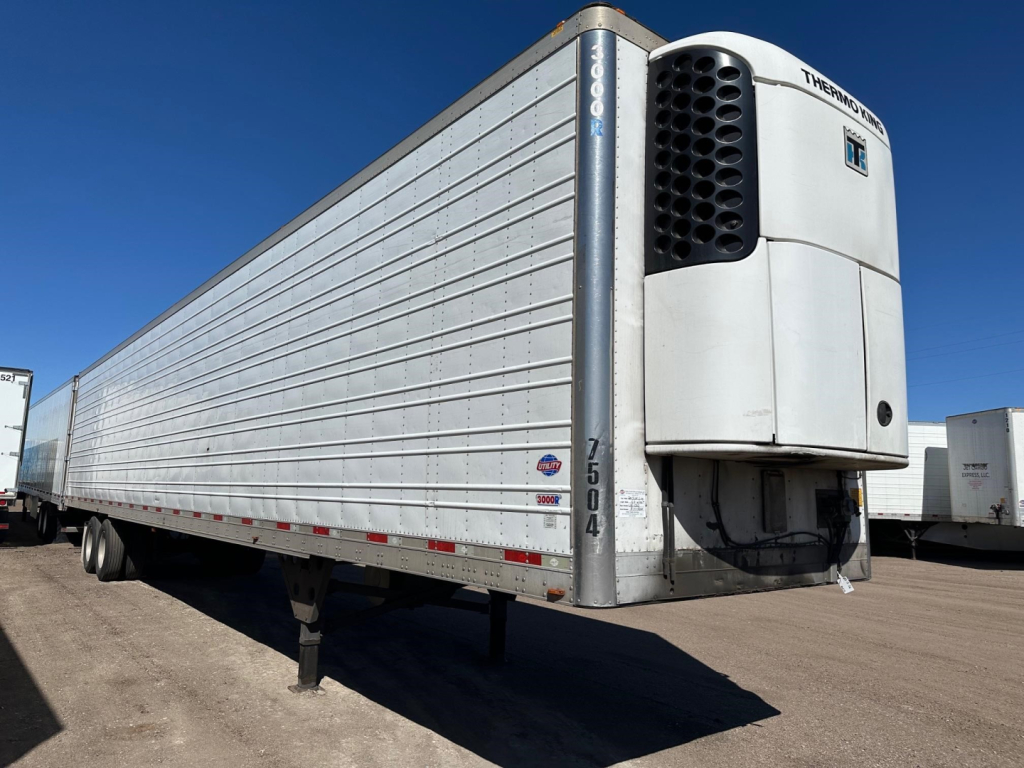
Showing 1 to 28 of 151 results
Have used trailer to sell? List it here to reach thousands of buyers.
Used Trailers in Colorado
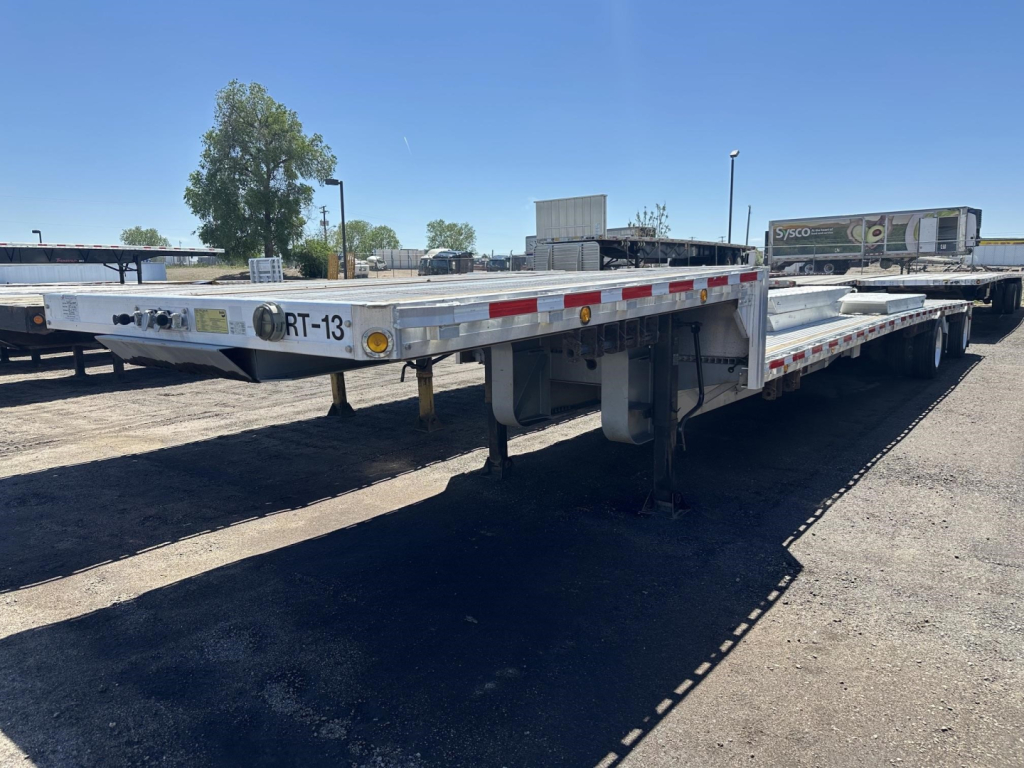
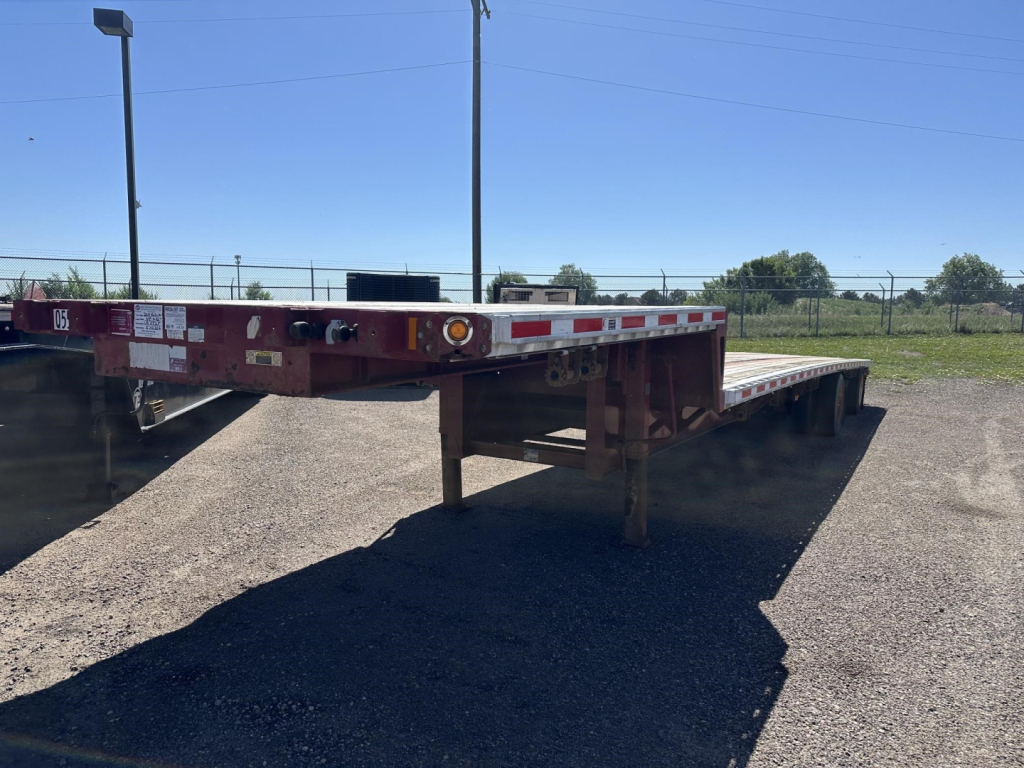
For used flatbed trailers and used drop deck trailers, common specs include 48-foot and 53-foot lengths, 102-inch width, tandem axles, air ride suspension, aluminum or combo construction, and tie-down packages such as stake pockets, sliding winches, winch track, pipe spools, and nail strips. Buyers hauling coil, machinery, building products, or palletized freight should pay close attention to deck condition, crossmember spacing, main beam material, and whether the trailer has a coil package, J-hooks, or a rear slide axle. In Colorado, where payload and terrain both matter, aluminum and combination trailers can help reduce tare weight, while air ride suspension helps protect freight and improve ride quality. If a trailer is described as California legal, that usually points to axle spacing and bridge-friendly configurations that can also appeal to fleets running western regional lanes.
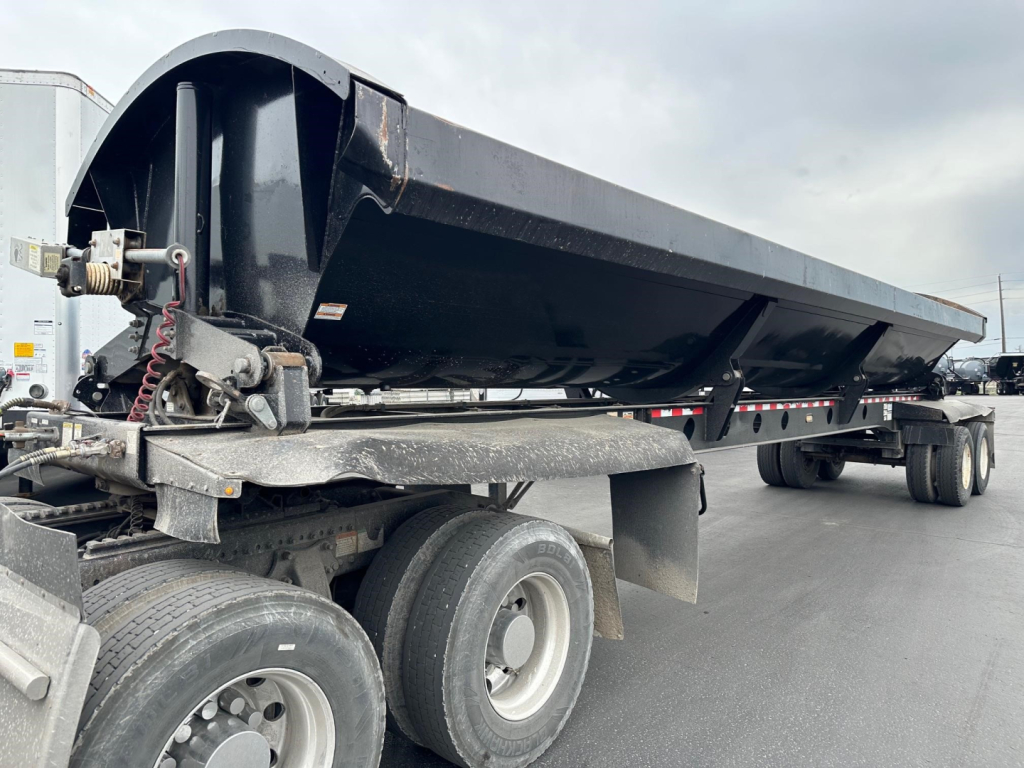
Used dump trailers in Colorado are often selected for aggregate, demolition, scrap, millings, sand, and rock service. Key differences include frameless versus framed design, aluminum versus steel construction, half-round versus square body, gate style, tarp system, and suspension type. Frameless aluminum end dumps are popular where payload is the priority, while steel rock tubs and AR steel bodies are better suited for abrasive or impact-heavy material. Important details include liner condition, hinge and hoist area wear, draft arms, tarp operation, tire size, and whether the trailer has a high-lift gate, coal door, or air-operated gate setup. For mountain and jobsite use, suspension design, axle position, and tub integrity deserve close inspection because stability and durability are critical under repeated loading cycles.
A good used trailer purchase depends as much on spec discipline as on price. Check for frame repairs, floor damage, suspension wear, tire match, brake condition, kingpin wear, and signs of overloading or uneven loading history. For flatbeds and drop decks, look closely at rail damage, cracked welds, bent crossmembers, and the completeness of the securement package. For dump trailers, inspect the tub, substructure, gate seals, tarp hardware, and landing gear. In Colorado, buyers also benefit from thinking about elevation, weather, and route mix. Lighter-weight trailers can improve payload on long regional runs, but severe-duty work may justify heavier construction and simpler components that hold up in mud, gravel, snow, and repeated off-pavement use.
Frequently Asked Questions about Used Trailers in Colorado
What types of used trailers are most common in Colorado?
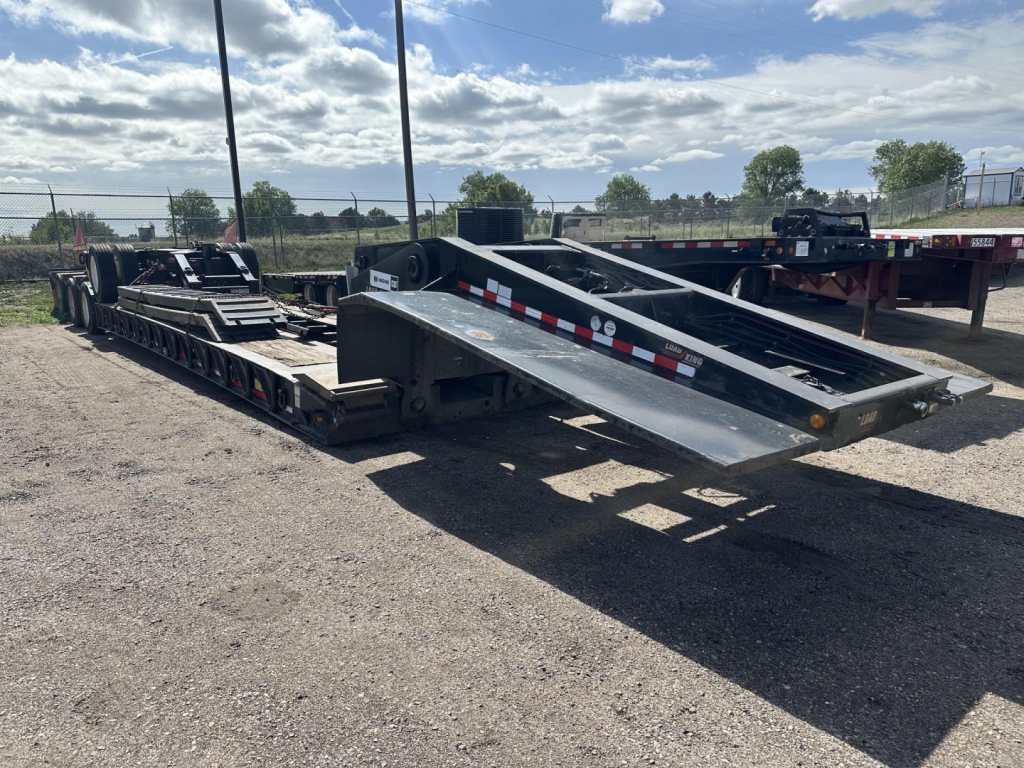
The most common used trailers in Colorado are flatbed trailers, drop deck trailers, and dump trailers. Flatbeds are widely used for steel, lumber, machinery, and general open-deck freight. Drop decks, also known as step deck trailers, are common when taller cargo needs lower deck height to stay within legal height limits. Dump trailers are heavily used in construction, aggregate, paving, and excavation work where bulk material has to unload quickly at the jobsite.
What should I inspect first on a used trailer?
Start with the structural components before looking at cosmetics. On most used trailers, the highest-value inspection points are the frame or main beams, crossmembers, suspension, axle alignment, brakes, tires, wheels, kingpin area, and floor or tub condition. On flatbeds and drop decks, inspect the deck surface, side rails, stake pockets, winch track, and coil area. On dump trailers, inspect the tub, hinge points, hoist connection area, gate hardware, tarp system, and any liner wear. Evidence of cracks, poor repairs, or uneven tire wear can indicate a hard service history.
Is aluminum or steel better for a used trailer?
It depends on the application. Aluminum trailers generally reduce tare weight and can improve payload, which is valuable in freight and bulk-haul operations where every pound matters. Steel trailers usually offer better resistance to concentrated impact and abrasive materials, especially in rock, demolition, or severe construction service. Combination trailers split the difference by using steel where strength is critical and aluminum where weight savings matter. The right choice depends on the cargo, route conditions, and how often the trailer runs on rough jobsites versus highway miles.
Why does axle configuration matter on a used trailer?
Axle configuration affects legal payload, bridge compliance, maneuverability, and tire wear. Tandem axle trailers are standard across many applications, but fixed, spread, and sliding axle setups each serve different needs. A sliding rear axle can help with load placement and state bridge rules, while fixed spread configurations are common on some flatbeds for weight distribution. On dump trailers, axle placement and suspension design also affect stability during unloading. Buyers should match axle layout to their freight, state regulations, and the type of roads the trailer sees most often.
Are drop deck trailers better than flatbeds for equipment and tall freight?
Drop deck trailers are often the better choice for taller cargo because the lower main deck reduces loaded height compared with a standard flatbed trailer. That makes them useful for equipment, palletized machinery, crated freight, and other loads that could exceed legal height on a flatbed. Flatbeds still make sense for simpler loading, lighter empty weight in some specs, and freight that does not require the lower deck. The decision usually comes down to cargo height, loading method, securement needs, and whether upper deck length and rear deck length fit the freight mix.