
Used Wabash Trailers For Sale in Colorado
Shop used Wabash trailers in Colorado, including dry vans and flatbeds, with specs, applications, and buying points that matter.
Selling a used wabash trailer? List your used wabash trailer for sale and reach thousands of commercial buyers.
Used Wabash Trailers in Colorado
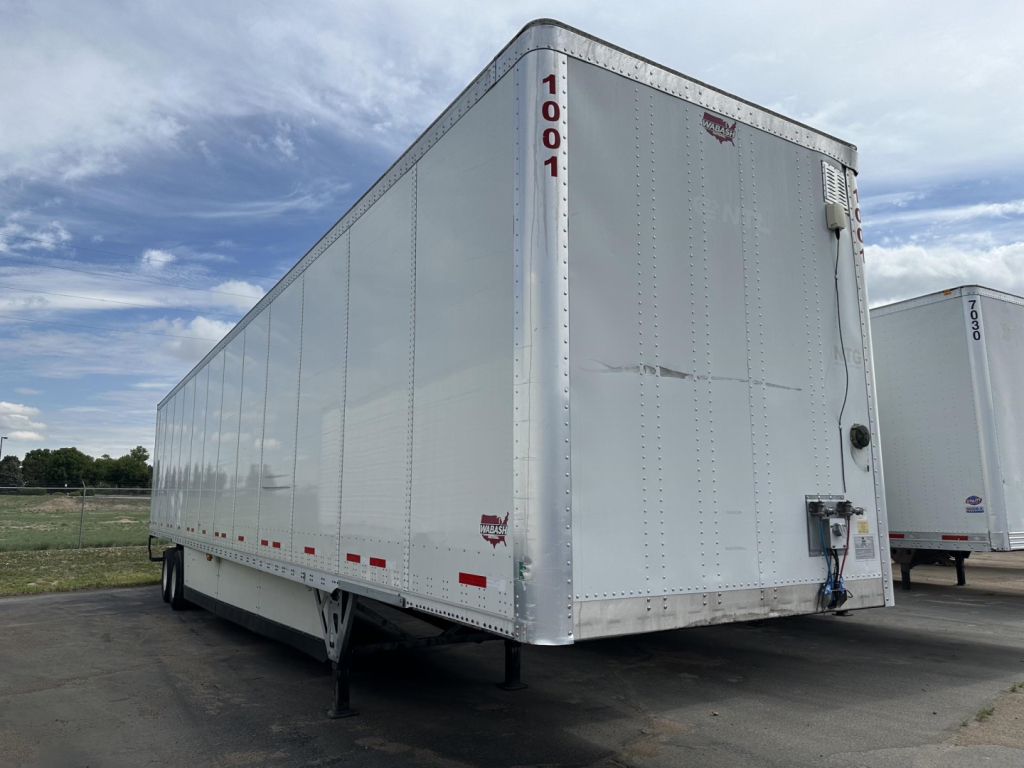
For dry van buyers, Wabash trailers are often selected for general freight, packaged goods, retail distribution, and dock-to-dock regional or over-the-road work. Common specs include 53-foot length, 102-inch width, swing doors, tandem slider suspensions, air ride, hardwood or laminated flooring, logistic posts, scuff liners, and tire inflation systems such as PSI. DuraPlate van construction is popular because it combines a composite plate wall design with good durability and relatively straightforward repairability in fleet service. On a used van, inspect the threshold plate, rear frame, crossmembers, ICC bumper, door hardware, and signs of forklift damage on the floor and lower sidewalls. In Colorado, where elevation changes and weather swings can expose maintenance gaps quickly, brake performance, air system condition, and tire age deserve extra attention.
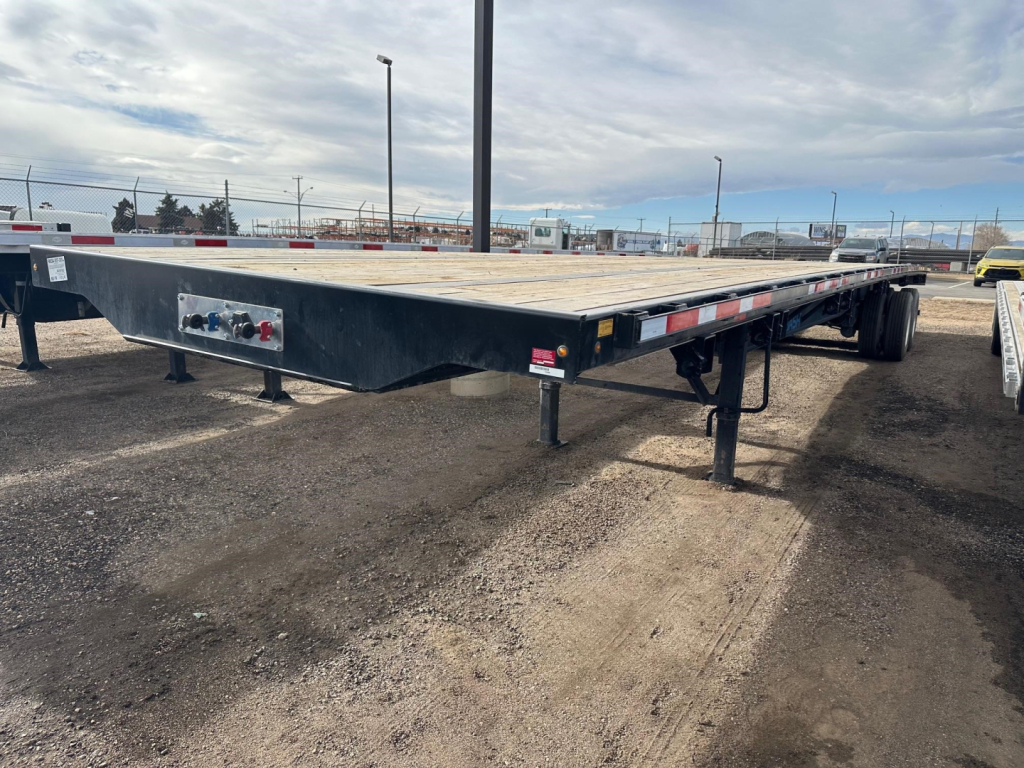
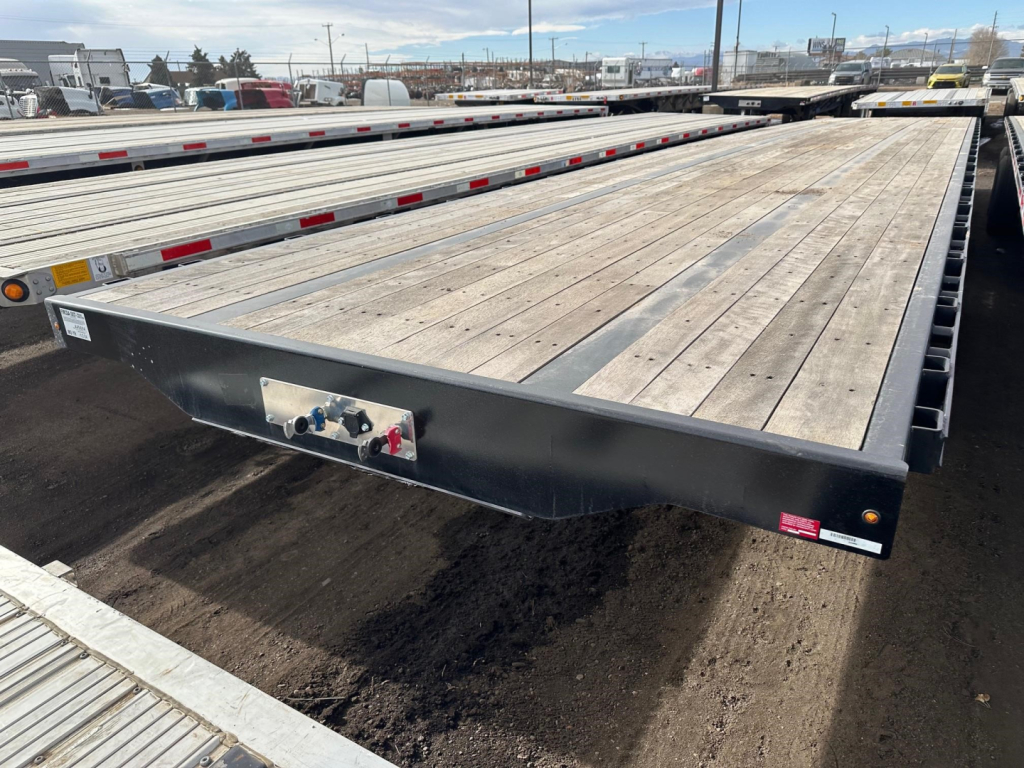
For flatbed buyers, used Wabash trailers are commonly spec'd for building materials, steel, pipe, machinery, and forklift-loaded freight. Typical configurations include 48-foot by 102-inch decks, steel main beams, apitong wood floors, stake pockets, sliding winches, pipe spools, and air ride suspensions with sliding tandems or air pin sliders. The key buying questions are deck condition, beam straightness, crack repair history, suspension wear, and how the trailer was previously loaded. A construction-oriented flatbed that hauled pipe or concentrated loads may still be a strong unit, but it needs a careful look at frame alignment, deck fasteners, rub rail integrity, and kingpin area condition. Low-profile 22.5 tires, wheel type, and closed tandem settings can also affect how well the trailer fits your operation and state bridge requirements.
A good used Wabash trailer should be evaluated as a work tool, not just a model year. Maintenance records, prior fleet use, VIN history, and component brands on axles, brakes, hubs, and suspension matter because they affect uptime and parts availability. Buyers in Colorado also tend to weigh corrosion exposure, mountain-route braking demands, and payload sensitivity more heavily than in flatter regions. If the trailer will see mixed freight, versatility features such as logistic posts in a van or a full set of securement points on a flatbed can matter as much as age. The best choice is the one with the right spec for your lanes, legal weights, loading method, and maintenance plan.
Frequently Asked Questions about Used Wabash Trailers in Colorado
What are the most common used Wabash trailer types on the market?
The most common used Wabash trailers are dry vans, refrigerated vans, and flatbeds. Dry vans are especially prevalent, with 53-foot tandem axle configurations leading the market for general freight. Wabash flatbeds are also seen in 48-foot setups for construction materials, steel, and equipment hauling. The right type depends more on freight profile, loading method, and weight distribution needs than on brand alone.
What should I inspect first on a used Wabash dry van?
Start with the floor, rear frame, door assembly, sidewalls, roof, and tandem slider. These areas show the clearest signs of heavy use, forklift impact, water intrusion, and deferred maintenance. Also check crossmembers, suspension wear points, brake condition, tire dates, and any tire inflation system operation. A clean sidewall means less than a sound floor and a straight rear frame on a working dry van.
Are Wabash DuraPlate trailers a good choice for fleet service?
Wabash DuraPlate trailers are widely used in fleet service because they are built for high-cycle freight operations and are familiar to maintenance departments across the industry. Buyers often like them for their durable wall construction, common replacement parts, and broad acceptance in general freight applications. Their value is usually strongest when the trailer has a solid maintenance history and no major structural damage in the rear frame, floor, or sidewall system.
What matters most when buying a used Wabash flatbed?
The most important factors are structural condition, deck life, and securement setup. Look closely at the main beams, crossmembers, kingpin area, rub rails, stake pockets, and winch track for damage or poor repairs. Apitong deck condition matters because replacement cost can be significant, and suspension type matters because air ride can improve cargo protection on rougher lanes. A flatbed with the right securement features for your freight is usually more useful than one with a newer model year but the wrong spec.
Does buying a used trailer in Colorado change what I should look for?
Yes. Colorado buyers often place more emphasis on brake performance, tire condition, suspension health, and overall running gear because mountain grades and weather shifts expose weak components quickly. If a trailer will run high elevations or year-round regional lanes, inspect air system integrity, lining or pad life, wheel-end condition, and corrosion on critical structural points. A trailer that is acceptable on short, flat routes may not be the best fit for repeated mountain service.