
Used 2013 Trailers For Sale in Colorado
Browse used 2013 trailers for sale in Colorado, including flatbed, hopper, dump, and other trailer types for ag, construction, and freight.
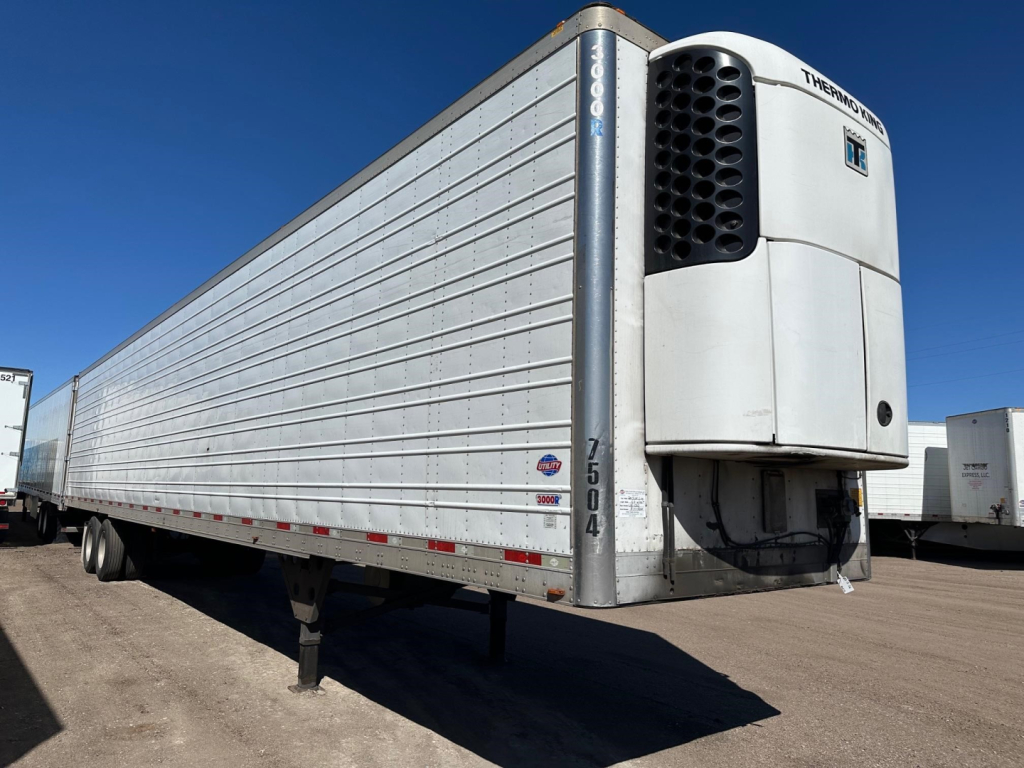
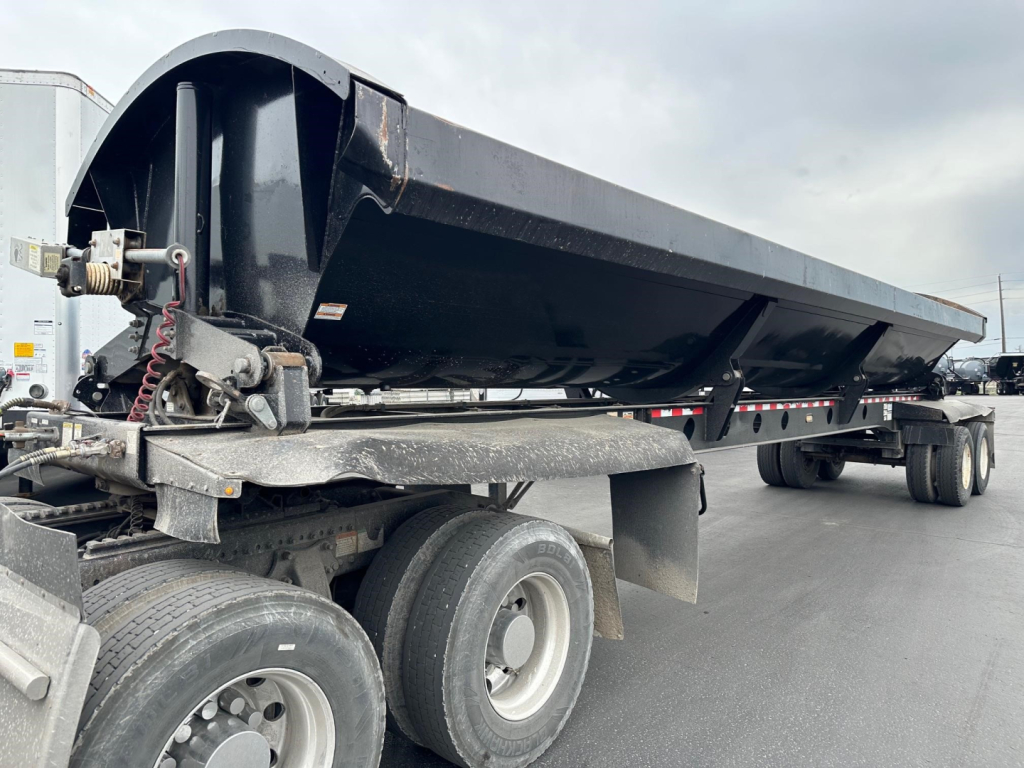
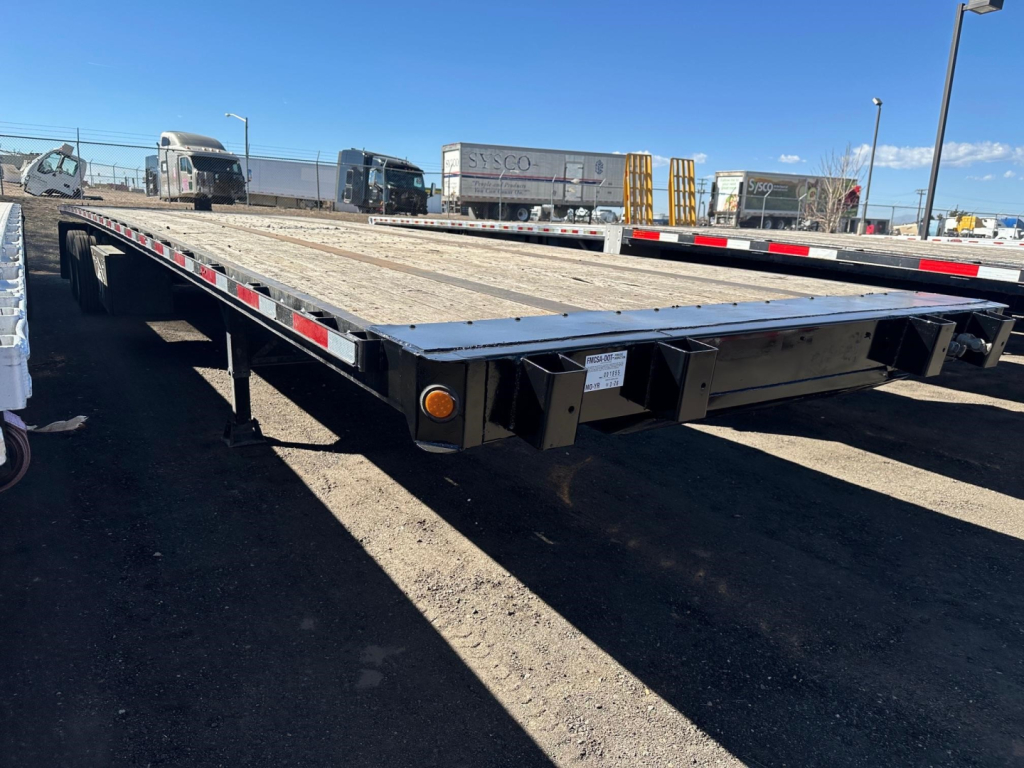
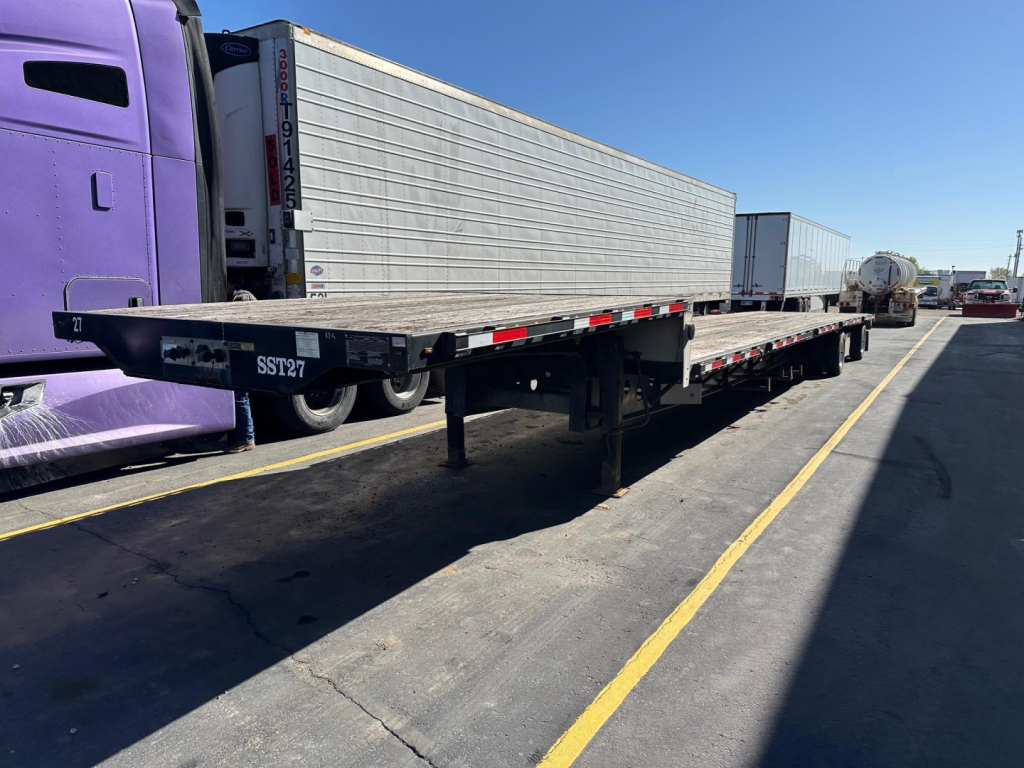
Selling a used 2013 trailer? List your used 2013 trailer for sale and reach thousands of commercial buyers.
Used 2013 Trailers in Colorado
Colorado buyers usually need to think about terrain, weather, and legal payload at the same time. Mountain grades put more emphasis on brake condition, tire quality, wheel-end service records, and suspension stability. For agricultural work, hopper trailers from this era are often evaluated on trap operation, tarp condition, subframe corrosion, and evidence of cracking around hoppers and supports. For flatbeds, check deck condition, winch track wear, stake pockets, rub rails, and any damage around the rear frame and ICC bumper. For dump and end dump applications, tub material, hoist or cylinder condition, hinge points, gate seals, and signs of body distortion are key indicators of remaining life.
Spec details make a major difference in long-term operating cost. Tandem position, spread axle versus closed tandem layout, air ride versus spring ride, tire size, wheel material, and common lengths such as 48-foot and 53-foot all affect how a trailer handles, scales, and fits your lanes. Aluminum and combo construction can improve payload in bulk and flatbed work, while steel designs may better suit abrasive or impact-heavy applications. Buyers should also confirm kingpin settings, overall length, bridge-law implications, and compatibility with the intended tractor, especially for operations that move between local Colorado routes and interstate freight.
A well-selected used 2013 trailer can still be a cost-effective choice for fleets and owner-operators who prioritize condition over model year. Look closely at maintenance documentation, prior commodity use, floor and wall wear, lining condition where applicable, lighting and ABS function, and any evidence of previous repairs. If a trailer has the right spec for the freight and has not been mismatched to the job, this age range can still deliver dependable service in construction, agriculture, oilfield support, and general freight hauling.
Frequently Asked Questions about Used 2013 Trailers in Colorado
What should I inspect first on a used 2013 trailer?
Start with the structural components. Inspect the main frame, crossmembers, suspension hangers, axle alignment, wheel ends, brakes, and tires before focusing on appearance or add-on equipment. On a 2013 trailer, structural fatigue, rust, cracked welds, uneven tire wear, and signs of previous overload are more important than faded paint or minor cosmetic damage. A trailer with a clean frame and documented maintenance is usually a better buy than one with newer-looking cosmetic condition but poor running gear.
Are used 2013 trailers still a good value for commercial work?
Yes, if the trailer was spec'd correctly for its application and maintained properly. Many 2013 trailers remain productive in regional freight, agriculture, aggregate, and construction service because trailer life is driven heavily by usage, load type, and repair history. The key is matching the trailer's current condition and original design to the work you need it to do. A lightly used highway flatbed may have very different remaining life than a dump trailer that spent years in severe off-road service.
Which specs matter most when comparing used 2013 trailers in Colorado?
Axle configuration, suspension type, trailer length, body material, and brake condition are the main comparison points. In Colorado, elevation changes and mountain grades make braking performance, tire condition, and suspension stability especially important. Buyers should also verify kingpin setting, tare weight, bridge compliance, and how the trailer's dimensions and axle layout will affect payload and maneuverability on local and interstate routes.
How do I choose between aluminum, steel, and combo construction on a used trailer?
Aluminum trailers generally help maximize payload and resist corrosion, which is useful in bulk hauling and many flatbed applications. Steel trailers usually offer better durability for impact, abrasion, and severe vocational work, but they often carry more tare weight. Combo trailers, typically built with steel main components and aluminum secondary structure, aim to balance strength and weight. The right choice depends on commodity type, loading method, road conditions, and how much payload sensitivity matters in your operation.
Does prior application matter more than age on a used trailer?
In most cases, yes. A 2013 trailer that spent its life hauling legal loads on pavement can be a better unit than a newer trailer that saw constant off-road use, corrosive materials, or repeated overloading. Prior commodity, loading equipment, route conditions, and maintenance discipline all leave a clear signature on the trailer. Ask about previous use, inspect wear points tied to that use, and look for repairs that suggest recurring stress in the same areas.