
Used 2020 Trailers For Sale in Colorado
Browse used 2020 trailers in Colorado, including flatbed, dump, and specialty trailers with specs that matter for weight, suspension, and job fit.
Selling a used 2020 trailer? List your used 2020 trailer for sale and reach thousands of commercial buyers.
Used 2020 Trailers in Colorado
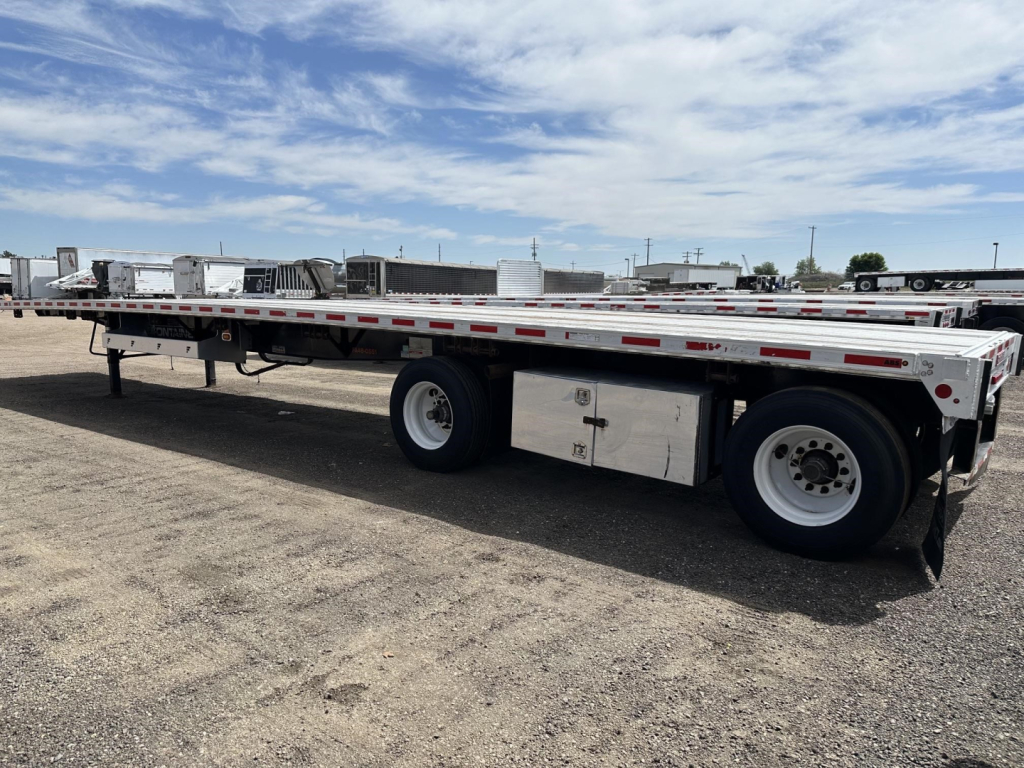
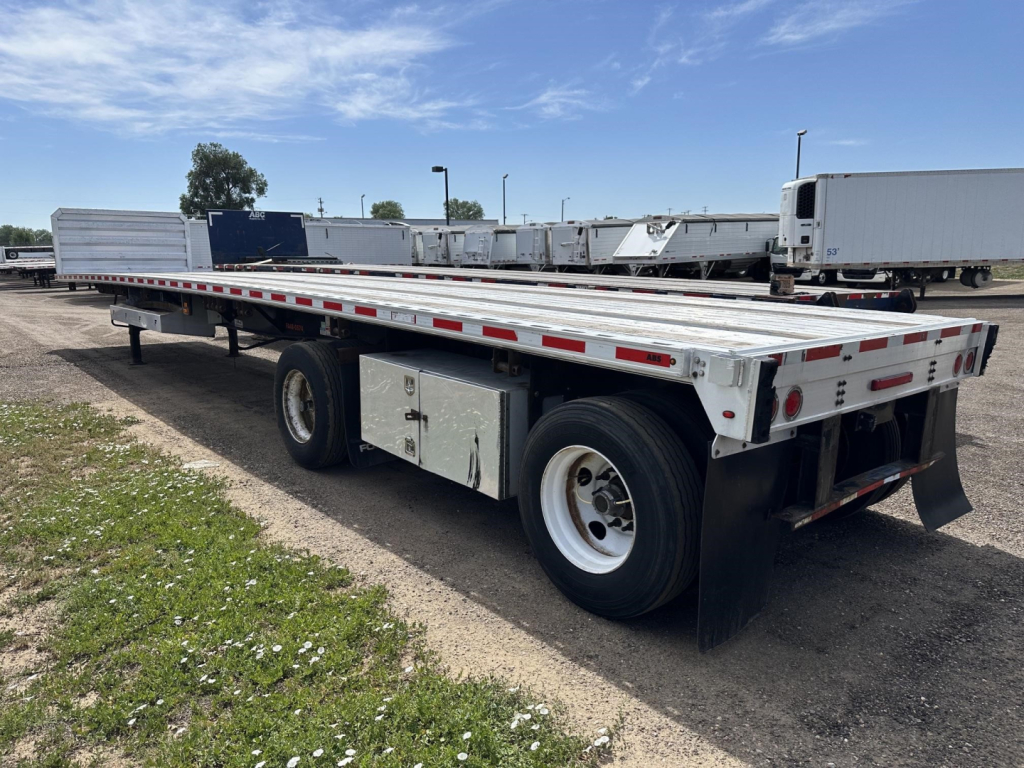
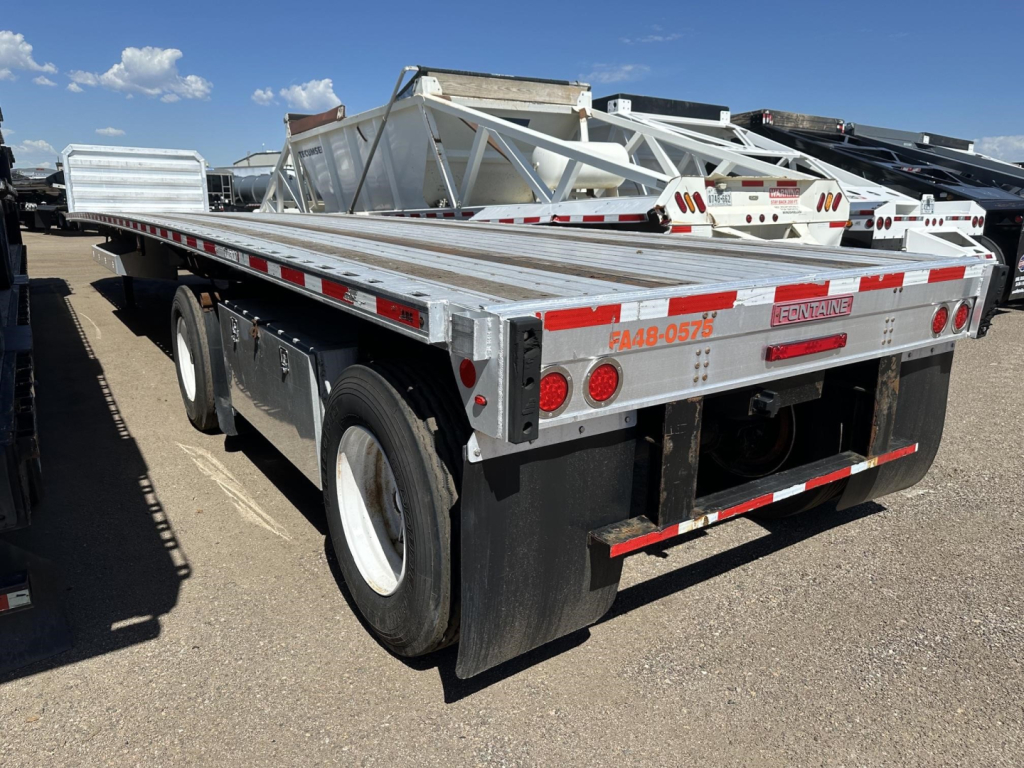
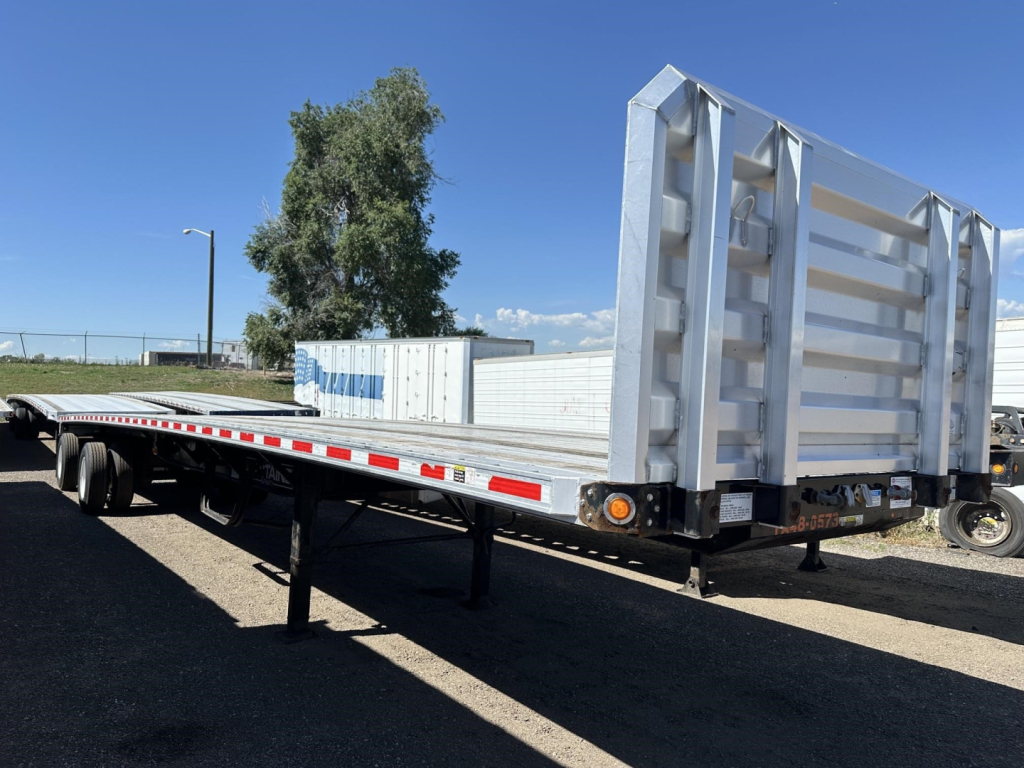
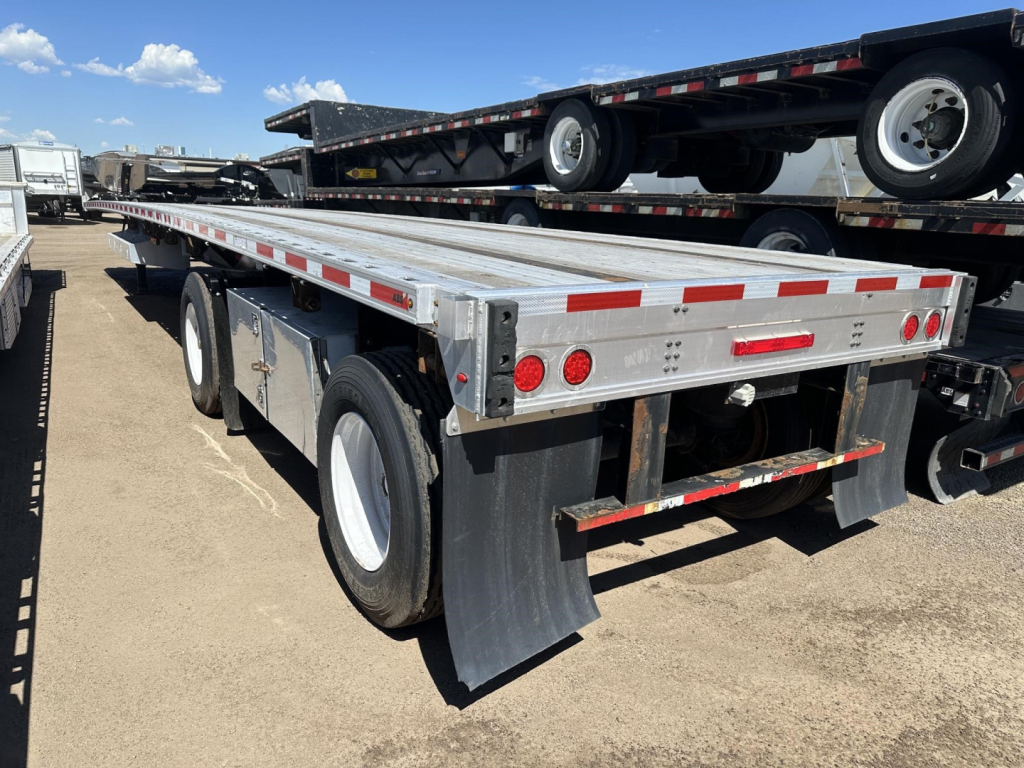
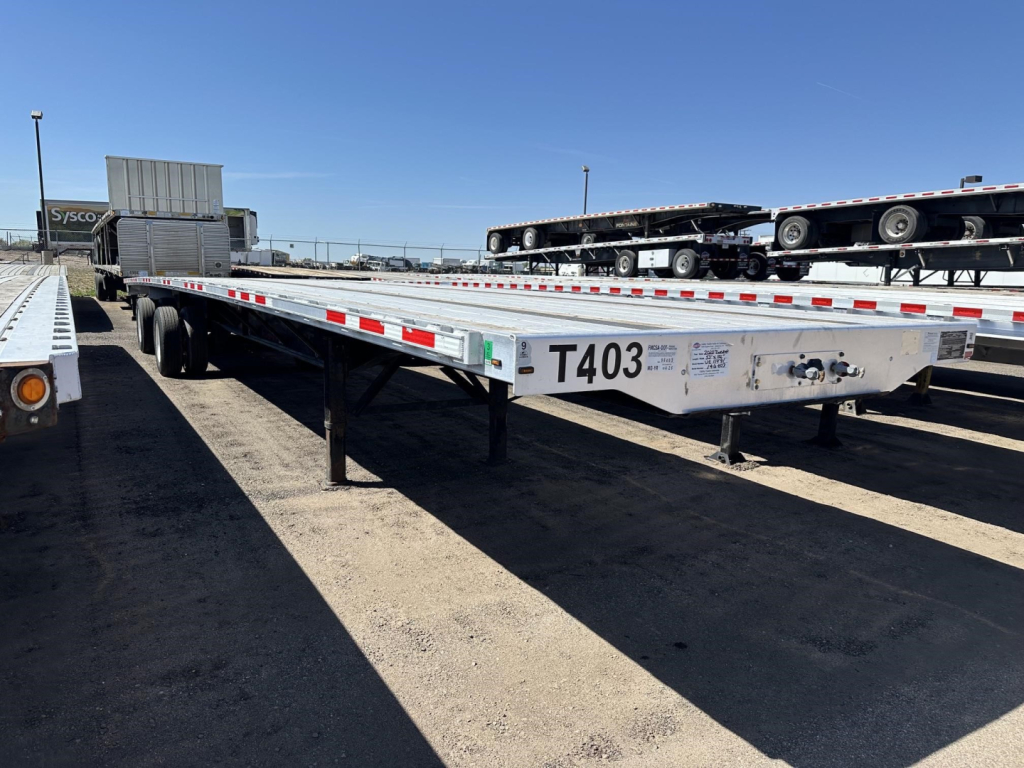
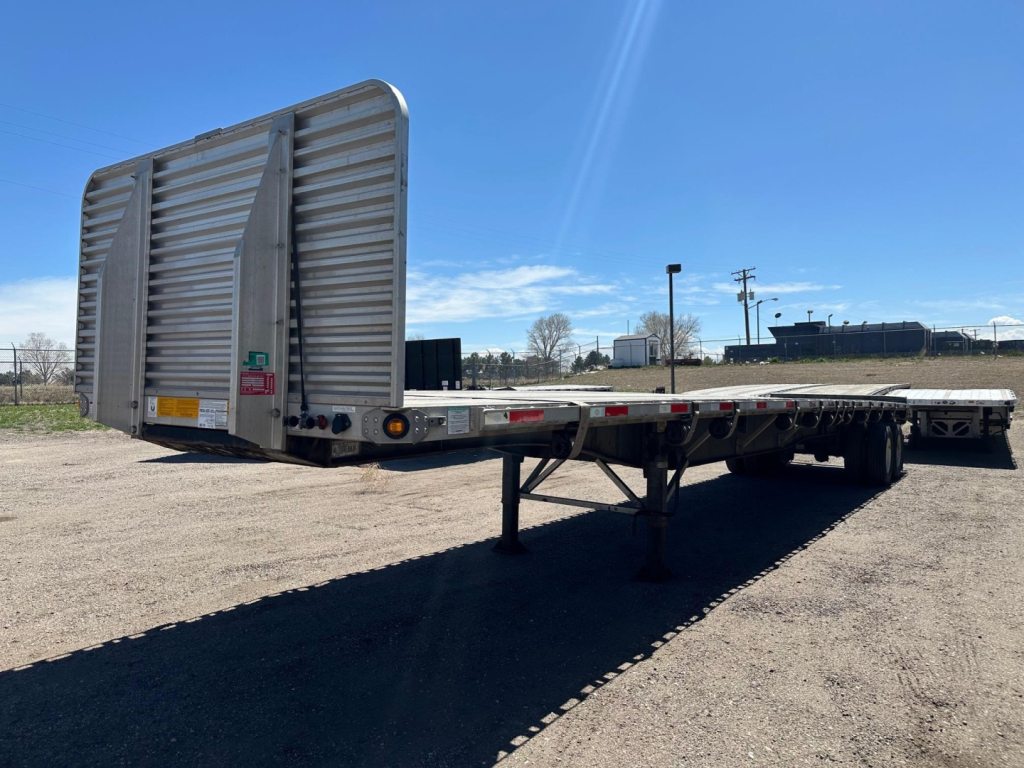
For 2020 flatbed trailers, the big questions are construction material, deck spec, and cargo securement layout. Combo flatbeds with steel main beams and aluminum components are common because they balance durability with tare weight. All-aluminum flatbeds appeal to weight-sensitive freight, but buyers should inspect beam condition, crossmember integrity, and prior repairs carefully. Useful specs in this category include 48-foot by 102-inch dimensions, stake pockets, pipe spools, sliding winches, coil package setups, bulkheads, and slider tandems or spread axle configurations. Tire inflation systems, air ride suspensions, and enclosed rear underride protection can add value for fleets focused on tire life, ride quality, and compliance.
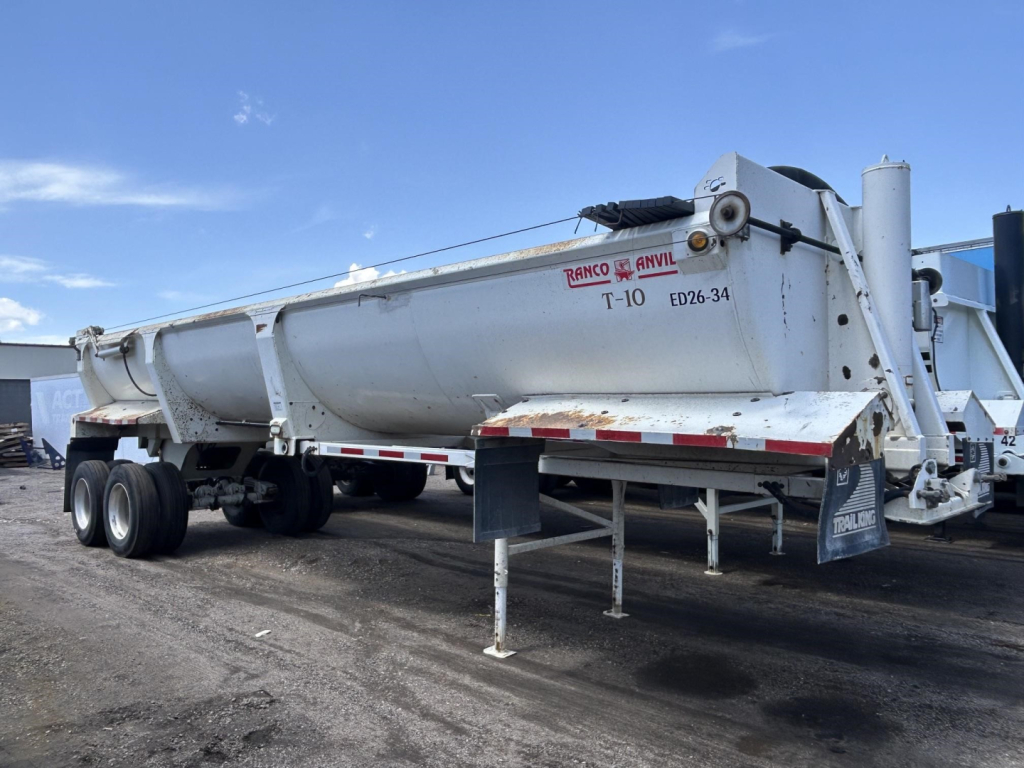
For 2020 dump trailers, body design matters as much as axle layout. Frameless steel end dumps are common in rock, demolition, and heavy material service because they maximize cubic capacity and payload potential, while bottom dumps are favored for road base, asphalt-related work, and controlled spread applications. Buyers should pay attention to tub shape, gate style, tarp system, liner condition, and evidence of hard use around hinge points, draft arms, landing gear supports, and rear frame sections. In Colorado, trailer spec often follows regional hauling patterns, so air ride versus spring ride, closed tandem versus spread, and tire size like 11R22.5 or 11R24.5 can all affect how well a trailer fits local routes and jobsite conditions.
A used 2020 trailer can be a strong value point because it is modern enough to include current spec preferences but old enough to offer a better acquisition cost than late-model equipment. The smartest comparisons focus on actual configuration rather than model year alone. Check GVWR, axle ratings, kingpin setting, wheel material, brake type, lining condition, lighting, and signs of alignment issues or uneven tire wear. If the trailer will haul dense freight, verify floor rating and concentrated load capability. If it will stay in construction service, inspect gate operation, tarp function, and suspension condition under load. The best 2020 trailers are the ones with a spec that matches the work, not just a clean appearance.
Frequently Asked Questions about Used 2020 Trailers in Colorado
What should I look for first when buying a used 2020 trailer?
Start with the trailer’s actual job fit. Confirm the trailer type, axle configuration, suspension, deck or body construction, and weight rating match the freight or material you plan to haul. After that, inspect structural areas closely, including frame rails, crossmembers, floor, suspension hangers, kingpin area, and any hoist or gate components on dump trailers. Tire wear, brake condition, and evidence of prior repairs will often tell you more about long-term value than the model year alone.
Are 2020 flatbed trailers still a good value in today’s used market?
Yes, 2020 flatbed trailers often sit in a strong value range because they are modern enough to include features many buyers want, such as sliding winches, coil packages, air ride, and tire inflation systems, but they usually cost less than newer late-model units. The key is confirming that the trailer’s tare weight, deck condition, and securement setup fit your freight profile. A well-maintained 2020 combo or aluminum flatbed can still be productive for general freight, steel, machinery, and building materials.
What is the difference between a used end dump and a used bottom dump trailer?
An end dump trailer unloads by raising the body and discharging material out the rear, which makes it common for demolition, rock, dirt, and bulk material jobs that require a full dump. A bottom dump trailer releases material through gates underneath the trailer, which allows a controlled spread and makes it popular in paving support, road base, and aggregate distribution. The better choice depends on the material, dump site conditions, stability needs, and whether you need precise placement while moving.
Does a used trailer from Colorado offer any regional advantage?
Colorado trailers may show less corrosion than equipment from wetter or heavily salted regions, which can be a real advantage on frames, wiring, air systems, and fasteners. That said, regional use also matters. Construction and aggregate service can be hard on floors, suspensions, tubs, and rear structures, and high-altitude operation does not reduce normal wear on brakes, tires, or running gear. Buyers should evaluate condition based on service history and inspection findings, not geography alone.
Which specs matter most on a used 2020 trailer listing?
The most important specs are usually trailer type, length and width, axle spread or tandem position, suspension type, construction materials, tire size, wheel type, and cargo-specific features. On flatbeds, look for deck type, stake pockets, winch track, coil package, and bulkhead. On dump trailers, focus on body style, tarp system, gate configuration, liner, and suspension. GVWR, axle ratings, kingpin setting, and overall empty weight are critical because they directly affect payload, legal compliance, and how the trailer works with your tractor.