
Used 2020 Fontaine Trailers For Sale in Colorado
Browse used 2020 Fontaine trailers for sale, including flatbed, drop deck, and lowboy models built for freight, machinery, and specialized hauling.
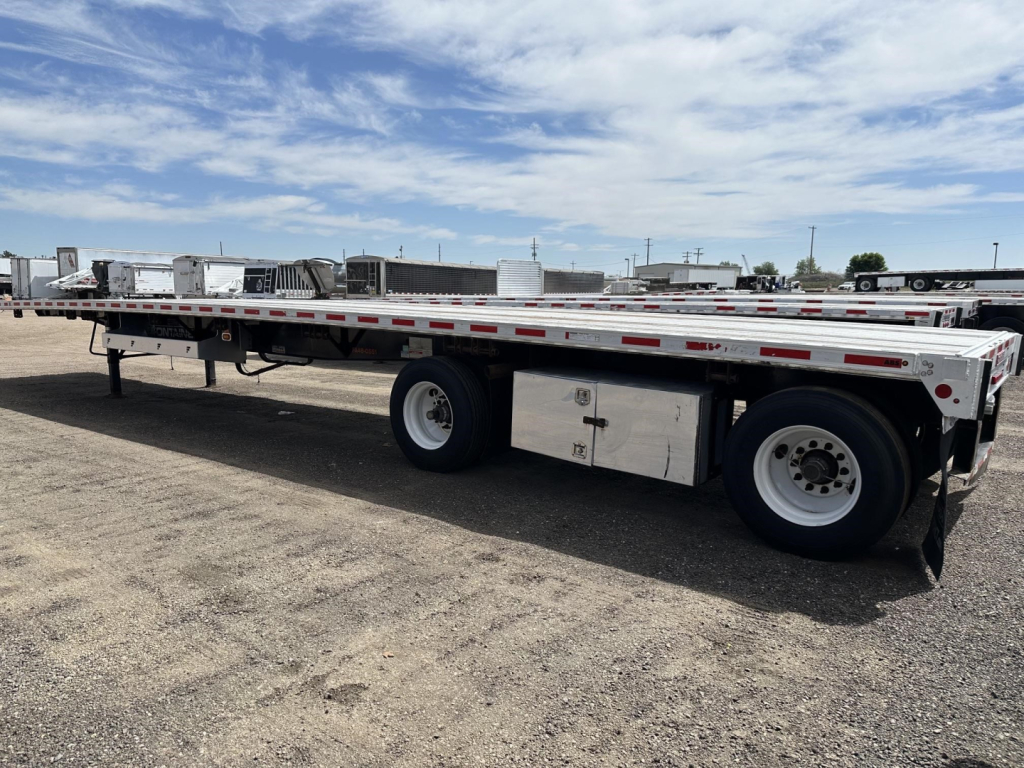
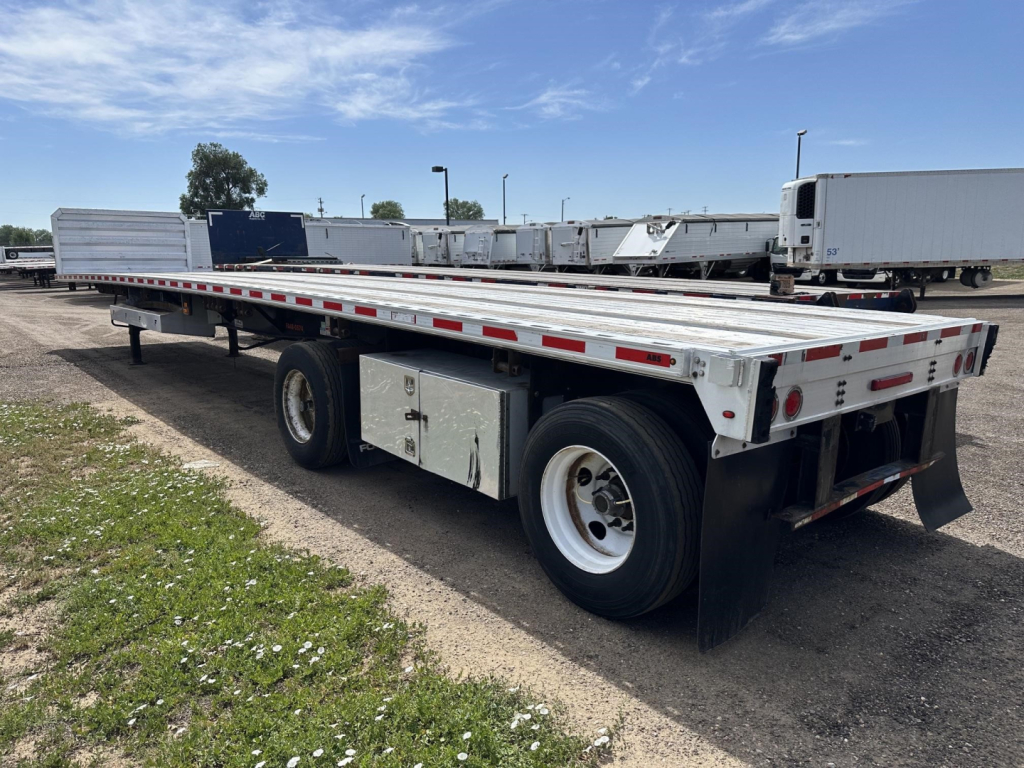
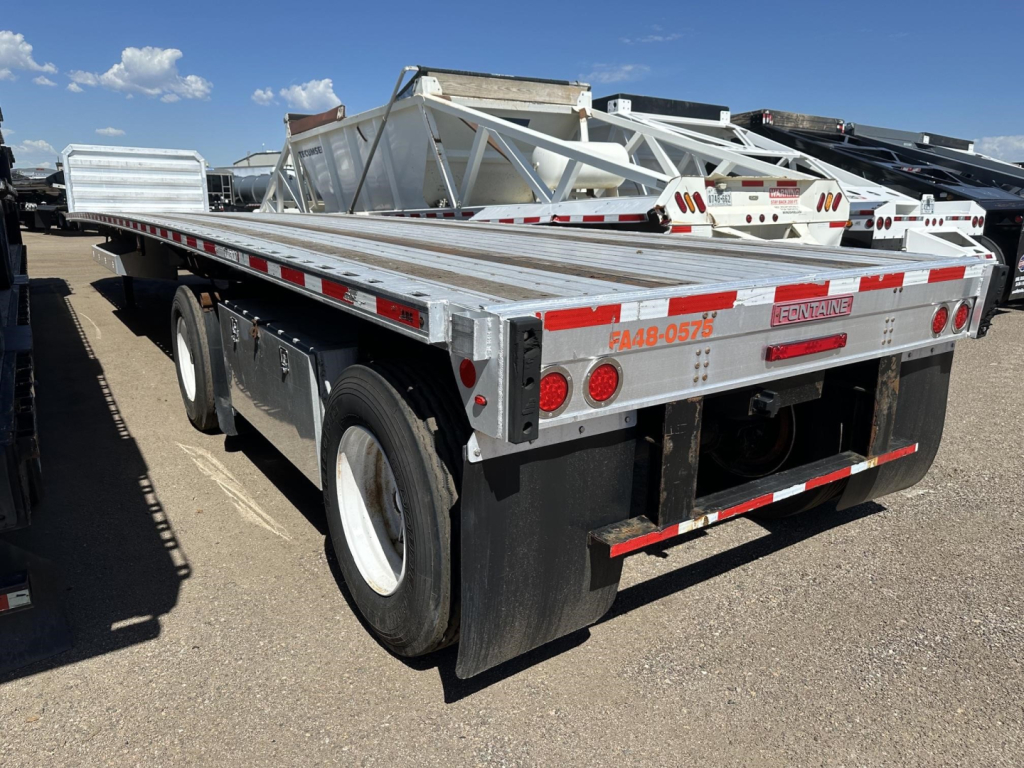
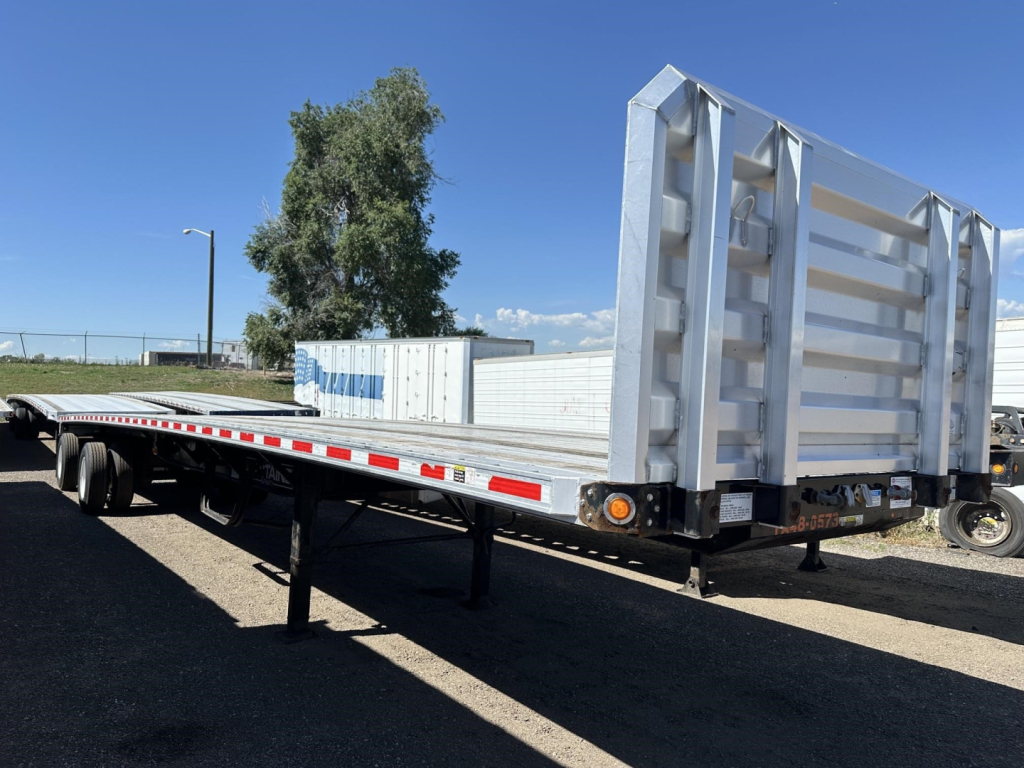
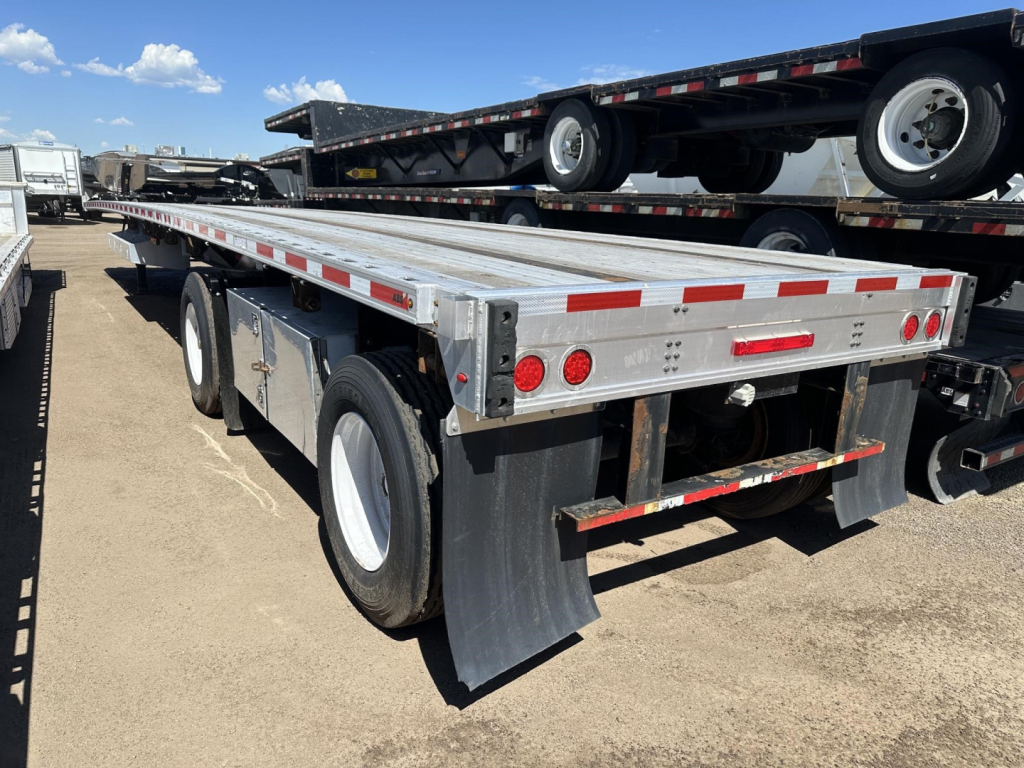
Selling a used 2020 fontaine trailer? List your used 2020 fontaine trailer for sale and reach thousands of commercial buyers.
Used 2020 Fontaine Trailers in Colorado
For flatbed and drop deck applications, common Fontaine configurations include 48-foot and 53-foot lengths, 102-inch width, steel main beams, combo construction with aluminum deck and rails, and features like stake pockets, sliding winches, pipe spools, coil packages, and nail strips. Combo trailers can reduce tare weight without giving up the beam strength many fleets want, while all-steel models may suit harsher duty cycles and operations where repairs are frequent. On used 2020 trailers, inspect crossmember condition, deck wear, winch track integrity, scuffing around securement points, and any signs of concentrated loading near coil wells or axle groups. Suspension type also matters. Air ride can improve cargo protection and driver acceptance, while spring ride may keep acquisition and maintenance costs lower.
If the 2020 Fontaine trailer is a lowboy or detachable gooseneck, the key buying points shift to capacity, well length, neck design, hydraulic system condition, and axle configuration. A 55-ton class setup, removable gooseneck, outriggers, boom troughs, flip ramps, and rear lift axle equipment can make a major difference in equipment-hauling flexibility. Buyers should verify deck dimensions, loaded deck height, ground clearance, ride height adjustment, and how the trailer is configured for the machines they move most often. In Colorado, bridge law, mountain grades, and jobsite access all make axle spacing, tire condition, brake performance, and frame condition especially important.
A used 2020 Fontaine trailer is often judged by how ready it is to work on day one. Look closely at brake components, air system leaks, tire wear patterns, wheel-end service history, kingpin wear, frame repairs, and corrosion around steel-to-aluminum transition areas on combo trailers. Check that VIN tags, rating information, and any specialized equipment are intact and legible. The best match is not just the cleanest trailer. It is the one with the right deck, axle spread, securement package, and tare weight for your freight mix and permit requirements.
Frequently Asked Questions about Used 2020 Fontaine Trailers in Colorado
What types of used 2020 Fontaine trailers are most common?
The most common used 2020 Fontaine trailers are flatbeds, drop decks, step decks, and lowboys. Flatbeds are widely used for palletized freight, steel, lumber, and general construction materials. Drop decks add lower deck height for taller freight. Lowboys are built for heavier machinery and equipment that need a removable gooseneck, lower well height, and higher capacity axle group.
What should I inspect first on a used 2020 Fontaine flatbed or drop deck?
Start with the frame, deck, suspension, brakes, and securement hardware. Check the main beams for cracks, rust scaling, or repairs. Inspect the deck for rot, broken boards, soft spots, or damaged aluminum sections. Look at sliding winches, stake pockets, pipe spools, and coil package components for wear or distortion. Uneven tire wear, loose suspension parts, and air leaks can point to alignment or maintenance issues that affect operating cost.
Are Fontaine combo trailers a good choice for weight-sensitive freight?
Yes. Fontaine combo trailers are popular when payload matters because they typically use steel main beams with aluminum deck and rail components to reduce tare weight. That setup can help maximize legal payload while retaining good structural strength in key load-bearing areas. Buyers should still inspect steel-to-aluminum connection points closely, because these areas can show wear, corrosion, or fatigue over time if the trailer has seen hard service.
How do I choose between a 48-foot and 53-foot Fontaine trailer?
The right length depends on freight profile, state regulations, and loading style. A 48-foot trailer is common for dense freight, steel products, and lanes where maneuverability matters. A 53-foot trailer gives more deck space and can be a strong fit for lighter but longer loads, including building materials and mixed freight. If you regularly haul overlength freight or operate in states with specific kingpin setting or bridge formula concerns, those dimensions should be confirmed before purchase.
What matters most on a used 2020 Fontaine lowboy?
Capacity, well length, neck function, hydraulic condition, and axle setup matter most on a lowboy. Buyers should confirm the trailer’s ton rating matches the actual equipment being hauled, not just occasional loads. Inspect the removable gooseneck locking area, hydraulic lines, cylinders, outriggers, ramp structure, and frame rails for wear or repairs. Also verify tire size, brake condition, and axle spacing, because those details affect permits, legal routing, and how the trailer performs under heavy concentrated loads.