
Used 2020 Fontaine Trailers For Sale
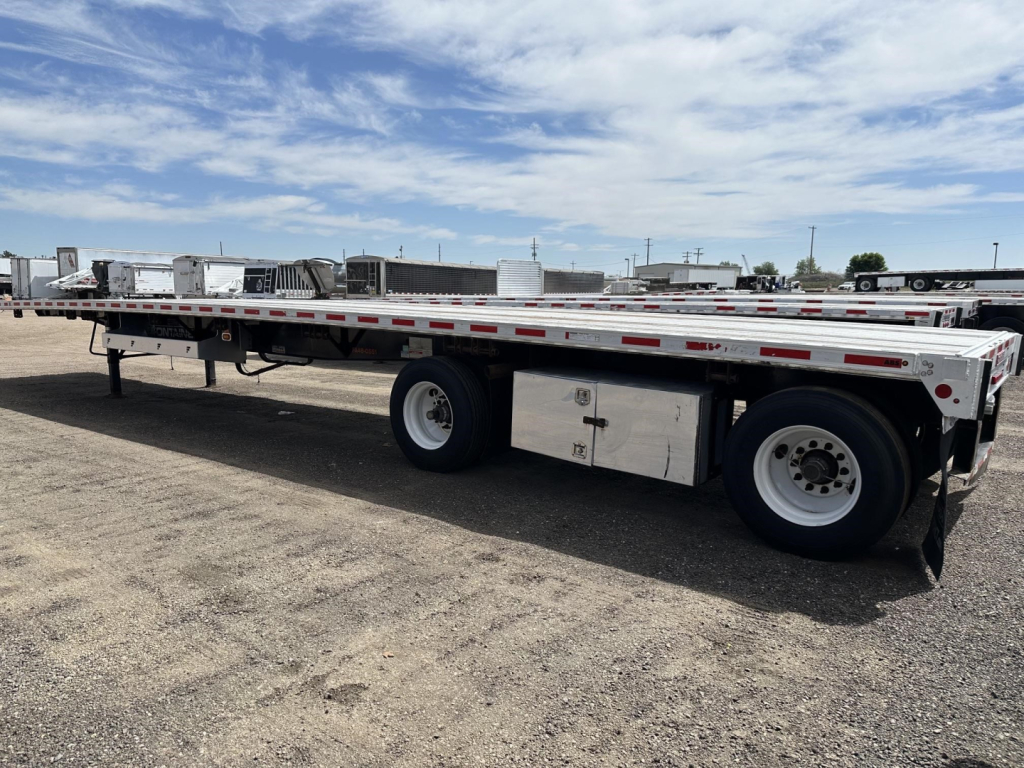
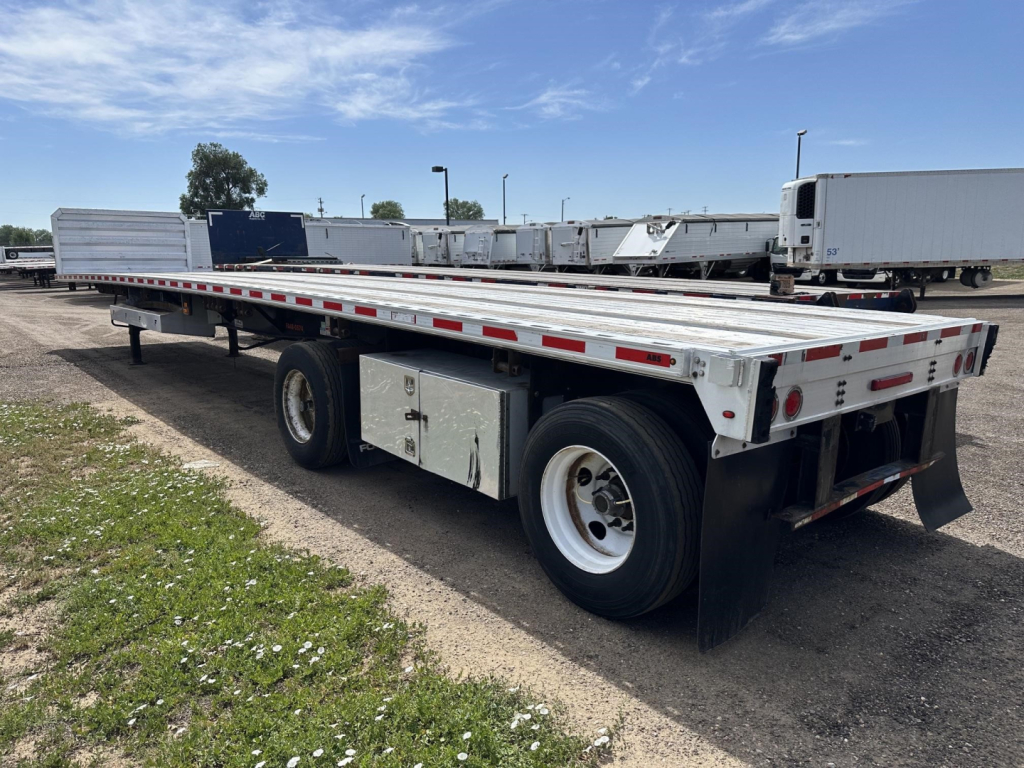
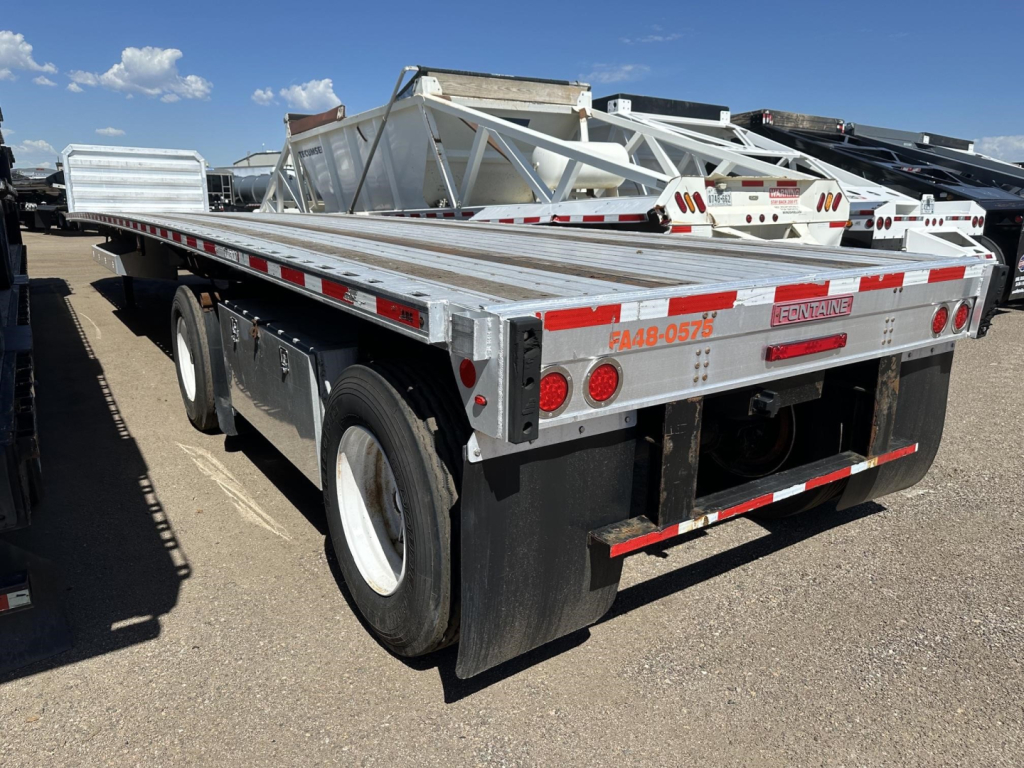
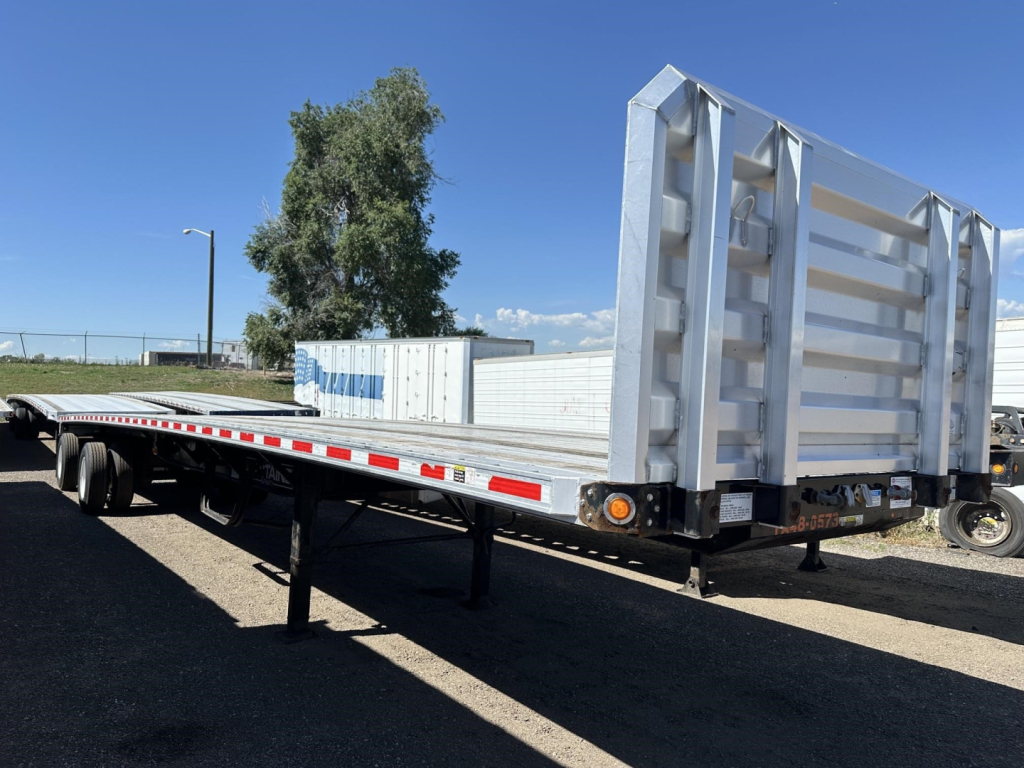
Shop used 2020 Fontaine trailers with specs that matter, including flatbed, lowboy, and specialized hauling configurations.
Selling a used 2020 fontaine trailer? List your used 2020 fontaine trailer for sale and reach thousands of commercial buyers.
Used 2020 Fontaine Trailers
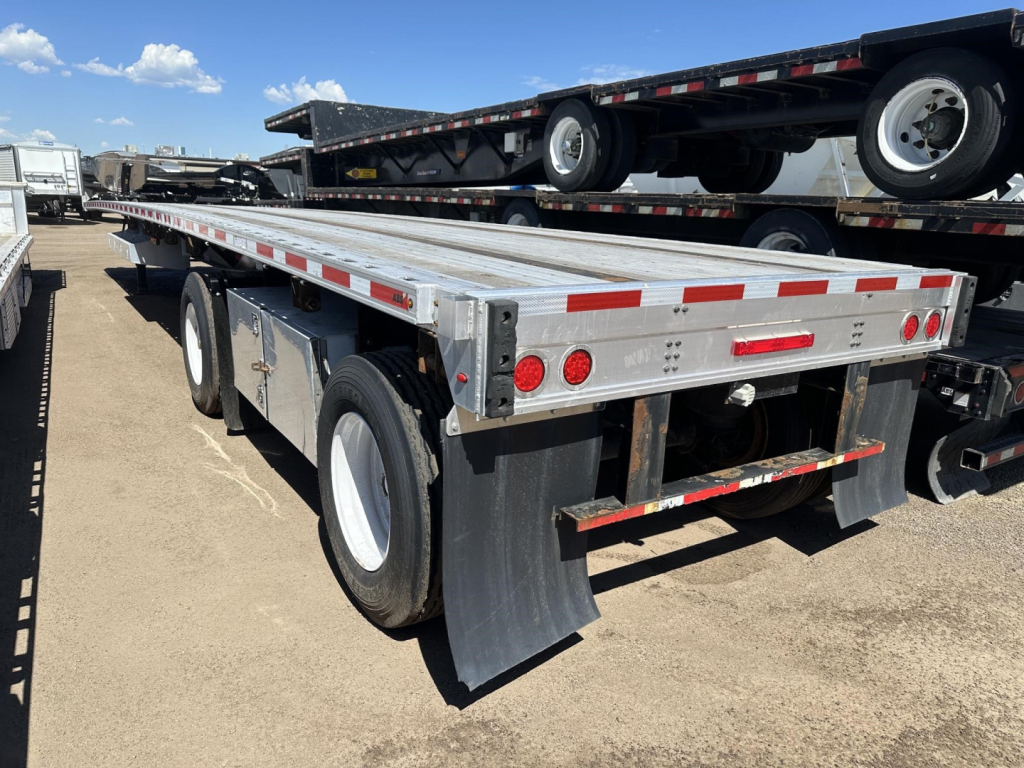
For flatbed and extendable trailer buyers, the decision usually starts with deck length, weight, and how the trailer is expected to load in the real world. Common specs in this class include 48-foot and 53-foot decks, 102-inch width, aluminum, steel, or combo construction, and either air ride or spring ride suspension. Extendable Fontaine trailers are often chosen for steel, pipe, structural components, and machinery that cannot fit on a standard deck. Important details include extension range, locking increments, floor type such as Apitong, winch track layout, sliding winches, crossmember spacing, and kingpin setting. A lighter combo or aluminum trailer helps maximize payload, while a steel trailer may make more sense in severe-duty environments where impact resistance and long-term repairability matter.
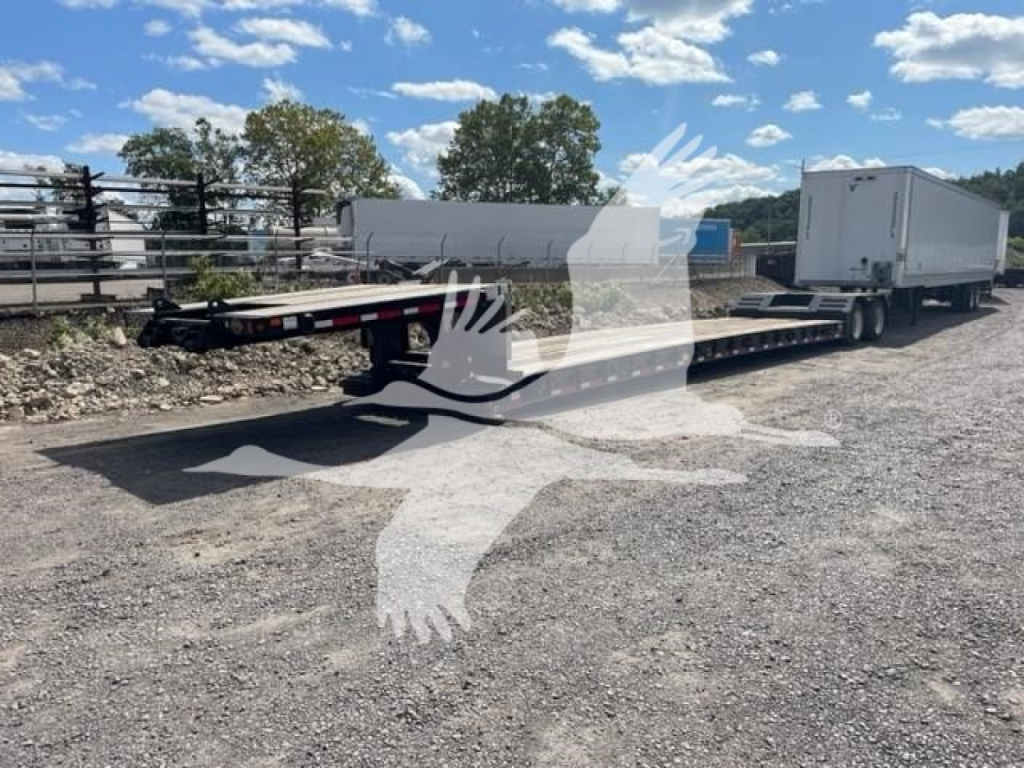
For lowboy and detachable configurations, buyers should pay close attention to rated capacity, loaded deck height, deck length, neck style, axle count, and compatibility with the tractors in the fleet. Fontaine mechanical detach and other heavy-haul models are commonly used for construction equipment, paving machines, agricultural equipment, and other taller or heavier loads that require easier loading angles and lower deck height. Suspension brand, axle spacing, tire size, brake condition, and fifth wheel compatibility all matter, especially on used trailers that may have spent time in severe service. On any 2020 trailer, inspect frame rails, crossmembers, neck area, suspension hangers, landing gear, floor condition, tire wear pattern, and signs of concentrated stress around tie-down points or extension mechanisms.
A used 2020 Fontaine trailer is usually best judged by how closely its spec matches the freight lane. A spread axle flatbed can improve load distribution and help with certain load profiles, while a sliding tandem may offer better maneuverability and bridge compliance flexibility. Features such as rub rails, chain ties, D-rings, bulkheads, side boxes, scuff protection, and LED lighting affect day-to-day usability more than many buyers expect. If the trailer will run regional construction, deck durability and tie-down layout may matter most. If it will stay in open-deck freight, tare weight, suspension condition, and overall deck versatility usually carry more value. The right 2020 Fontaine trailer is the one with a spec sheet that fits the freight, not just the one with the newest paint or lowest asking price.
Frequently Asked Questions about Used 2020 Fontaine Trailers
What types of 2020 Fontaine trailers are most common on the used market?
The most common 2020 Fontaine trailers on the used market are flatbeds, extendable flatbeds, lowboys, and detachable lowboys. Fontaine has a strong reputation in open-deck and specialized hauling, so buyers will often find configurations built for general flatbed freight, overlength material, and heavy equipment transport. The exact mix varies by region, but flatbeds and specialty lowboy equipment are the core categories most buyers search first.
What should I inspect first on a used 2020 Fontaine flatbed trailer?
Start with the structural items that determine serviceability and repair cost. Check the main beams, crossmembers, floor condition, side rails, rub rail, winch track, landing gear, and suspension mounts. Look closely for cracked welds, bent sections, corrosion around fasteners, and uneven tire wear that may point to alignment or axle issues. On extendable models, inspect the extension channels, locking pins, and wear surfaces carefully because those areas directly affect safe operation and long-term durability.
Is a combo, aluminum, or steel Fontaine trailer better?
The best material depends on the freight and operating environment. A combo or aluminum Fontaine trailer typically offers lower tare weight, which helps maximize payload for legal freight. A steel trailer usually gives up payload but can be attractive in severe-duty work where repeated loading impacts, jobsite use, and repair simplicity are bigger concerns. Buyers should match construction type to cargo, route conditions, and how much value they place on payload versus ruggedness.
Why does suspension type matter on a used 2020 Fontaine trailer?
Suspension type affects ride quality, cargo protection, maintenance needs, and how the trailer behaves under different loads. Air ride is common on many flatbed and lowboy applications because it helps protect freight and can improve ride characteristics. Spring ride may still appeal in certain applications for its simplicity and lower component cost. On a used trailer, the more important issue is overall suspension condition, including bushings, hangers, airbags if equipped, shocks, axle alignment, and tire wear history.
How do I choose the right 2020 Fontaine trailer spec for my operation?
Choose the spec by starting with the freight, not the trailer brand alone. For open-deck freight, focus on deck length, trailer weight, tie-down layout, axle configuration, and suspension. For heavy equipment hauling, look at rated capacity, deck height, neck style, and load angle. Also consider regional bridge laws, typical trailer-to-tractor pairing, and whether the freight calls for a fixed deck, spread axle, sliding tandem, or extendable platform. A trailer that closely matches the freight profile will usually perform better and hold value more consistently than a mismatched unit with extra features you do not need.