
Used 2020 Utility Trailers For Sale in Colorado
Browse used 2020 Utility trailers in Colorado, including dry van and reefer models with 53-foot specs, air ride, sliding tandems, and logistics-ready features.
Selling a used 2020 utility trailer? List your used 2020 utility trailer for sale and reach thousands of commercial buyers.
Used 2020 Utility Trailers in Colorado
For dry van buyers, key details usually include inside height, wall construction, floor condition, and logistics setup. Many Utility vans in this age range are 102 inches wide and 13 feet 6 inches tall, with features like wood floors, scuff liners or wearbands, composite or aluminum-lined interiors, and logistics posts for load securement flexibility. Sliding tandems, air ride suspension, side skirts, and tire inflation systems are also common and matter for both operating cost and dock-to-dock usability. A tall bottom rail design can be especially relevant if your operation sees repeated forklift traffic and higher sidewall abuse.
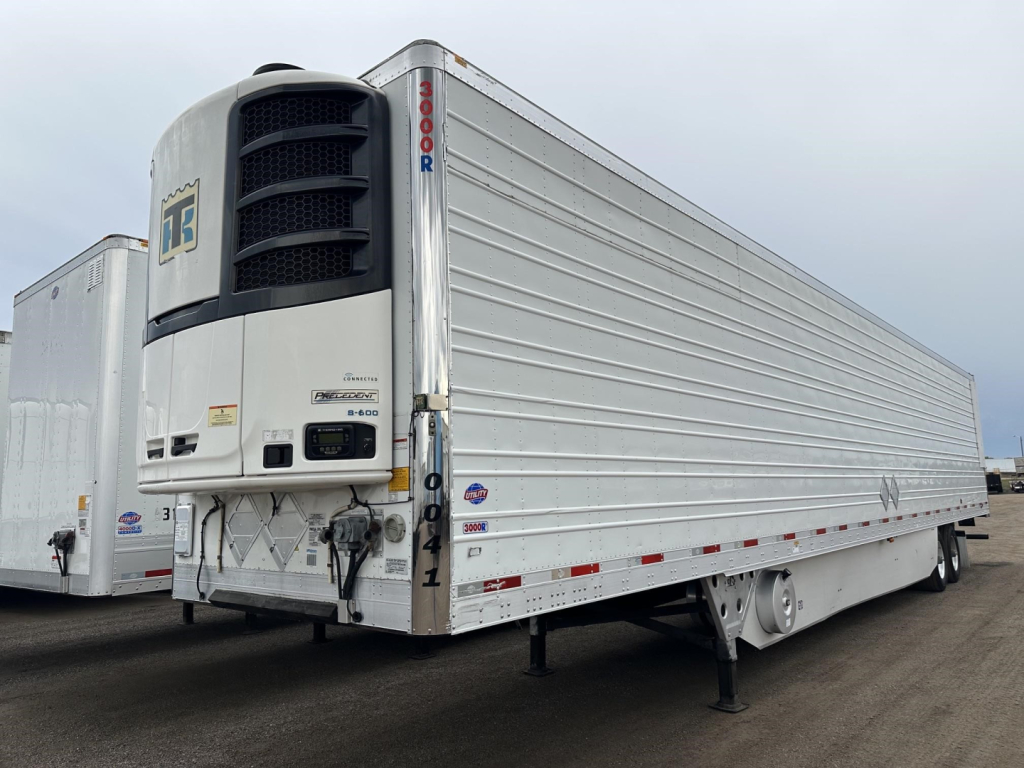
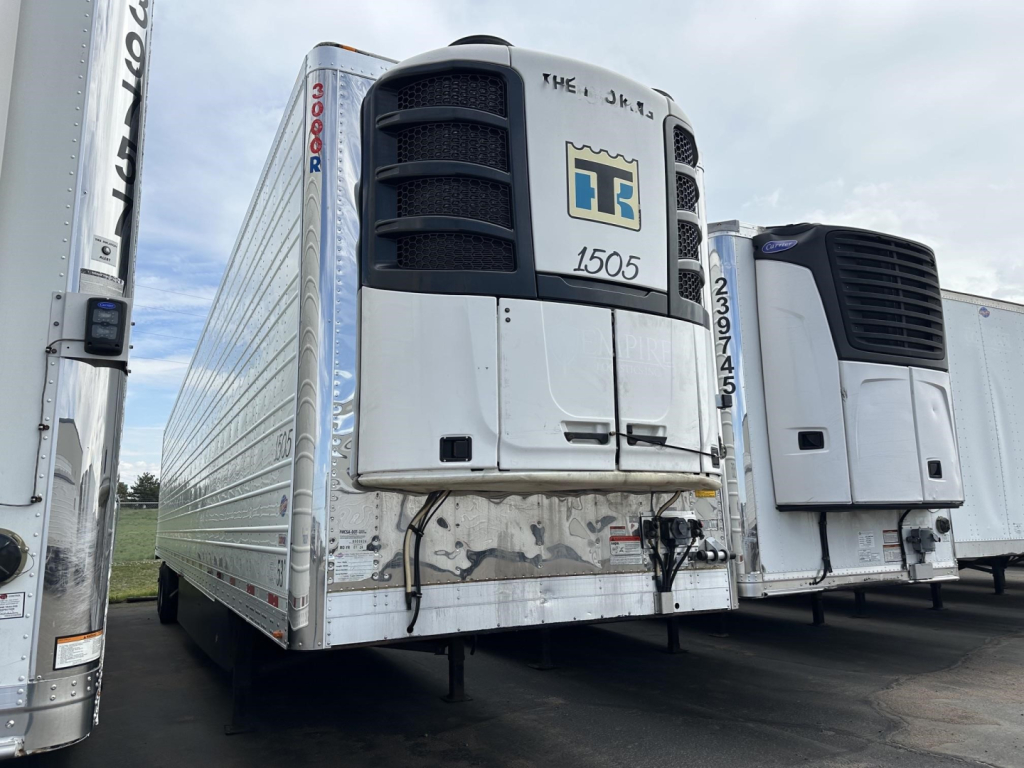
For reefer buyers, the trailer box is only part of the decision. Utility 3000R reefers from this period are commonly spec'd with aluminum duct floors, stainless front areas, swing doors, cold chutes, and air ride suspensions, but the refrigeration unit condition is what separates one trailer from another. Buyers should review unit brand, engine hours, maintenance records, evaporator and chute condition, floor wear, door seal condition, and any evidence of past body repairs. In Colorado, reefer buyers should also think about how the unit performs across elevation changes and wide seasonal temperature swings, especially if the trailer will run produce, dairy, frozen freight, or multi-stop distribution.
A used 2020 Utility trailer can make sense for fleets trying to balance acquisition cost with modern spec expectations. Disc brakes, low-profile 22.5 tires, aerodynamic side skirts, anti-dock-walk features, and air pin sliders are all features that can improve driver acceptance and day-to-day efficiency. The right choice depends on freight type, trailer weight targets, dock environment, and maintenance discipline. Buyers comparing listings should look past model year alone and focus on suspension type, tandem configuration, brake spec, floor and lining condition, and, for reefers, the full health of the refrigeration system and trailer insulation package.
Frequently Asked Questions about Used 2020 Utility Trailers in Colorado
What are the most common 2020 Utility trailer models on the used market?
The most common 2020 Utility trailers on the used market are typically the 4000D-X dry van and the 3000R reefer. The 4000D-X is built for general freight and high-cube palletized loads, while the 3000R is designed for temperature-controlled service. Both are commonly found in 53-foot by 102-inch configurations with fleet specs such as air ride suspension, sliding tandems, swing doors, and aerodynamic components.
What should I inspect first on a used 2020 Utility reefer trailer?
Start with the refrigeration unit hours, service history, and operating performance under load. Then inspect the duct floor, chute, interior liner, rear door seals, front wall, and any stainless or aluminum areas for repair history or impact damage. Reefer buyers should also verify insulation integrity, suspension condition, brake type, and tandem slider operation because trailer box condition and reefer unit condition both affect long-term operating cost.
Are used 2020 Utility dry vans a good choice for fleet freight service?
Yes, many buyers target 2020 Utility dry vans because they are modern enough to include current fleet features without the price of newer equipment. Utility dry vans are widely used in linehaul, dedicated contract freight, and regional distribution. Features such as logistics posts, wood floors, wearbands, side skirts, tire inflation systems, and air ride suspension make them practical for high-cycle loading and unloading operations.
Why does tandem configuration matter on a used Utility trailer?
Tandem configuration affects bridge law compliance, axle weight distribution, loading flexibility, and maneuverability at docks. A sliding tandem is common on Utility trailers and gives more flexibility across different freight weights and customer locations. Buyers should confirm slider condition, air pin function, rail wear, and whether the trailer has a closed tandem or a wider adjustment range that better suits their lanes.
What matters most when buying a used 2020 Utility trailer in Colorado?
Colorado buyers should pay close attention to brake condition, tire condition, suspension wear, and any corrosion or damage related to mountain and winter operation. Reefer buyers should also consider how the unit performs in elevation changes and severe temperature swings. For both vans and reefers, it is smart to evaluate side skirts, door hardware, floor wear, and the trailer's overall structural condition if it has spent time in heavy regional distribution or rough yard environments.