
Used 2020 Utility Trailers For Sale
Shop used 2020 Utility trailers for sale, including dry vans, reefers, and flatbeds with specs buyers compare for freight, maintenance, and resale.
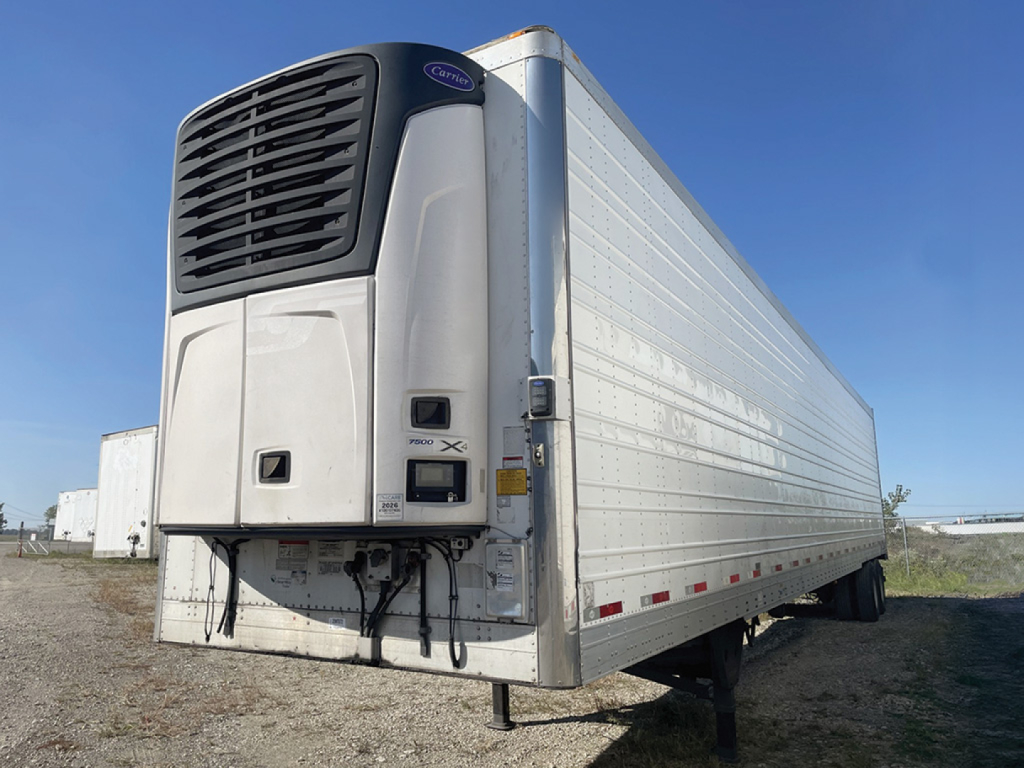
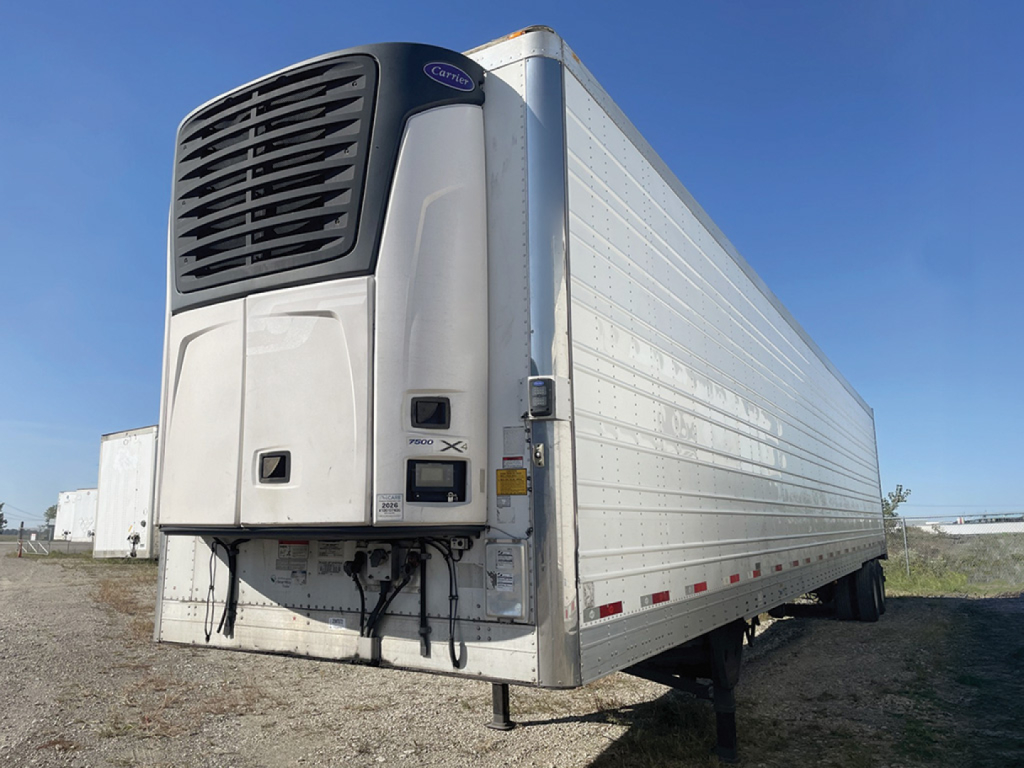
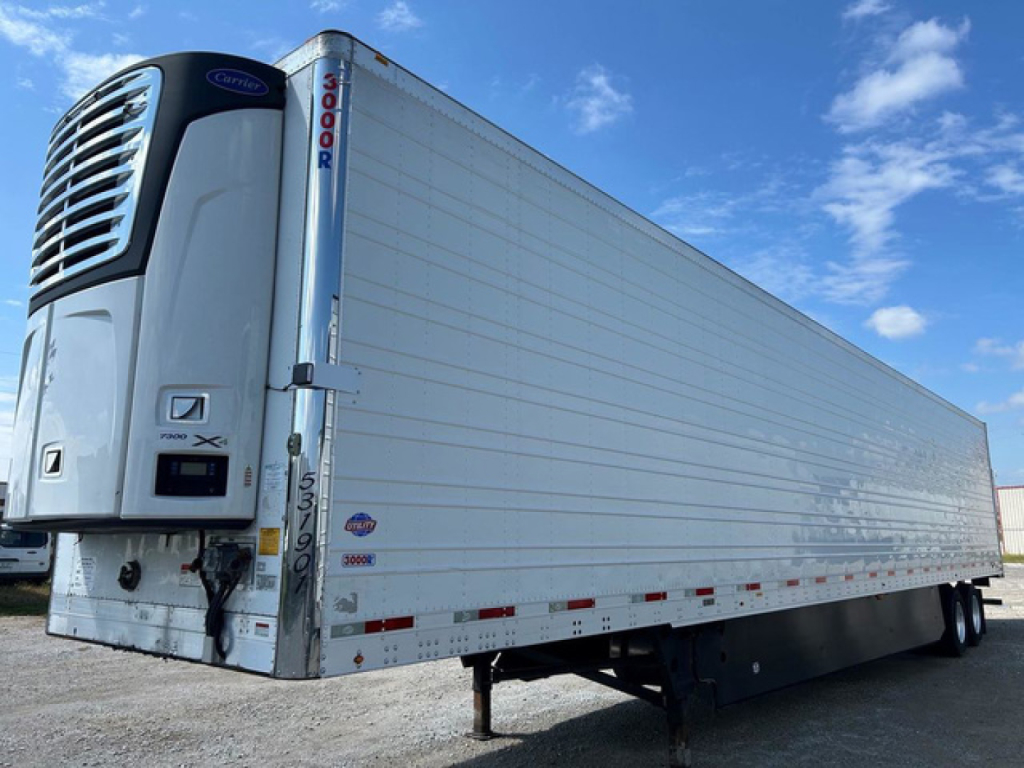
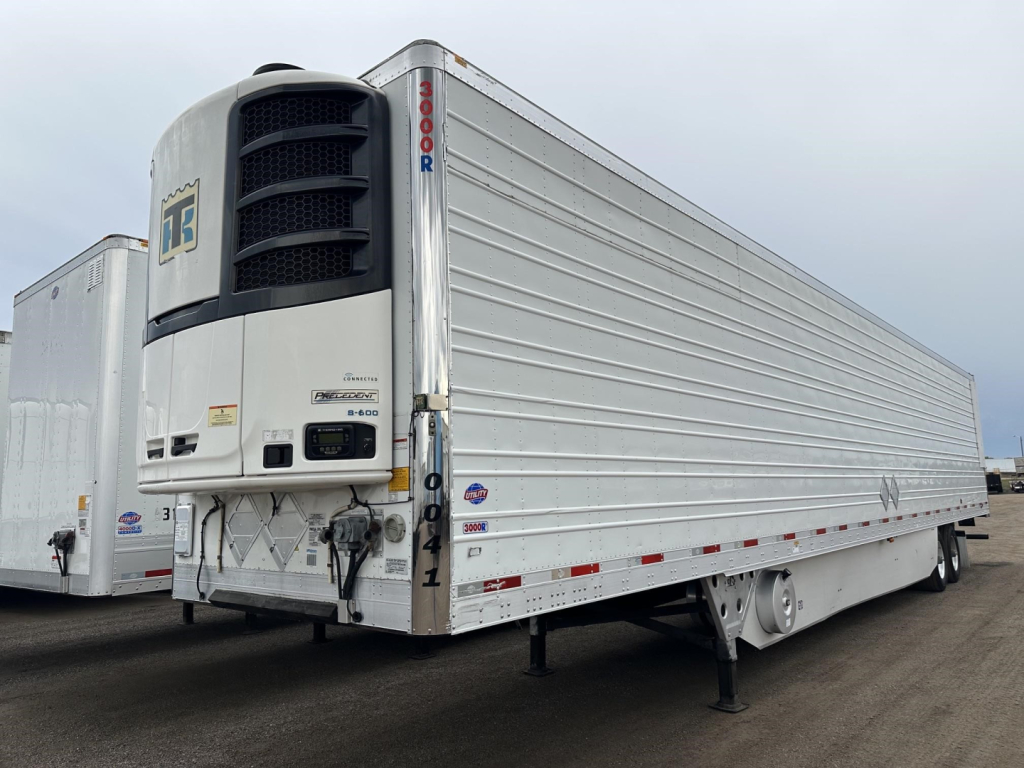

Selling a used 2020 utility trailer? List your used 2020 utility trailer for sale and reach thousands of commercial buyers.
Used 2020 Utility Trailers
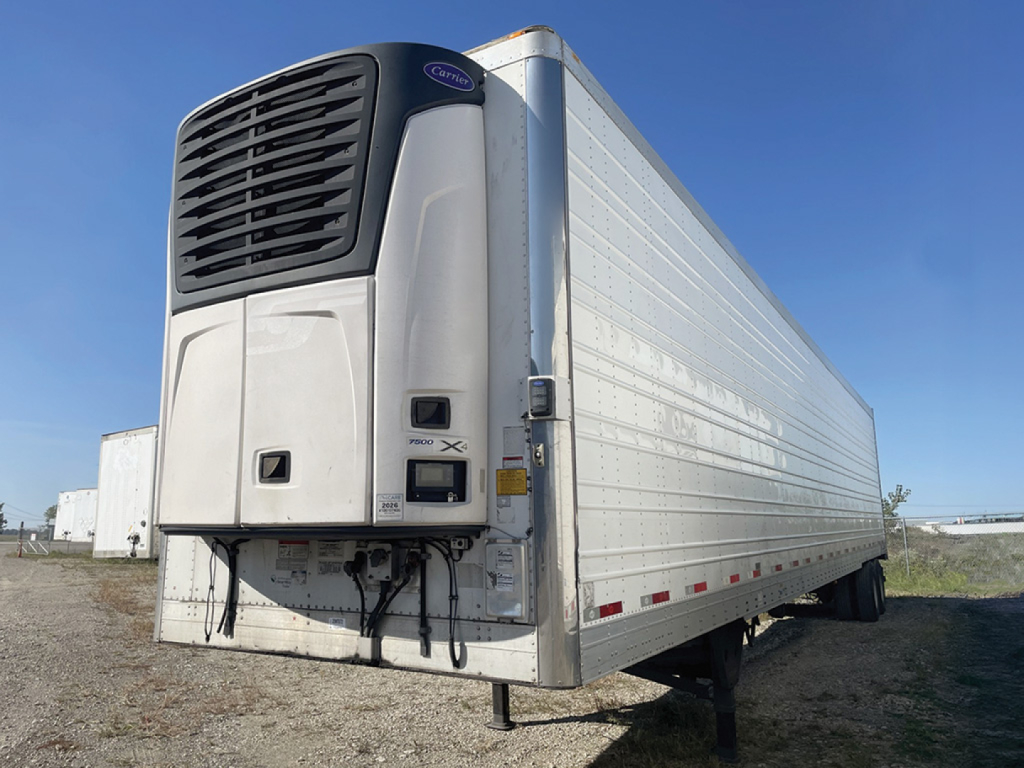
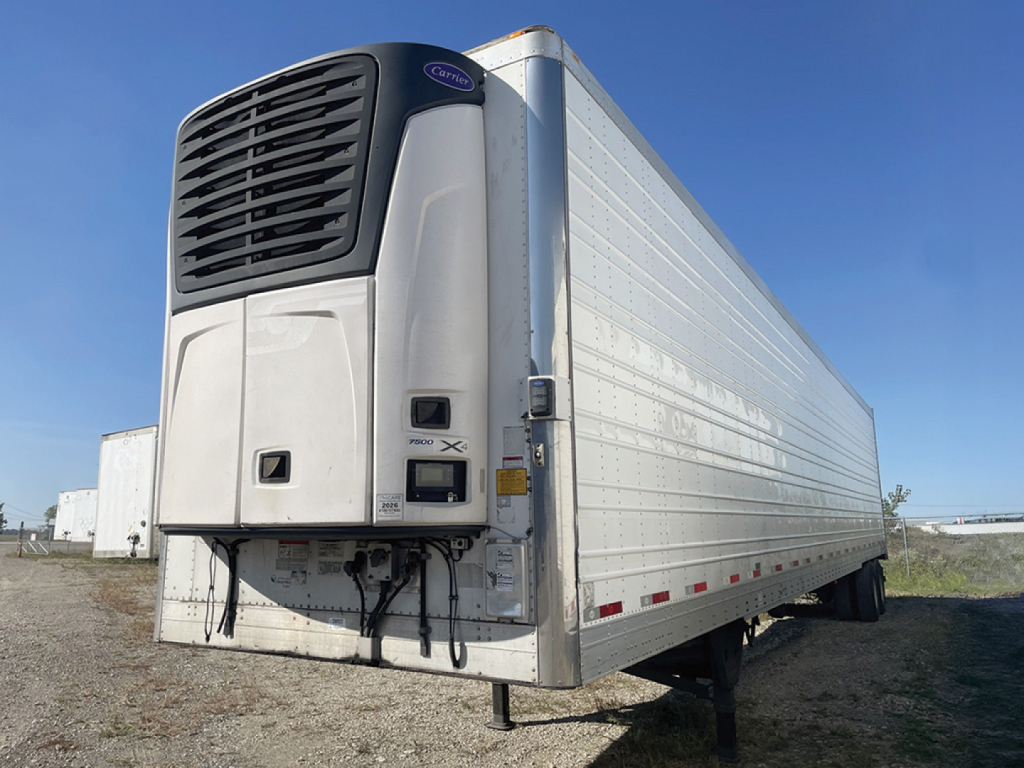
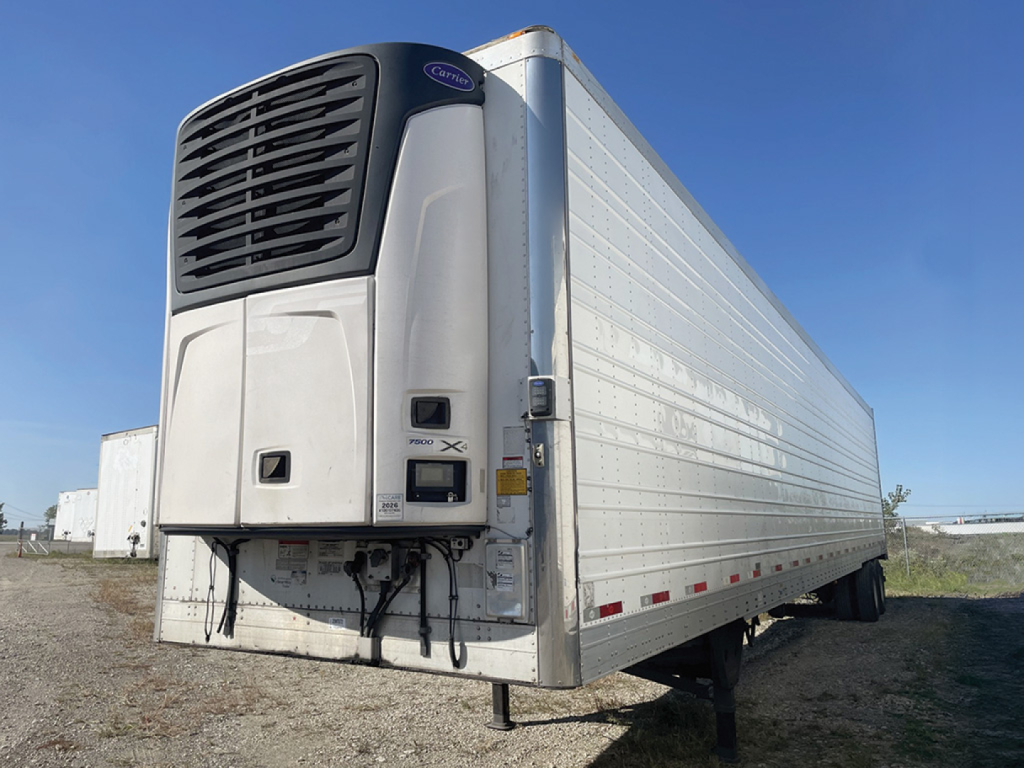
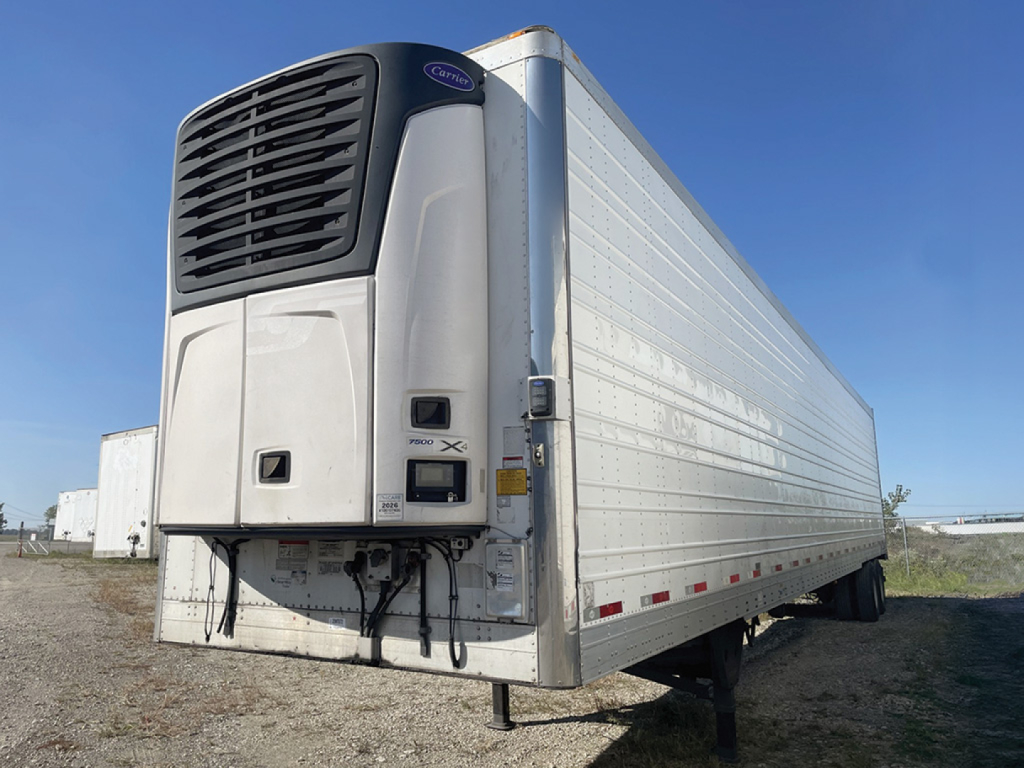
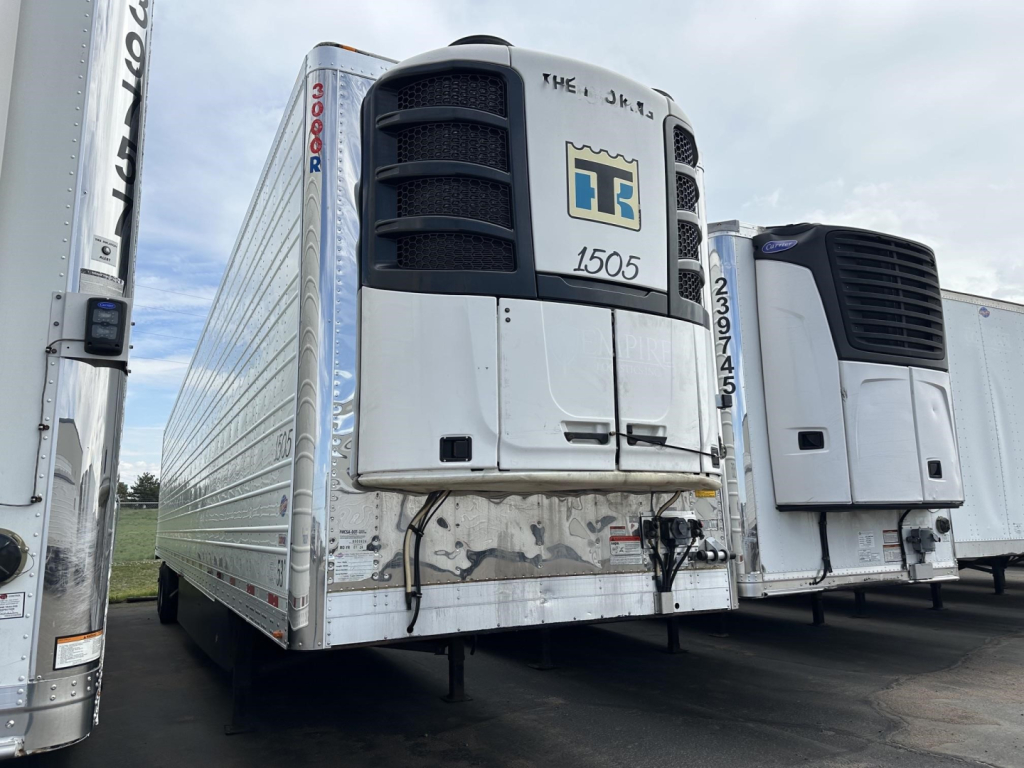
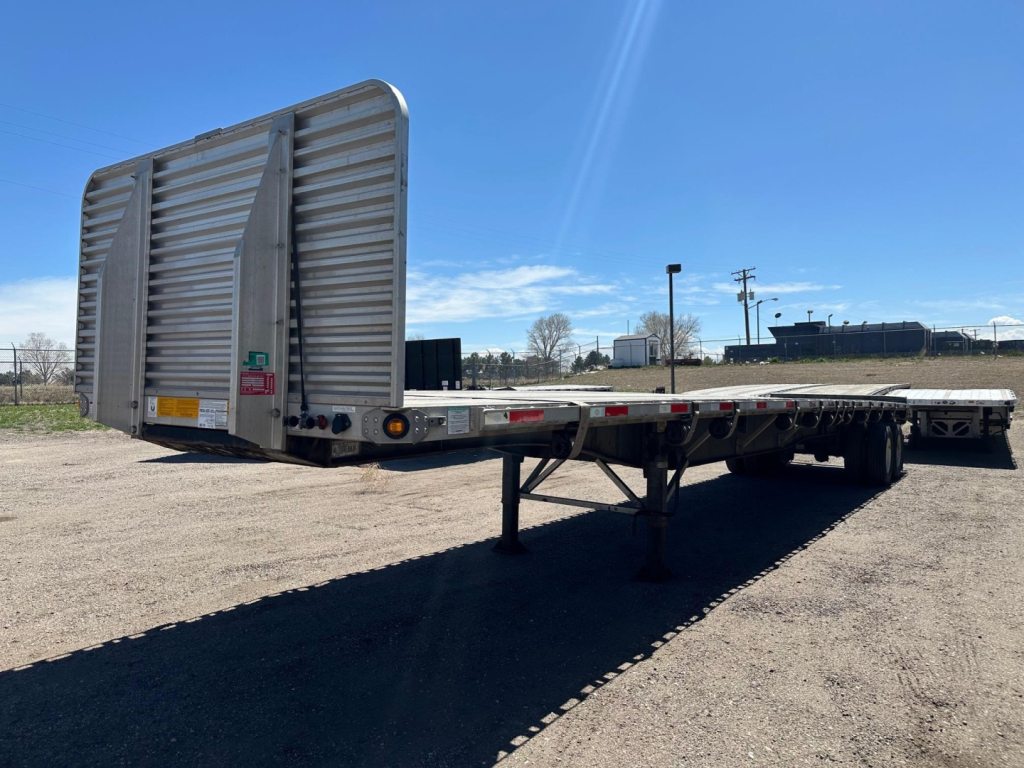
The first decision is usually trailer type. A 2020 Utility dry van, often in 53-foot by 102-inch configuration, is typically spec'd for general freight with aluminum roofs, wood floors, logistics posts, scuff liners, swing or roll-up doors, air ride suspension, and sliding tandems. Reefer models from the same year are commonly equipped with Carrier or Thermo King units, chute systems, lined interiors, and options like tire inflation systems, skirts, and aluminum wheels. Utility flatbeds from this era are often combo designs with steel main beams and aluminum deck components, plus equipment such as stake pockets, sliding winches, pipe spools, bulkheads, and coil packages. Buyers should match the trailer to freight first, then compare axle layout, suspension, brake type, and floor or deck condition.
On a used 2020 Utility trailer, condition matters more than badge alone. Dry van buyers should inspect the roof, front radius panels, rear frame, threshold plate, floor wear, sidewall repairs, and tandem slide function. Reefer buyers need to look closely at reefer engine hours, evaporator and condenser condition, fuel tank integrity, door seals, floor channel wear, and the maintenance history of the refrigeration unit. Flatbed buyers should focus on frame straightness, deck wear, crossmember condition, winch track damage, and signs of concentrated coil-haul stress. Across all trailer types, brake wear, tire age, wheel-end condition, ABS faults, and evidence of corrosion around suspension hangers and ICC structure can tell you a lot about remaining cost per mile.
A 2020 Utility trailer can also be a smart resale-minded purchase because the brand has strong market recognition and is familiar to many shops, drivers, and fleet maintenance departments. That matters when uptime is the priority. Buyers comparing listings should pay attention to spec details that directly affect operations, including air ride versus spring ride, drum versus disc brakes, low-profile 22.5 tires, PSI tire inflation systems, side skirts, door configuration, and kingpin setting if lane restrictions or weight distribution are part of the job. The best used 2020 Utility trailer is not simply the cleanest one. It is the one with the right body type, the right maintenance history, and a spec package that fits the freight you intend to haul.
Frequently Asked Questions about Used 2020 Utility Trailers
What types of used 2020 Utility trailers are most common on the market?
The most common used 2020 Utility trailers are 53-foot dry vans, refrigerated trailers, and combo flatbeds. Dry vans are typically used for general freight and are often spec'd with logistics posts, wood floors, swing doors, and sliding tandems. Utility reefers are popular in food and temperature-controlled freight and usually include Carrier or Thermo King units, insulated walls, and lined interiors. Utility flatbeds from 2020 are often combo construction with steel and aluminum components to balance strength and tare weight.
What should I inspect first on a used 2020 Utility dry van trailer?
Start with the floor, roof, rear frame, and tandem assembly. Floor repairs, soft spots, heavy forklift wear, and damage near the threshold plate can affect serviceability and safety. Roof damage and sidewall patches may point to prior impacts or water intrusion. The tandem slider should move freely and lock correctly, and the suspension, brakes, tires, and wheel ends should be checked for wear that can turn into immediate post-purchase expense.
How do I evaluate a used 2020 Utility reefer trailer?
The refrigeration unit is only part of the inspection. Buyers should review reefer unit hours, service records, startup behavior, return air performance, and any alarm history. The trailer body also matters, including door seal condition, floor channel wear, lining damage, fuel tank condition, and evidence of water intrusion or insulation problems. A reefer with a clean box but poor unit maintenance can become expensive quickly, so trailer condition and unit condition need to be judged together.
Are used 2020 Utility flatbeds a good choice for steel, machinery, or building materials?
They can be, provided the spec matches the freight. Many 2020 Utility flatbeds are equipped with features that suit steel and construction hauling, such as coil packages, winch tracks, sliding winches, stake pockets, and bulkheads. Combo construction helps reduce tare weight while keeping main beam strength where it is needed. Buyers hauling concentrated loads should inspect main beams, crossmembers, and deck condition carefully, because prior heavy-haul use can affect long-term durability.
Which specs on a used 2020 Utility trailer have the biggest impact on operating cost?
Brake type, suspension type, tire system, trailer weight, and aero equipment tend to have the biggest effect on cost over time. Disc brakes can improve stopping performance and reduce some maintenance intervals, while air ride suspension is often preferred for ride quality and freight protection. Tire inflation systems can help with tire life and fuel efficiency. On reefer and van trailers, side skirts and wheel choices may also influence fuel economy, while a lighter tare weight can improve payload flexibility.