
Used 2020 Utility Reefer Trailers For Sale
Browse used 2020 Utility reefer trailers for sale, including 53-foot 3000R models with Thermo King or Carrier units and fleet-ready specs.
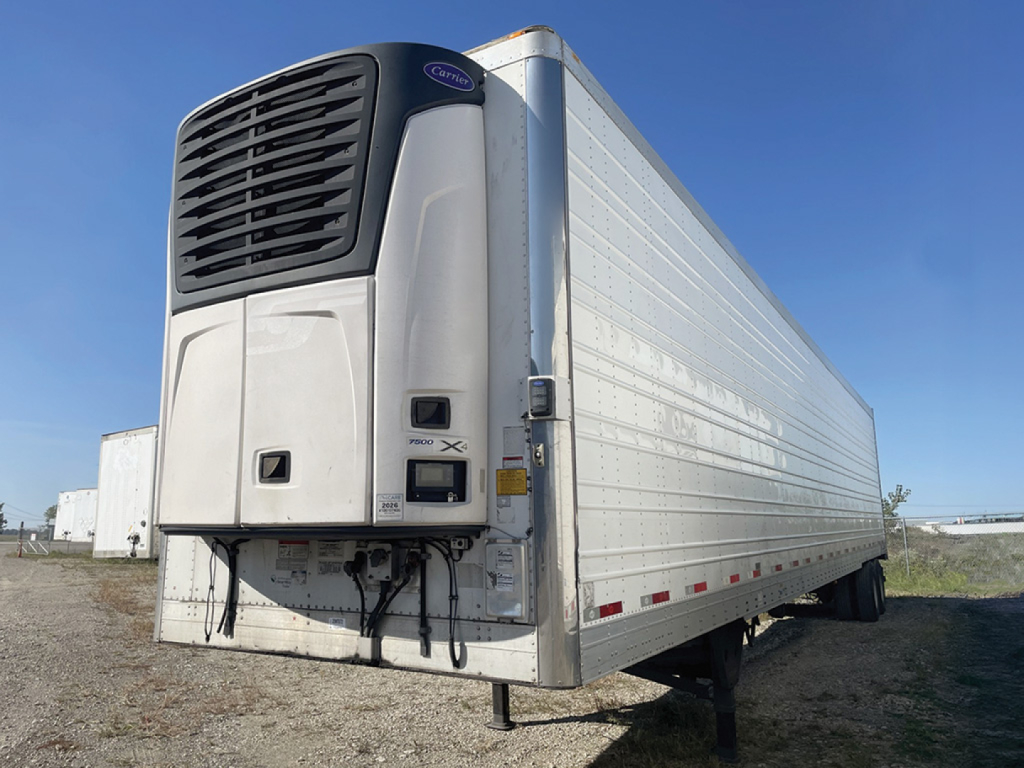
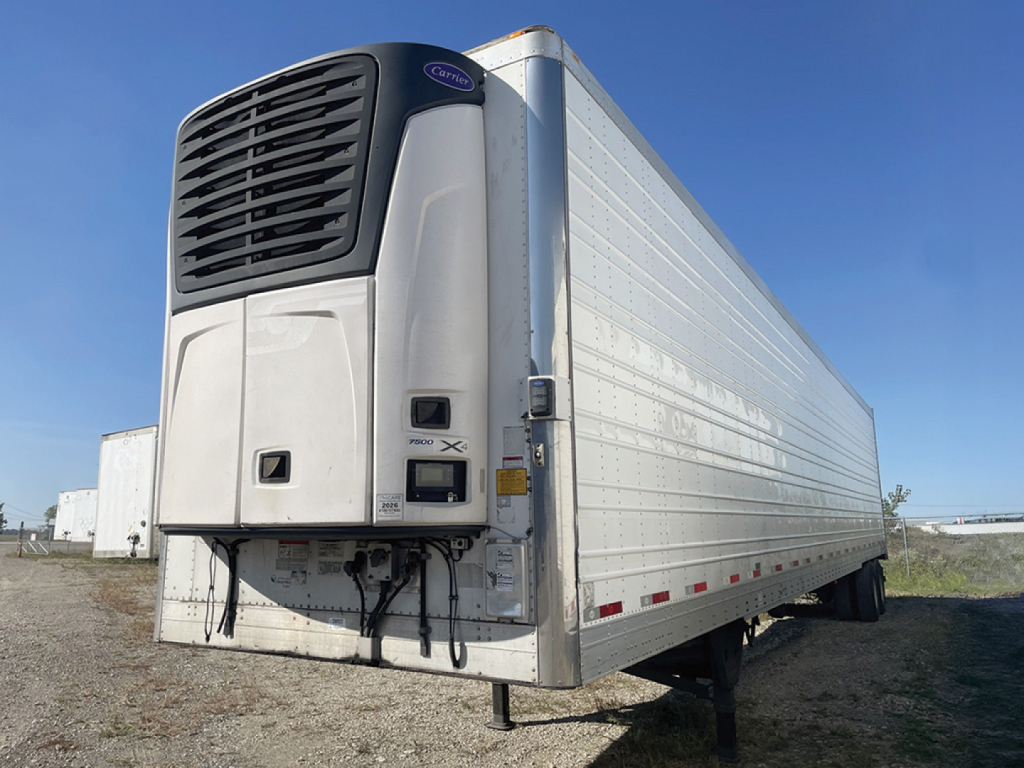
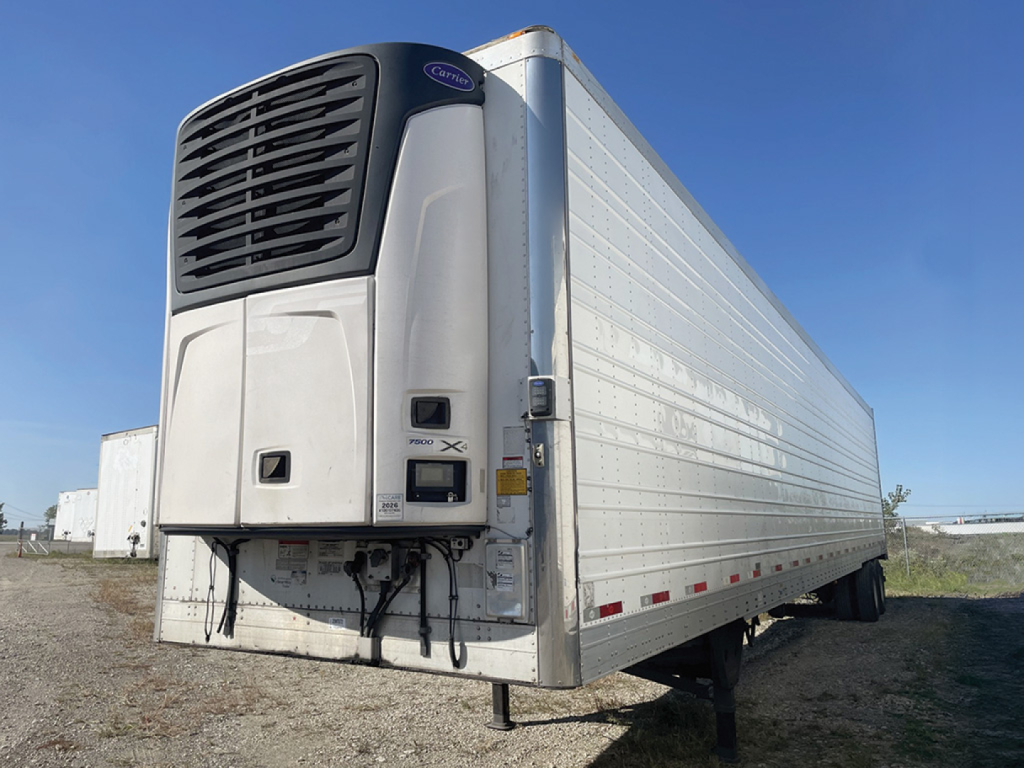
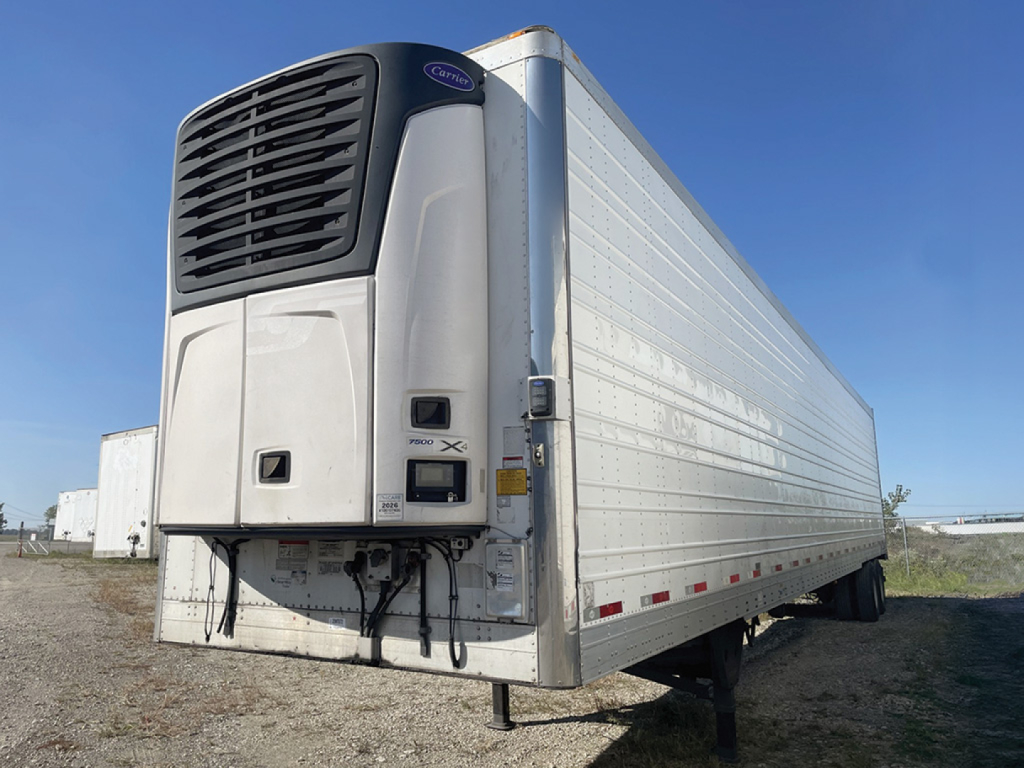

Selling a used 2020 utility reefer trailer? List your used 2020 utility reefer trailer for sale and reach thousands of commercial buyers.
Used 2020 Utility Reefer Trailers
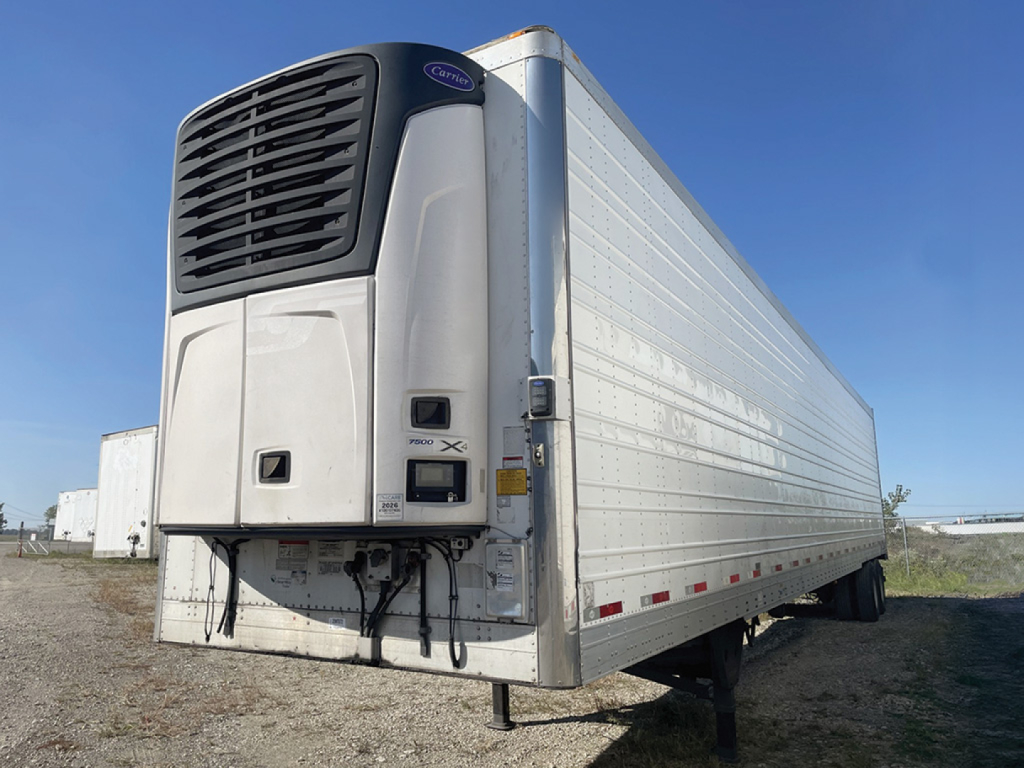
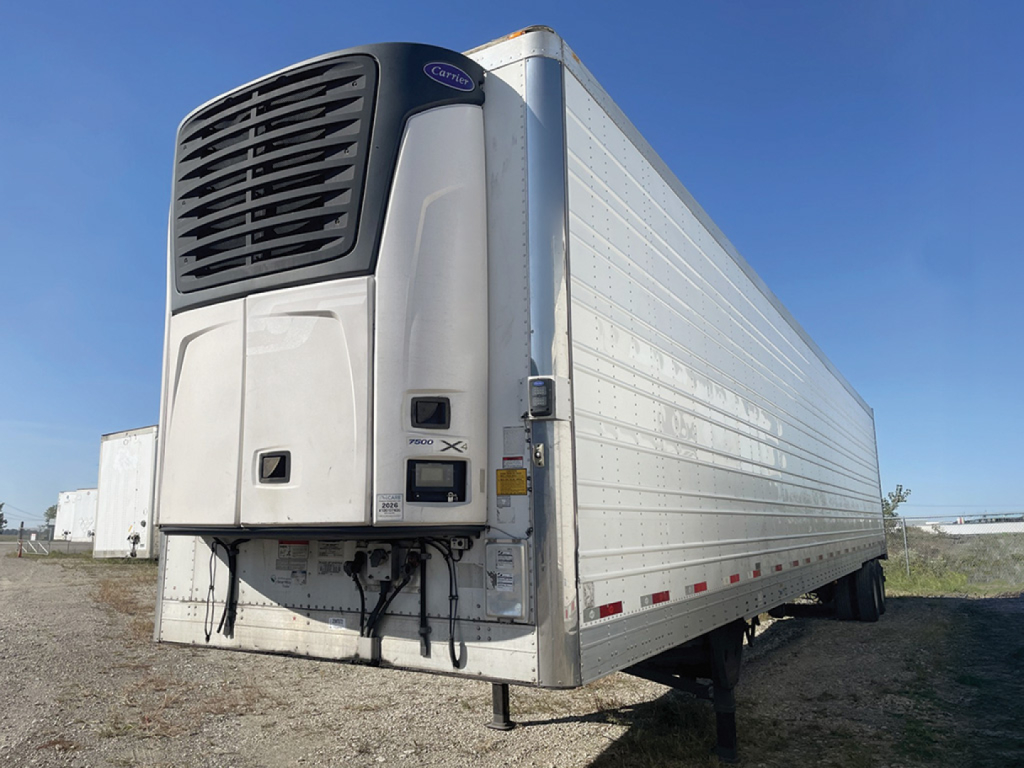
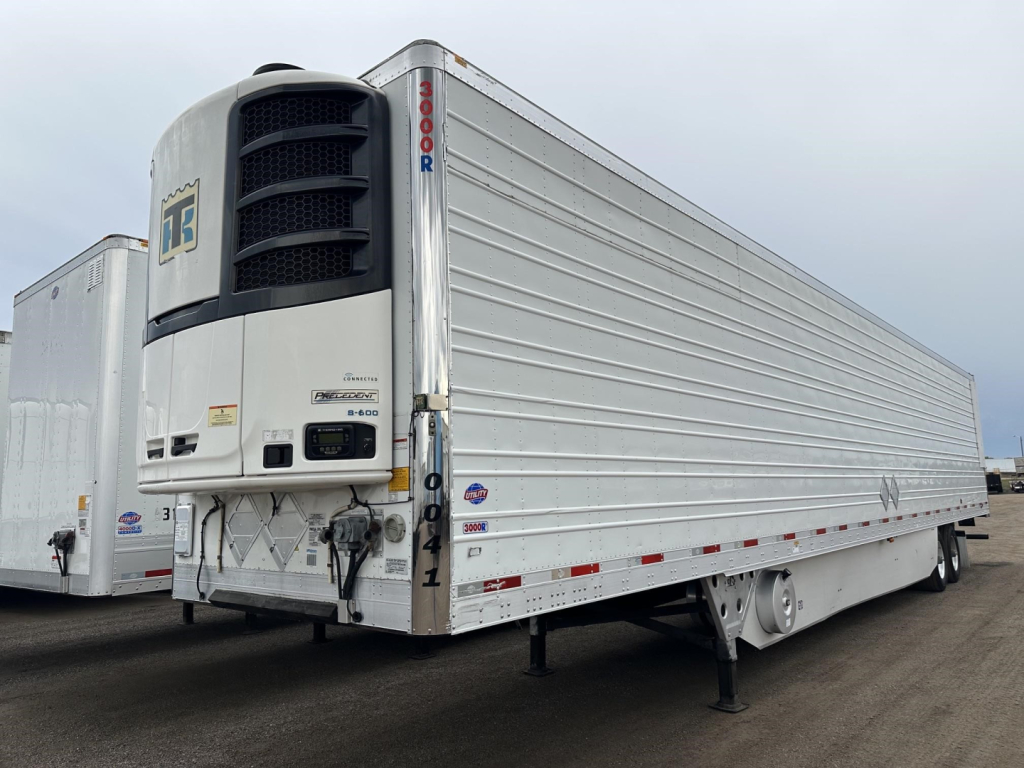
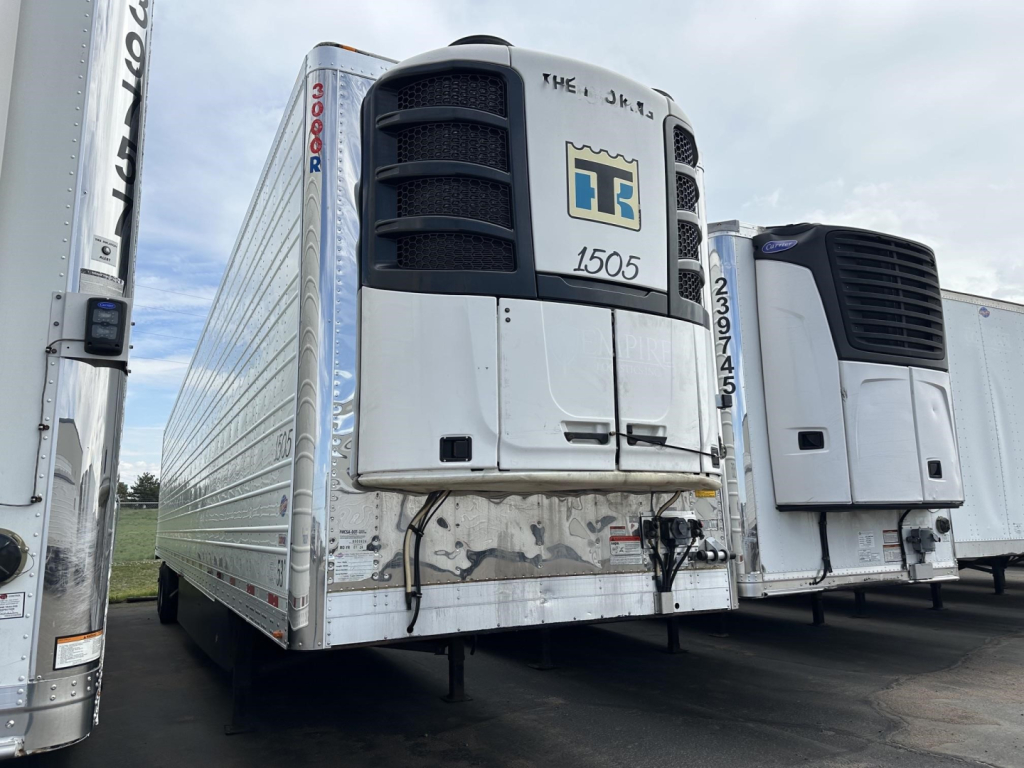
On a 2020 Utility reefer, the refrigeration package often drives the buying decision as much as the trailer itself. Thermo King Precedent and Carrier Transicold units are both common in this year range, and unit hours, maintenance history, emissions compliance, and fuel type should all be reviewed closely. California CARB compliance can be important for interstate carriers, produce haulers, and any fleet that runs western regional freight. Buyers should also verify whether the trailer is equipped with a duct floor, chute or air delivery system, rear vent, and insulated stainless or quilted swing doors, since those features directly affect temperature recovery, airflow consistency, and damage resistance in multi-stop service.
Utility reefers are also known for practical body specifications that matter in everyday loading. Aluminum duct floors help protect airflow under pallets, while scuff liners, scuff plates, wear bands, and stainless rear frames reduce damage from forklifts and repeated dock use. Sliding tandems remain common, though some fleets prefer closed tandem configurations for dedicated lanes. Tire size, wheel material, brake type, and suspension condition all deserve attention on a used trailer, especially if the trailer has spent time in high-mileage food distribution or cross-country service. Door frame condition, sidewall repairs, roof integrity, and evidence of past moisture intrusion can tell you as much about long-term value as the reefer hour meter.
For many buyers, a used 2020 Utility reefer trailer hits a practical middle ground between acquisition cost and modern specification. It is new enough to find aerodynamic equipment, trailer telematics, tire inflation systems, air pin sliders, and cleaner refrigeration technology on some units, but old enough to avoid the premium attached to late-model equipment. The strongest candidates usually combine a well-documented service record with clean interior liners, strong floor structure, tight rear doors, and a reefer unit that can hold setpoint under load rather than just cool an empty box. If the trailer will handle mixed freight, it also helps to confirm interior dimensions, pallet count, and load securement features so the trailer fits both the temperature requirement and the daily freight pattern.
Frequently Asked Questions about Used 2020 Utility Reefer Trailers
What should I inspect first on a used 2020 Utility reefer trailer?
Start with the refrigeration unit, the floor, and the trailer body seals. Confirm reefer hours, service records, alarm history, and the unit’s ability to pull down and hold temperature. Then inspect the aluminum duct floor for crushed sections or blocked airflow channels, and check rear doors, gaskets, and frame alignment for air leaks. On the trailer itself, look for sidewall repairs, roof damage, moisture intrusion, and suspension wear because those issues can affect cargo protection and long-term operating cost.
What reefer unit brands are common on 2020 Utility reefer trailers?
Thermo King and Carrier Transicold are the most common refrigeration unit brands found on 2020 Utility reefers. In this model year, many buyers will see Thermo King Precedent-series units and comparable Carrier systems. The best choice often depends less on brand alone and more on dealer support in your lanes, parts availability, technician familiarity, emissions compliance, and documented maintenance history. A trailer with a strong local service network can be more valuable than one with a lower purchase price but weaker support.
Are 2020 Utility reefer trailers usually CARB compliant?
Some are, but compliance should never be assumed without verifying the refrigeration unit specification and current regulatory status. California requirements have changed over time, and reefer compliance depends on the unit model, engine emissions configuration, and any approved upgrade or replacement history. If the trailer will run California or other strict-emissions markets, ask for the reefer unit serial number, emissions documentation, and any proof of CARB or low-emission configuration before purchase.
Why do buyers like the Utility 3000R for refrigerated freight?
The Utility 3000R has a strong reputation because it combines a lightweight aluminum trailer design with insulation performance and practical fleet serviceability. Buyers often like the model for its duct floor design, durable rear frame construction, and the wide availability of parts, service knowledge, and resale demand. It is a common specification in foodservice and grocery fleets, which makes it easier to compare condition, maintenance standards, and market value across similar units.
What trailer features matter most for multi-stop refrigerated delivery?
For multi-stop refrigerated work, airflow management and dock durability are especially important. Buyers should pay close attention to duct floors, chutes, rear vents, door seal condition, scuff liners, and stainless or reinforced rear doors because frequent opening and repeated forklift traffic put extra stress on the trailer. Air ride suspension, sliding tandems, tire inflation systems, and anti-dock walk features can also improve daily usability, reduce cargo disruption, and help control maintenance expense over time.