
Used 2020 Flatbed Trailers For Sale in Colorado
Browse used 2020 flatbed trailers for sale in Colorado. Compare 48' and 53' flatbeds, axle setups, deck materials, and securement options.
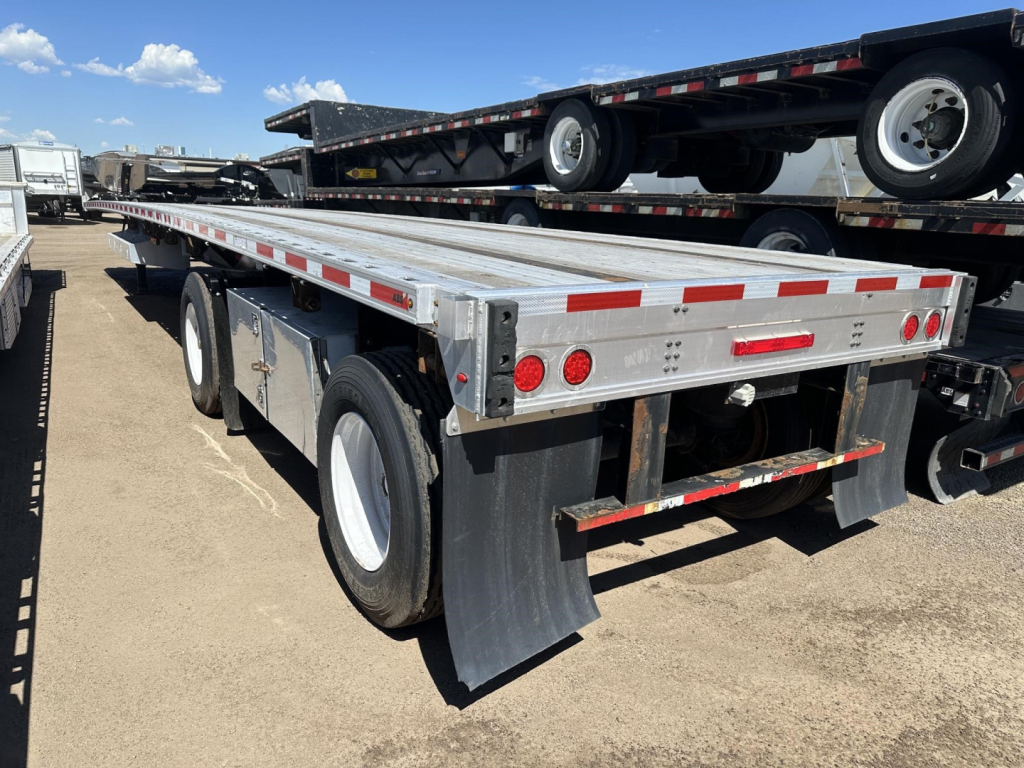
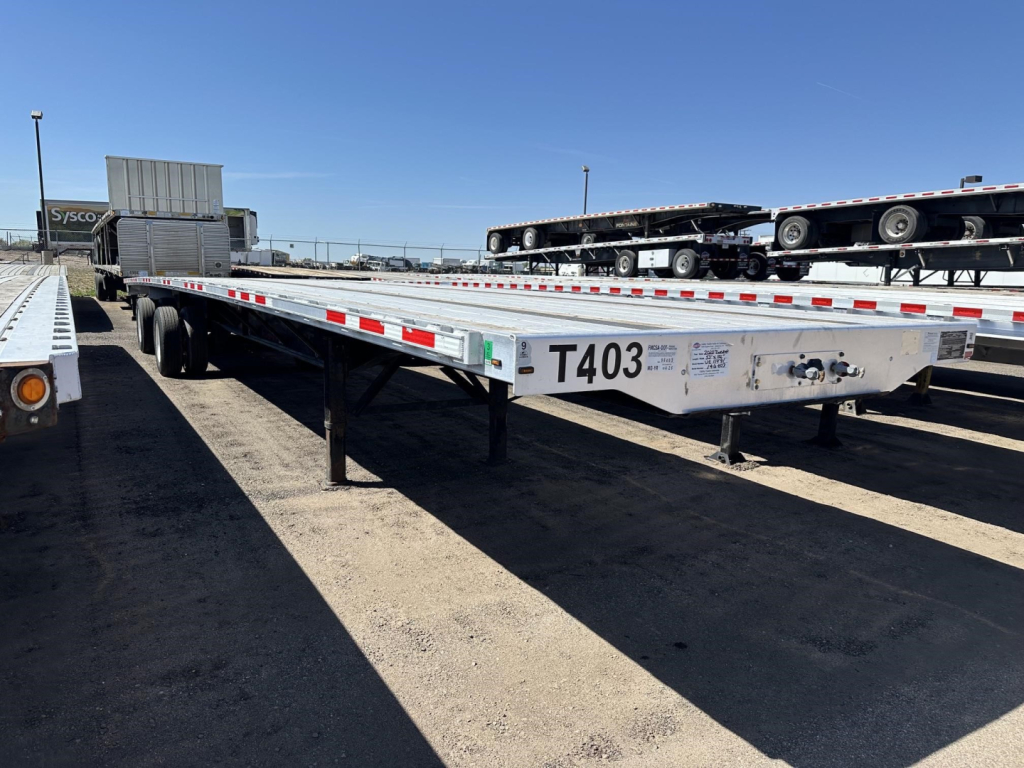
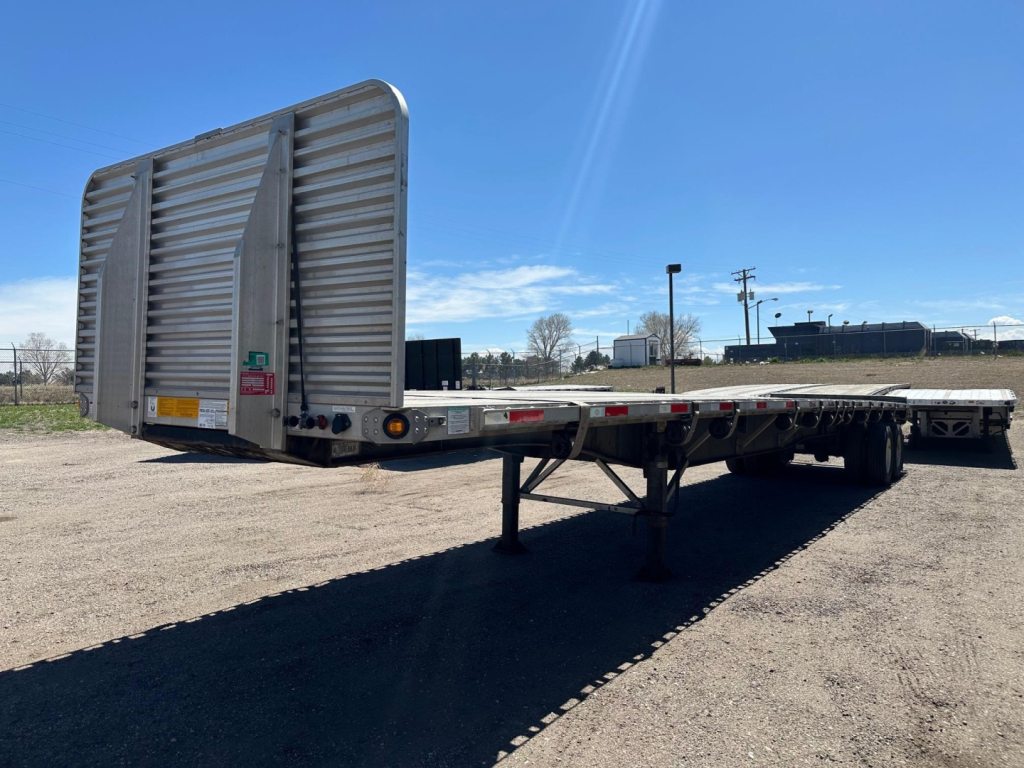
Selling a used 2020 flatbed trailer? List your used 2020 flatbed trailer for sale and reach thousands of commercial buyers.
Used 2020 Flatbed Trailers in Colorado
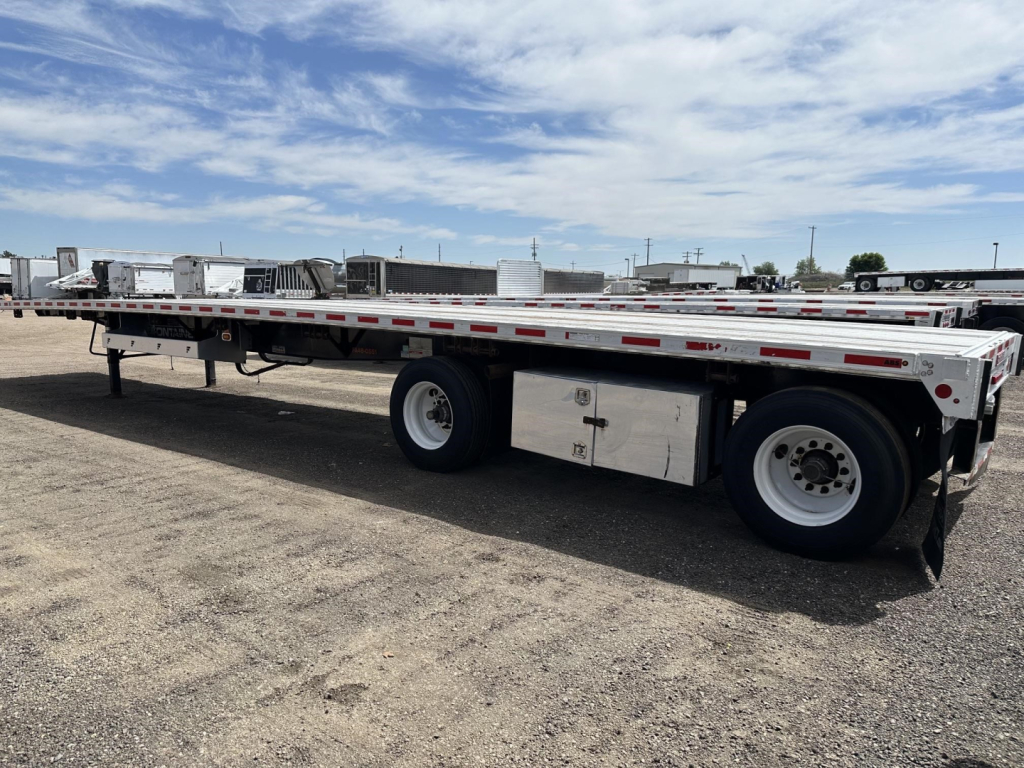
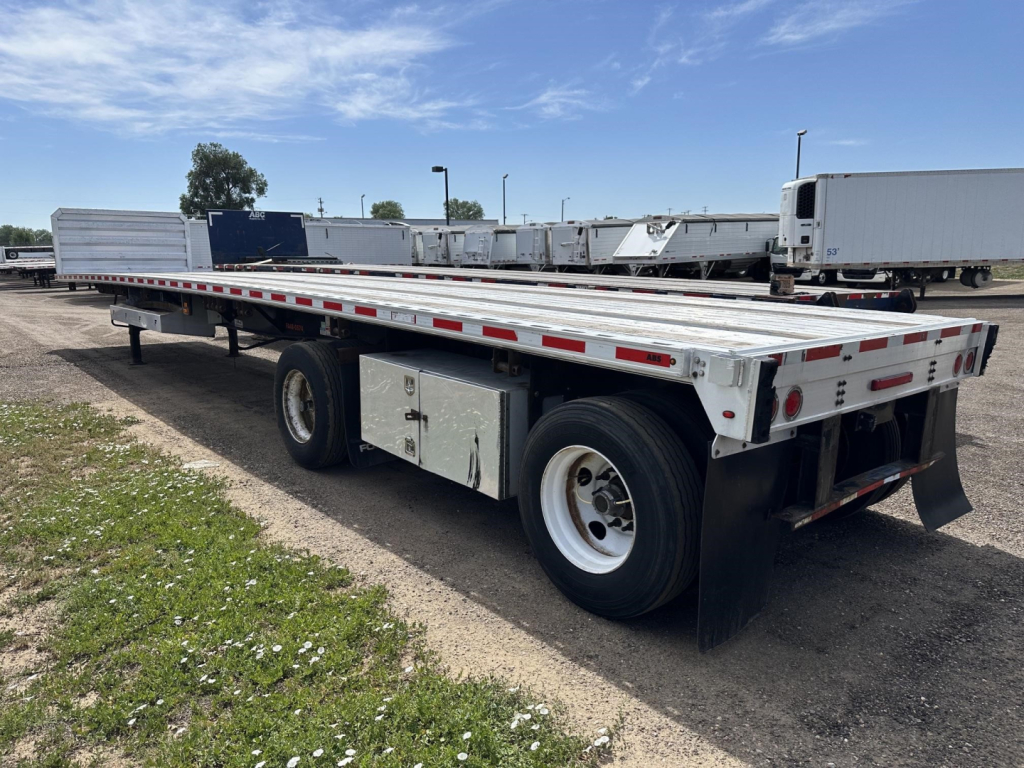
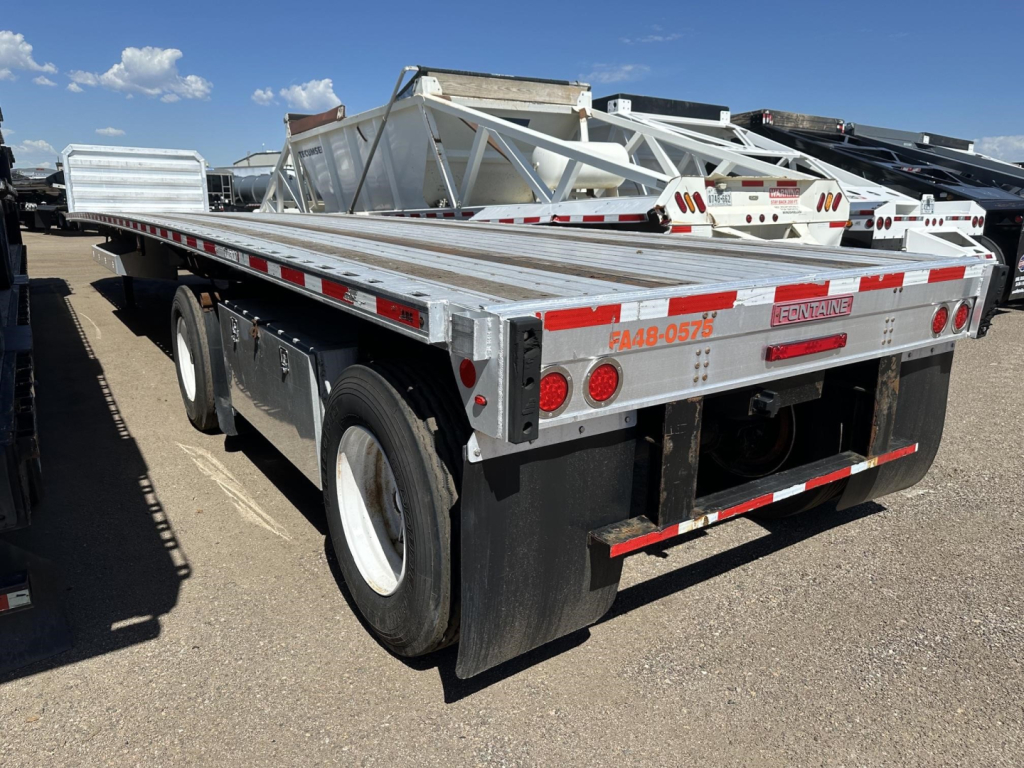
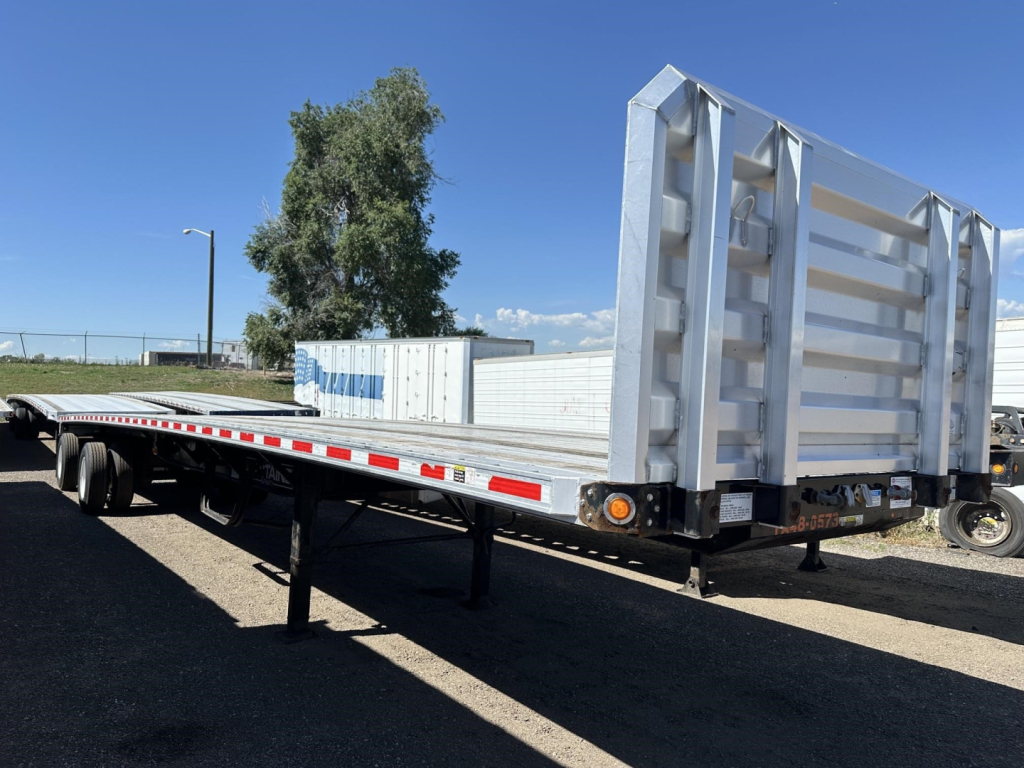
Construction matters more than many buyers expect. Steel flatbed trailers typically offer durability and lower repair complexity, while combo and aluminum-spec flatbeds reduce tare weight and can improve payload flexibility. Deck material is another key separator. Apitong and other hardwood decks remain common because they hold up well under concentrated forklift traffic and chain securement. Nail strips, stake pockets, pipe spools, pull-up chain ties, and sliding winches all affect how efficiently the trailer can be loaded and secured. If your freight includes coils, pipe, lumber, or machinery, it is worth checking for a coil package, forklift kit, tool boxes, and rail design that supports your securement style.
Suspension and axle layout should match the lanes you run. Air ride is common on newer flatbeds because it helps protect cargo and improves ride quality, while spring ride can still appeal for simplicity and lower maintenance. A sliding tandem gives more flexibility for axle weight distribution at docks and scales, while a spread axle can improve stability but may limit maneuverability in tighter urban or jobsite conditions. In Colorado, buyers also pay attention to tire size, wheel type, brake condition, and how the trailer has held up to mountain grades and winter road treatment. Crossmember condition, deck wear, kingpin area integrity, and rail straightness deserve a close inspection on any used flatbed.
A 2020 flatbed trailer also tends to have the feature set many fleets now expect, including LED lighting, updated conspicuity treatments, and securement layouts designed for faster turns. The best fit depends on what you haul most often, not just the headline price. Buyers comparing used flatbed trailers should focus on empty weight, beam design, axle spread, slider operation, deck condition, and the number and placement of winches and tie-down points. Those details have more impact on day-to-day profitability than brand alone, especially in a category built around versatility and freight access.
Frequently Asked Questions about Used 2020 Flatbed Trailers in Colorado
What is the most common size for a used 2020 flatbed trailer?
The most common flatbed trailer sizes are 48 feet by 102 inches and 53 feet by 102 inches. A 48-foot flatbed remains a standard choice for general freight and can offer easier maneuverability, while a 53-foot flatbed may provide more deck space for specific loads and lane requirements. The right length depends on the freight you haul, customer dock access, and state bridge and axle considerations.
Is a steel flatbed or combo flatbed better for a used 2020 trailer?
A steel flatbed trailer usually appeals to buyers who prioritize durability, straightforward repairs, and lower acquisition cost. A combo flatbed, typically built with steel main beams and aluminum components, reduces empty weight and may allow more payload. The better choice depends on freight type, operating environment, and how much value you place on tare weight versus long-term ruggedness.
Should I choose a sliding tandem or spread axle flatbed trailer?
A sliding tandem flatbed offers more flexibility for axle weight adjustment and is often easier to work with in tighter docks, scales, and urban areas. A spread axle flatbed can provide good load distribution and stable road manners, but it may be less maneuverable and can create route limitations in some situations. Buyers should match the axle layout to their freight, lane network, and state-specific bridge law needs.
What should I inspect first on a used 2020 flatbed trailer?
Start with the frame, main beams, crossmembers, kingpin area, suspension, brakes, and deck condition. Then check rail straightness, stake pockets, winches, tire wear, wheel ends, and lighting. On a flatbed trailer, securement hardware condition is as important as structural condition because worn tie-down points, damaged winch tracks, or compromised decking can affect both safety and loading efficiency.
Are 2020 flatbed trailers a good value in the used market?
A 2020 flatbed trailer can be a strong value because it is new enough to offer modern specifications and common parts support, but old enough to avoid the pricing of near-new equipment. Buyers often find this model year attractive when they want a trailer with current securement features, air ride availability, and solid resale potential. The actual value depends on maintenance history, deck wear, suspension condition, and overall structural integrity.