
Used 2020 Flatbed Trailers For Sale
Browse used 2020 flatbed trailers for sale, including 48-foot and 53-foot specs, deck materials, suspension options, tie-down features, and ratings.
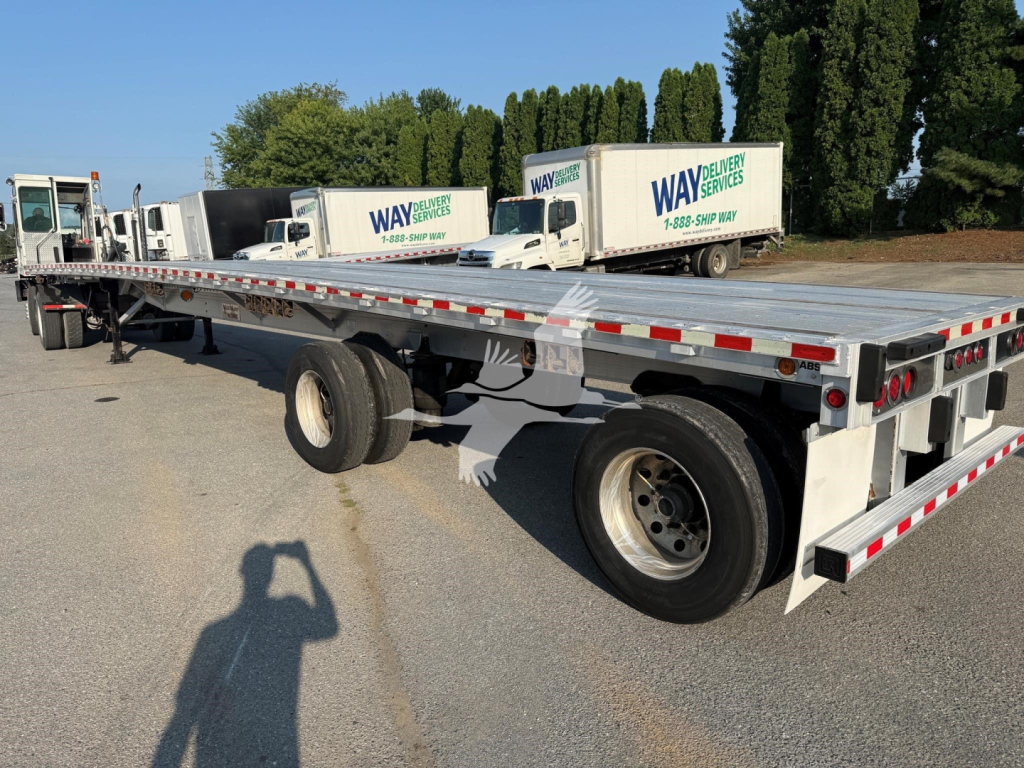
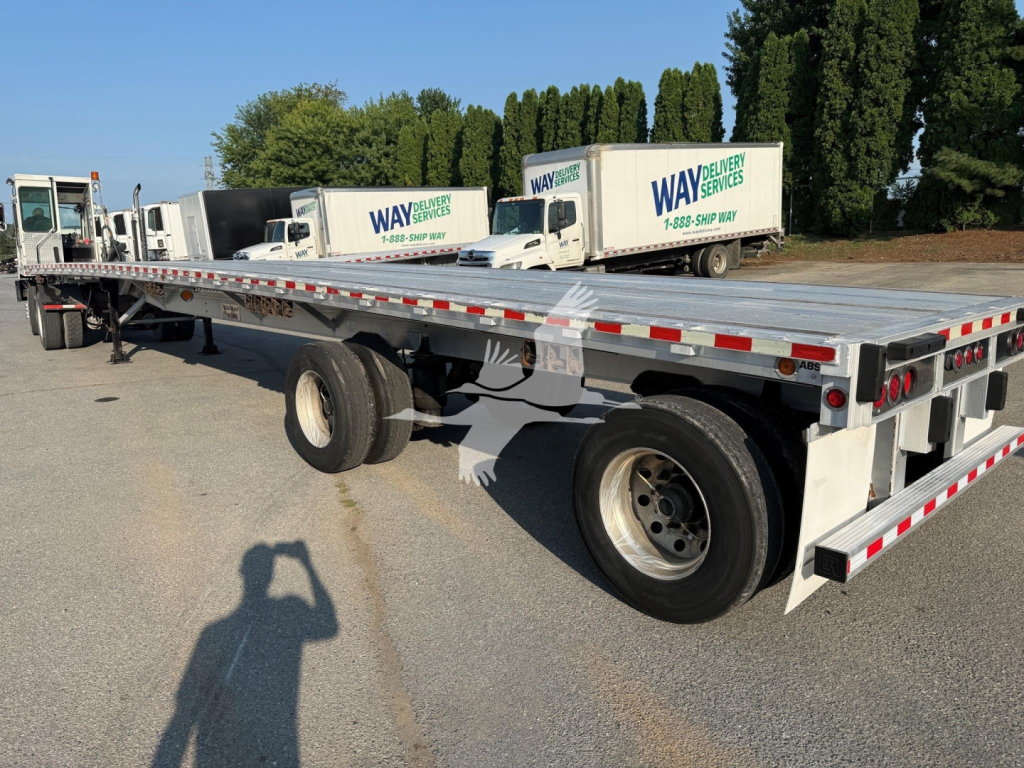
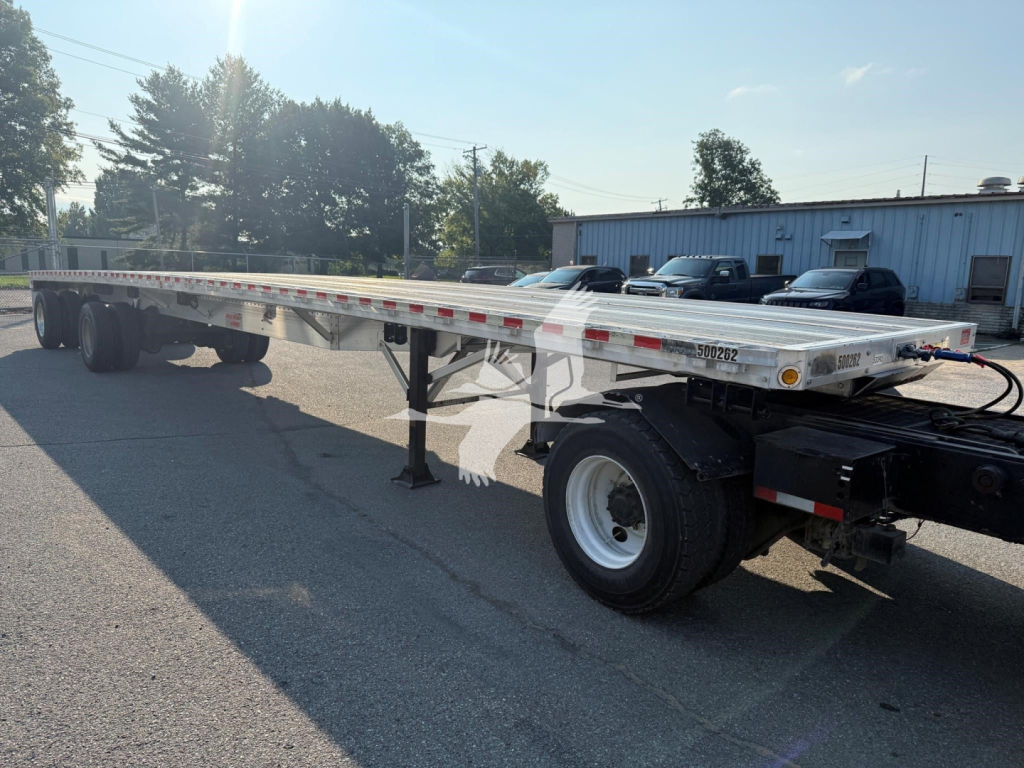
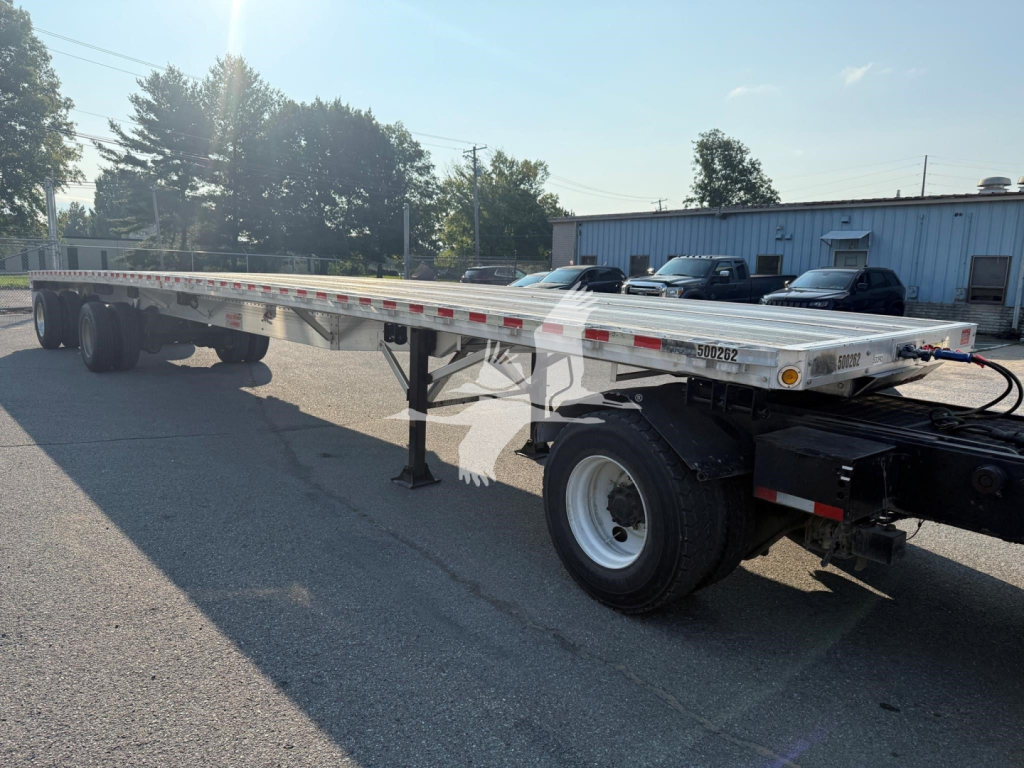
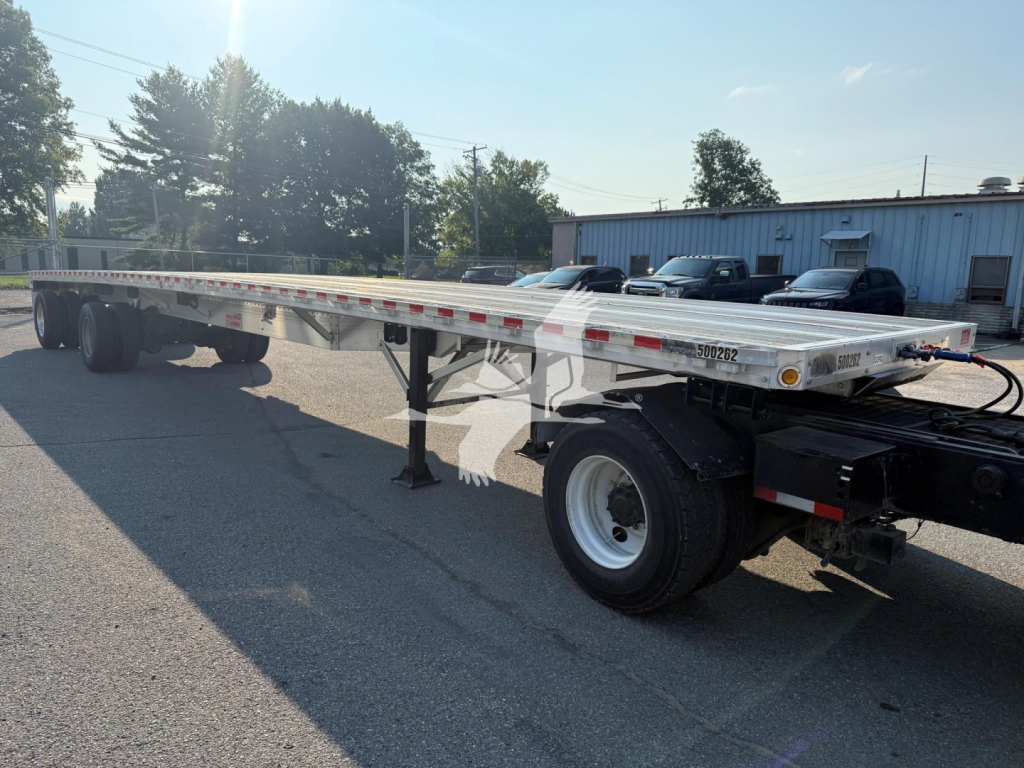
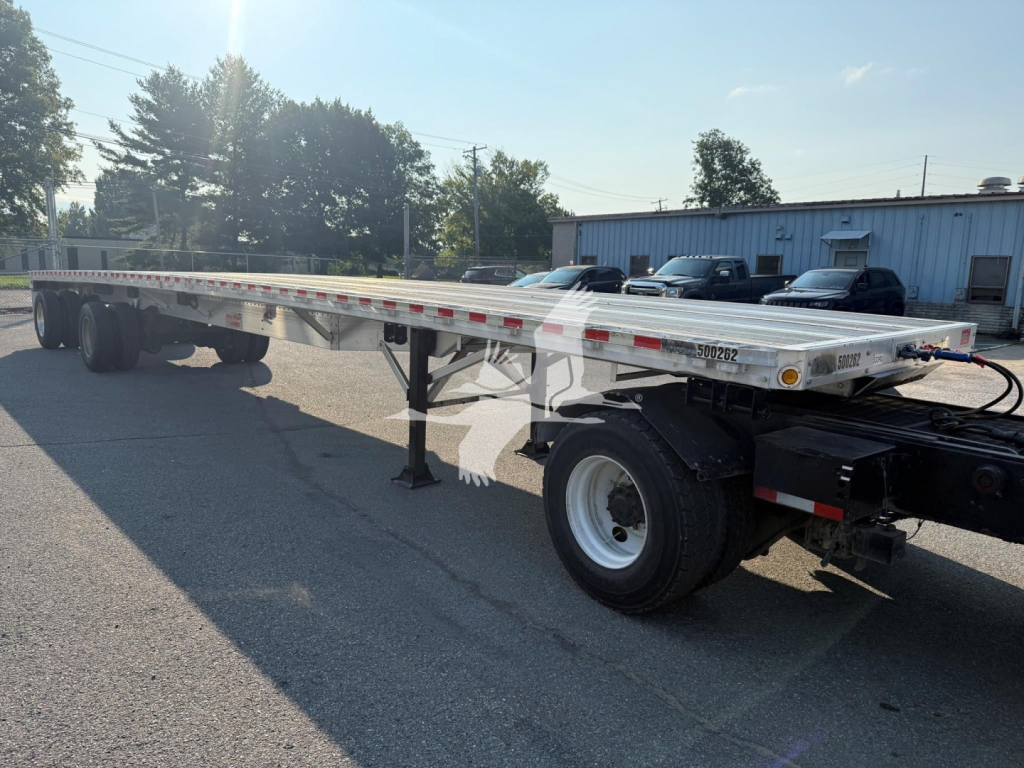
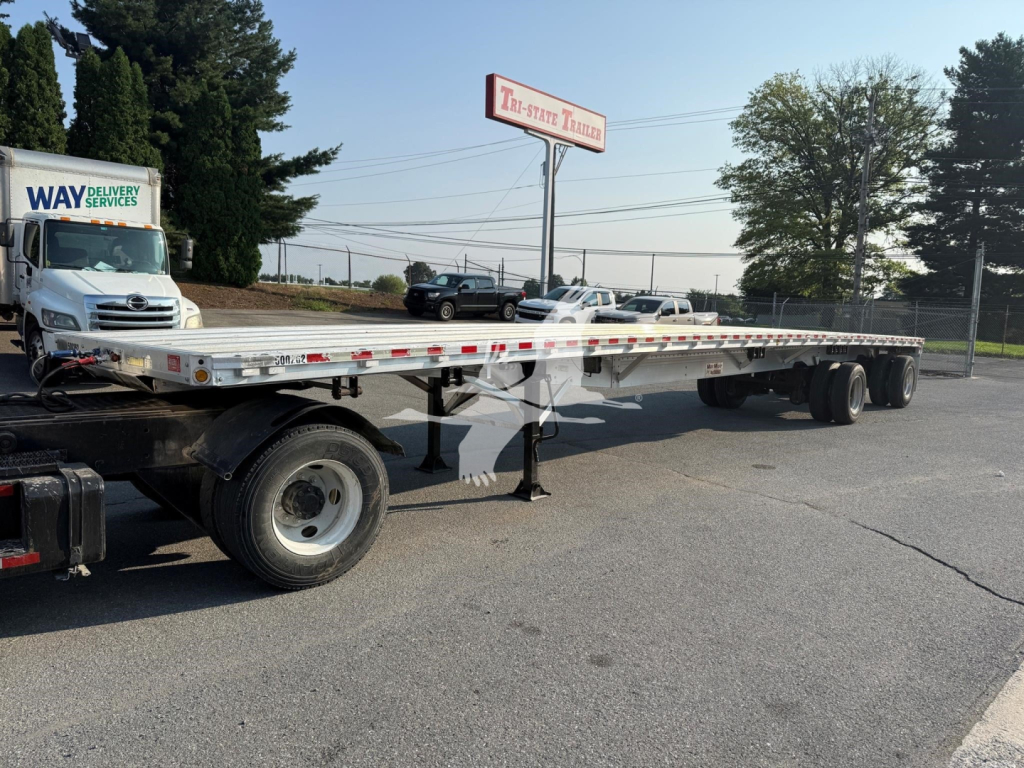
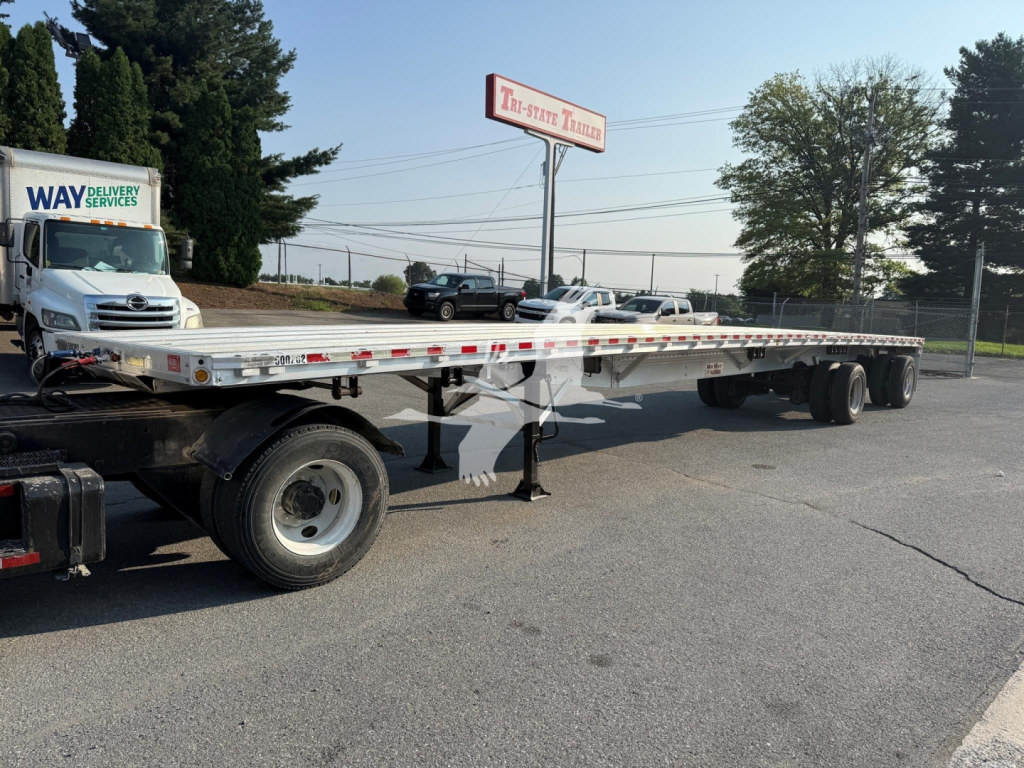
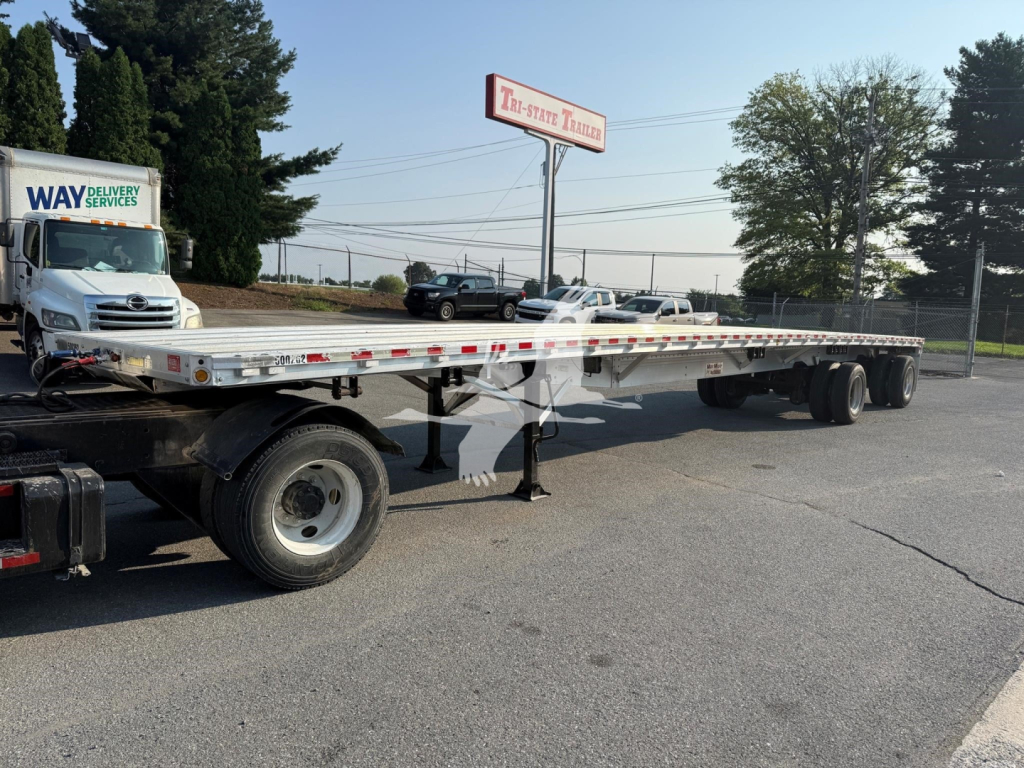
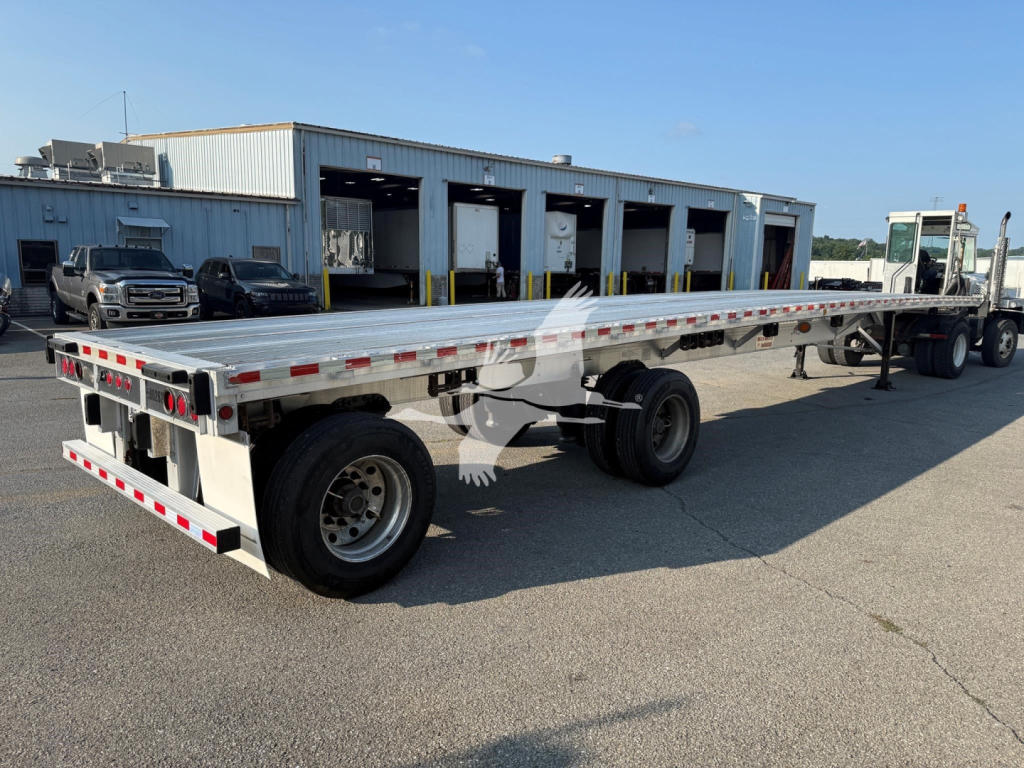
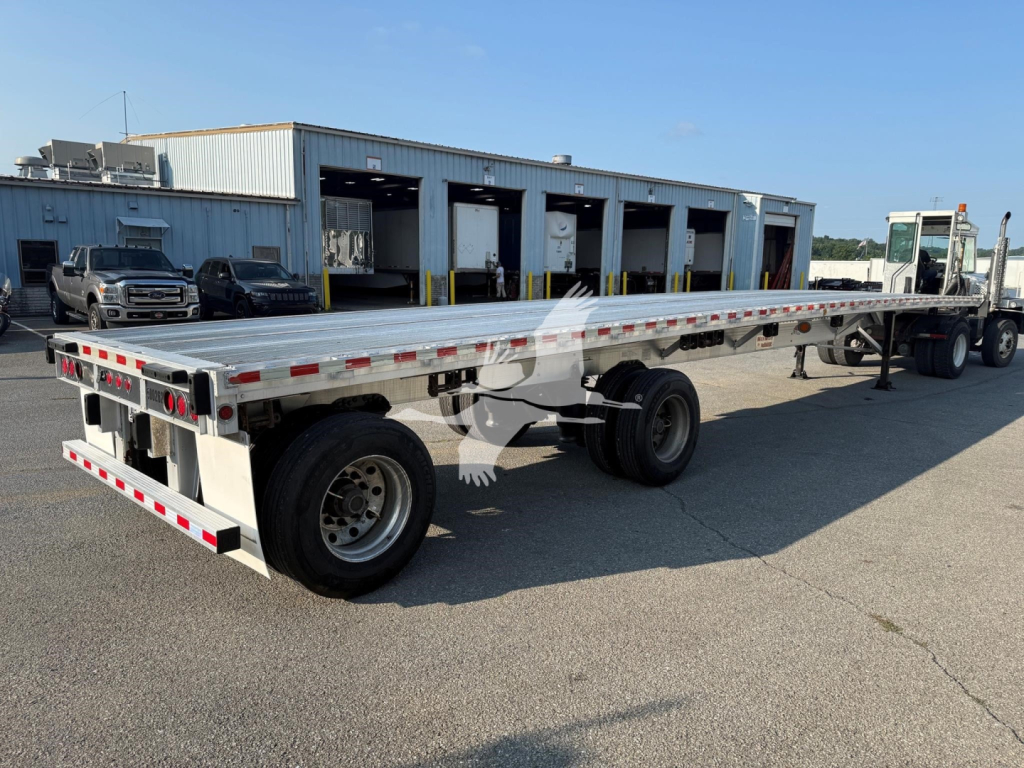
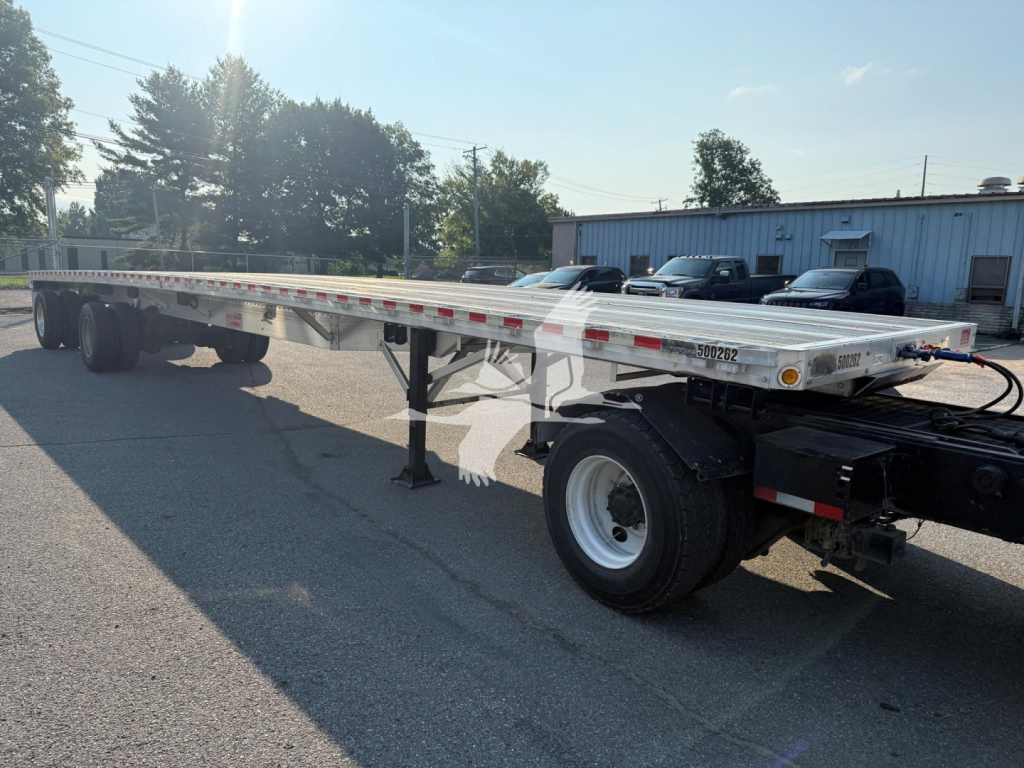
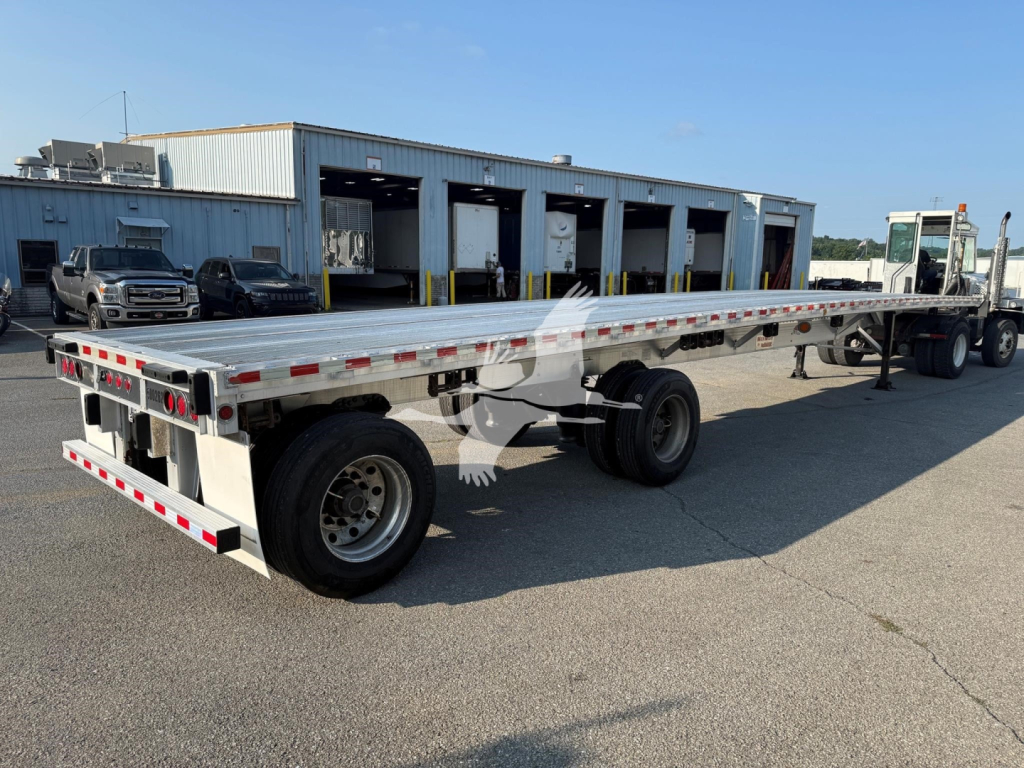
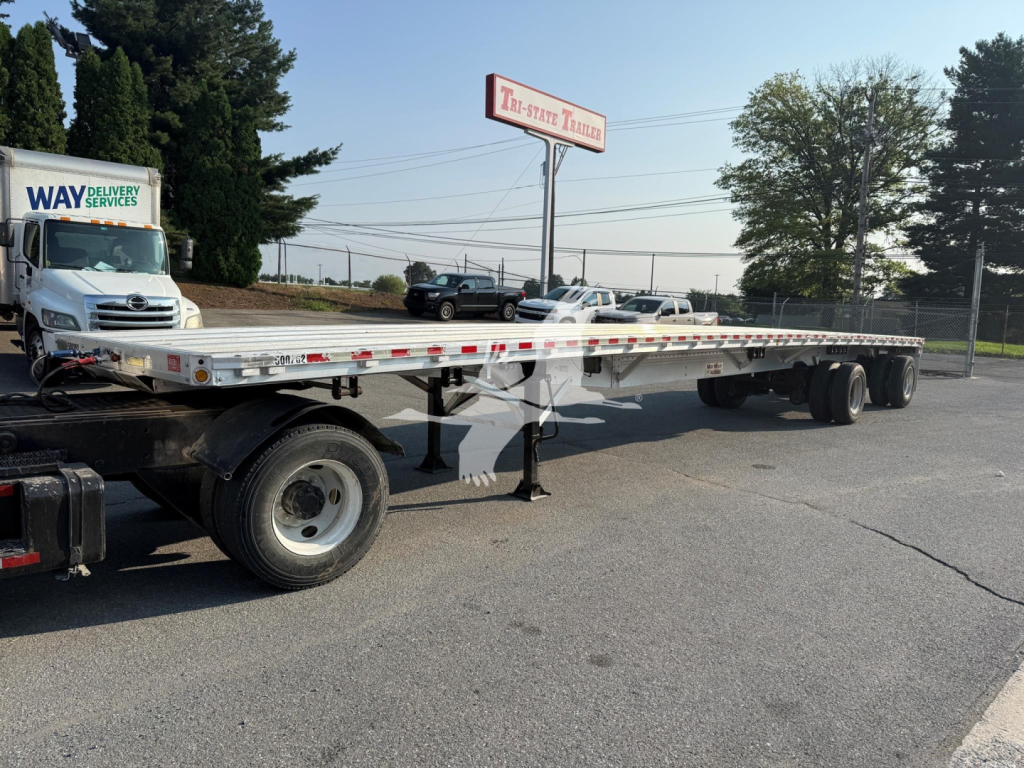
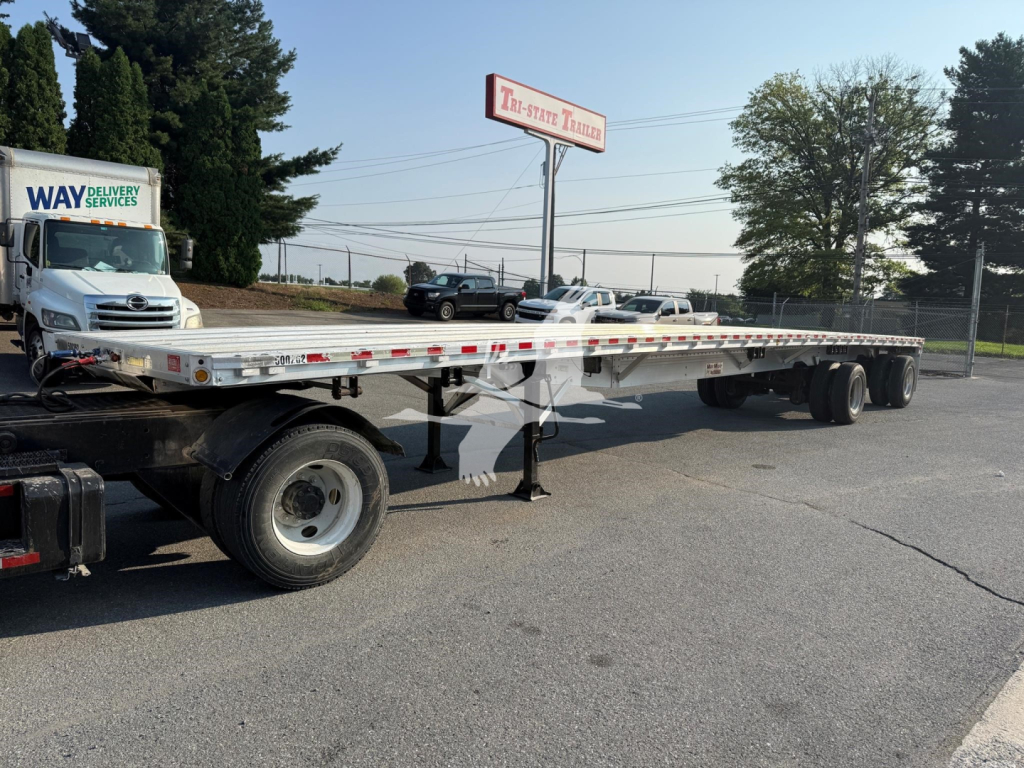
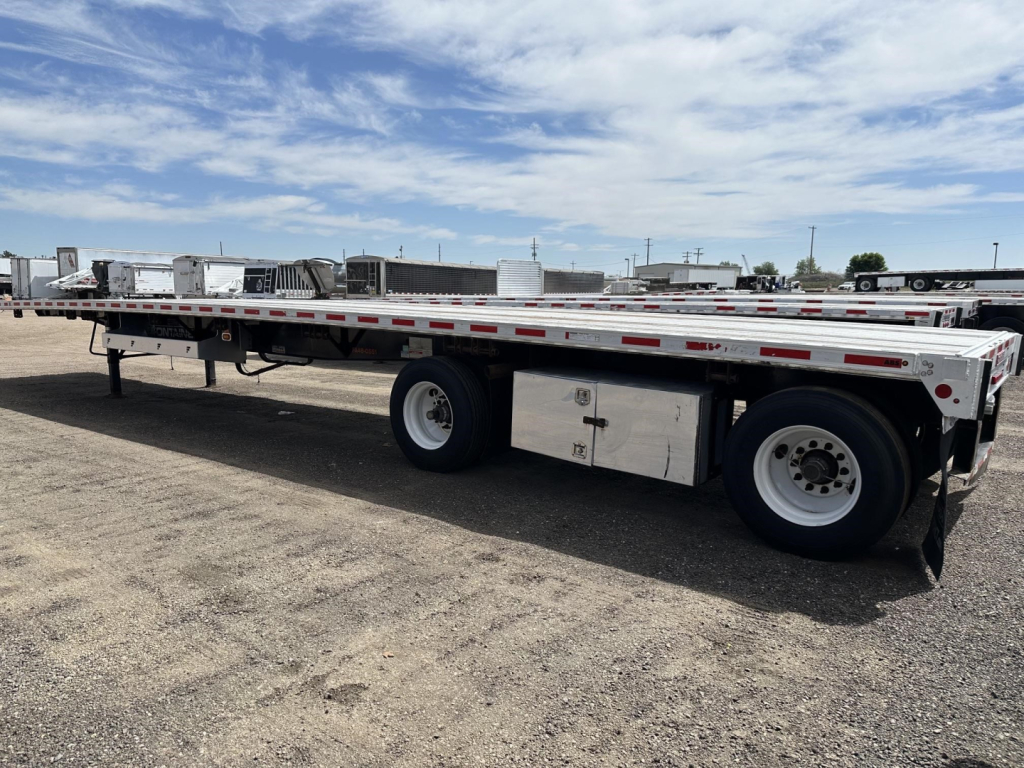
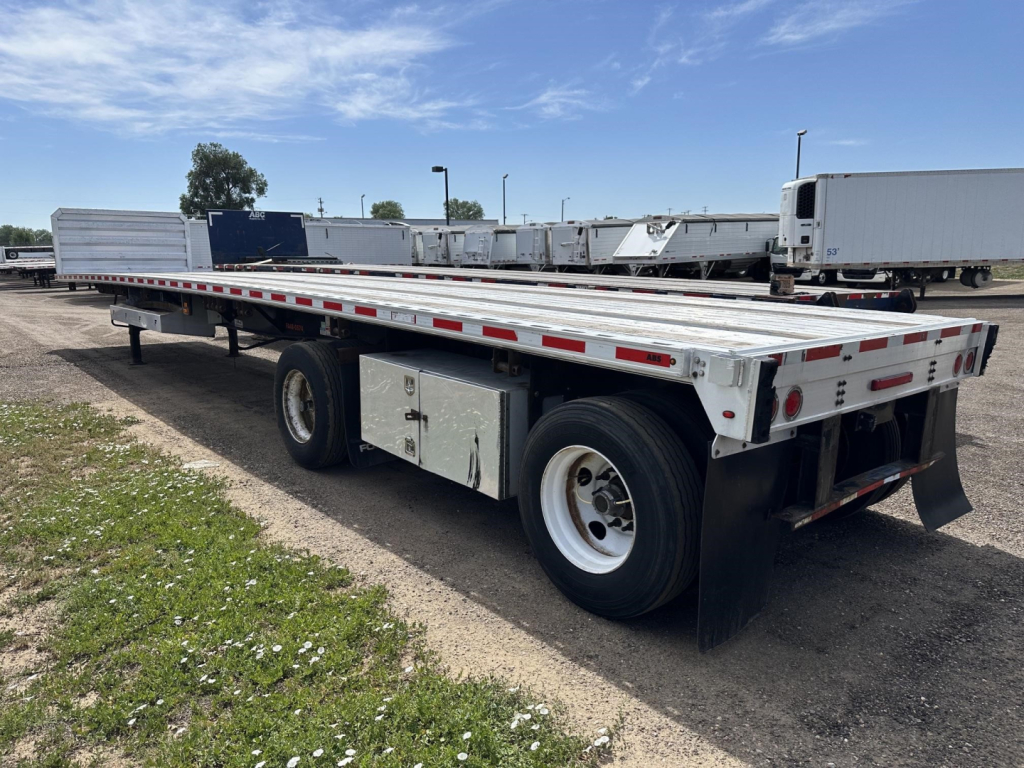
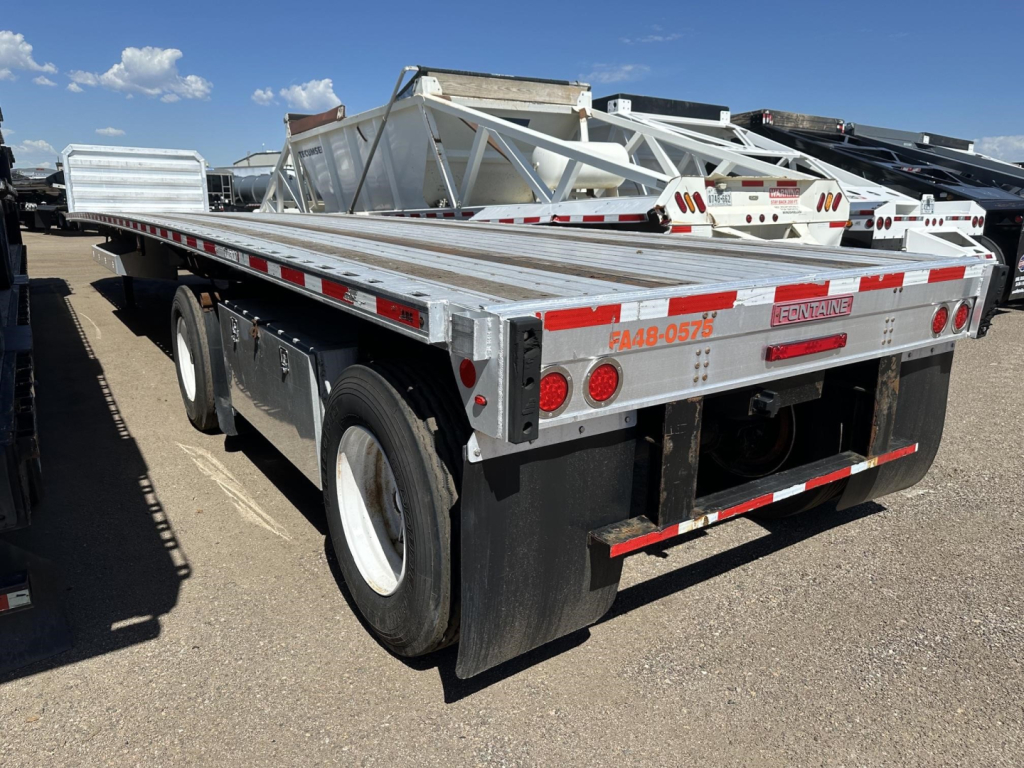
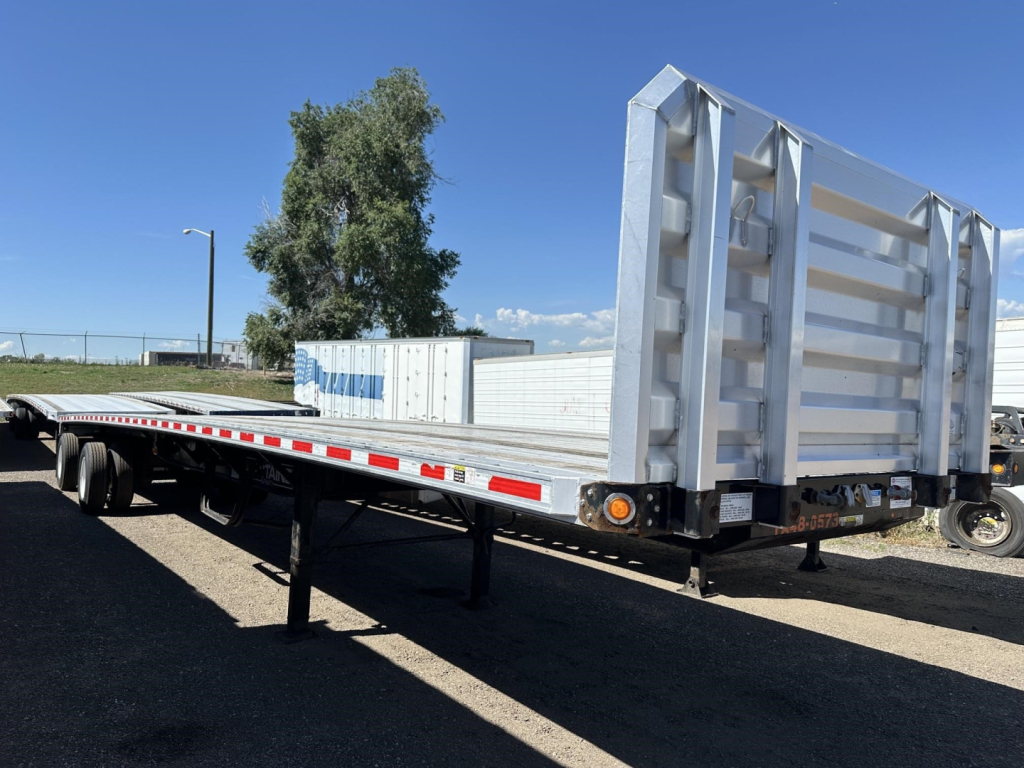
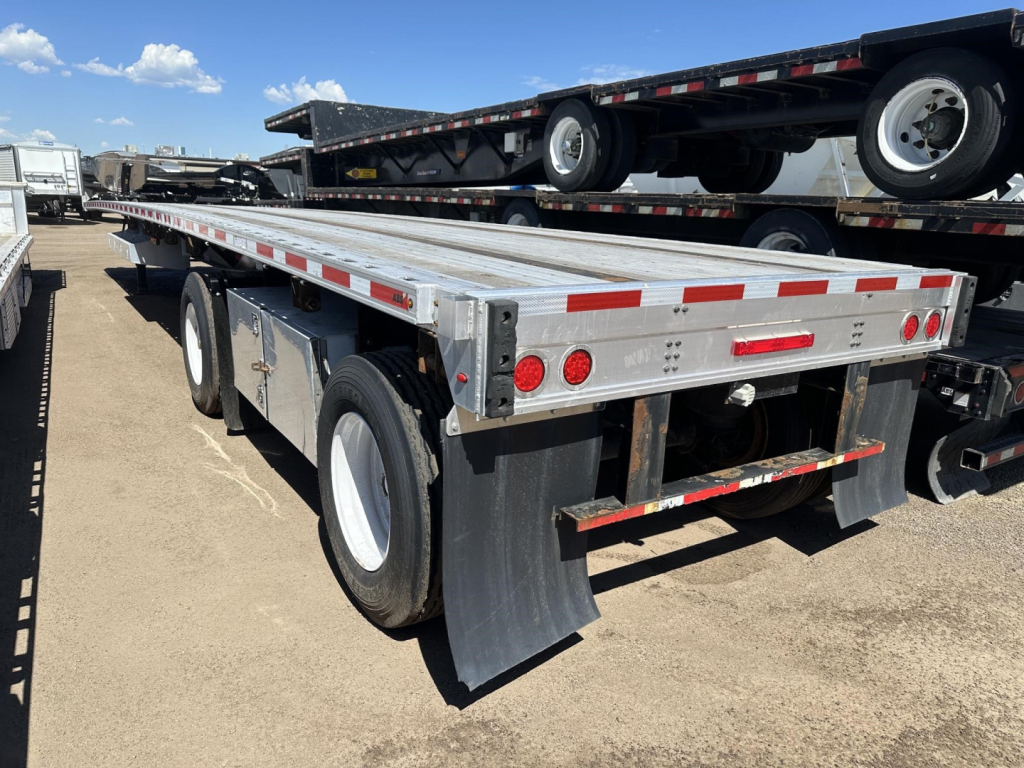
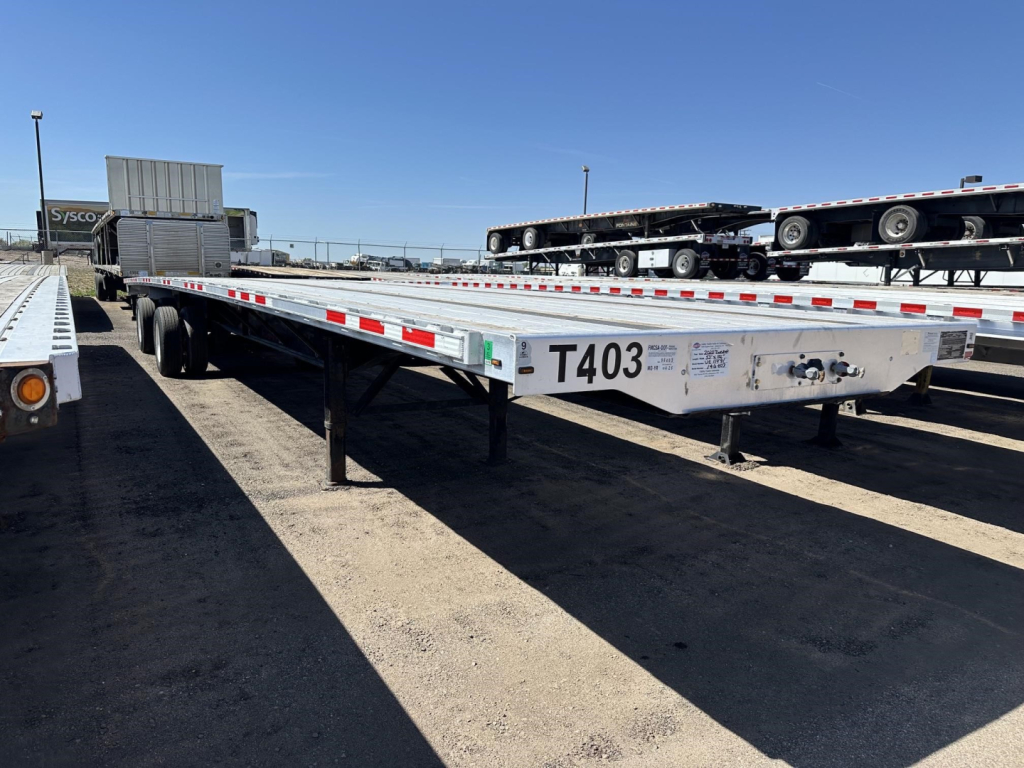
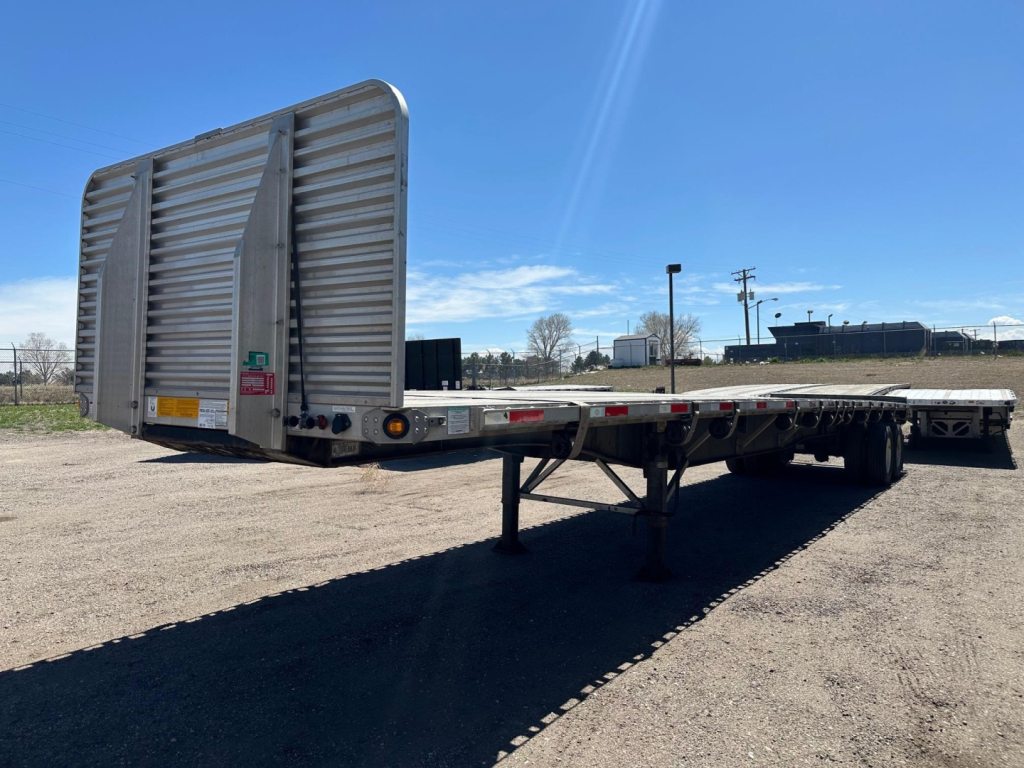
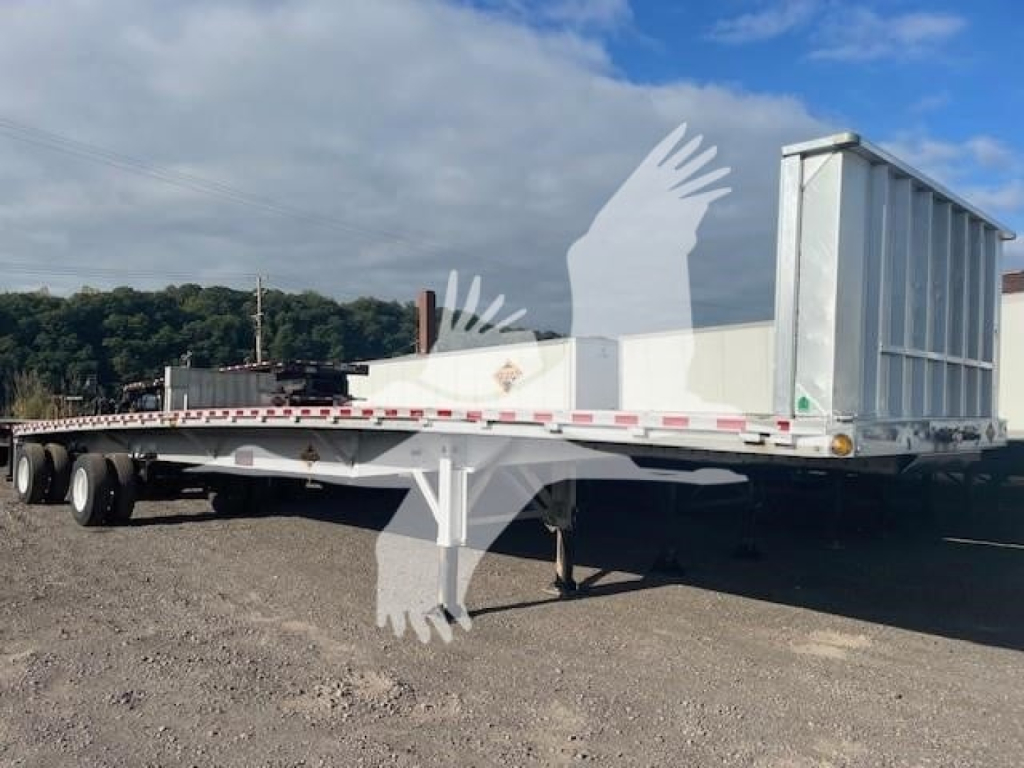
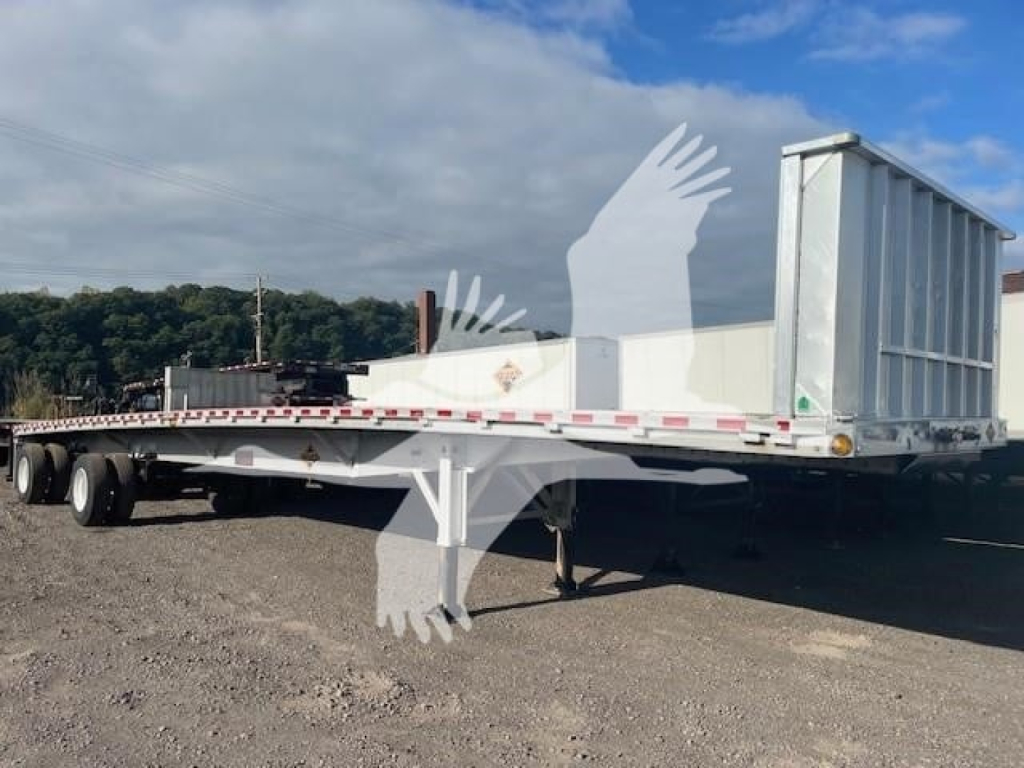
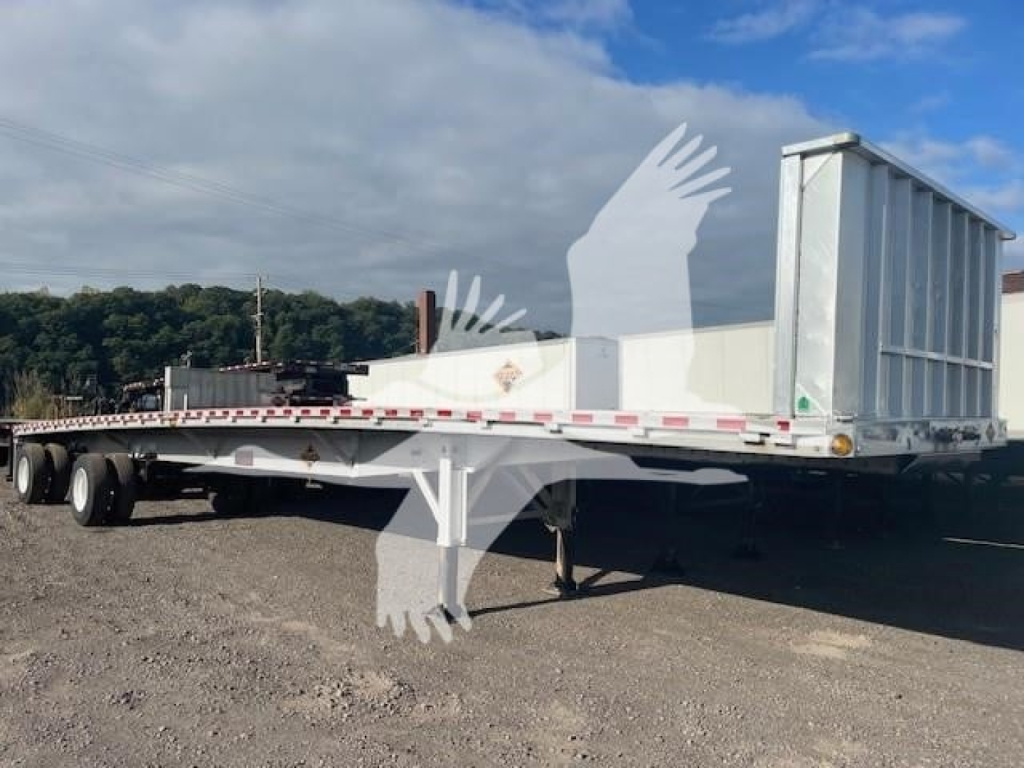
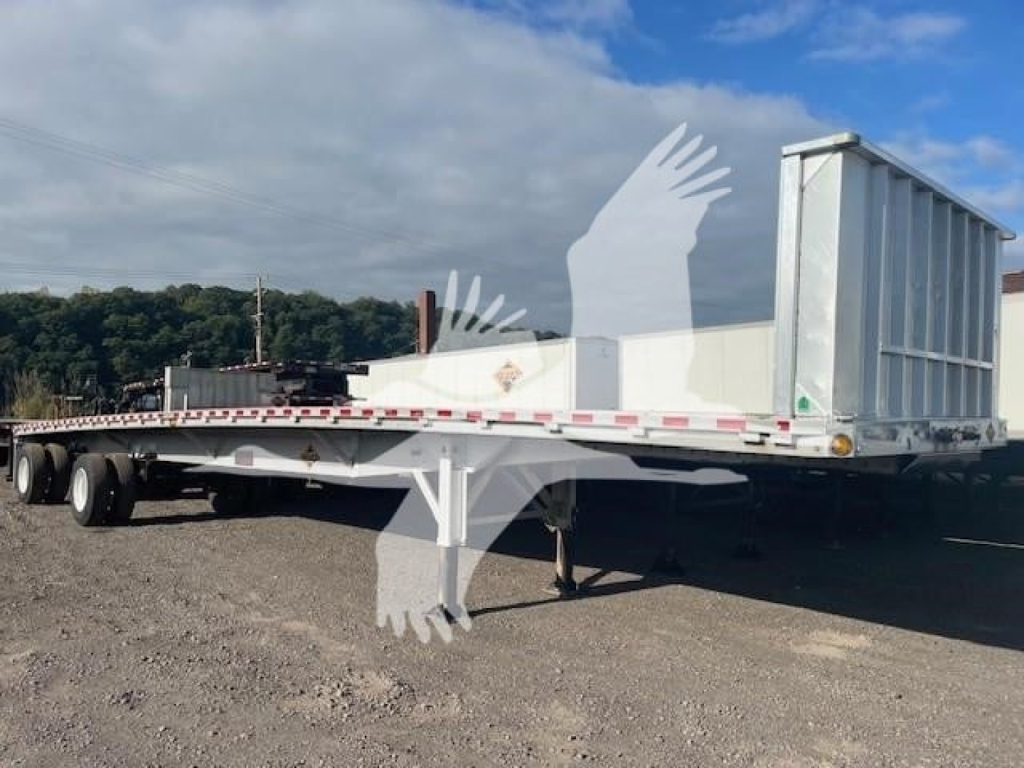
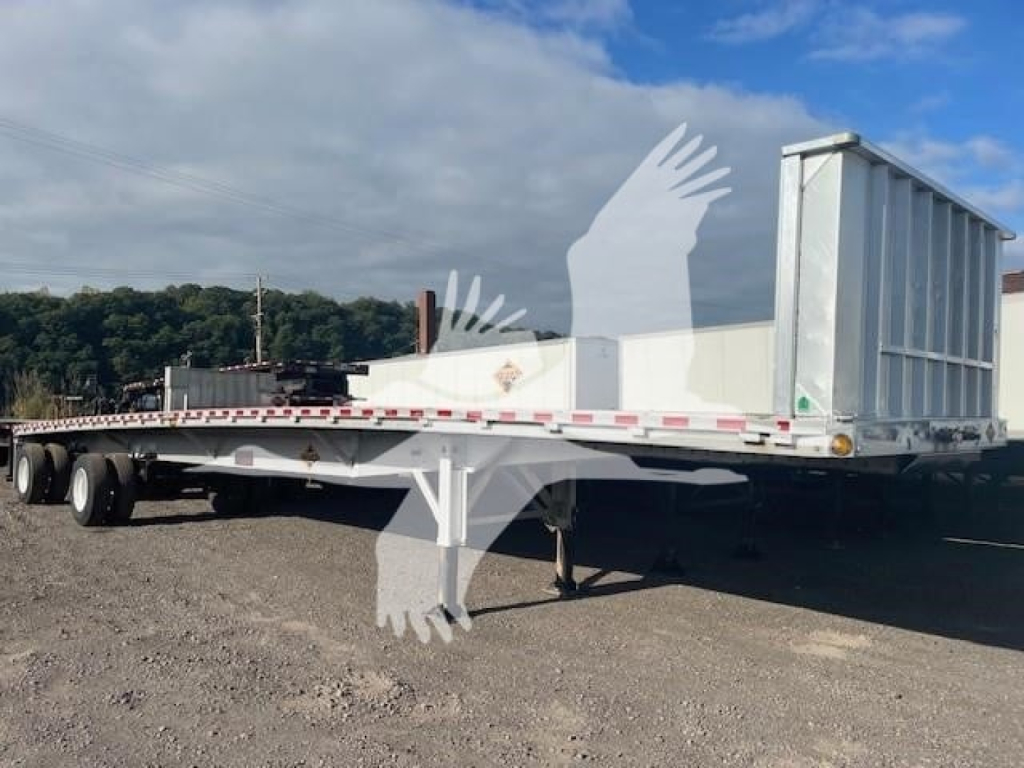
Showing 1 to 28 of 58 results
Selling a used 2020 flatbed trailer? List your used 2020 flatbed trailer for sale and reach thousands of commercial buyers.
Used 2020 Flatbed Trailers
The biggest buying decision is usually trailer construction. Aluminum flatbeds typically deliver lower empty weight and higher payload potential, which matters in steel, coils, and dense commodity work. Steel flatbeds usually cost less upfront and can be attractive in severe-duty applications where buyers prioritize ruggedness over weight savings. Deck material also matters. Apitong wood remains common for forklift traffic and load securement grip, while all-aluminum decks reduce weight and simplify corrosion resistance. Buyers should also check crossmember spacing, side rail design, coil package configuration, and concentrated load ratings such as 60,000 pounds in 10 feet. Those details tell you more about real-world capability than GVWR alone.
Securement setup separates one used 2020 flatbed trailer from another. Look closely at winch track placement, number of sliding winches, stake pockets, pipe spools, chain tie-downs, and whether the trailer is set up for coil hauling, lumber, or mixed open-deck freight. Suspension choice matters too. Air ride is preferred for more delicate freight and can improve ride quality, while spring ride may appeal to fleets that want simplicity and lower maintenance cost. Tandem slider position, kingpin setting, tire size, wheel type, and brake spec should all be checked against your tractor wheelbase, state bridge requirements, and maintenance standards. Disc brakes, tire inflation systems, and quality landing gear are valuable features on a used trailer because they affect uptime more than appearance does.
On a used 2020 model, condition is about structure first and cosmetics second. Buyers should inspect main beams, crossmembers, side rails, rear frame, suspension hangers, and slider rails for cracks, corrosion, impact damage, or poor repairs. Deck wear, tire age, brake condition, bushing play, light function, and FHWA inspection status are all worth confirming before purchase. A well-maintained 2020 flatbed can still fit regional construction hauling, dedicated steel lanes, broker freight, and private fleet work, provided the trailer's weight, securement package, and deck design match the freight you move most often.
Frequently Asked Questions about Used 2020 Flatbed Trailers
What is the most common size for a used 2020 flatbed trailer?
The most common used 2020 flatbed trailer size is 48 feet long by 102 inches wide, though 53-foot flatbeds are also widely available. A 48-foot trailer is the standard choice for dense freight, steel, machinery, and building materials because it balances payload, maneuverability, and legal axle spacing. A 53-foot flatbed gives more deck space for longer or lighter freight, but buyers should confirm tare weight and bridge compliance for their operating region.
Is an aluminum or steel 2020 flatbed trailer better?
An aluminum flatbed trailer is usually better for maximizing payload because it weighs less, while a steel flatbed trailer typically offers a lower purchase price and can be attractive for tougher vocational use. The better choice depends on freight mix and cost structure. If payload and fuel economy matter most, aluminum often wins. If the trailer will see hard loading conditions, jobsite abuse, or frequent forklift contact, steel can still be a practical option.
What features matter most on a used 2020 flatbed trailer?
The most important features are deck type, crossmember spacing, concentrated load rating, winch track setup, sliding winches, stake pockets, pipe spools, suspension type, and brake specification. These features directly affect what freight the trailer can handle and how efficiently it can be loaded and secured. Buyers should also check kingpin setting, tandem slider configuration, landing gear brand, tire condition, and whether the trailer includes options such as disc brakes or a tire inflation system.
Can a used 2020 flatbed trailer handle coil or steel hauling?
A used 2020 flatbed trailer can handle coil or steel hauling if it has the right structural package. Buyers should verify the trailer has a coil package or mini coil package, additional crossmembers, proper load rating in a short span, and securement points suited to chain and coil work. Not every flatbed is built for concentrated steel loads, so the load rating and frame design are more important than model year alone.
What should I inspect before buying a used 2020 flatbed trailer?
The most important inspection points are the main beams, crossmembers, side rails, rear frame, suspension components, slider assembly, brakes, tires, wheels, lighting, and deck condition. Look for cracked welds, bent structure, corrosion, uneven tire wear, worn bushings, damaged air ride parts, and signs of poor repairs. Service records, inspection dates, and brake and tire remaining life can tell you a lot about near-term operating cost on a used flatbed trailer.