
Used 2020 Dorsey Flatbed Trailers For Sale
Shop used 2020 Dorsey flatbed trailers with specs buyers want, including deck length, tandem setup, flooring, side rails, and suspension.
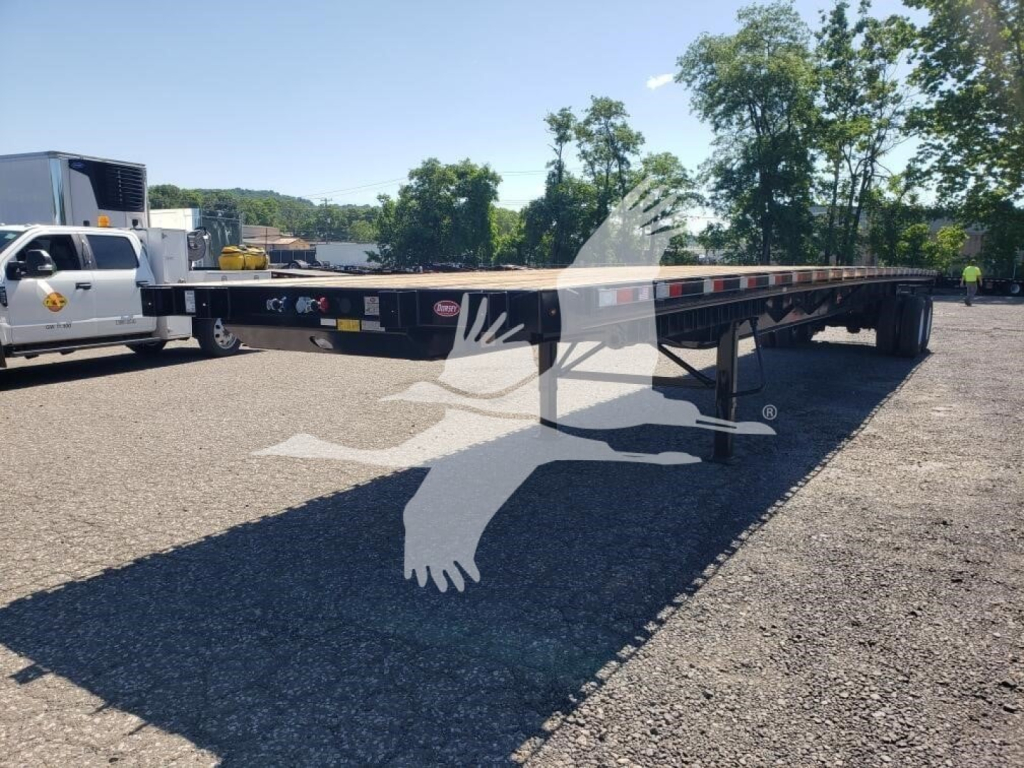
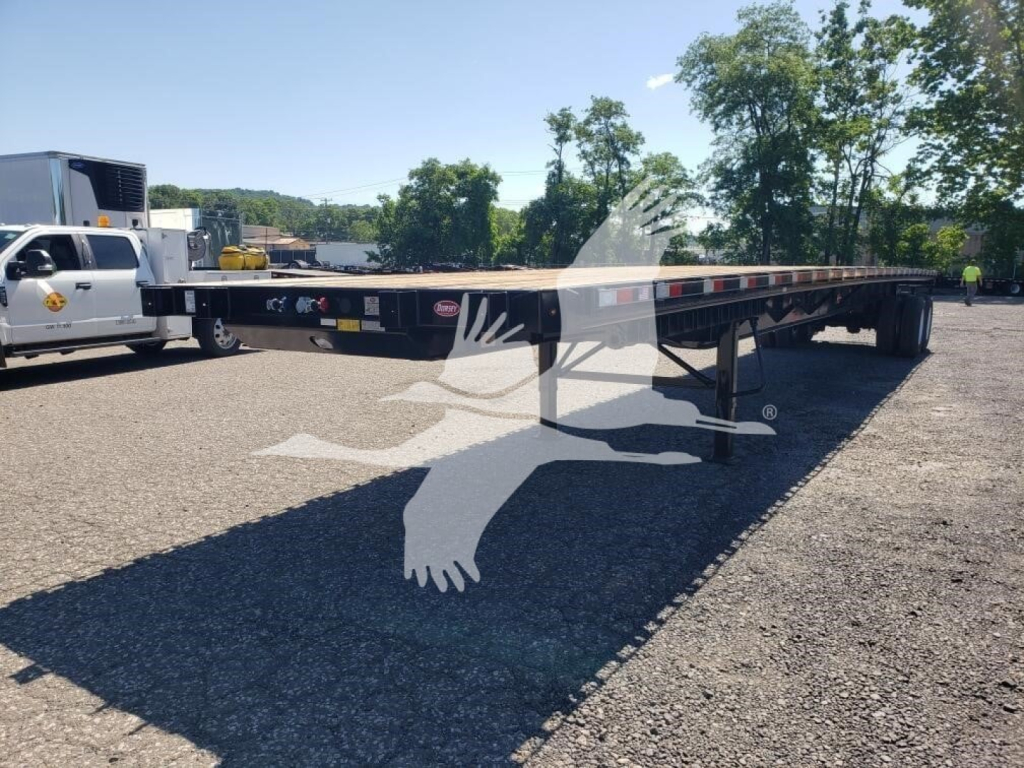
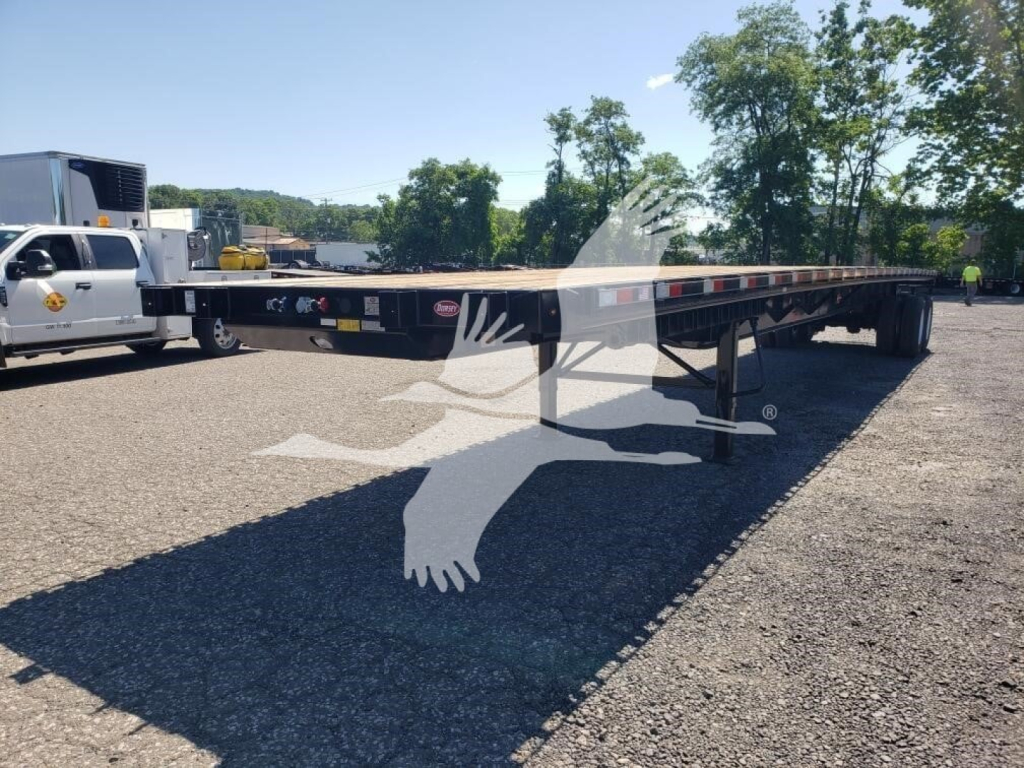
Selling a used 2020 dorsey flatbed trailer? List your used 2020 dorsey flatbed trailer for sale and reach thousands of commercial buyers.
Used 2020 Dorsey Flatbed Trailers
On a used flatbed, the load securement package is just as important as the basic dimensions. Many Dorsey trailers are spec'd with roadside winch tracks, sliding winches, double pipe spools, and structural side rails that can take daily chain and strap work. Buyers hauling coils, pipe, lumber, crated freight, or mixed LTL deck freight should look closely at crossmember spacing, floor condition, rub rail integrity, and the amount of usable securement hardware already installed. A full-length winch track with no breaks can be valuable if the trailer will be used across different commodities instead of one dedicated lane. If the trailer has a 30-inch kingpin setting and a 49-inch sliding tandem, that is a familiar road-legal setup for balancing axle weights in multiple states and loading configurations.
Suspension and running gear deserve a hard look on a 2020 used model because they drive ride quality, tire wear, and annual maintenance cost. Dorsey flatbeds in this year range are often equipped with spring ride suspensions, tandem sliding axles, 295/75R22.5 tires, hub-piloted steel wheels, and two-speed landing gear. Spring ride is simple, durable, and widely serviceable, which makes sense for fleets that prioritize low complexity and easy parts availability. Check tandem slide operation, suspension wear points, brake life, tire age, wheel-end service history, and frame condition around the slider rails. On steel flatbeds, corrosion is not unusual, but buyers should distinguish between expected surface rust and structural rust at crossmembers, side rails, and rear frame areas.
For many operations, the value in a used 2020 Dorsey flatbed comes from buying a straightforward trailer that can stay busy in general freight service. A steel Dorsey deck is often chosen for toughness and repairability, while the open platform keeps loading flexible from dock height to crane and forklift applications. The key buying decision is not just make and year. It is whether the trailer's deck length, tare weight, securement setup, floor life, and suspension spec match your lanes and freight. A 48-foot trailer may fit dense freight and regional work well, while a 53-foot deck gives more room for legal pallet count and longer commodity loads. Buyers comparing listings should focus on structural condition, maintenance history, and how complete the trailer is from a working flatbed standpoint, not just the asking price.
Frequently Asked Questions about Used 2020 Dorsey Flatbed Trailers
What are the common specs on a used 2020 Dorsey flatbed trailer?
Most used 2020 Dorsey flatbed trailers are tandem-axle units in 48-foot or 53-foot lengths and 102-inch width. Common specs include a steel frame, Apitong wood flooring, spring ride suspension, sliding tandem, 295/75R22.5 tires, hub-piloted steel wheels, two-speed landing gear, and roadside winch tracks with sliding winches. Exact tare weight, crossmember spacing, and securement package can vary by original fleet spec.
Is a steel Dorsey flatbed a good fit for general freight?
Yes. A steel Dorsey flatbed is well suited for general open-deck freight such as steel products, lumber, machinery, building materials, pipe, and palletized loads that need side or top loading. Steel construction is valued for durability and repairability, especially in demanding fleet use. The tradeoff is usually higher empty weight than some aluminum or combo trailers, so payload needs should be compared against your freight profile.
What should I inspect first on a used 2020 flatbed trailer?
Start with structural condition. Inspect the main frame, crossmembers, side rails, rear frame, tandem slider area, and landing gear mounts for cracks, bad repairs, or heavy corrosion. Then inspect the deck, especially Apitong floor wear, broken boards, fasteners, and damage from forklifts or chains. After that, review brakes, tires, suspension bushings, wheel ends, lights, and all securement equipment such as winch tracks, winches, spool positions, and rub rail condition.
Why do kingpin setting and sliding tandem matter on a flatbed?
Kingpin setting and sliding tandem position affect bridge compliance, axle weight distribution, and tractor-trailer fit. A common setup such as a 30-inch kingpin with a 49-inch sliding tandem gives operators flexibility to adjust weight distribution based on freight placement and state bridge laws. This matters even more on flatbeds because load position can change significantly depending on whether the trailer is hauling machinery, bundled steel, lumber, or mixed deck freight.
Should I choose a 48-foot or 53-foot Dorsey flatbed?
The right length depends on your freight and operating area. A 48-foot flatbed is still a solid choice for dense or shorter commodities and can work well in regional service where maneuverability matters. A 53-foot flatbed provides more deck space for legal pallet count, longer loads, and broader load planning flexibility. Buyers should compare deck length against actual freight dimensions, route restrictions, and expected revenue per load rather than assuming longer is always better.