
Used 2020 Dorsey Flatbed Trailers For Sale in Pennsylvania
Shop used 2020 Dorsey flatbed trailers in Pennsylvania. Compare 48 ft steel flatbeds, specs, payload-friendly setups, and deck details.
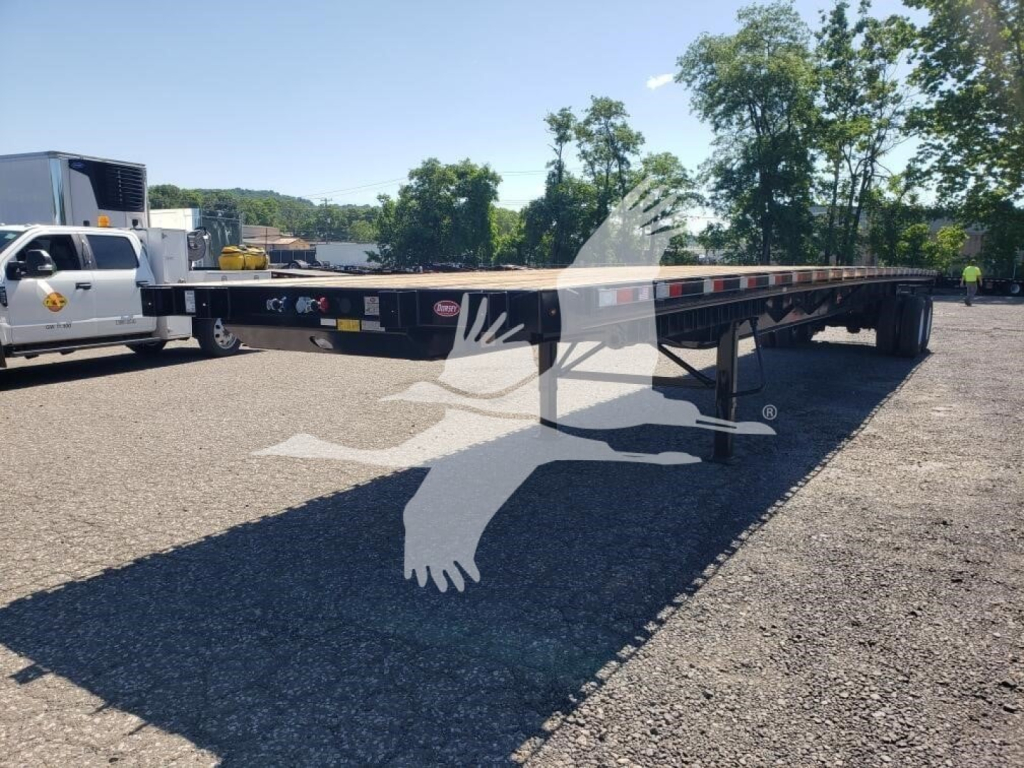
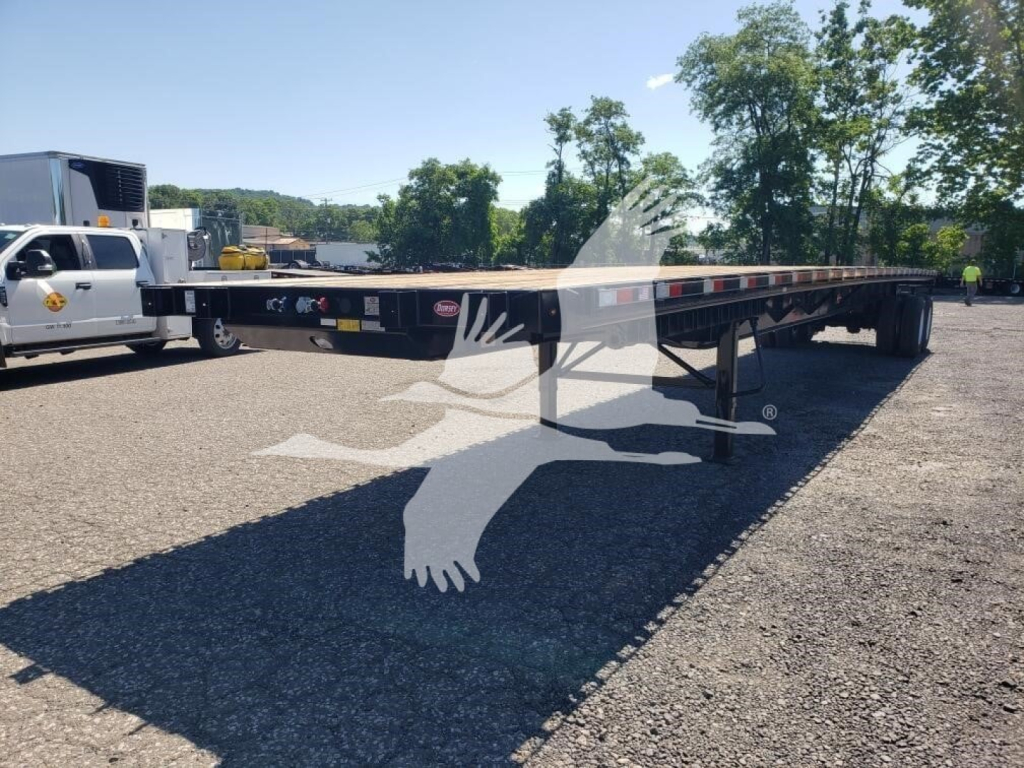
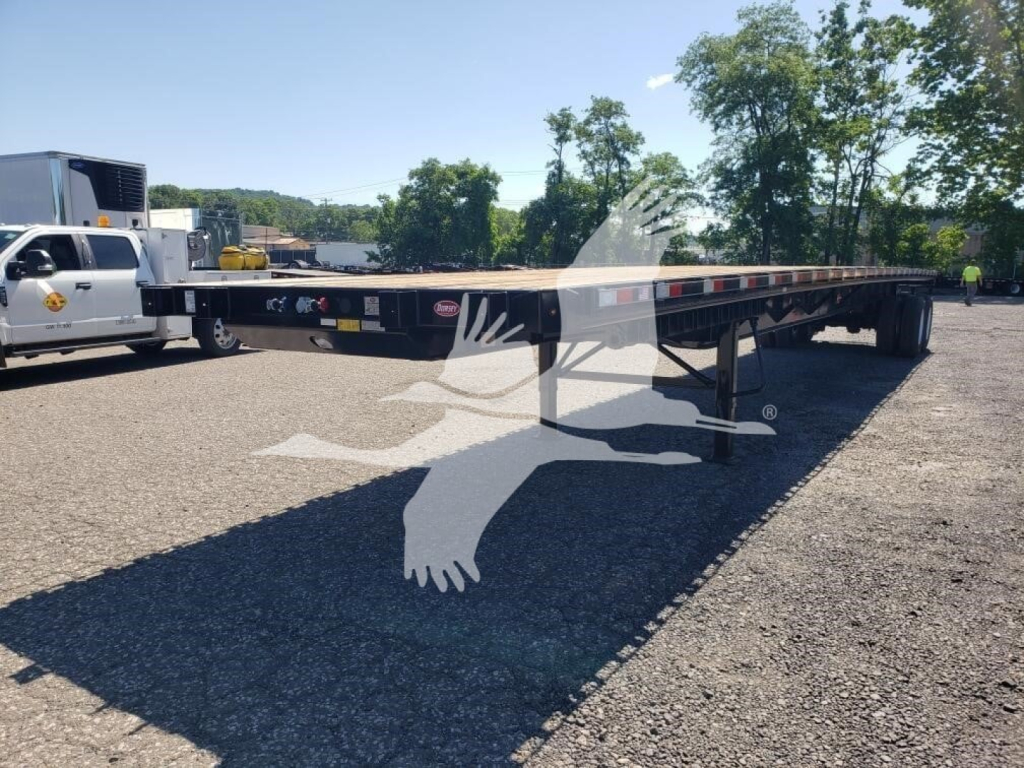
Selling a used 2020 dorsey flatbed trailer? List your used 2020 dorsey flatbed trailer for sale and reach thousands of commercial buyers.
Used 2020 Dorsey Flatbed Trailers in Pennsylvania
The first decision point is usually deck length and tare weight. In this segment, 48-foot by 102-inch trailers are common, and they can be a smart match for carriers that do not need a 53-foot deck every day or want a simpler open-deck trailer for mixed freight. A steel flatbed generally gives up some payload compared with a lightweight aluminum design, but many buyers prefer steel for its ruggedness, repairability, and resistance to hard vocational use. Look closely at the floor condition, crossmember spacing, side rail wear, and the front and rear frame sections, since these areas take the most abuse from forklifts, coils, concentrated loads, and repeated tie-down pressure.
On used Dorsey flatbeds, buyers should pay attention to suspension type, tandem configuration, kingpin setting, and securement equipment. Spring ride tandems are common on work-oriented flatbeds and are valued for simplicity and lower maintenance. Tire size in this class is often 295/75R22.5, with standard two-speed landing gear and steel wheels being typical. If the trailer includes a sliding tandem, inspect rail wear, lock pin engagement, and frame alignment. Also check for a full-length winch track, sliding winches, pipe spools, stake pockets, rub rail condition, and any deck damage around the outer edges where chains and straps are most often used.
A used 2020 Dorsey flatbed trailer is often best judged by prior application and structural condition more than by age alone. Buyers in Pennsylvania should inspect for corrosion on the underside, around suspension hangers, wiring clips, light connections, and landing gear mounts due to winter road treatment. Brake condition, bushing wear, tire matching, and signs of frame repairs are equally important. If your operation handles dense freight, confirm the trailer's weight distribution characteristics, axle spacing, and deck rating so it matches your typical commodity and legal route requirements.
Frequently Asked Questions about Used 2020 Dorsey Flatbed Trailers in Pennsylvania
What should I inspect first on a used 2020 Dorsey flatbed trailer?
Start with the structure. Check the main beams, crossmembers, side rails, winch track, landing gear mounts, and tandem slider area for cracks, repairs, corrosion, or signs of overload. Then inspect the deck for rot, delamination, forklift damage, and fastener issues. On a steel flatbed, frame condition and underside corrosion usually matter more than cosmetics.
Are steel Dorsey flatbed trailers a good choice compared with aluminum flatbeds?
A steel Dorsey flatbed is often chosen for durability, lower repair complexity, and hard-use applications. The tradeoff is higher tare weight, which can reduce payload versus a lighter aluminum flatbed. For buyers hauling machinery, construction materials, or dense freight in demanding environments, steel can be a very practical choice if the weight penalty fits the freight mix.
Is a 48-foot flatbed trailer enough, or should I look for a 53-foot model?
A 48-foot flatbed works well for many regional and mixed-freight applications and can be easier to position in tighter delivery environments. A 53-foot flatbed offers more deck space and often more flexibility for longer or more irregular freight. The right choice depends on the commodity, loading pattern, customer requirements, and the states where the trailer will run.
What suspension setup is common on used Dorsey flatbeds from this era?
Spring ride is a common setup on work-focused flatbeds from this period. Buyers often like it because it is simple, proven, and generally less expensive to maintain than more complex systems. The key inspection points are spring condition, hanger integrity, equalizers, bushings, axle alignment, and brake wear across both axles.
What matters most for Pennsylvania buyers shopping used flatbed trailers?
Pennsylvania buyers should pay extra attention to corrosion, brake condition, tire condition, and electrical reliability. Winter road salt and freeze-thaw cycles can accelerate rust around suspension components, light harnesses, and landing gear brackets. It is also important to verify the trailer matches regional bridge law considerations, axle settings, and the kind of freight typically hauled across the Northeast.