
Used Fontaine Trailers For Sale in Colorado
Browse used Fontaine trailers in Colorado, including Infinity flatbeds and lowboys, with specs buyers compare for payload, deck setup, and axle design.
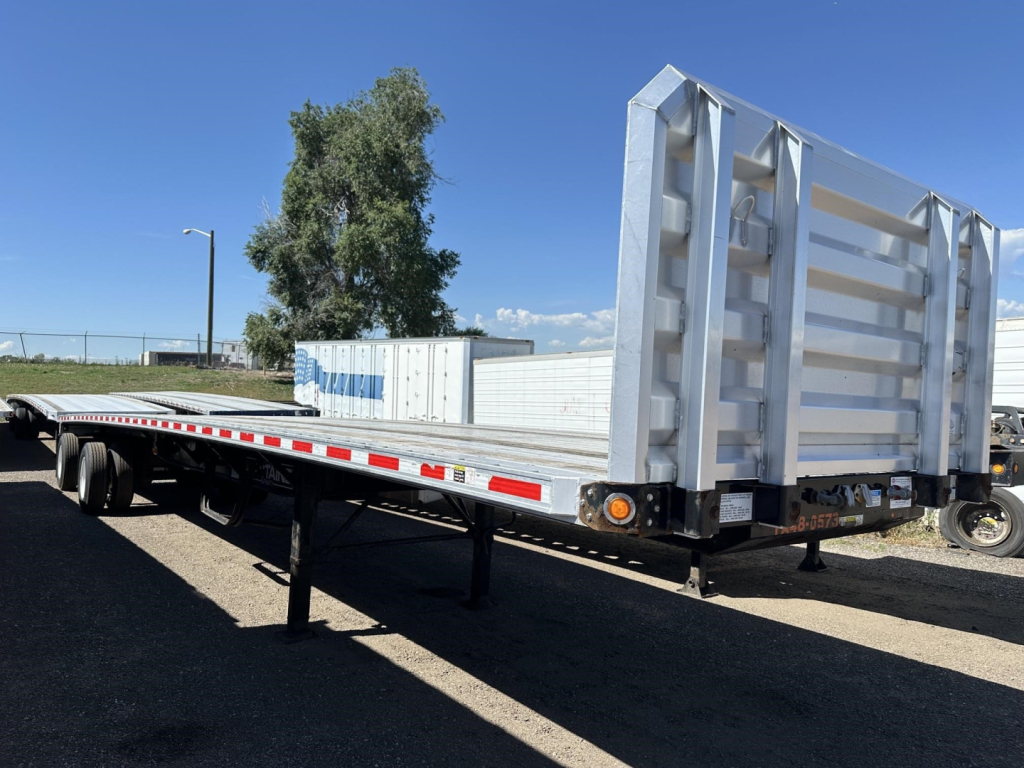
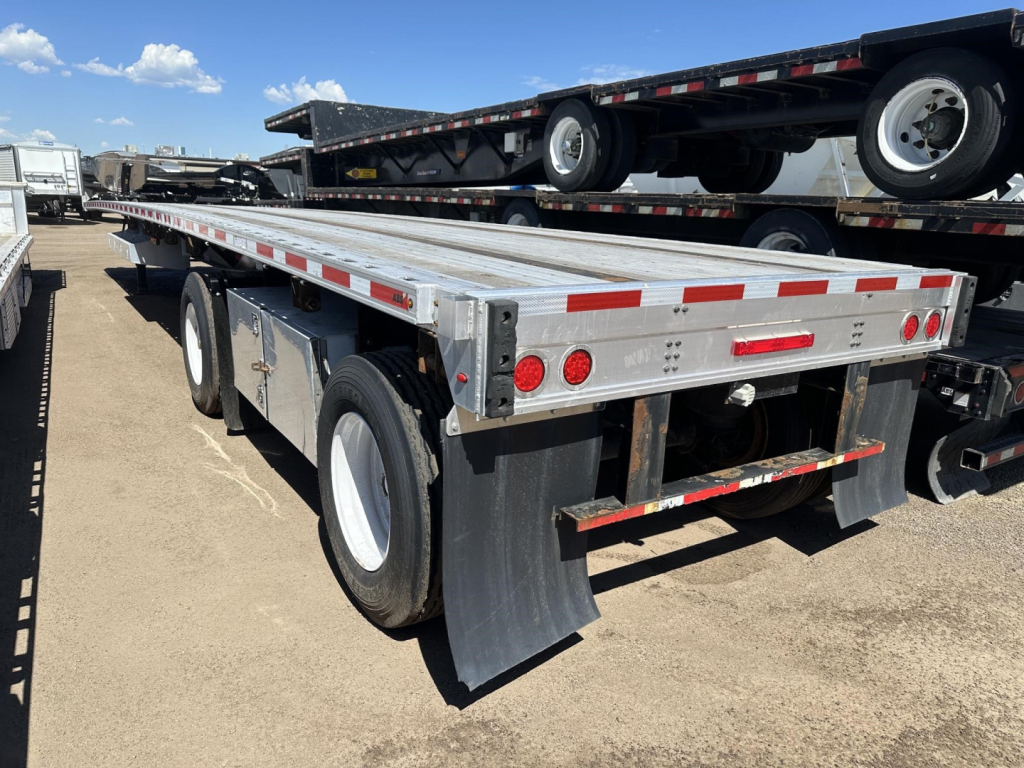
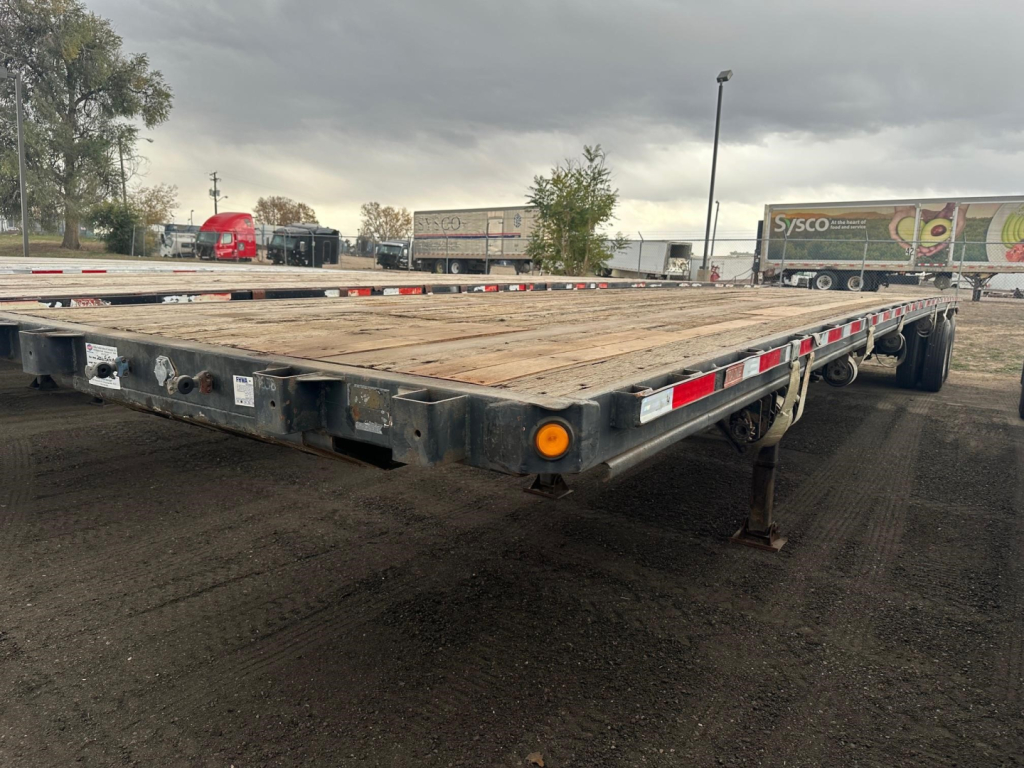
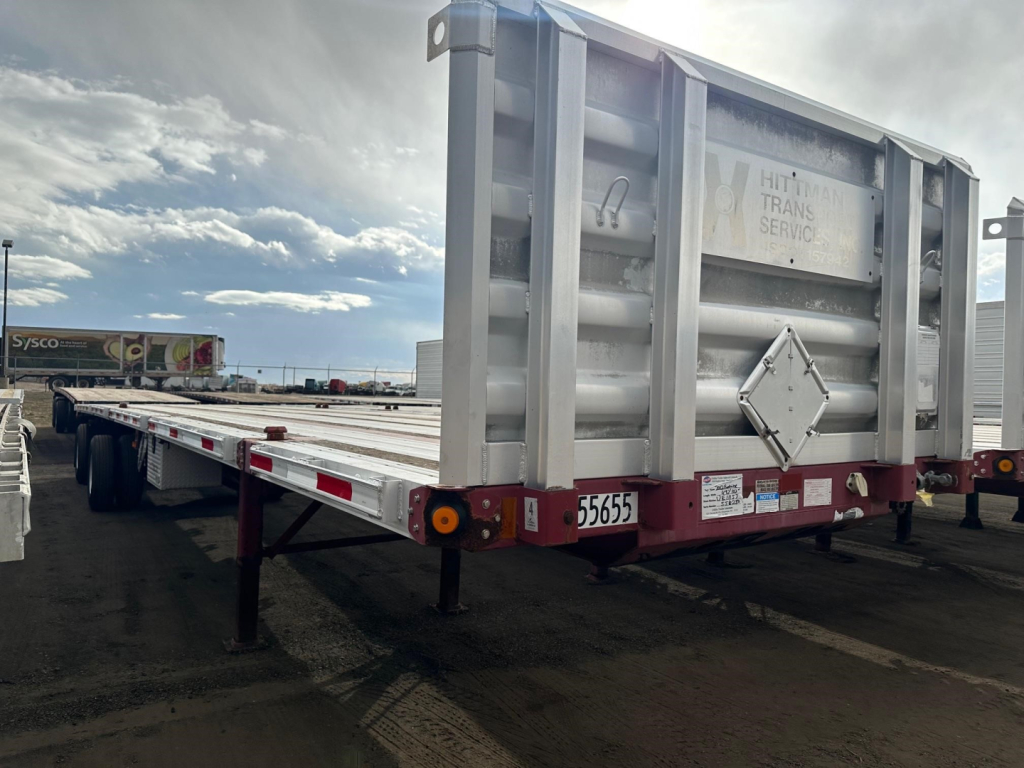
Selling a used fontaine trailer? List your used fontaine trailer for sale and reach thousands of commercial buyers.
Used Fontaine Trailers in Colorado
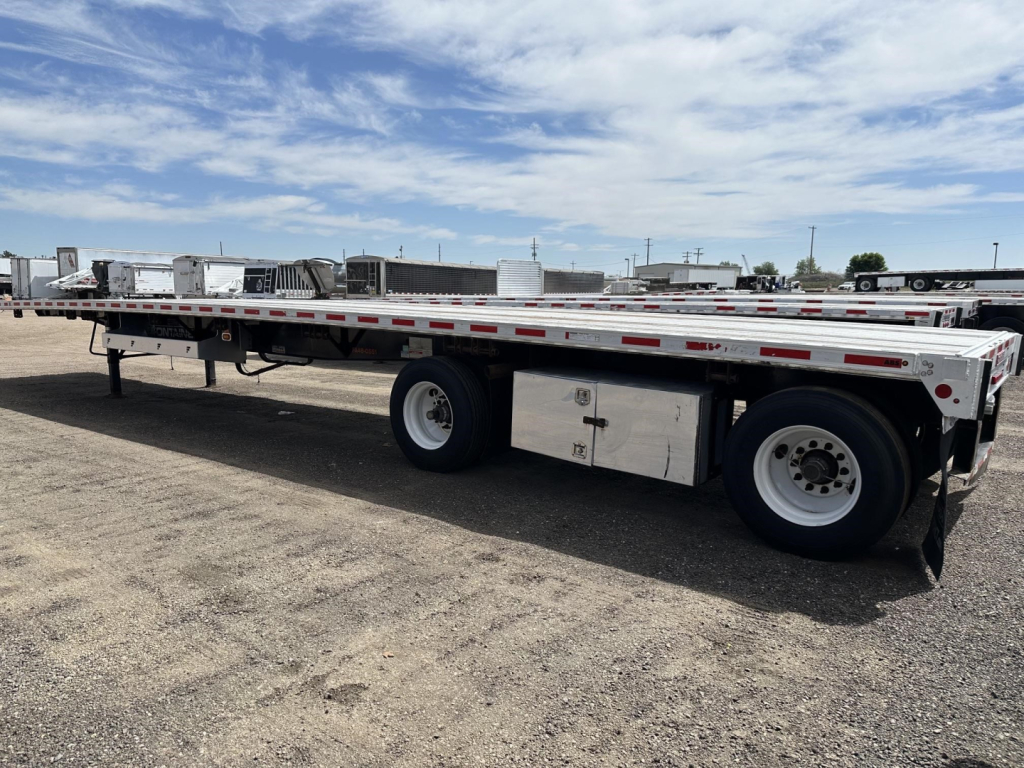
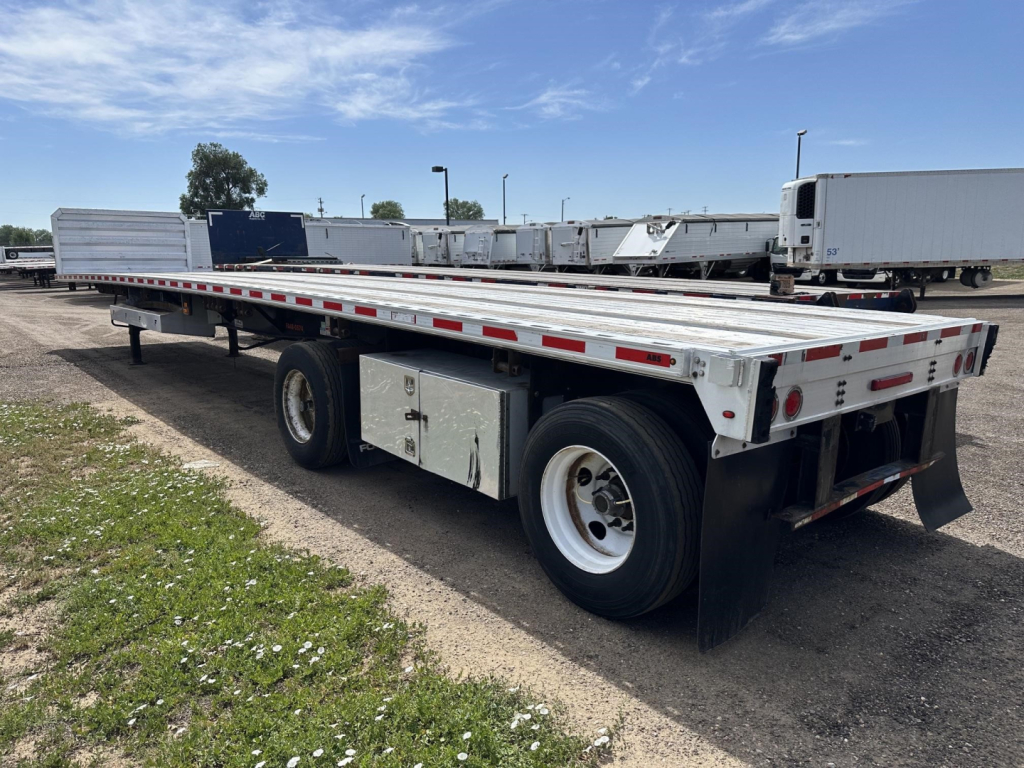
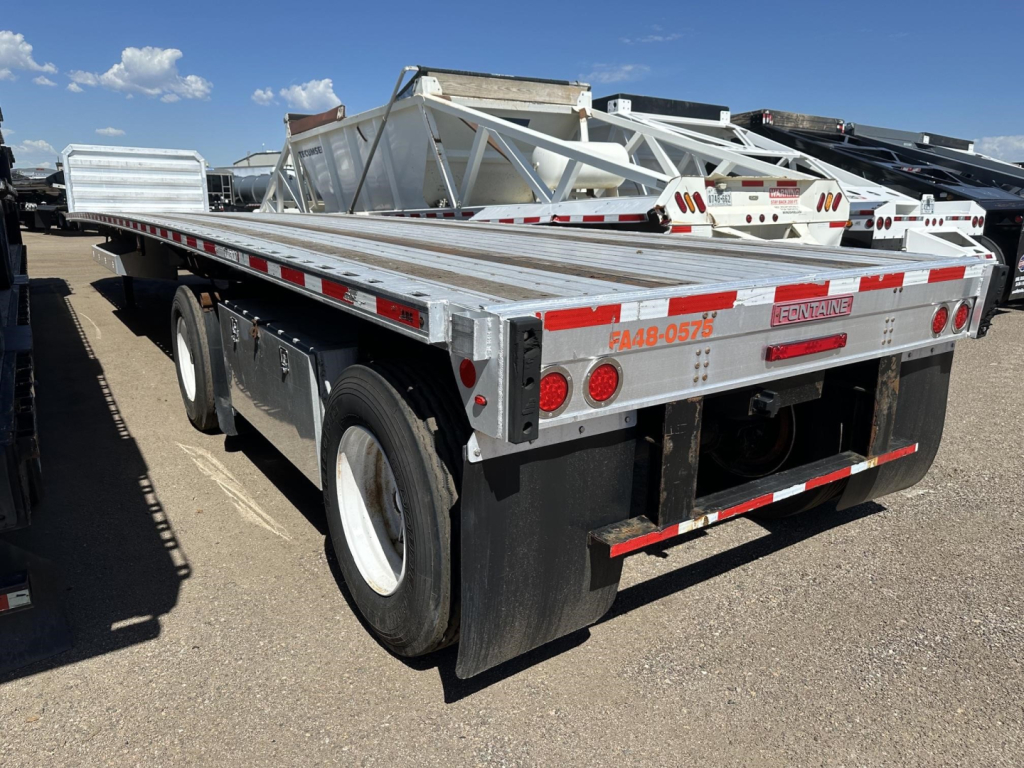
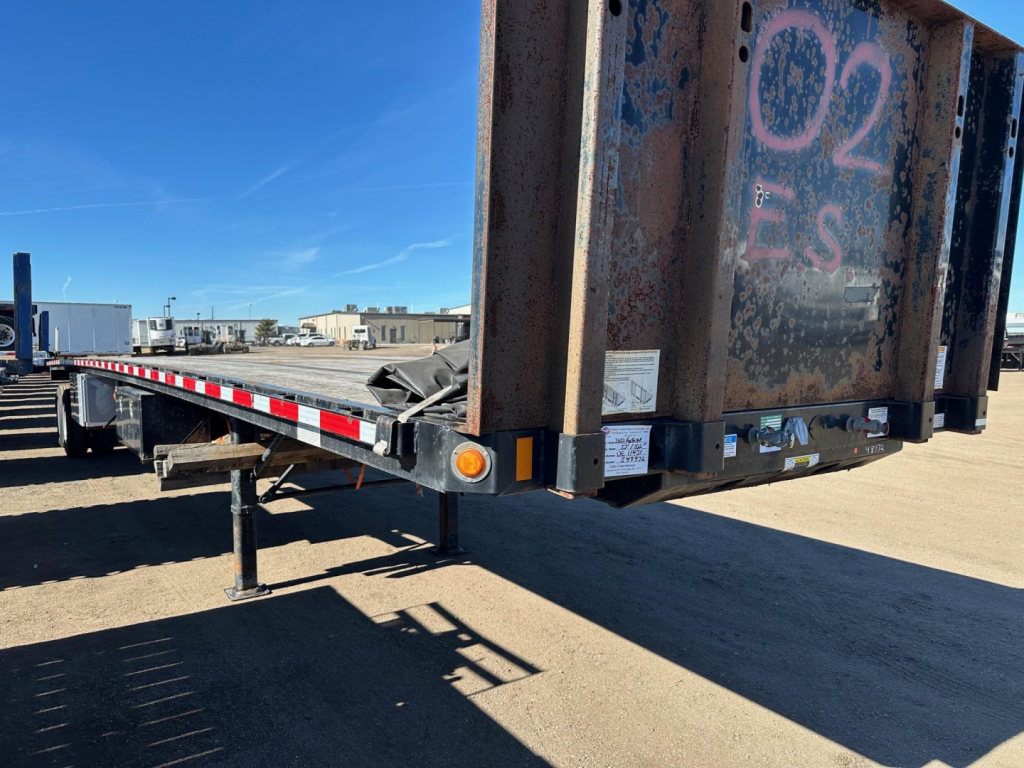
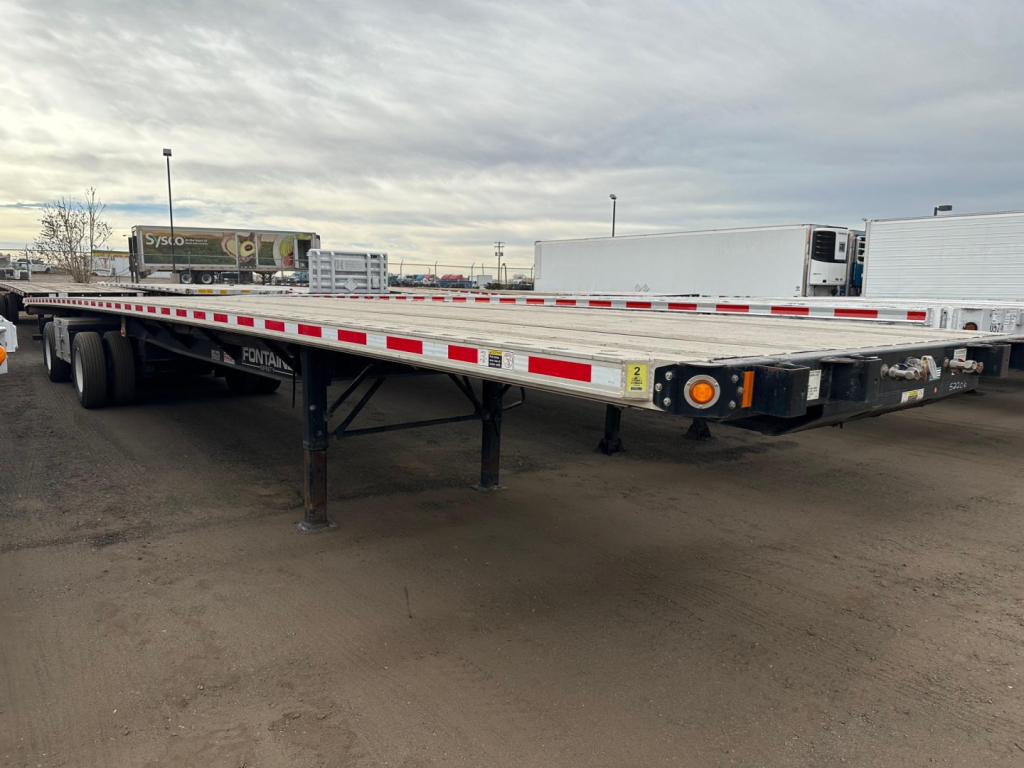
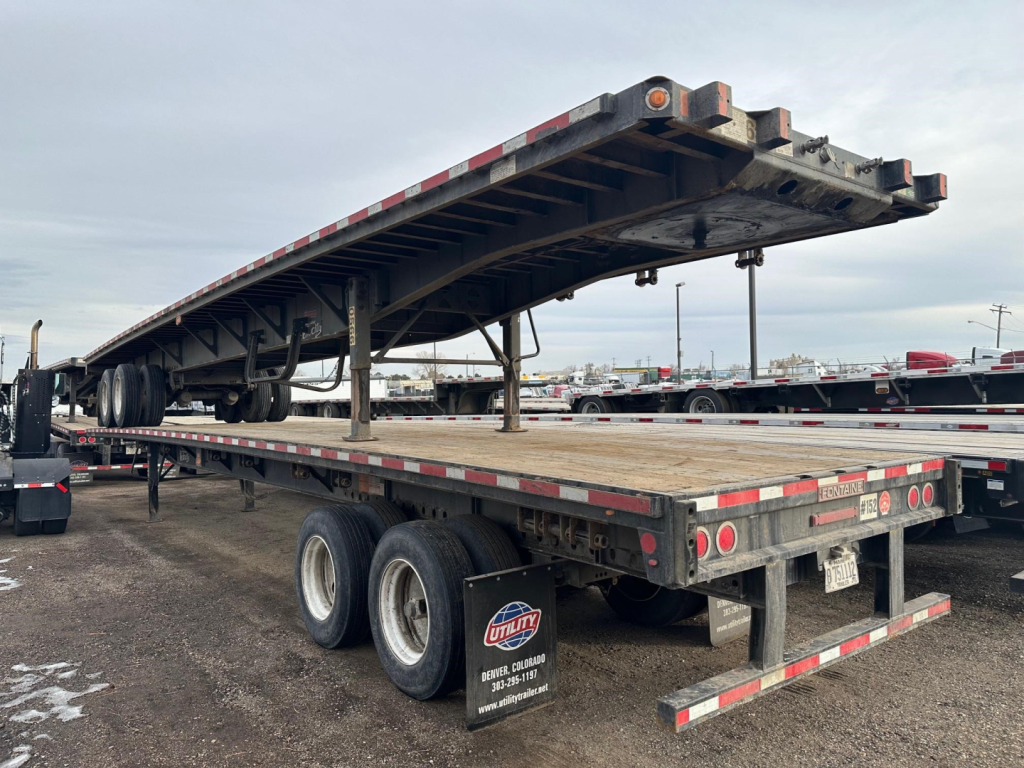
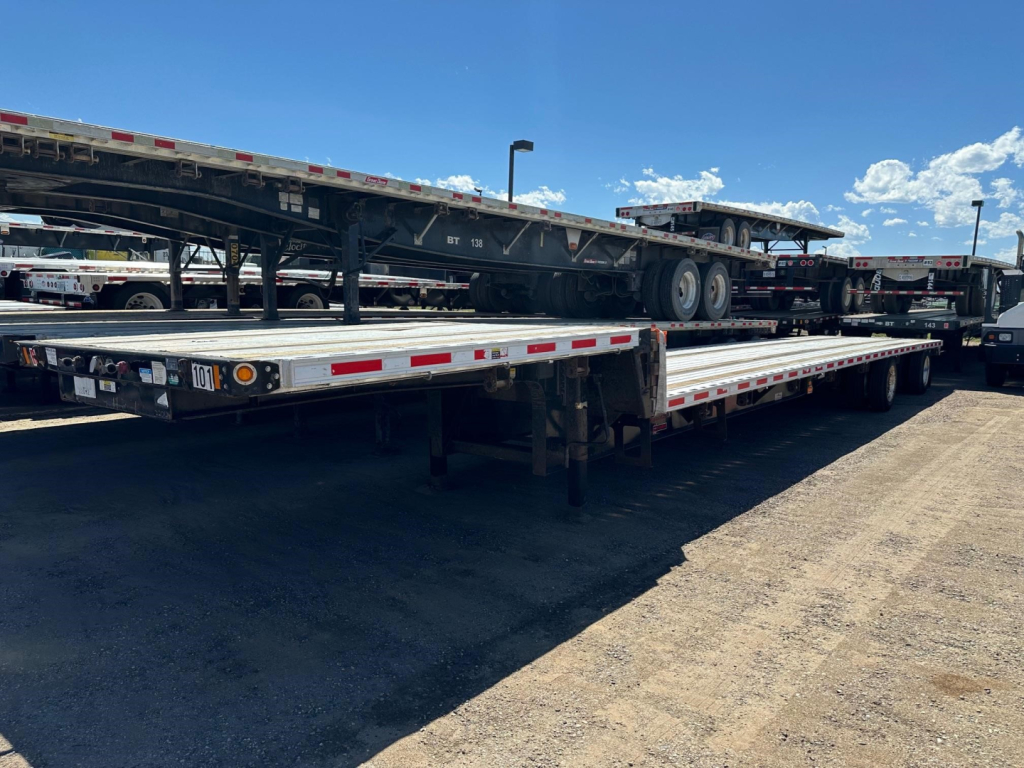
On the flatbed side, key spec decisions start with deck length, axle spread, and securement layout. Common used configurations include 48-foot and 53-foot by 102-inch decks, often with spread axle air ride suspensions and 22.5 low-profile rubber. Features like sliding winches, pull-up chain ties, stake pockets, pipe spools, coil packages, bulkheads, dunnage racks, and nail strips matter more than brand decals once the trailer is working every day. Buyers should look closely at deck condition, rail wear, crossmember repairs, suspension alignment, and the condition of the winch track or RASR-style rail systems. In mountain and mixed-weather service, wheel-end condition, brake life, and tire matching are worth extra attention, especially on used spread axle flatbeds that may have seen heavy regional freight.
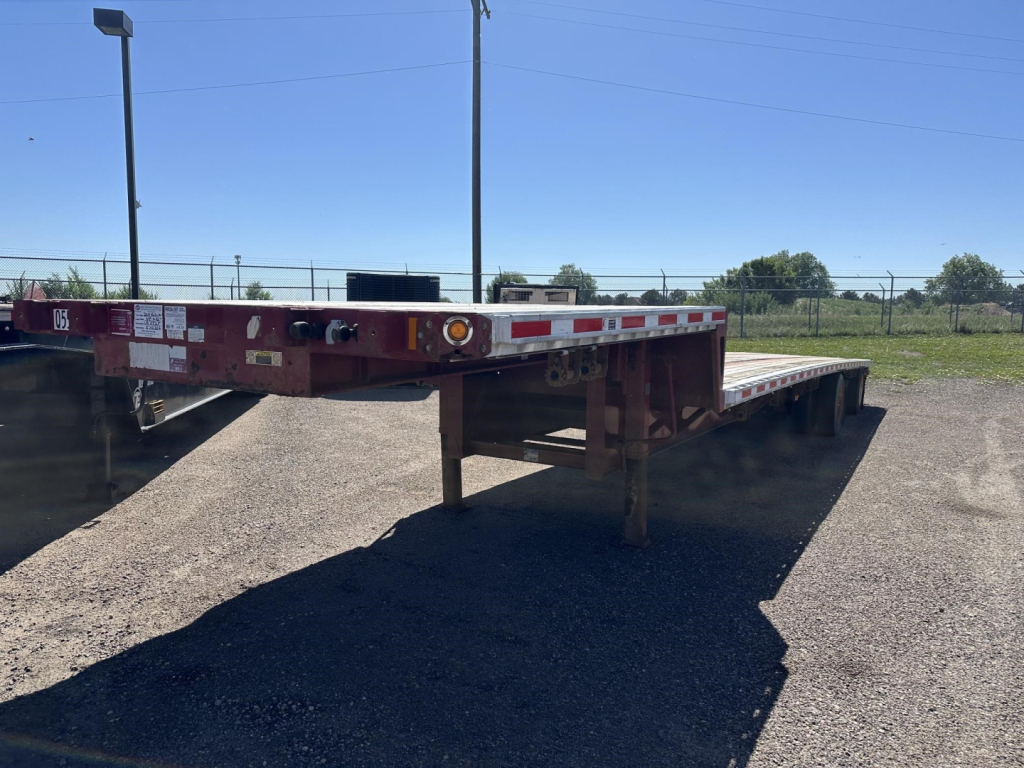
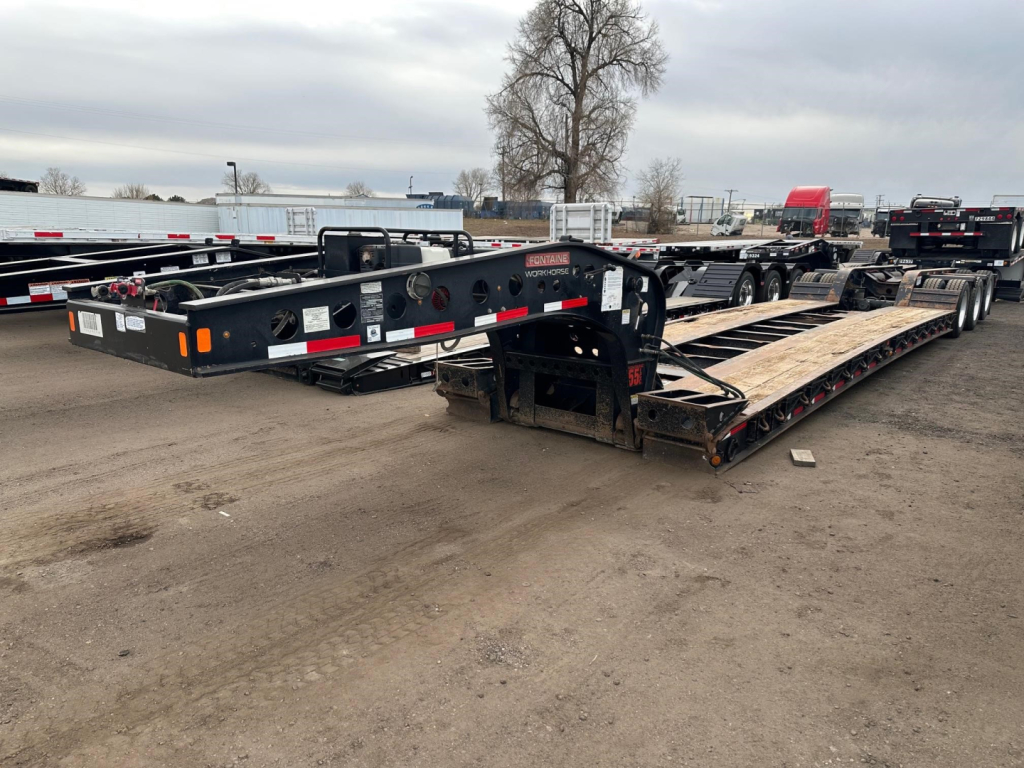
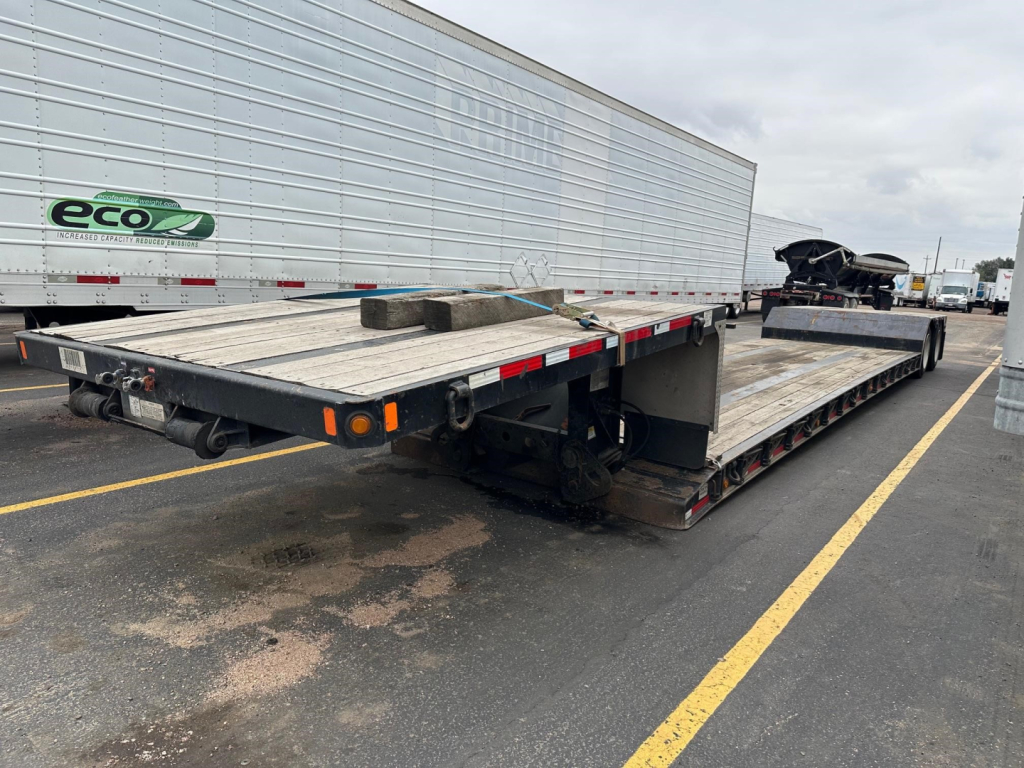
Fontaine lowboys appeal to buyers moving iron, construction equipment, and other concentrated loads where deck height and load angle are critical. A used hydraulic detachable gooseneck, also called an RGN lowboy, can be a strong fit for contractors and heavy-haul operators that need quick loading without dedicated dock access. Important specs include ton rating, well length, overall deck length, axle count, outriggers, D-rings, boom troughs, bucket wells, ride height adjustment, and whether the trailer uses a pony motor or tractor hydraulics. On a used lowboy, inspect the neck structure, hydraulic system, frame transitions, axle group, lift axle operation, and any signs of fatigue around outriggers and concentrated load areas. Those points affect both safety and long-term maintenance cost.
For a buyer comparing used Fontaine trailers, the best value usually comes from matching trailer spec to freight profile instead of chasing the newest model year. A 48-foot combo flatbed with a coil package and chain tie setup fits steel and building products differently than a 53-foot deck built around general commodity freight. A 55-ton lowboy with a 26-foot well and tri-axle rear is a very different ownership proposition than a standard open-deck trailer, with higher maintenance demands but much broader heavy-equipment capability. Fontaine remains a respected name because many of these trailers are built for repeated loading, securement, and regional punishment, but the right used purchase still depends on frame condition, prior use, maintenance history, and how closely the trailer's equipment matches the job.
Frequently Asked Questions about Used Fontaine Trailers in Colorado
What are the most common used Fontaine trailer types buyers look for?
The most common used Fontaine trailers on the market are flatbeds and lowboys. Fontaine Infinity flatbeds are popular for general open-deck freight, steel, lumber, machinery, and building products because they often combine steel main beams with aluminum components to reduce tare weight. Fontaine lowboys, especially hydraulic detachable gooseneck models, are typically chosen for construction equipment, agricultural machines, and heavier concentrated loads that require a lower deck height.
What should I inspect first on a used Fontaine flatbed?
Start with the main beams, crossmembers, deck surface, and rails because those areas reveal how the trailer was loaded and maintained. Check for cracked welds, bent components, patch repairs, damaged winch tracks, worn nail strips, and elongation around stake pockets or chain tie locations. Suspension condition, axle alignment, brake components, tire wear, and wheel-end maintenance are also critical because those items directly affect running cost and roadability.
Is a combo Fontaine flatbed better than an all-steel flatbed?
A combo flatbed is often preferred when payload matters because steel main beams provide strength while aluminum decking and side structure help reduce empty weight. That setup is common in open-deck freight where every pound of tare can affect legal payload. An all-steel trailer can still make sense in severe-service work, but many buyers see combo construction as the better balance of durability, corrosion resistance, and weight savings.
What matters most when buying a used Fontaine lowboy?
Capacity rating, well length, axle configuration, and gooseneck type are the main items to match to your loads. After that, inspect the hydraulic system, neck locking components, frame structure, outriggers, deck transitions, and suspension. A lowboy may look clean and still have expensive issues in the detachable neck, lift axle system, or concentrated-load areas, so a detailed structural and hydraulic inspection is essential.
Are spread axle Fontaine trailers a good fit for Colorado hauling?
Spread axle Fontaine trailers can be a strong fit for Colorado freight because they offer good load distribution and stability for many open-deck applications. Buyers still need to consider bridge-law requirements, turning radius, tire scrub, and how the axle spread affects local jobsite maneuverability. In mountain service, air ride condition, brake performance, and tire quality deserve extra scrutiny because grades and weather put more demand on the running gear.