
Used Fontaine Flatbed Trailers For Sale in Colorado
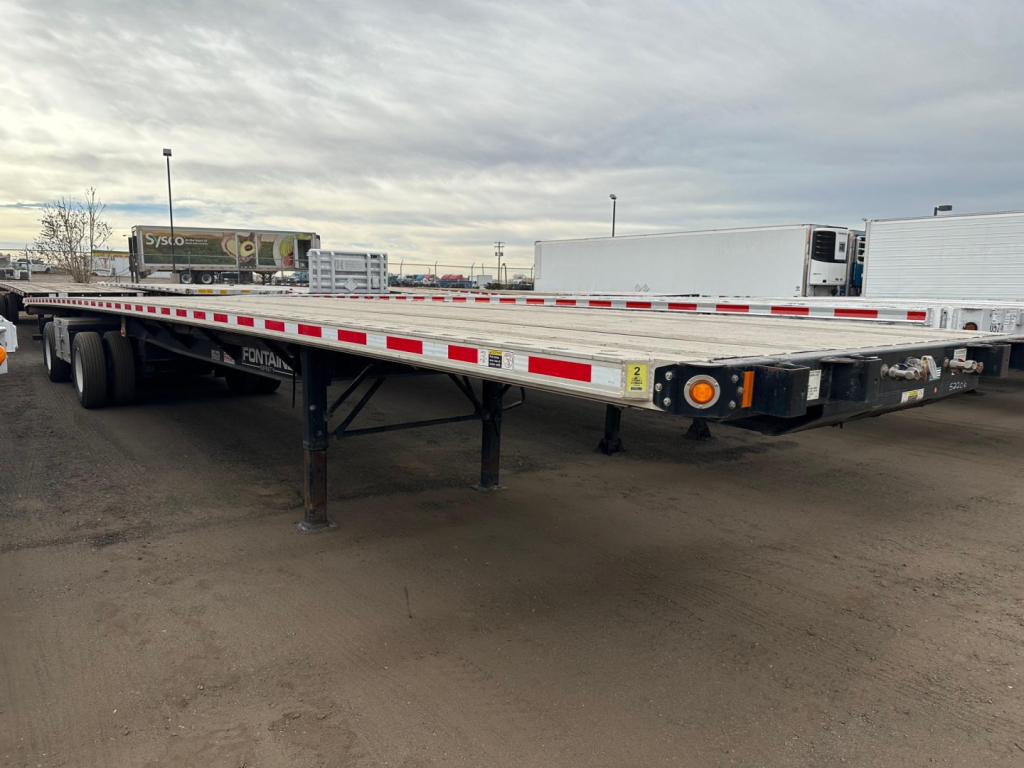
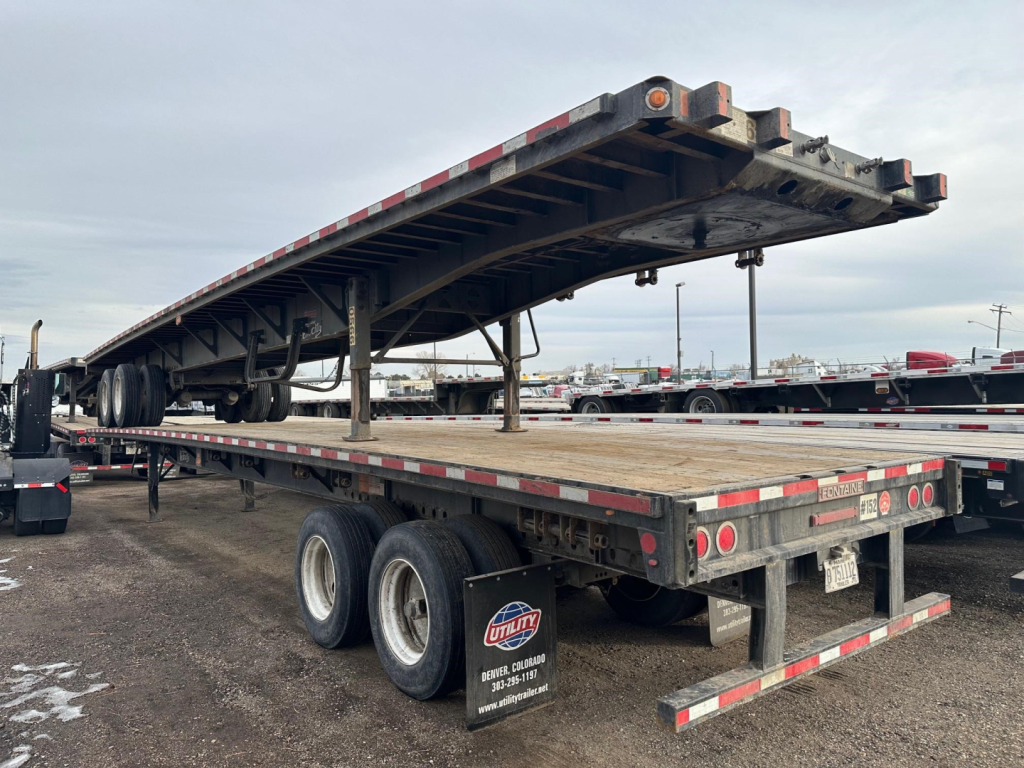
Shop used Fontaine flatbed trailers for sale in Colorado. Compare steel and combo flatbeds, 48' and 53' lengths, spread or tandem axle setups.
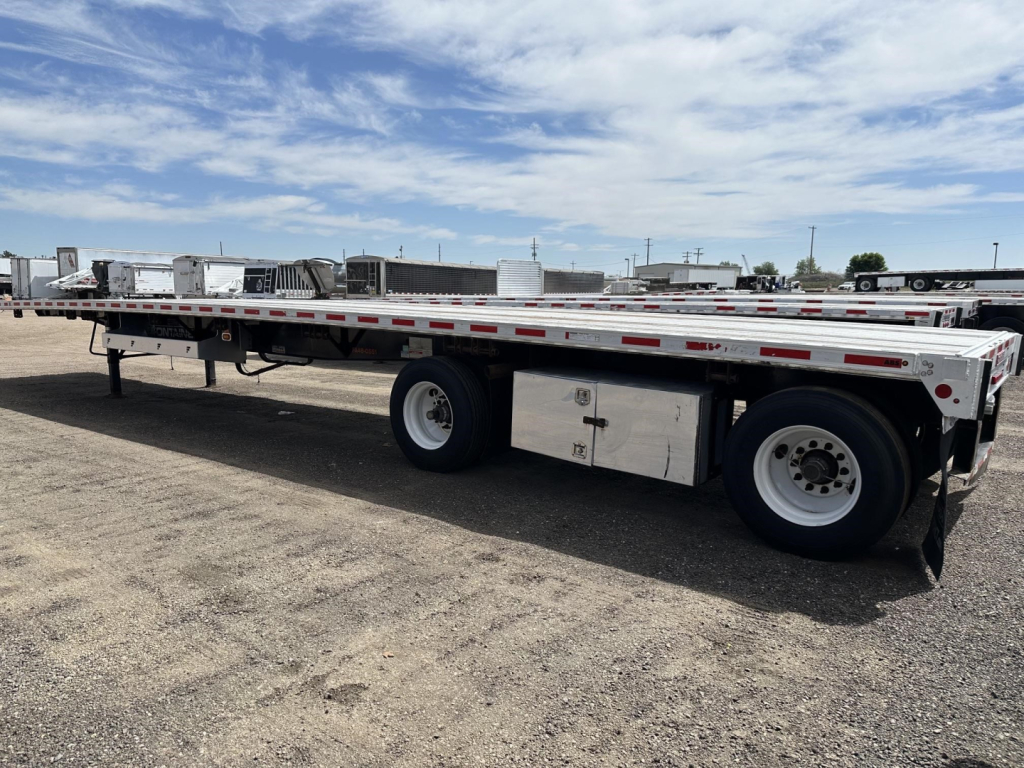
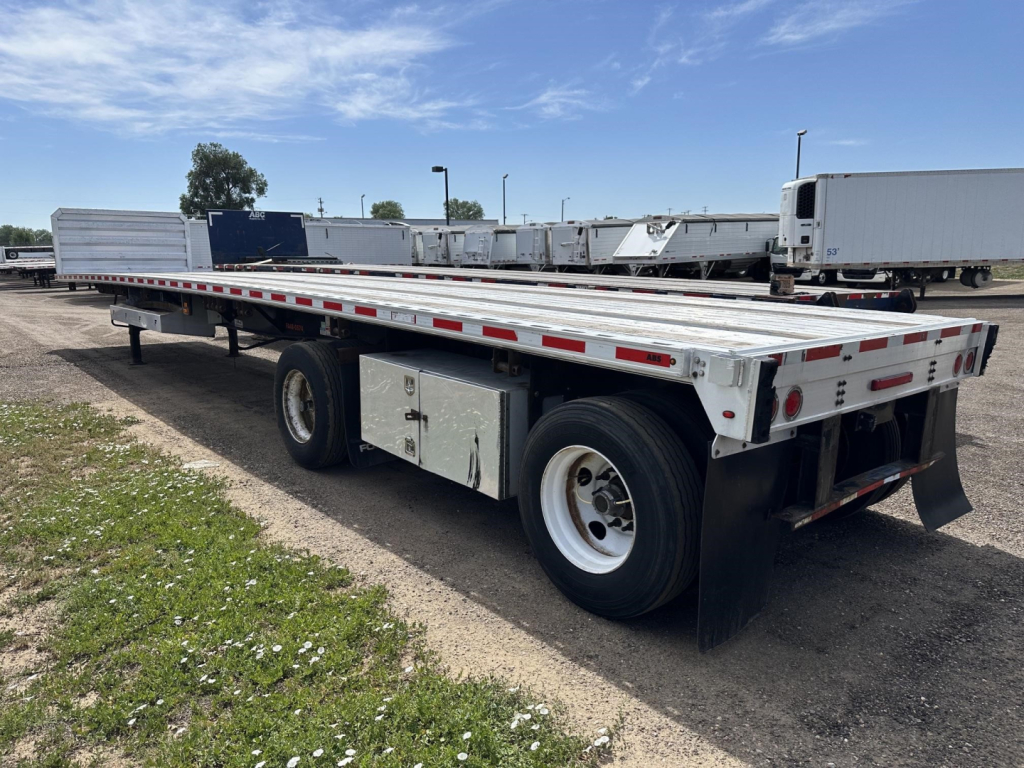
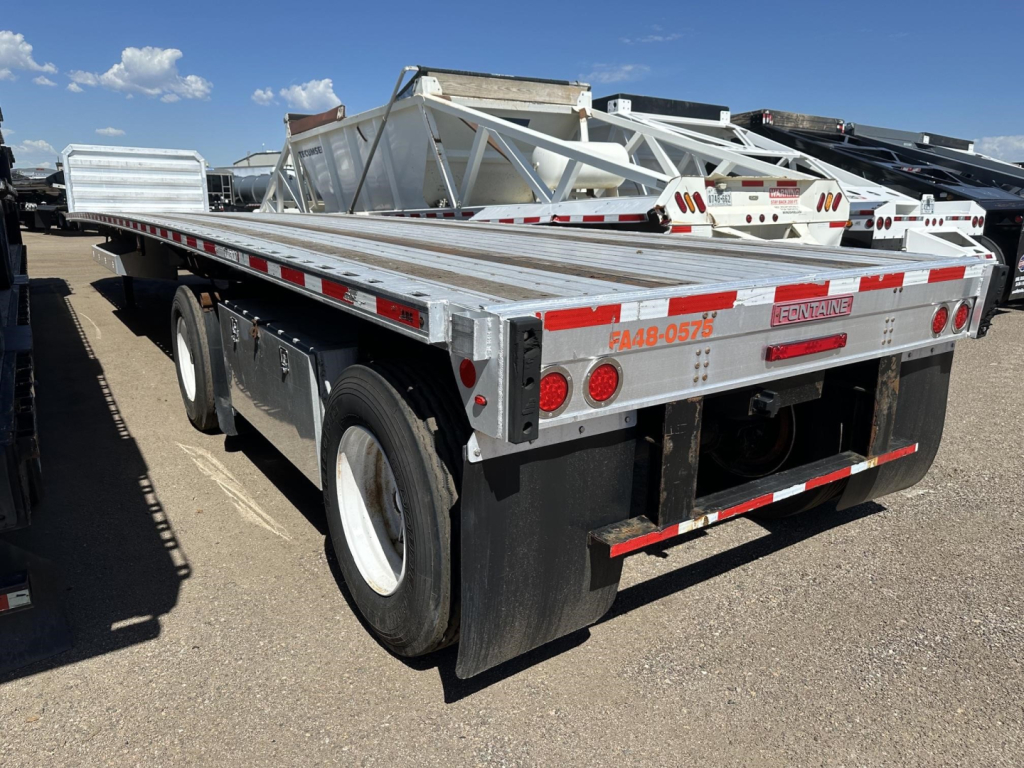
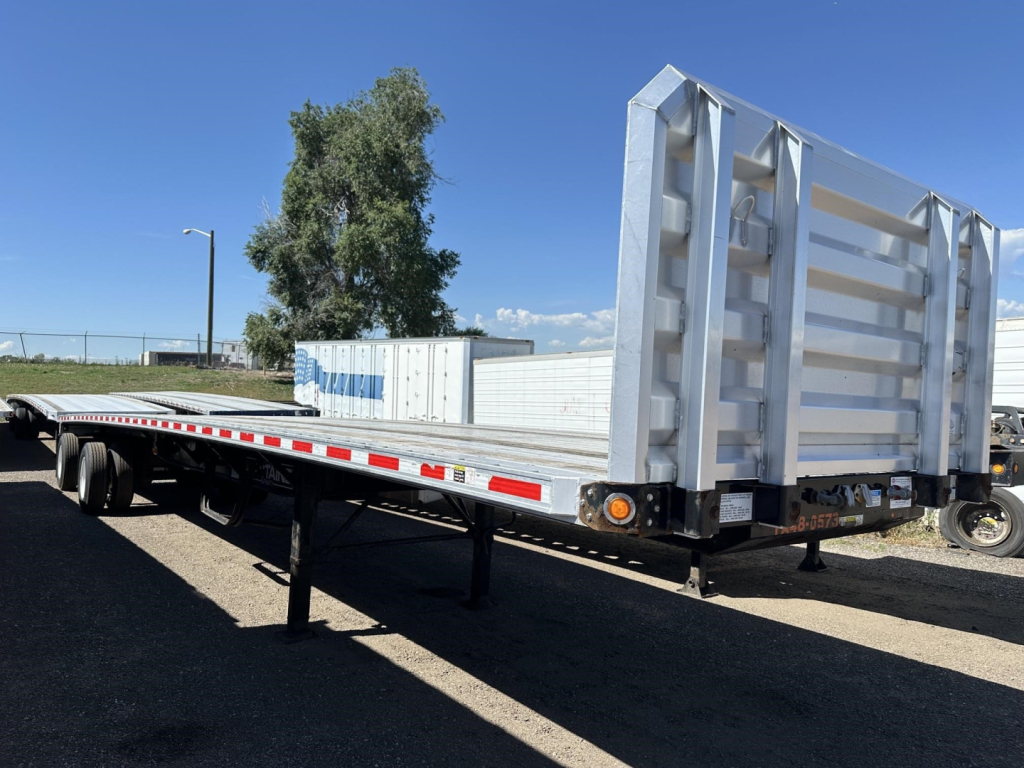
Selling a used fontaine flatbed trailer? List your used fontaine flatbed trailer for sale and reach thousands of commercial buyers.
Used Fontaine Flatbed Trailers in Colorado
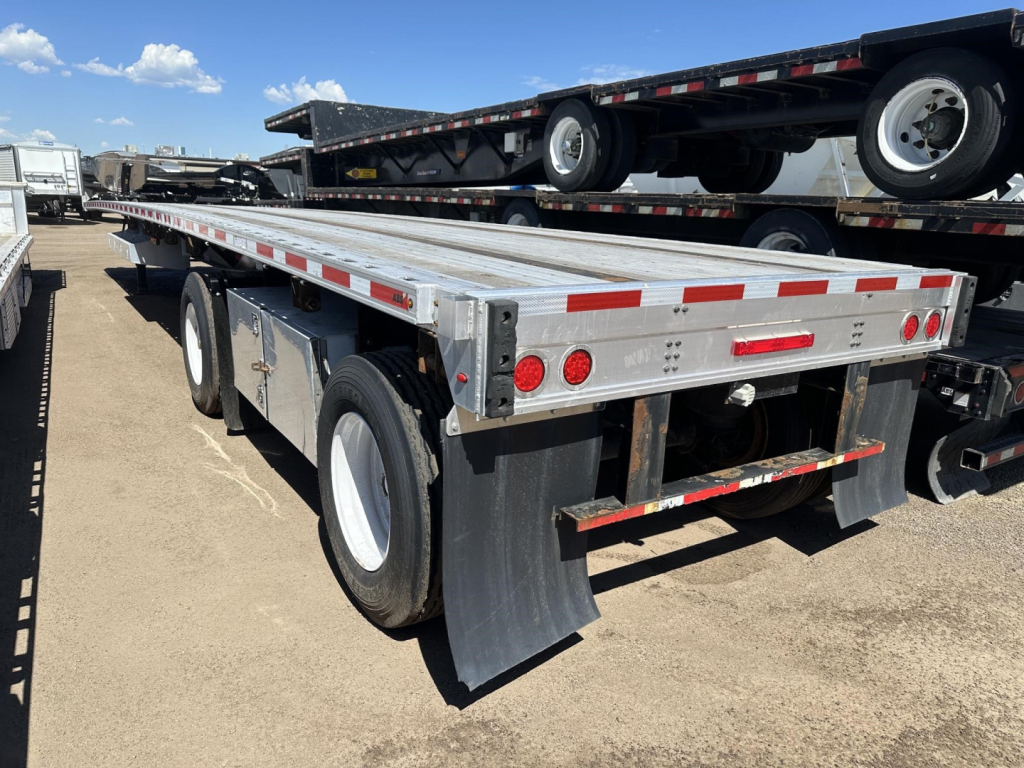
The first decision usually comes down to construction and axle layout. A steel flatbed is often preferred in tougher vocational use where abuse resistance matters more than weight savings. A combo flatbed typically uses steel in the main structure with aluminum decking and rails to cut weight while keeping strength where it counts. Common lengths are 48 feet and 53 feet at 102 inches wide. In Colorado, axle spread and suspension matter because buyers may be balancing bridge law, regional hauling practices, and ride quality. Used Fontaine flatbeds often show up with closed tandem sliders, fixed spread axles, spring ride, or air ride suspensions. Air ride is generally favored for freight protection and ride quality, while spring ride can be simpler and lower cost to maintain.
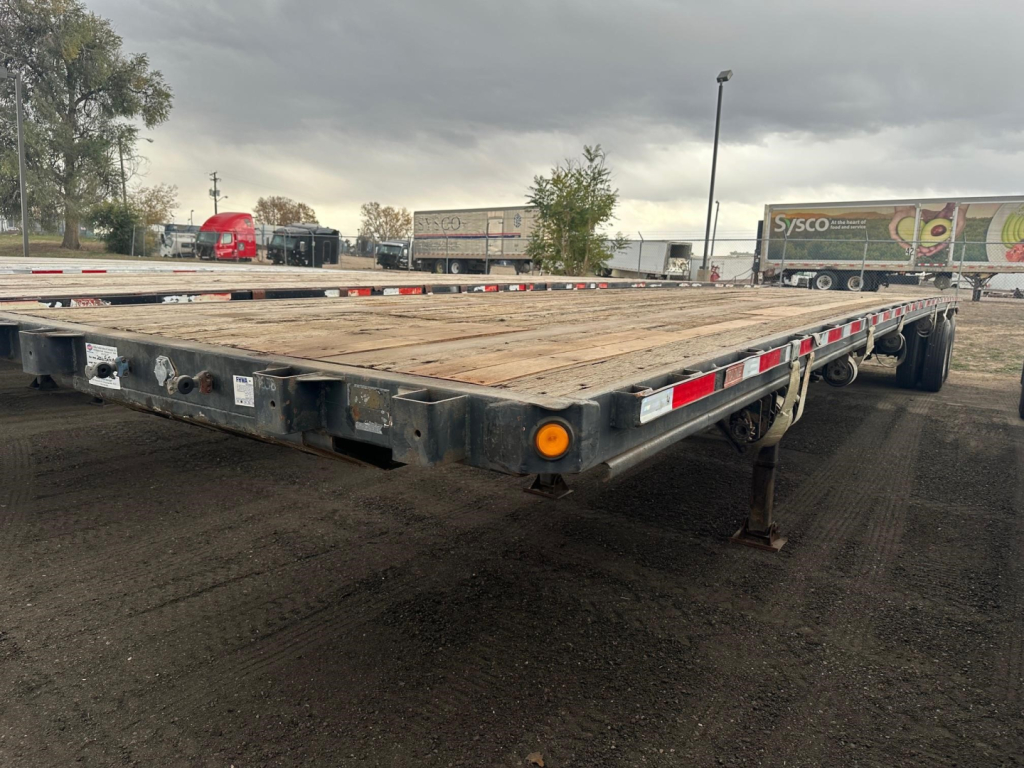
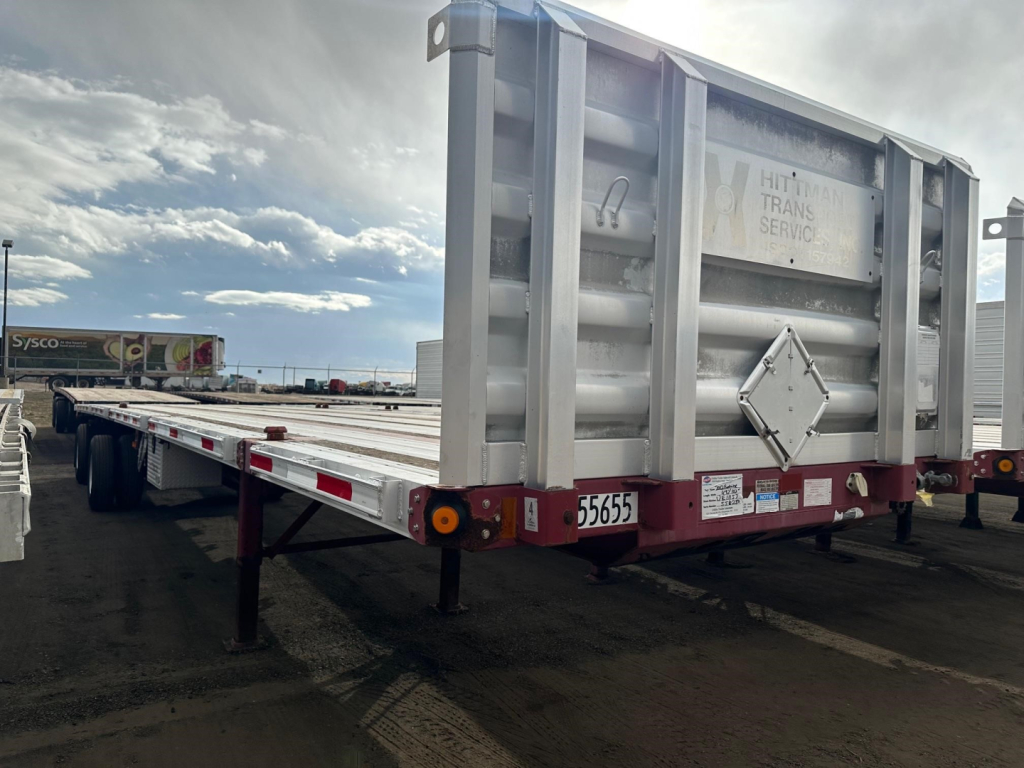
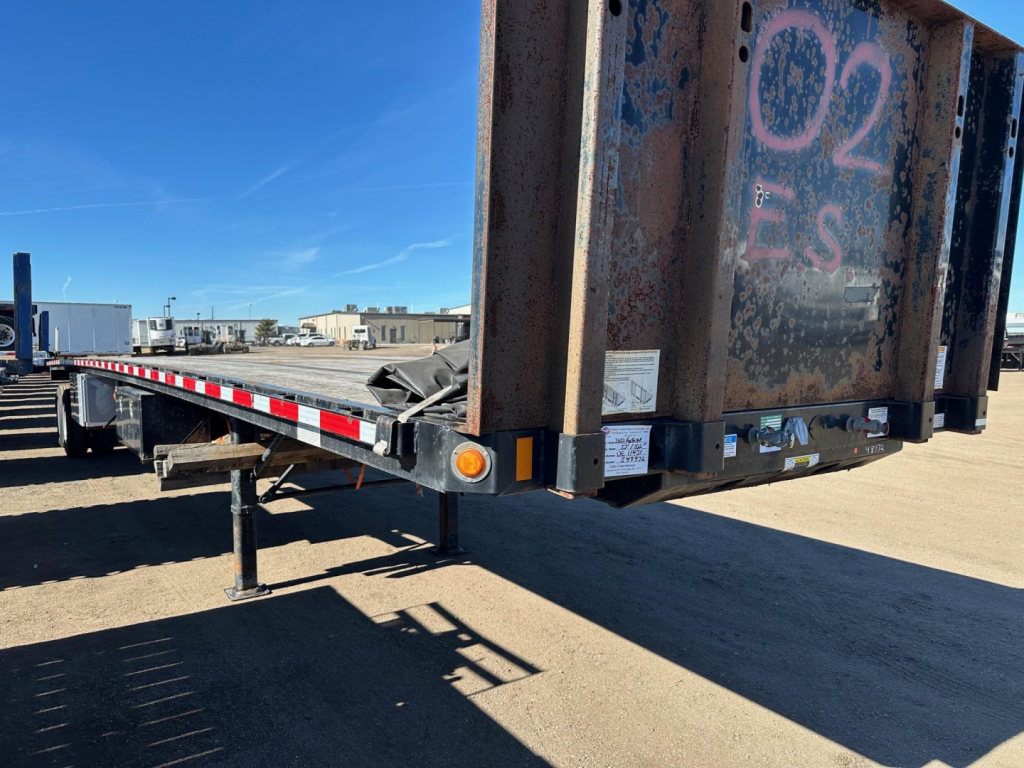
Deck and securement details deserve close attention because they determine how versatile the trailer will be day to day. Many Fontaine flatbeds are equipped with Apitong or other wood decking, while combo models may use aluminum decks with nail strips. Stake pockets, pipe spools, sliding winches, pull-up chain ties, and coil packages are all common working specs. A coil package is important if you expect to haul steel coils safely and legally. Features like RASR rails, bulkheads, dunnage racks, tool boxes, LED lighting, and tire inflation systems can also add real value by improving securement flexibility, storage, visibility, and tire life. Tire size, wheel type, and ICC bumper condition are worth checking, especially on used trailers that may have seen mixed regional freight.
A good used Fontaine flatbed buyer should evaluate crossmember condition, deck wear, rail damage, kingpin area integrity, slider operation, suspension condition, brake life, and signs of frame repairs or concentrated overload damage. On combo trailers, pay attention to corrosion at steel-to-aluminum interfaces and inspect securement hardware for wear. On steel models, surface rust is common, but beam condition and structural integrity matter more than cosmetics. If your freight mix includes lumber, machinery, building products, palletized freight, or steel, a used Fontaine flatbed can cover a wide range of applications as long as the spec matches the work. The best value usually comes from choosing the right deck length, axle configuration, and securement package before focusing on appearance alone.
Frequently Asked Questions about Used Fontaine Flatbed Trailers in Colorado
What is the difference between a Fontaine steel flatbed and a Fontaine combo flatbed?
A Fontaine steel flatbed uses steel for the primary structure and typically for more of the trailer overall, which usually means a lower purchase price and strong durability in hard-use applications. A Fontaine combo flatbed generally uses steel main beams with aluminum decking and rails to reduce tare weight. That lighter weight can improve payload potential and may help operations that haul dense freight and want every available pound of legal capacity.
Which axle setup is better on a used Fontaine flatbed, closed tandem or spread axle?
The right axle setup depends on the freight, lanes, and state regulations. A closed tandem slider offers flexibility in axle positioning and is common for general freight operations that need to manage bridge laws and loading balance. A spread axle flatbed can offer stability and may work well for certain load profiles, but it is less flexible in some loading situations and can increase tire scrub in tight turns. Buyers in Colorado and multistate operations should match the axle layout to their regular routes and load weights.
What features should I look for on a used Fontaine flatbed trailer?
The most important features are the ones that support your actual freight. Stake pockets, sliding winches, pipe spools, chain ties, and a coil package matter if you haul steel, machinery, or building materials. Deck type is also important because wood decks are easy to work with and repair, while aluminum deck designs reduce trailer weight. Air ride suspension, LED lights, tool boxes, dunnage racks, and tire inflation systems can also improve long-term usability and operating efficiency.
How do I inspect a used Fontaine flatbed before buying?
Start with the frame, main beams, crossmembers, kingpin plate, suspension, brakes, and axle alignment. Check the deck for rot, cracking, impact damage, or excessive wear around fasteners and securement points. Inspect winches, stake pockets, chain tie assemblies, and sliders for damage or seized components. On combo trailers, look closely at areas where steel and aluminum meet, since corrosion and fatigue can develop there over time. A trailer that looks average cosmetically can still be a better buy than a cleaner unit with structural issues.
Are Fontaine flatbed trailers a good choice for general freight in Colorado?
Fontaine flatbeds are widely used for general open-deck freight and can be a practical choice for Colorado operations hauling lumber, steel, equipment, and construction materials. The brand is well known, and many used trailers are spec'd with the securement equipment and axle configurations needed for regional and over-the-road work. The best match comes down to trailer weight, suspension type, deck material, and whether the securement package fits the freight you haul most often.