
Used Traveling Axle Trailers For Sale in Colorado
Used traveling axle trailers for sale in Colorado. Compare hydraulic tail and slide axle trailers for equipment hauling and recovery work.
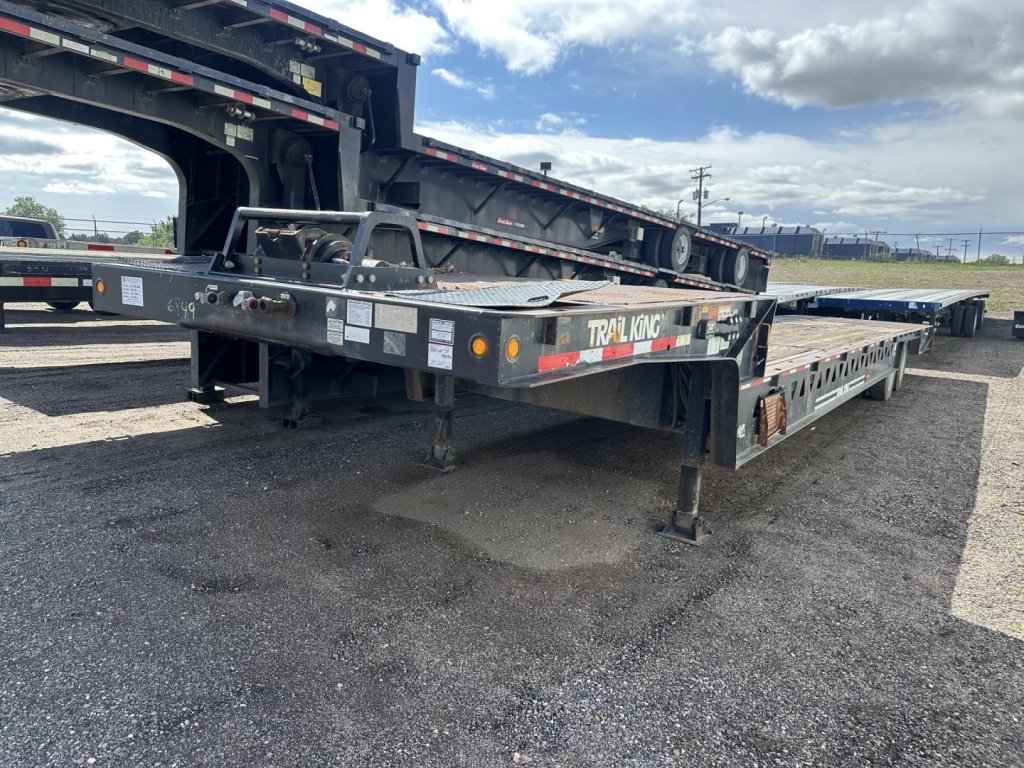
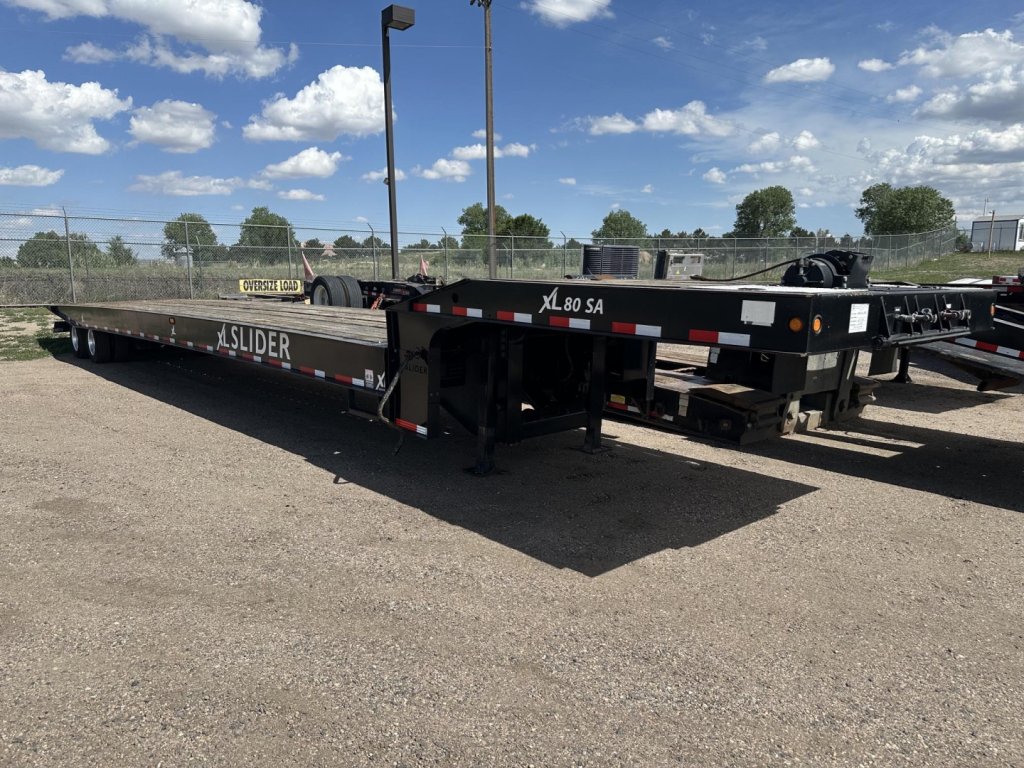
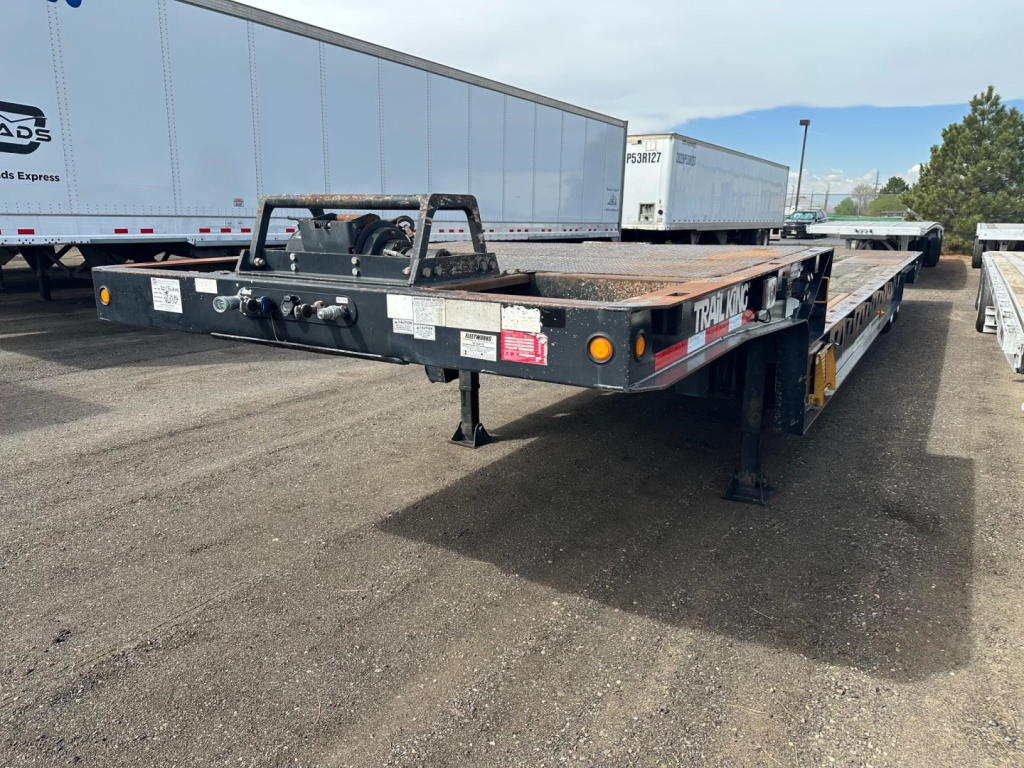
Selling a used traveling axle trailer? List your used traveling axle trailer for sale and reach thousands of commercial buyers.
Used Traveling Axle Trailers in Colorado
Capacity and deck layout should be the first filters. Many used traveling axle trailers on the market fall in the 40-ton class, with deck lengths often around 44 to 53 feet and legal width at 102 inches. Common setups include a wood or Apitong deck, steel main beams, closed tandem suspension, and an air ride axle group. Hydraulic tail models use a powered rear tail to lower the load angle, while slide axle designs shift the axle assembly to change deck height and loading approach. Buyers should pay close attention to loaded deck height, tail geometry, upper deck length, and kingpin setting because those details affect load placement, turning clearance, and how easily specific machines can be loaded.
A used unit should be evaluated like a working tool, not just by rated tonnage. Check hydraulic cylinders, hoses, pump function, tail hinges, slide rails, and control stations on both road side and curb side. Deck condition matters because worn wood, damaged crossmembers, and repaired outriggers can change how a machine tracks onto the trailer. Chain slots, stake pockets, winches, tool trays, tuck-away steps, traction aids, and integrated scale systems add real jobsite value if they match the way the trailer will be used. Tire size also matters more than some buyers expect. Many trailers in this class run 17.5 or low-profile 22.5 rubber to help keep deck height down while maintaining load capacity.
For Colorado buyers, suspension and braking condition deserve extra attention because terrain, weather, and elevation put more demand on the trailer than flatland operation. Air ride can improve cargo stability and reduce shock to compact equipment, but it should be checked for leaks, ride height issues, and bushing wear. Look at brake lining life, drum or rotor condition, slack adjusters, ABS function, and the condition of the light package if the trailer will be used in winter or in recovery operations. A well-spec'd traveling axle trailer can cover a wide range of work, but the best choice is the one that matches your typical machine weights, loading frequency, route profile, and securement needs.
Frequently Asked Questions about Used Traveling Axle Trailers in Colorado
What is a traveling axle trailer used for?
A traveling axle trailer is used to haul equipment that benefits from a low loading angle and fast load cycle. Common freight includes skid steers, mini excavators, rollers, loaders, forklifts, scissor lifts, and other machinery with low ground clearance or sensitive approach angles. Hydraulic tail and slide axle designs reduce the ramp breakover problem that is common with fixed-deck trailers.
What is the difference between a hydraulic tail trailer and a slide axle trailer?
A hydraulic tail trailer lowers a powered rear tail to the ground so equipment can be driven directly onto the deck. A slide axle trailer moves the axle assembly to change the deck angle for loading. Both designs improve loading compared with conventional ramps, but hydraulic tail models are often favored for repeated equipment moves, while slide axle designs are common in equipment transport and recovery applications where deck angle and rear access are critical.
What capacity should I look for in a used traveling axle trailer?
The right capacity depends on the heaviest machine you plan to haul, plus attachments, fuel, chains, and any tool or accessory weight carried on the trailer. Many units in this category are rated around 40 tons, but payload is only part of the decision. You should also confirm deck length, concentrated load rating, axle spacing, tire capacity, and legal weight compliance for your operating area.
What should I inspect on a used traveling axle trailer before buying?
Focus on the hydraulic system, frame integrity, deck condition, suspension, brakes, and tail or slide mechanism. Look for leaks, bent components, excessive wear in pivot points, damaged wiring, uneven tire wear, and signs of prior structural repair. It is also smart to inspect chain slots, stake pockets, winch mounts, landing gear, and kingpin plate condition because these trailers are often used hard in equipment service.
Are traveling axle trailers a good fit for Colorado hauling?
They can be an excellent fit in Colorado because they handle mixed loading conditions well and make it easier to load compact equipment on uneven sites. Buyers should pay close attention to brake condition, suspension health, tire spec, and deck traction because mountain grades, winter weather, and rough access roads increase stress on the trailer. A properly spec'd used trailer with good brakes, sound air ride, and a low deck can be very versatile in regional equipment hauling.