
Used 2016 Trailers For Sale in Colorado
Browse used 2016 trailers in Colorado, including van, flatbed, dump, and specialized models with specs that matter for freight and jobsite work.
Selling a used 2016 trailer? List your used 2016 trailer for sale and reach thousands of commercial buyers.
Used 2016 Trailers in Colorado
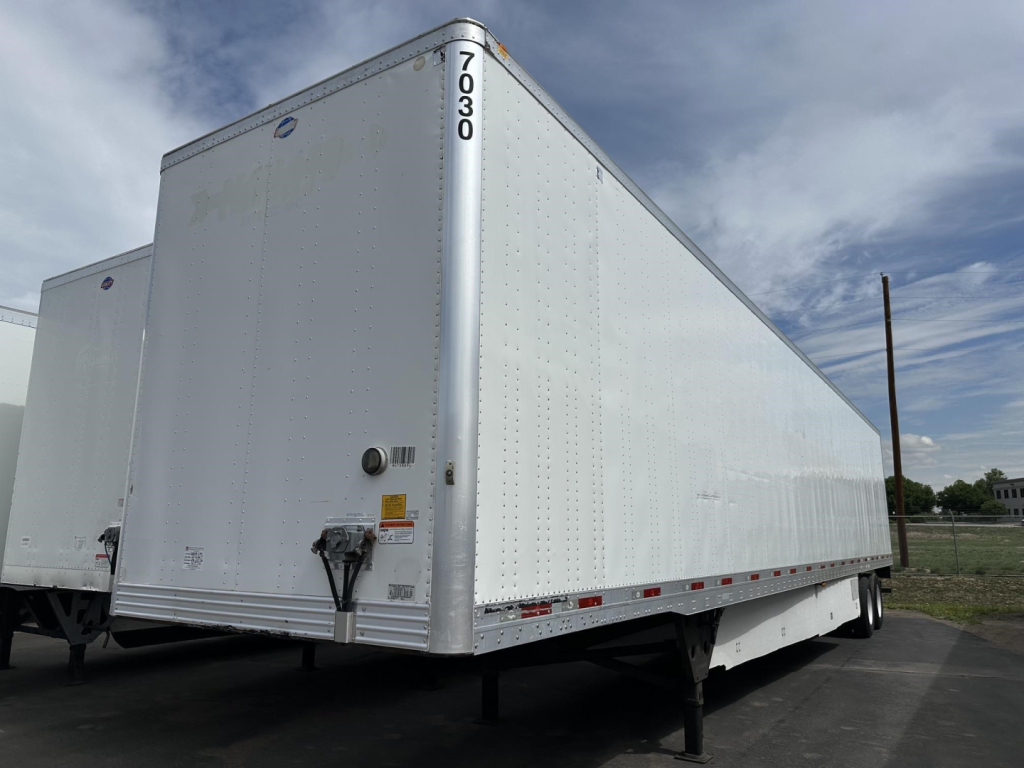
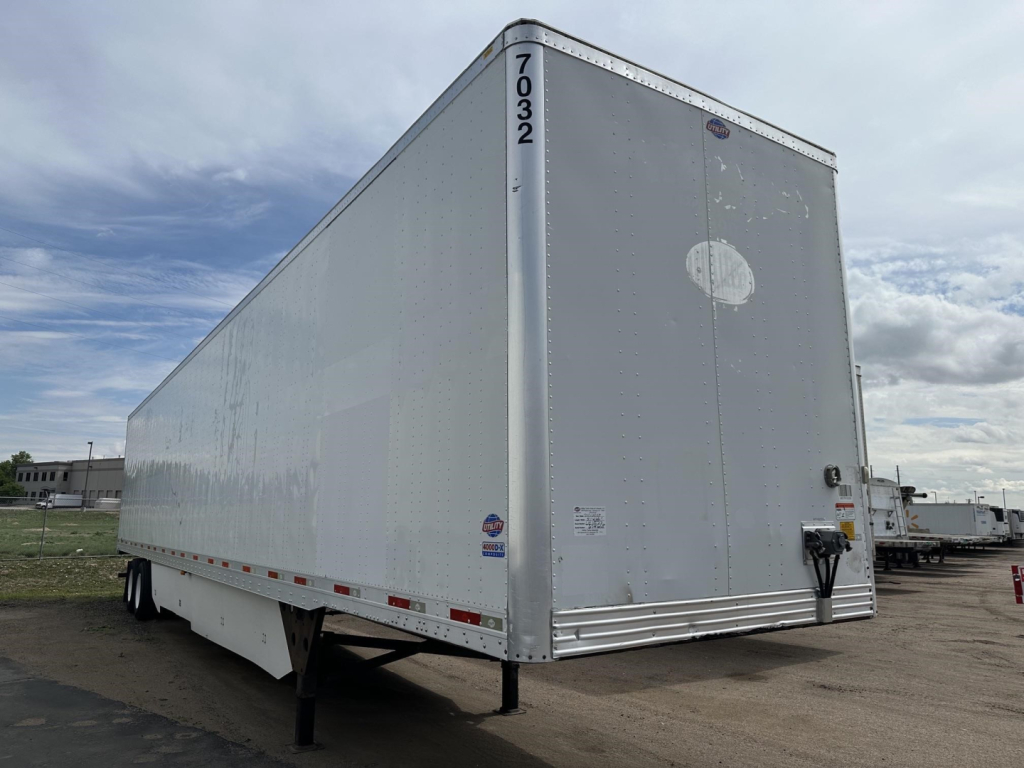
For van trailers, key details include trailer length, roof and wall construction, floor condition, logistics post spacing, rear frame integrity, and whether the unit has aerodynamic equipment or tire inflation systems. For flatbeds, buyers should focus on deck material, main beam condition, crossmember spacing, stake pockets, winch track setup, spread axle versus tandem layout, and any signs of concentrated load damage. Dump and bottom dump trailers need close attention on hopper gates, tarp systems, suspension, liners, and frame wear, especially if they have worked in aggregate, road building, or agricultural service in Colorado conditions.
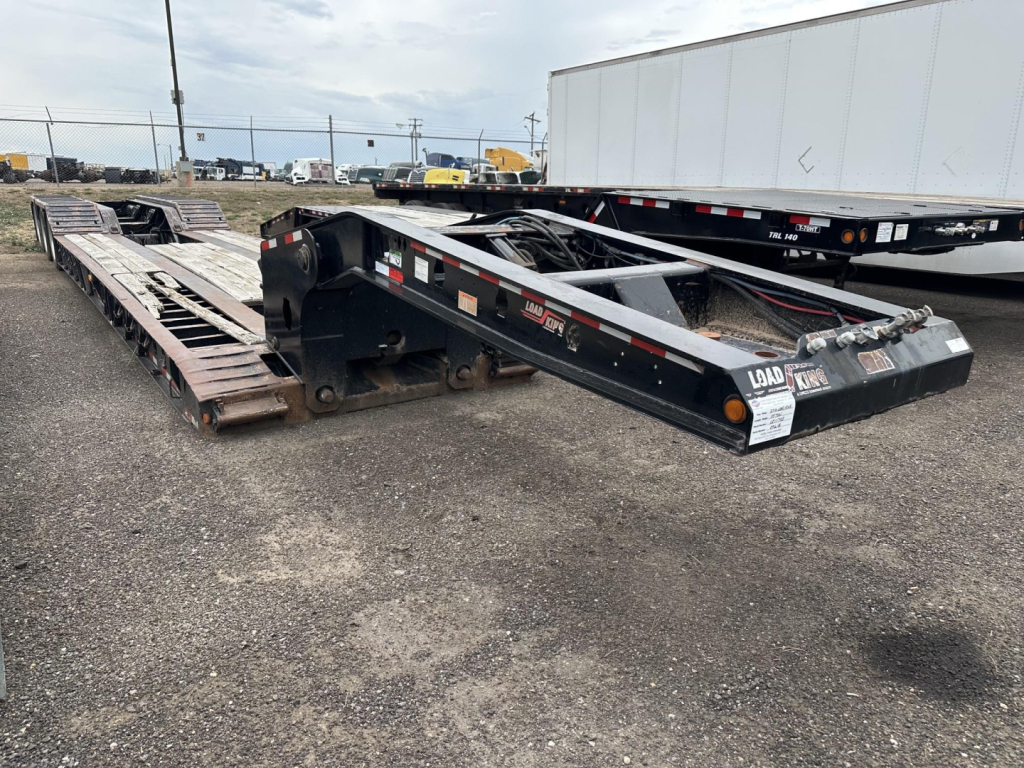
Colorado buyers often need to think about terrain, weather, and route compliance as much as age and price. Mountain grades, winter corrosion exposure, and rough yard or site access can accelerate wear on brakes, bushings, sliders, wheel ends, and electrical systems. Tire size, wheel type, suspension ride height, and axle spread matter if the trailer will run mixed interstate, oilfield, construction, or farm routes. On specialized trailers such as lowboys, it is worth reviewing kingpin settings, loaded deck height, well length, ground clearance, swing clearance, and whether the trailer is set up for concentrated loads or permitting needs.
A well-maintained 2016 trailer can still deliver strong service life if the structure is sound and the spec matches the work. Buyers should look past paint and focus on maintenance history, VIN plate data, brake and tire condition, suspension wear, floor or deck repairs, and any cracking around high-stress areas. The right trailer in this year range is usually defined less by age and more by prior application, structural condition, and how closely the configuration fits the freight.
Frequently Asked Questions about Used 2016 Trailers in Colorado
What should I inspect first on a used 2016 trailer?
Start with the frame, suspension, brakes, tires, and any high-stress structural areas. On a van, inspect the floor, rear frame, roof, and door seals. On a flatbed, check the main beams, deck, crossmembers, winch track, and stake pockets. On dump or bottom dump trailers, inspect the hopper, gate mechanism, tarp system, and signs of material wear. A 2016 trailer can still be a strong unit if the structure is clean and the running gear has been maintained.
Is a 2016 trailer too old for commercial use?
Not necessarily. Many 2016 trailers remain productive in regional, local, and over-the-road service because trailers often age based on application and maintenance rather than just model year. A lightly used dry van or properly maintained flatbed from 2016 may offer good value if brakes, tires, wheel ends, suspension, lighting, and structural components are in solid condition. The key is matching the trailer's current condition and specification to the intended workload.
Which 2016 trailer types are most common in Colorado?
Dry vans, flatbeds, dump trailers, and lowboys are all common in Colorado because the state supports a mix of general freight, building materials, agriculture, aggregates, and heavy equipment hauling. Dry vans are common for enclosed freight, flatbeds for construction and steel, dump and bottom dump trailers for road and site material work, and lowboys for machinery transport. The right choice depends on cargo dimensions, route conditions, and whether permitting or axle layout will affect operations.
What specs matter most when comparing used 2016 flatbed trailers?
Deck length and width, axle configuration, suspension type, frame construction, and cargo securement setup are the main comparison points. Buyers should also review deck condition, crossmember integrity, nail strips, stake pockets, chain tie-down points, and whether the trailer has sliding winches or a fixed winch arrangement. Spread axle flatbeds can improve load distribution for some applications, while tandem setups may be easier for certain routes and backing situations.
Why does trailer application matter more than year alone?
Application tells you how the trailer was used, what kind of wear it likely experienced, and which areas deserve the closest inspection. A 2016 trailer hauling light palletized freight will usually show a different wear pattern than one used in demolition, aggregate, logging, or heavy equipment service. Year gives you an age reference, but prior duty cycle explains much more about structural fatigue, floor or deck wear, suspension stress, and expected remaining service life.