
Used 2021 Trailers For Sale in Colorado
Browse used 2021 trailers in Colorado, including flatbeds, lowboys, and equipment haulers with specs buyers compare most.
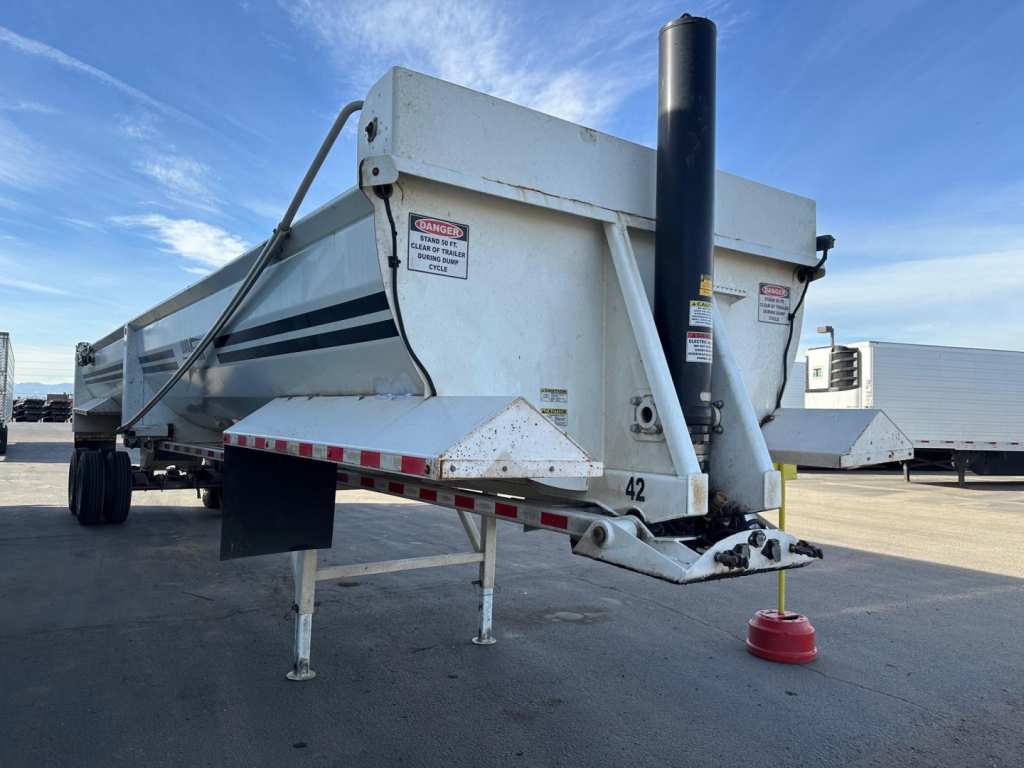
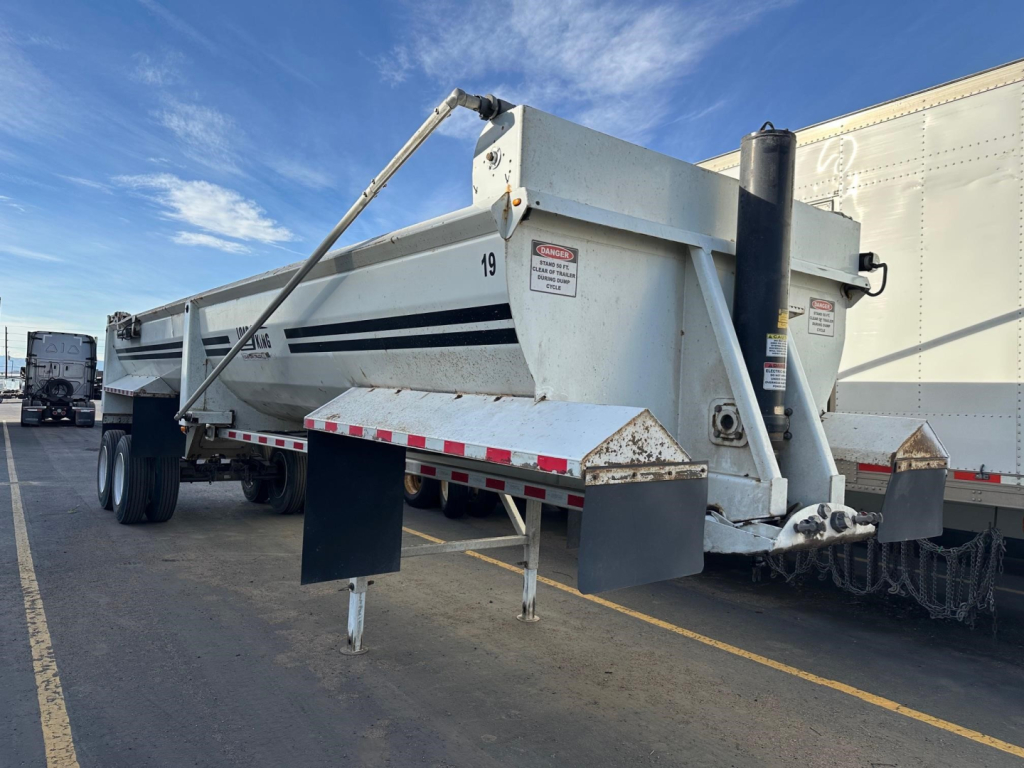
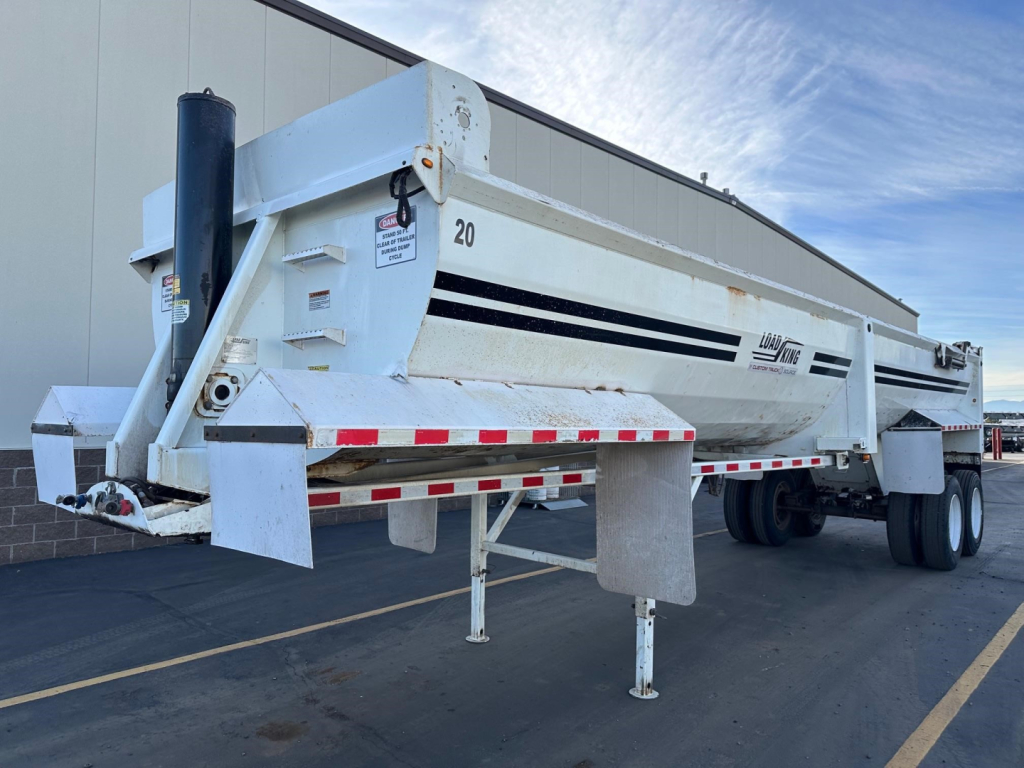
Selling a used 2021 trailer? List your used 2021 trailer for sale and reach thousands of commercial buyers.
Used 2021 Trailers in Colorado
For flatbeds, the most common decision points are length, deck construction, suspension, and axle configuration. A 48-foot or 53-foot deck with a 102-inch width is standard for general building products, machinery, pipe, and palletized freight. Steel main beams with aluminum components are common on combo trailers to reduce tare weight while holding up under regular loading. Full steel flatbeds usually trade weight savings for durability in severe-service applications. Practical spec details matter here: apitong or wood decking, stake pockets, pipe spools, sliding winches, winch tracks, nail strips, air ride suspension, and fixed spread or sliding tandem setups all affect daily usability and legal load flexibility.
If the trailer is set up for equipment hauling, buyers should focus on concentrated load capacity, deck height, ramp design, and tire size. Lowboy and equipment trailers in this class are often chosen for skid steers, mini excavators, loaders, compact dozers, and other construction iron moving between jobsites. Hydraulic air ramps, beavertails, D-rings, and lower deck length are more than convenience features because they directly affect loading angle, securement options, and the range of machines the trailer can handle. In Colorado, where routes may include uneven surfaces, steep approaches, and higher altitude operation, suspension condition, brake performance, and frame integrity deserve close attention.
A used 2021 trailer should be evaluated for remaining service life as much as basic appearance. Buyers typically inspect crossmembers, main rails, deck wear, wheel ends, bushings, air system leaks, brake lining, tire condition, and signs of prior frame or neck repair. It also helps to confirm axle ratings, GVWR, kingpin setting, overall length, and any state-specific compliance concerns for the loads you plan to run. The best 2021 trailer is not just the cleanest one on the lot. It is the one with the right tare weight, securement layout, suspension spec, and structural condition for the freight you haul every week.
Frequently Asked Questions about Used 2021 Trailers in Colorado
What are the main things to check on a used 2021 trailer?
The most important checks are structural condition, running gear, and how the trailer is spec'd for your freight. Inspect the frame rails, crossmembers, deck, suspension components, wheel ends, brakes, tires, air system, lights, and slider operation if equipped. Look for welded repairs, cracked paint around stress points, uneven tire wear, deck rot or gouging, and signs of chronic overloading. On a 2021 model, condition usually matters more than age alone, especially if the trailer has seen heavy construction or regional service.
Is a 2021 flatbed trailer still a good value for commercial use?
A 2021 flatbed can be a strong value because it is still relatively late-model but often priced well below new. Many buyers target this age range to get modern specs like air ride, sliding winches, combo construction, and updated lighting while avoiding the highest depreciation period. The real value depends on tare weight, maintenance history, deck condition, and whether the axle spread and suspension match your lanes and commodity mix.
What trailer specs matter most for Colorado hauling?
Colorado buyers usually pay closer attention to brakes, suspension, tires, and overall structural durability because terrain and weather are harder on equipment. Mountain grades put extra demand on brake systems and wheel ends, and rough jobsite access can expose weaknesses in bushings, air bags, and frame components. Ground clearance, deck height, and axle configuration can also matter more if the trailer will be used on mixed highway and construction routes.
How do I choose between a flatbed and a lowboy or equipment trailer?
A flatbed is the better fit for general freight, palletized materials, pipe, lumber, steel, and loads handled by forklift or crane. A lowboy or equipment trailer is built for heavier, taller, or wheeled and tracked machines that need a lower deck height and loading ramps. The choice comes down to cargo dimensions, weight concentration, loading method, and how often you need specialized loading features like a beavertail, hydraulic ramps, or multiple D-ring securement points.
Are combo trailers better than all-steel trailers?
Neither is automatically better because each design serves a different job. Combo trailers use steel where strength is critical and aluminum where weight savings help, which makes them popular for maximizing payload. All-steel trailers are usually heavier but can be more appealing in severe-duty service where impact resistance and long-term structural durability take priority. Buyers should compare tare weight, repair history, corrosion exposure, and the type of freight the trailer will carry most often.