
Used 2021 Dump Trailers For Sale in Colorado
Browse used 2021 dump trailers in Colorado. Compare end dumps, side dumps, and bottom dumps by body style, capacity, suspension, and gate setup.
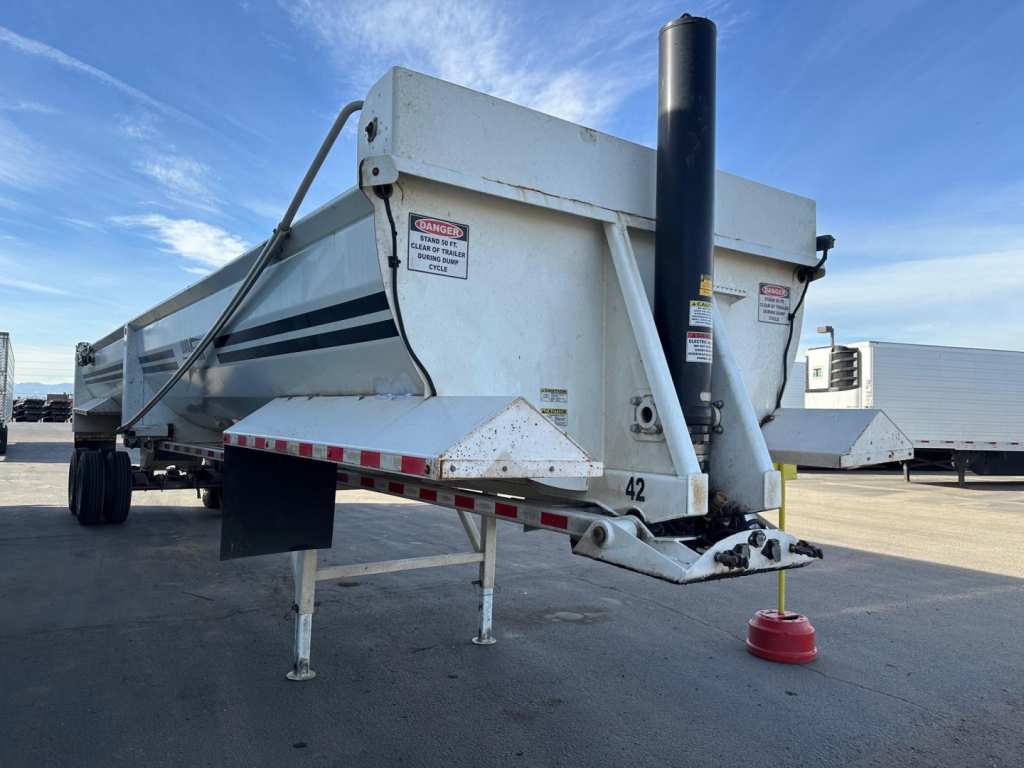
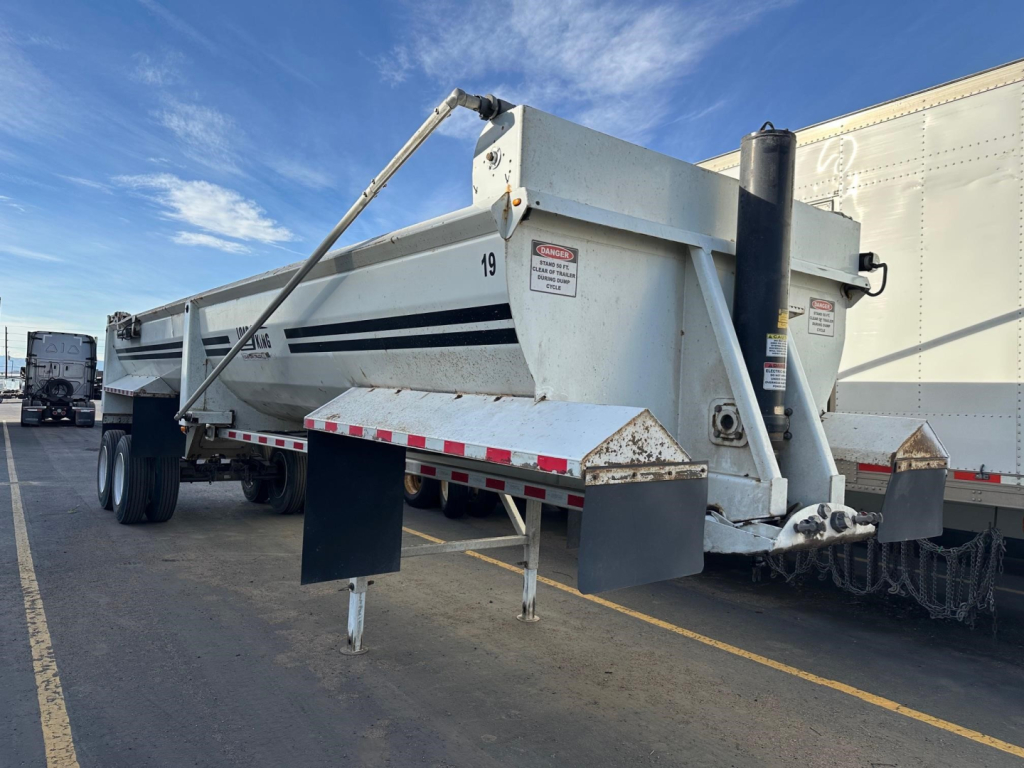
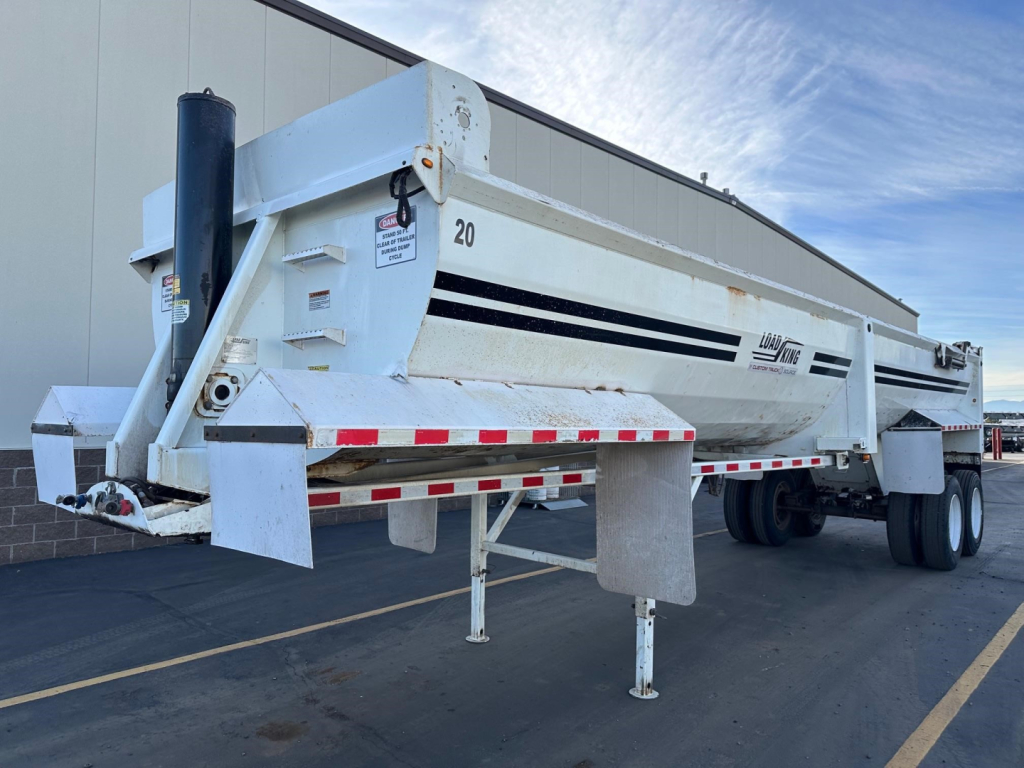
Selling a used 2021 dump trailer? List your used 2021 dump trailer for sale and reach thousands of commercial buyers.
Used 2021 Dump Trailers in Colorado
Body construction and weight matter on every load. Aluminum dump trailers are popular when payload is the priority, especially for longer hauls of sand, grain, mulch, or lighter aggregate. Steel bodies, including AR400 and other abrasion-resistant liners or tubs, are better suited for rock, riprap, asphalt millings, demo debris, and other high-wear material. Frameless end dumps can save weight and maximize cubic capacity, while frame-type designs can offer a different balance of rigidity and durability depending on application. Common specs buyers compare include overall length, side height, cubic yard rating, liner material, gate style, tarp system, kingpin setting, suspension type, axle spread, tire size, and empty scale weight.
Colorado operating conditions put extra focus on stability, suspension, and braking condition. Mountain grades, changing weather, and mixed paved-to-unimproved job access make a well-matched suspension setup important. Air ride is common for ride quality and load protection, but buyers should also pay close attention to bushing wear, ride height consistency, brake life, and axle alignment. Lift axles, front and rear fenders, electric tarps, flip tarps, slide tarps, gate limiters, and controls such as infinite gate or versa valve systems all affect day-to-day efficiency. On side dumps, cylinder condition and pivot integrity are critical. On end dumps, inspect hoist performance, body straightness, and signs of hard use around hinge points and upper rails. On bottom dumps, hopper doors, gate timing, and sealing surfaces deserve close inspection.
For a used 2021 model, the best buying decision usually comes down to how closely the trailer matches the route, material, and loader setup it will actually see. A lighter trailer may improve legal payload, but a heavier-spec body can reduce downtime in severe service. Check tire and brake percentages, wheel type, tarp operation, floor and side wear, wiring and LED lighting condition, and any cracking around crossmembers, suspension hangers, kingpin plate, or draft arms. If the trailer will spend time on Colorado highways and county roads, it also helps to confirm dimensions, axle configuration, and bridge-friendly setup for the loads you plan to run. A well-spec'd 2021 dump trailer should still offer modern features, good resale appeal, and a practical balance between purchase price and remaining service life.
Frequently Asked Questions about Used 2021 Dump Trailers in Colorado
What is the best type of used 2021 dump trailer for Colorado work?
The best type depends on the material and dump conditions. End dumps are common for bulk hauling and high-capacity applications, side dumps are often preferred for stability on uneven or soft job sites, and bottom dumps are ideal when you need controlled material placement for road base, shoulder work, or windrows. In Colorado, grade changes, uneven terrain, and mixed road conditions make trailer stability and suspension setup especially important.
Should I choose an aluminum or steel dump trailer?
Aluminum dump trailers are usually chosen for lower tare weight and better payload potential, which can matter on longer hauls or lighter commodities. Steel bodies are better for abrasive or impact-heavy material such as rock, demolition debris, and millings because they generally resist wear and denting better. Buyers should match body material to the actual commodity rather than choosing strictly by empty weight.
What should I inspect first on a used 2021 dump trailer?
Start with the structure and dumping system. Look for cracks around the kingpin plate, suspension hangers, hinge areas, crossmembers, upper rails, and hoist mounts. Then check the floor, sides, gate operation, tarp system, brakes, tires, axle alignment, and lighting. On side dumps, inspect cylinders and pivot points closely. On bottom dumps, verify hopper doors and gate controls open evenly and seal properly.
Is air ride the right suspension for a dump trailer?
Air ride is common on dump trailers because it improves ride quality and can reduce shock to the trailer and load. It is especially useful on mixed highway and jobsite routes. The tradeoff is that condition matters more than the label alone. A buyer should inspect airbags, bushings, shocks, ride height, and alignment because worn suspension components can create tire wear, poor handling, and uneven braking.
Why does empty weight matter so much on a used 2021 dump trailer?
Empty weight directly affects legal payload and revenue per trip. A lighter trailer can haul more material within axle and gross weight limits, but the lightest trailer is not always the best fit if the job involves severe abrasion or rough loading conditions. The right target is a trailer that gives enough payload advantage without sacrificing body life, structural durability, or operational stability.