
Used 2021 Dump Trailers For Sale
Shop used 2021 dump trailers for sale, including end dump and bottom dump models with specs on body style, capacity, suspension, gates, tarps, and tires.
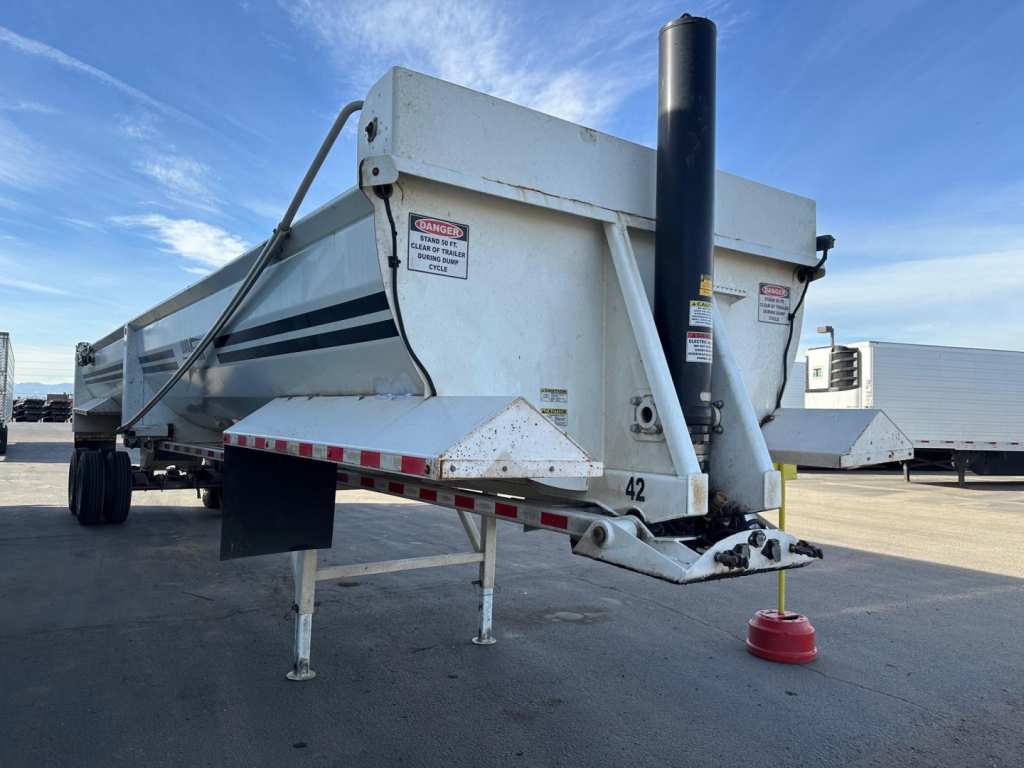
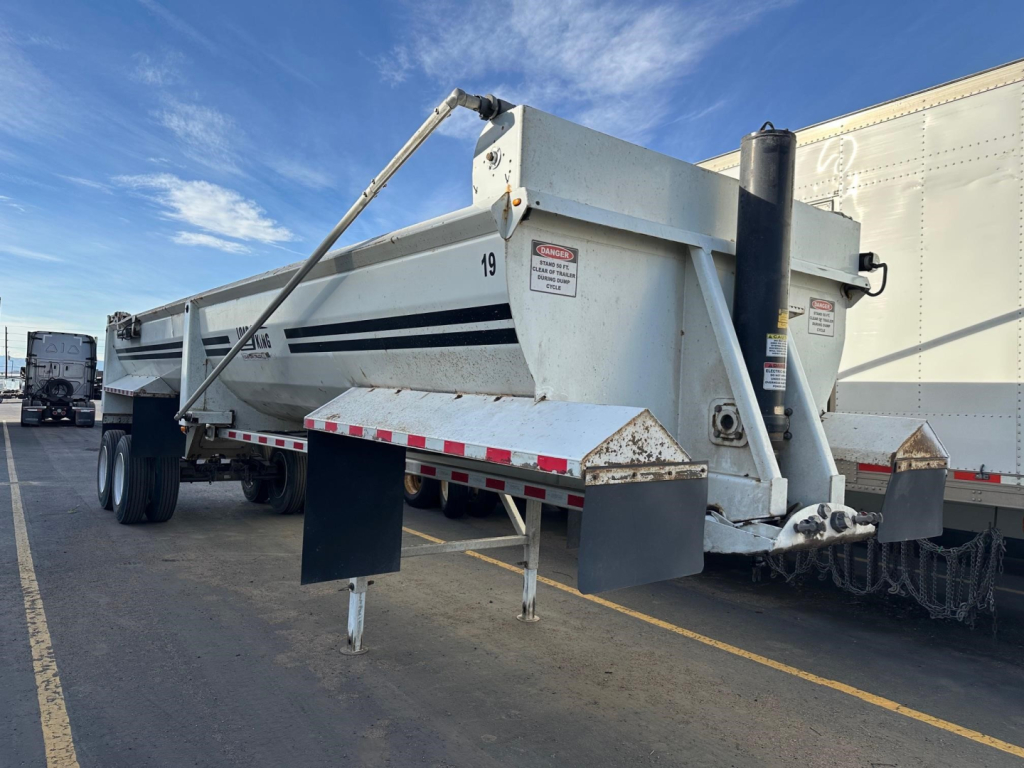
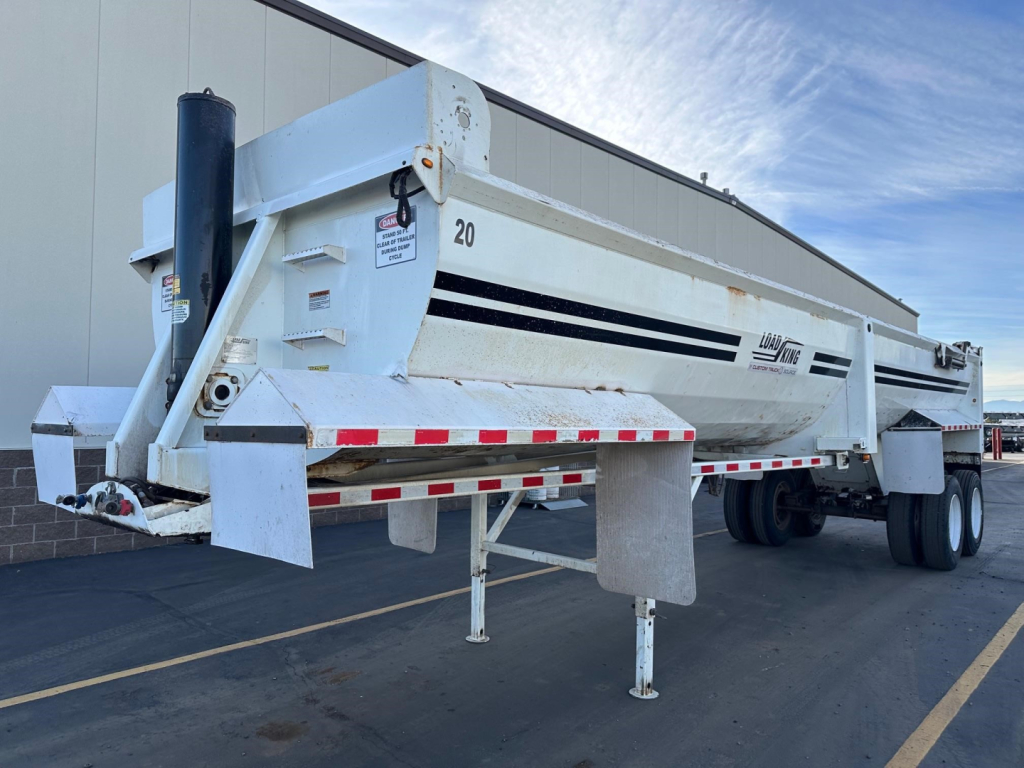
Selling a used 2021 dump trailer? List your used 2021 dump trailer for sale and reach thousands of commercial buyers.
Used 2021 Dump Trailers
On 2021 dump trailers, pay close attention to body material, side height, cubic yard capacity, and suspension setup. Steel bodies remain common for severe-duty hauling because they tolerate abrasion and impact better in rock and scrap environments, though they carry more tare weight than aluminum designs. Frameless construction is popular on end dumps because it saves weight and improves payload, but it also puts more importance on trailer alignment, cylinder condition, and hinge area integrity. Common specs in this class include 32-foot to 40-foot lengths, 11R24.5 tires, steel wheels, air ride or single-point suspension, and gate setups such as high-lift, barn door, or metering-style discharge controls. Electric flip tarps, manual or air gate controls, fenders, ladders, and push blocks are also worth comparing because they affect daily usability more than many buyers expect.
A used 2021 dump trailer should be inspected closely for the wear points that drive repair cost. On end dumps, look at the hoist, tower, doghouse, crossmember condition, rear hinge assembly, and signs of stress cracking around the tub and frame transition points. On bottom dumps, inspect hopper doors, linkages, seals, air or hydraulic actuators, and the consistency of the gate cycle. Tire wear, brake remaining life, bushing condition, and suspension alignment tell you a lot about how the trailer was operated and maintained. If the trailer has hauled rock, check the floor and lower sidewalls for dents, gouging, and patchwork. If it has worked in paving or municipal service, inspect tarp operation, wiring, and gate controls closely since those systems see constant cycling.
For a buyer comparing multiple 2021 dump trailers for sale, the best match comes down to material type, route conditions, and how you load and unload. A frameless steel end dump fits producers, excavation fleets, and contractors moving high-density material where a simple, durable tub matters most. A bottom dump or bottom dump pup fits road crews and bulk material operations that need fast unloading without raising the body. Also consider state bridge laws, axle spacing, and your tractor wheelbase, because dump trailer productivity is tied as much to legal payload and stability as it is to body capacity. A clean 2021-spec trailer with the right gate, tarp, suspension, and body style will usually outperform a cheaper mismatch in real hauling work.
Frequently Asked Questions about Used 2021 Dump Trailers
What is the main difference between a 2021 end dump trailer and a 2021 bottom dump trailer?
An end dump trailer unloads by raising the front of the body and discharging material out the rear, which makes it a strong choice for rock, demolition, and bulk material that does not need precise placement. A bottom dump trailer discharges through hopper gates underneath the trailer, which allows controlled spreading and windrow placement for road work, base material, and paving support. The best choice depends on how the material needs to be unloaded, not just how much it weighs.
What should I inspect first on a used 2021 dump trailer?
Start with the structure, suspension, brakes, tires, and discharge system. On an end dump, inspect the tub, hoist, hinge points, and any visible cracking or repair work around high-stress areas. On a bottom dump, focus on hopper doors, gate seals, linkage wear, and actuator operation. Also verify tarp function, wiring condition, wheel-end health, and uneven tire wear, because those items often reveal alignment or maintenance issues.
Are steel 2021 dump trailers better than aluminum models?
Steel dump trailers are generally better for abrasive and impact-heavy loads such as shot rock, riprap, scrap, and demolition debris because the body can take more abuse. Aluminum models reduce tare weight and can improve payload in legal-weight operations, but they are usually less suited to severe rock service unless the trailer was built specifically for that application. Buyers should match body material to the commodity and loading method rather than assume one material is always better.
What common specs show up on used 2021 dump trailers for sale?
Many 2021 dump trailers are configured with tandem axles, 32-foot to 40-foot body lengths, 11R24.5 tires, steel wheels, air ride or single-point suspension, and electric flip tarps. End dump models often use frameless half-round bodies and high-lift gates, while bottom dumps commonly include single or multiple hopper designs, windrow deflectors, and metering controls. Exact capacity varies by body length, side height, and material density, so cubic yards should always be considered alongside legal payload.
Is a 2021 dump trailer a good year to buy used?
For many fleets, 2021 is an attractive used model year because it is modern enough to offer current-spec components and familiar parts support, yet old enough to be priced below late-model new and near-new equipment. Condition matters more than the calendar year, but a well-maintained 2021 trailer can offer a useful balance of remaining service life, resale value, and lower acquisition cost. Buyers should still verify prior application, maintenance history, and any structural repairs before making a decision.