
Used 2014 Trailers For Sale in Colorado
Shop used 2014 trailers in Colorado, including van, reefer, flatbed, drop deck, and dump trailer options for regional and long-haul work.
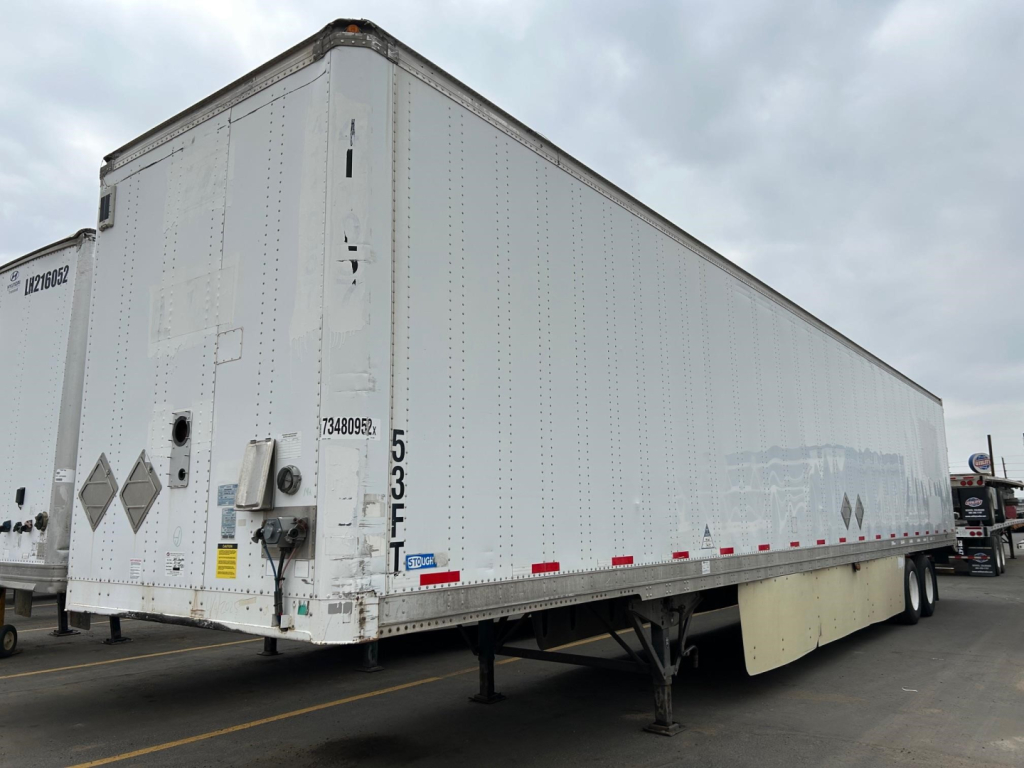
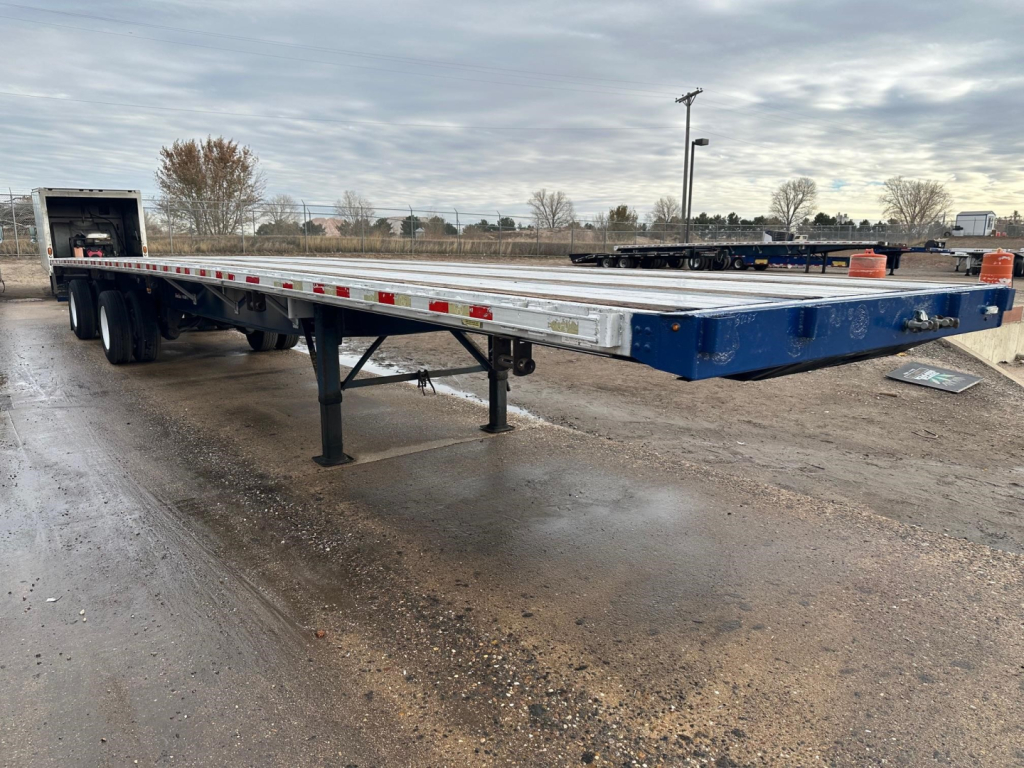
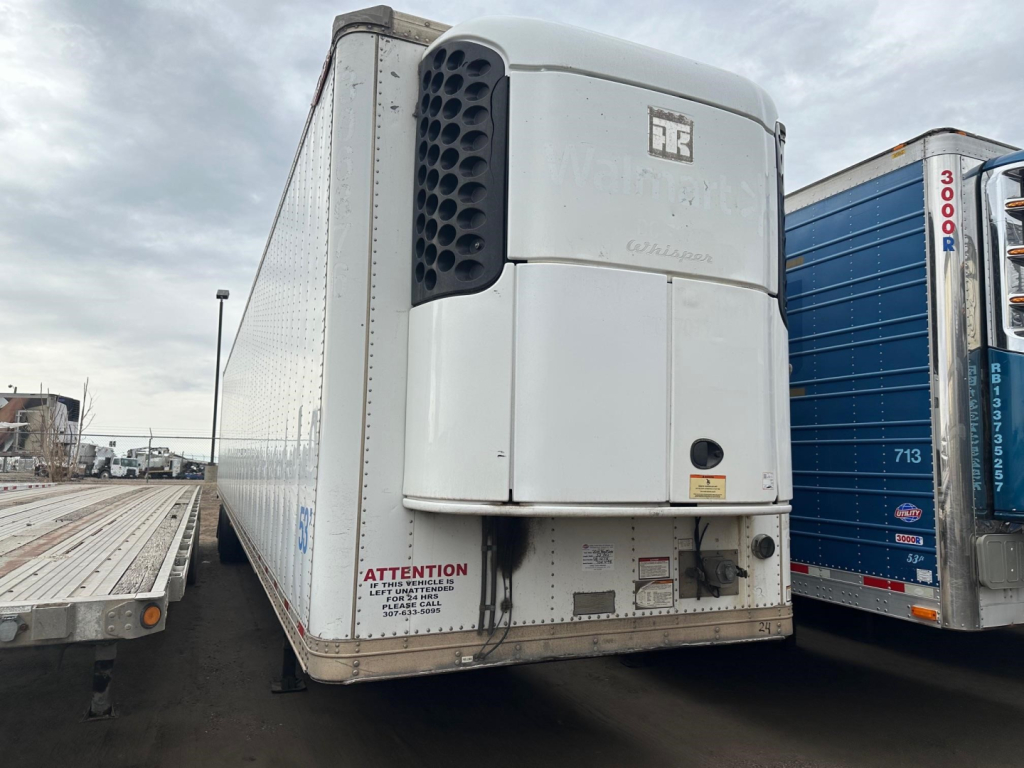
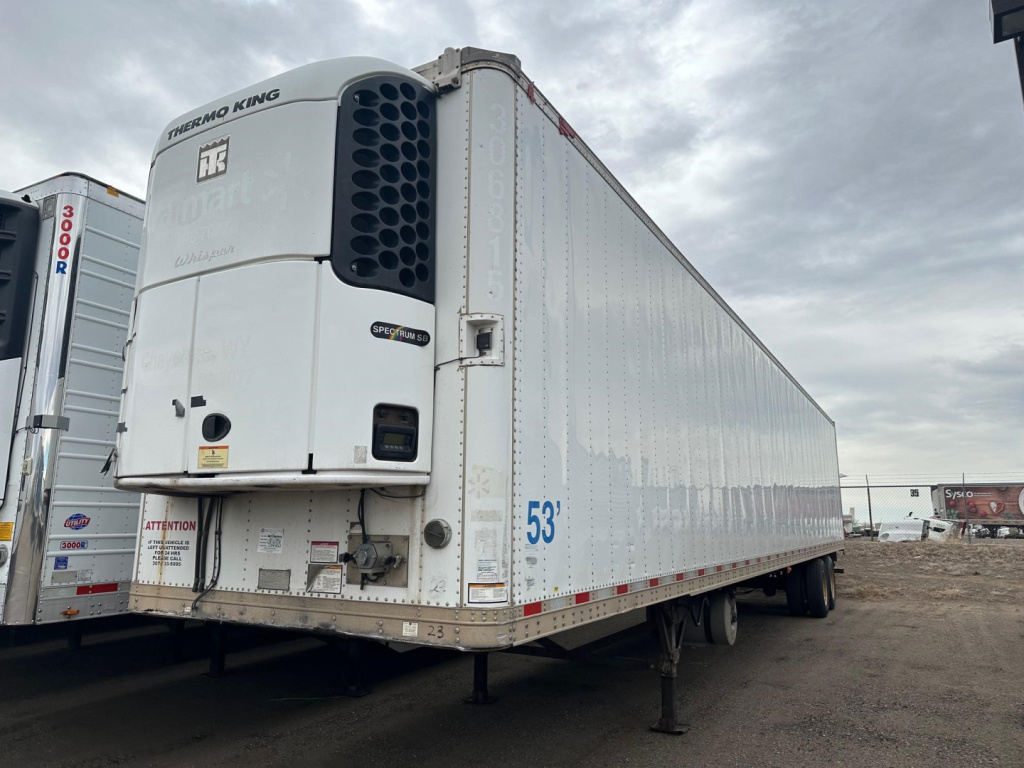
Selling a used 2014 trailer? List your used 2014 trailer for sale and reach thousands of commercial buyers.
Used 2014 Trailers in Colorado
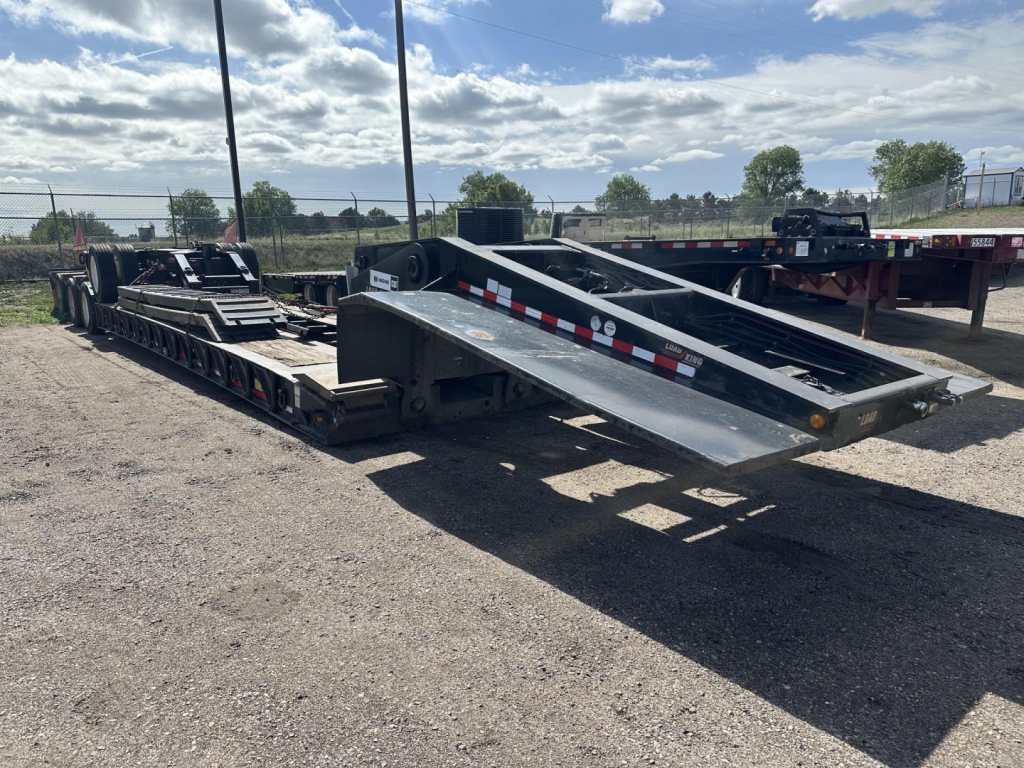
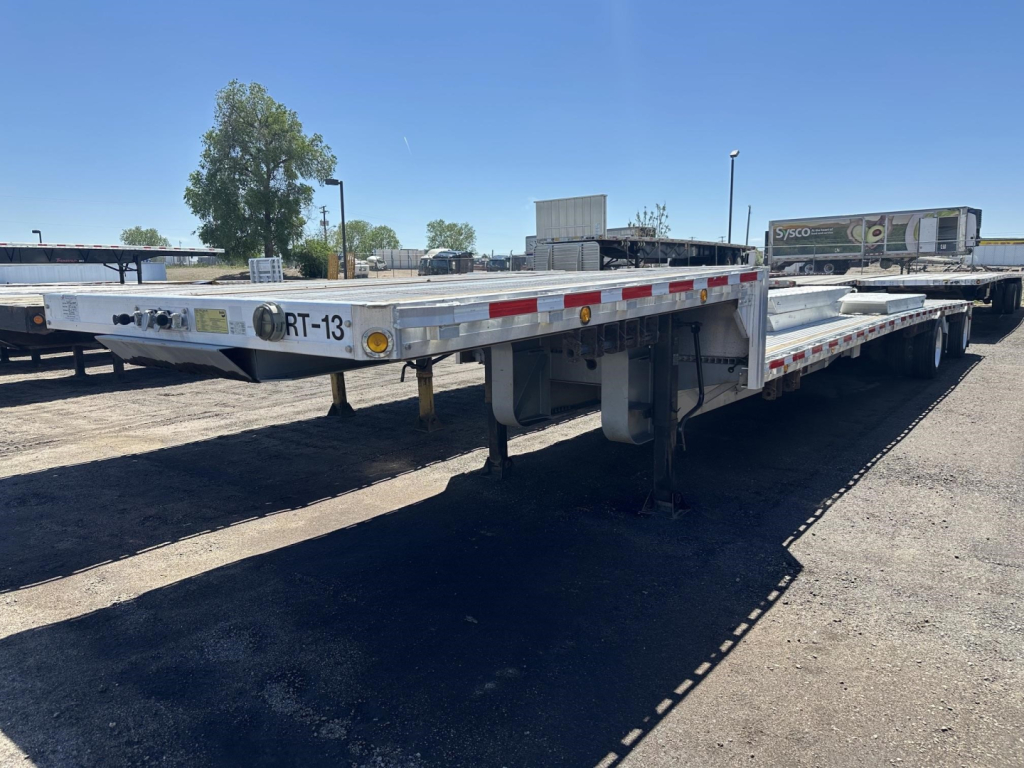
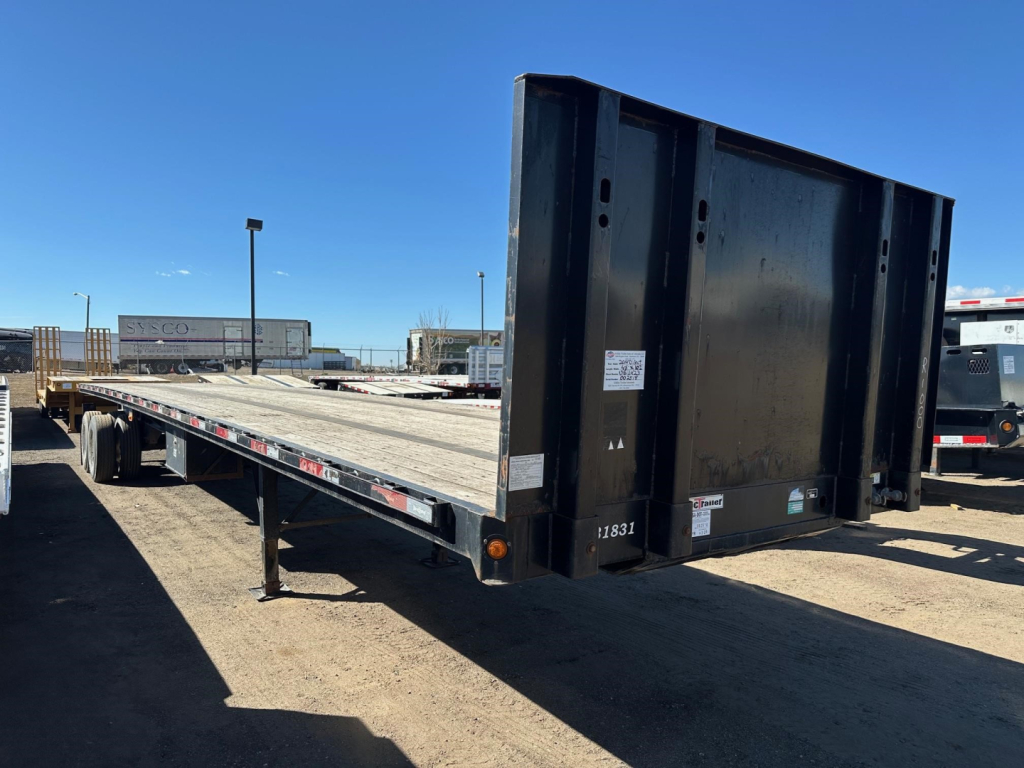
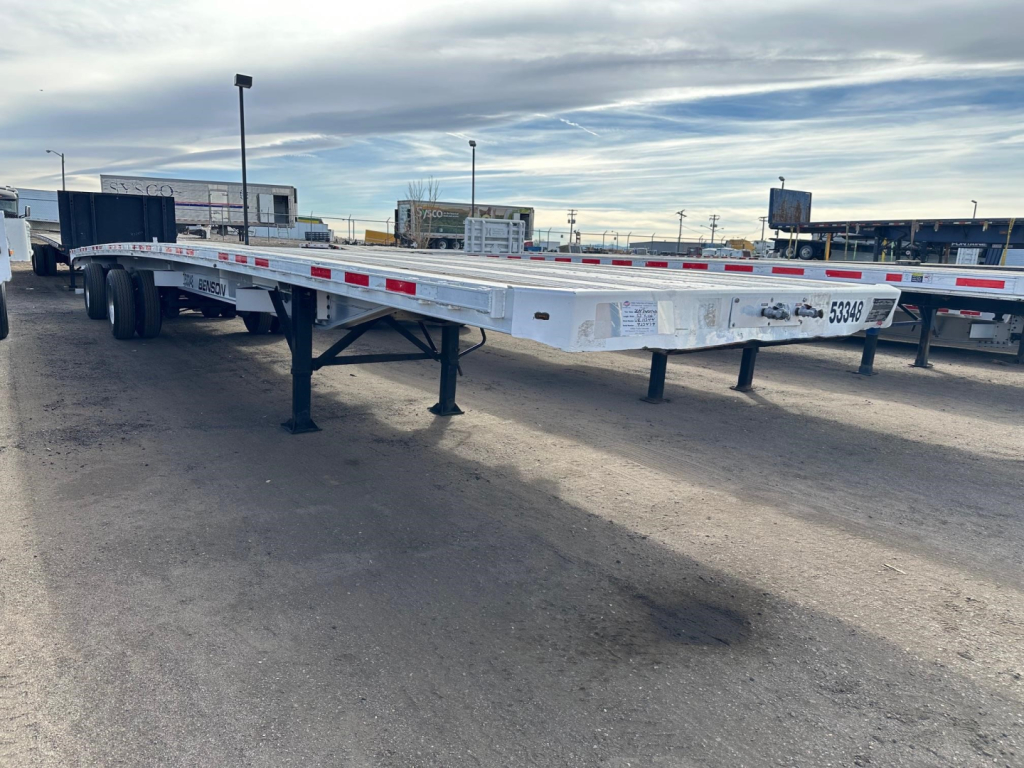
The biggest decision is trailer category. Dry vans are common for general freight and retail loads, with 53-foot lengths, swing doors, logistic posts, wood floors, and side skirts often showing up in later-spec trailers. Reefers add another layer of inspection because the trailer body and the refrigeration unit both affect value. Buyers should check reefer hours, evaporator and condenser condition, fuel tank setup, chute and duct floor condition, and door seal integrity. Flatbeds and drop decks are more about deck condition, frame straightness, winch track wear, stake pocket damage, air ride performance, and axle configuration. Dump and bottom dump trailers should be evaluated for gate operation, tarp systems, liner condition, hopper wear, suspension bushings, and any cracking around high-stress points.
Colorado buyers often need equipment that can handle mountain grades, weather swings, and a mix of interstate and jobsite use. That makes brake performance, ABS function, suspension response, and tire spec especially important. For van and reefer work, closed tandem versus sliding tandem can matter for bridge laws, dock approach, and weight distribution. For flatbed and drop deck applications, spread axle, lift axle, and 17.5 or 22.5 tire setups can change how the trailer performs with concentrated loads or in tighter delivery conditions. Material choice also matters. Aluminum components can reduce empty weight, while steel frames and rails may be preferred for harsher vocational use.
A smart used 2014 trailer purchase comes down to matching the trailer to the lane, then verifying the remaining service life in the running gear, structure, and body. Check VIN history, prior damage repairs, brake and tire dates, wheel-end service records, and signs of uneven wear that point to alignment or suspension problems. On enclosed trailers, inspect roof bows, wall panels, thresholds, and door hardware. On open deck trailers, inspect the main beams, kingpin area, outriggers, and deck attachment points. Buyers comparing multiple listings should prioritize spec fit first, then maintenance history, because the right 2014 trailer can still be a cost-effective tool for regional hauling, specialized freight, agricultural work, or construction support.
Frequently Asked Questions about Used 2014 Trailers in Colorado
What should I inspect first on a used 2014 trailer?
Start with the structural and running gear items that are expensive to repair. That includes the frame, crossmembers, suspension, axles, brakes, tires, wheels, wheel ends, and slider system if equipped. On enclosed trailers, inspect the floor, doors, roof, wall panels, and rear frame. On open deck trailers, inspect the main beams, deck, winch track, stake pockets, and kingpin area. Cosmetic wear is common on a 2014 trailer, but structural damage, poor alignment, and neglected maintenance matter far more.
Is a 2014 trailer too old for regular commercial use?
Not necessarily. A 2014 trailer can still be a productive commercial asset if it has the right spec for the job and a solid maintenance record. Trailer longevity depends heavily on application, climate, load type, and service discipline. A well-maintained van, reefer, flatbed, or drop deck from this model year may still have useful service life left, while a poorly maintained unit can become costly quickly. Buyers should judge condition by inspection results and repair history rather than age alone.
What trailer types are common in the used 2014 market?
The used 2014 market often includes dry vans, reefers, flatbeds, drop decks, and dump or bottom dump trailers. Dry vans are common for general freight. Reefers are used for temperature-controlled freight and require evaluation of both the trailer body and refrigeration unit. Flatbeds and drop decks are common for construction materials, machinery, and oversized or irregular freight. Dump and bottom dump trailers are used in aggregate, agricultural, and road work applications. Each trailer type has different wear points and maintenance costs.
What matters most for a used 2014 reefer trailer?
For a reefer, the refrigeration unit condition is only part of the equation. Buyers should also inspect reefer hours, service records, fuel system, door seals, insulation performance, chute, duct floor, interior lining, and signs of air leaks or water intrusion. A reefer body in poor condition can reduce temperature control even if the unit runs well. California compliance, unit brand, and parts support can also affect long-term operating cost depending on where the trailer will run.
Why does axle setup matter on a used trailer in Colorado?
Axle setup affects payload flexibility, bridge compliance, tire wear, maneuverability, and how the trailer handles grades and uneven surfaces. Sliding tandems are common on van and reefer trailers because they help with weight distribution and loading dock access. Spread axle and lift axle setups are more common on certain open deck applications where load placement and concentrated weight matter. In Colorado, where buyers may run interstate, mountain, and jobsite routes, the right axle configuration can improve both compliance and day-to-day usability.