
Used 2014 Flatbed Trailers For Sale in Colorado
Shop the used 2014 flatbed trailer category in Colorado. Compare 48' and 53' specs, air ride setups, decks, winches, and legal configurations.
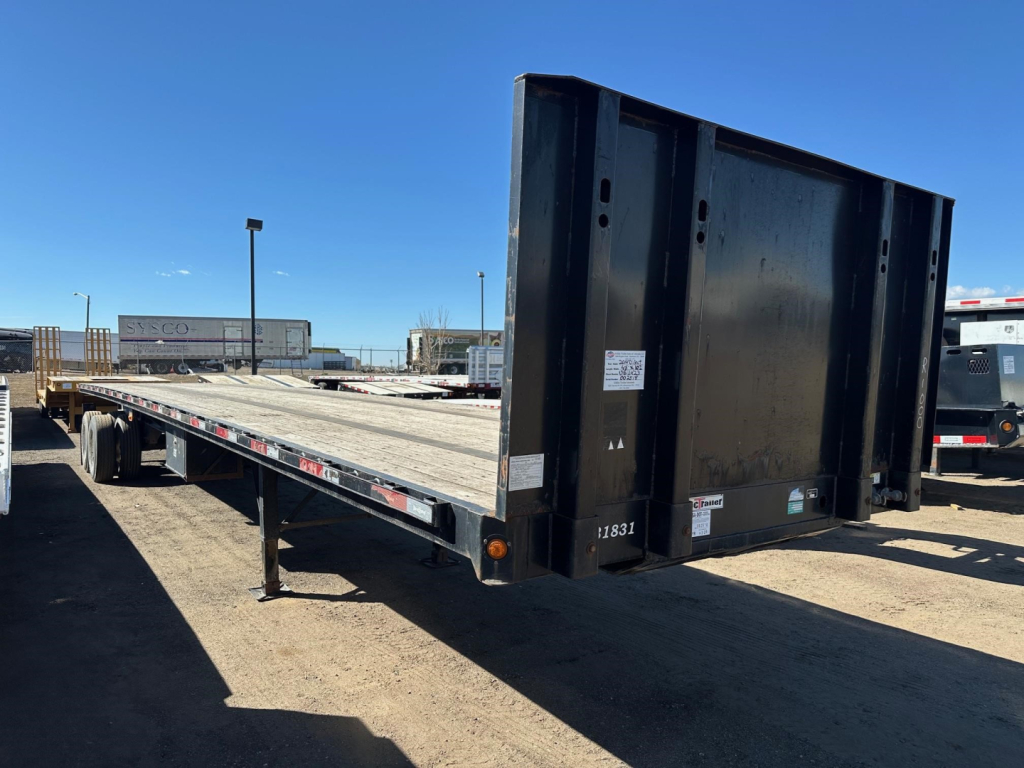
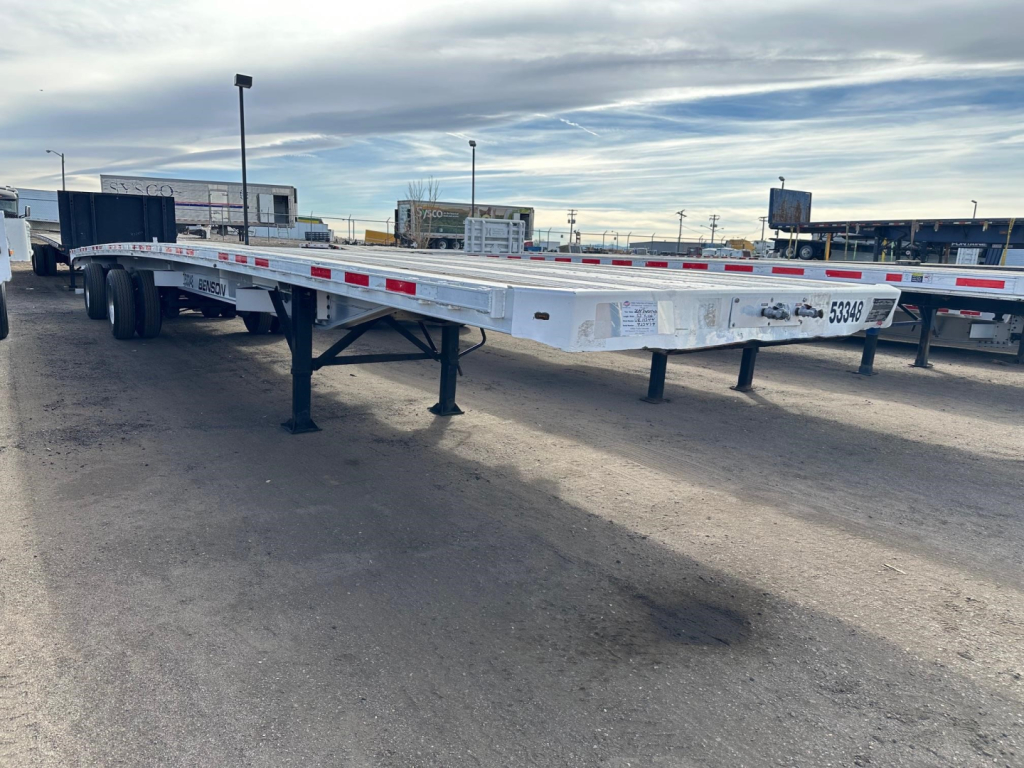
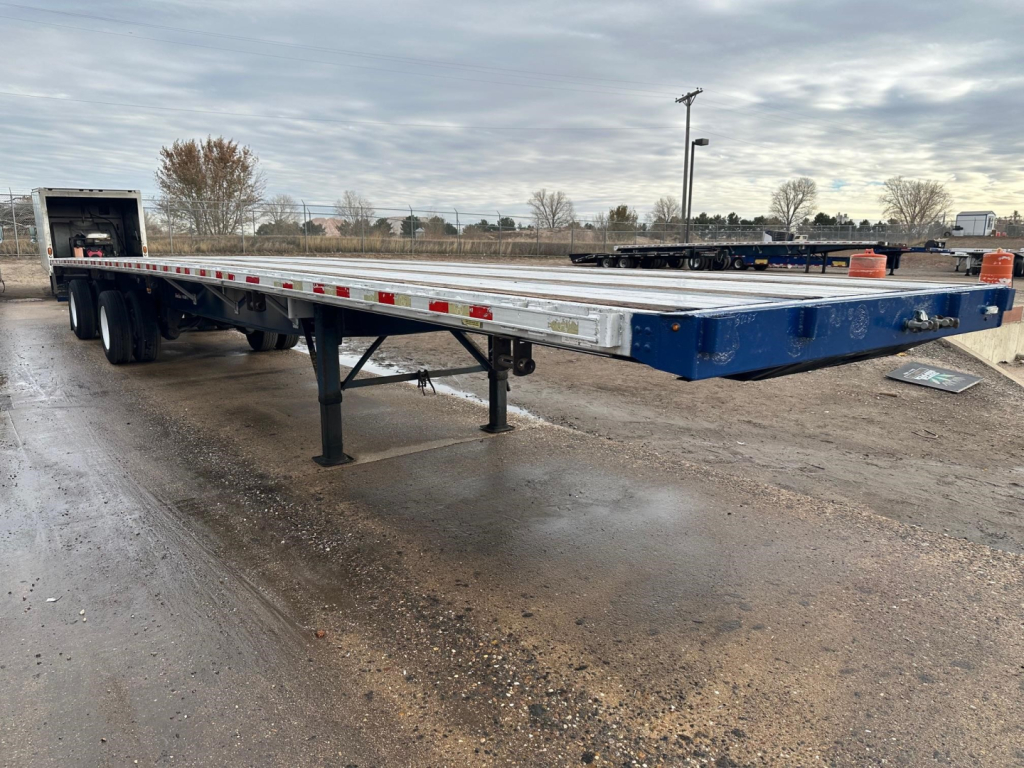
Selling a used 2014 flatbed trailer? List your used 2014 flatbed trailer for sale and reach thousands of commercial buyers.
Used 2014 Flatbed Trailers in Colorado
The first thing to check is how the trailer is equipped for securement. Common features on a used 2014 flatbed include sliding winches, winch tracks, stake pockets, double pipe spools, nail strips, and coil package ratings. Those details determine how easily the trailer can switch between general commodity freight and more specialized loads like steel coils, pipe, or bundled lumber. Deck material is another major decision point. Aluminum decks help keep weight down, while wood decking such as apitong remains popular for forklift traffic, repairability, and traction. Rails, crossmembers, bulkheads, and tool boxes also affect how the trailer fits your operation day to day.
Axle layout and suspension are just as important as deck spec. A 2014 flatbed trailer may be set up with a closed tandem slider or a fixed spread axle, and that choice affects bridge compliance, tire scrub, turning radius, and state-by-state versatility. Air ride remains the preferred suspension for many fleets hauling sensitive freight or running longer highway miles. Low-profile 22.5 tires are common on this category, and some trailers are equipped with tire inflation systems such as PSI, which can help with tire life and roadside downtime. If Colorado lanes include mountain corridors and frequent load shifts, buyers should pay close attention to brake condition, bushing wear, ride height, and signs of uneven suspension loading.
On a used 2014 flatbed, condition is largely about structural integrity and maintenance history. Inspect the main beams for repairs, cracks, corrosion, or heat-straightening, and look closely at crossmember condition, deck fasteners, kingpin area wear, slider function, air system leaks, and ABS performance. Measure deck height if your freight mix includes height-sensitive loads, and confirm the axle spacing and rear overhang work for your normal lanes. A well-spec'd 2014 flatbed can still be a dependable revenue trailer if the frame is sound, the securement package matches the freight, and the axle configuration fits your operating states.
Frequently Asked Questions about Used 2014 Flatbed Trailers in Colorado
What should I inspect first on a used 2014 flatbed trailer?
Start with the structural components. Inspect the main beams, crossmembers, kingpin plate, suspension hangers, and rear impact guard for cracks, corrosion, prior repairs, or signs of overloading. After that, check deck condition, securement hardware, slider or spread axle components, brake system condition, tire wear, and air leaks. On a 2014 trailer, overall maintenance history and the quality of prior repairs matter more than cosmetic appearance.
Is a 48-foot or 53-foot flatbed better for Colorado hauling?
That depends on the freight and the lanes. A 53-foot flatbed is common for maximizing deck space and handling general freight, especially when legal length and bridge requirements are not a problem. A 48-foot flatbed can be easier to maneuver on tighter job sites and may fit certain regional applications better. Buyers in Colorado should match trailer length to their typical commodities, customer docks, mountain routes, and any state-specific legal requirements they run into outside Colorado.
What is the difference between a combo flatbed and an all-steel flatbed?
A combo flatbed typically uses steel main beams with aluminum components such as crossmembers, deck, or side rails to reduce tare weight while maintaining strength. An all-steel flatbed generally weighs more but can be a strong fit for severe-duty work, frequent forklift loading, construction freight, or operations where repair simplicity is a priority. The right choice comes down to payload goals, duty cycle, and how hard the trailer will be used.
Are fixed spread axles better than a sliding tandem on a 2014 flatbed?
Fixed spread axles can offer weight distribution advantages and are common on trailers built for specific legal or regional applications, including some California-legal configurations. A sliding tandem usually gives more flexibility for bridge laws, dock positioning, and varied load placement across multiple states. Spread axles can increase tire scrub and reduce maneuverability in tight areas, so buyers should choose based on their primary operating region and freight profile.
What securement features are most important on a used flatbed trailer?
The most important securement features depend on what you haul, but stake pockets, sliding winches, winch tracks, pipe spools, nail strips, and coil package equipment are among the most useful. These features affect how quickly drivers can secure loads and how many freight types the trailer can legally and safely handle. Buyers should make sure the trailer's securement setup matches their cargo mix rather than assuming every flatbed is equally versatile.