
Used 2014 Flatbed Trailers For Sale
Shop used 2014 flatbed trailers with specs that matter, including deck length, axle setup, floor type, tiedowns, and suspension options.
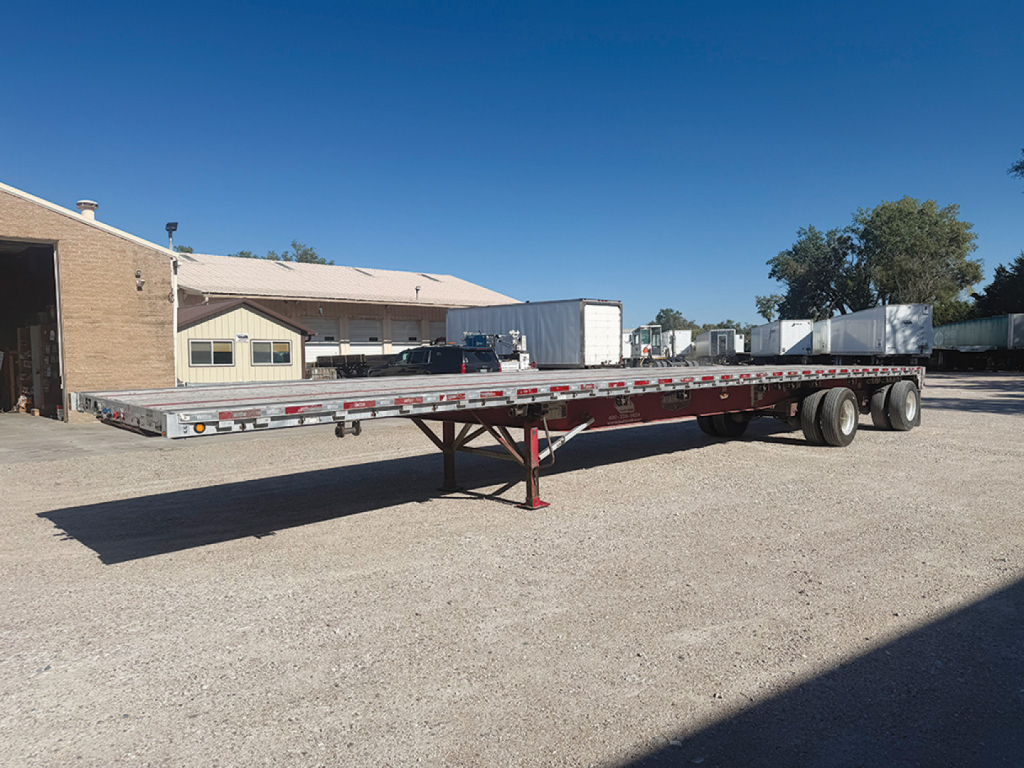
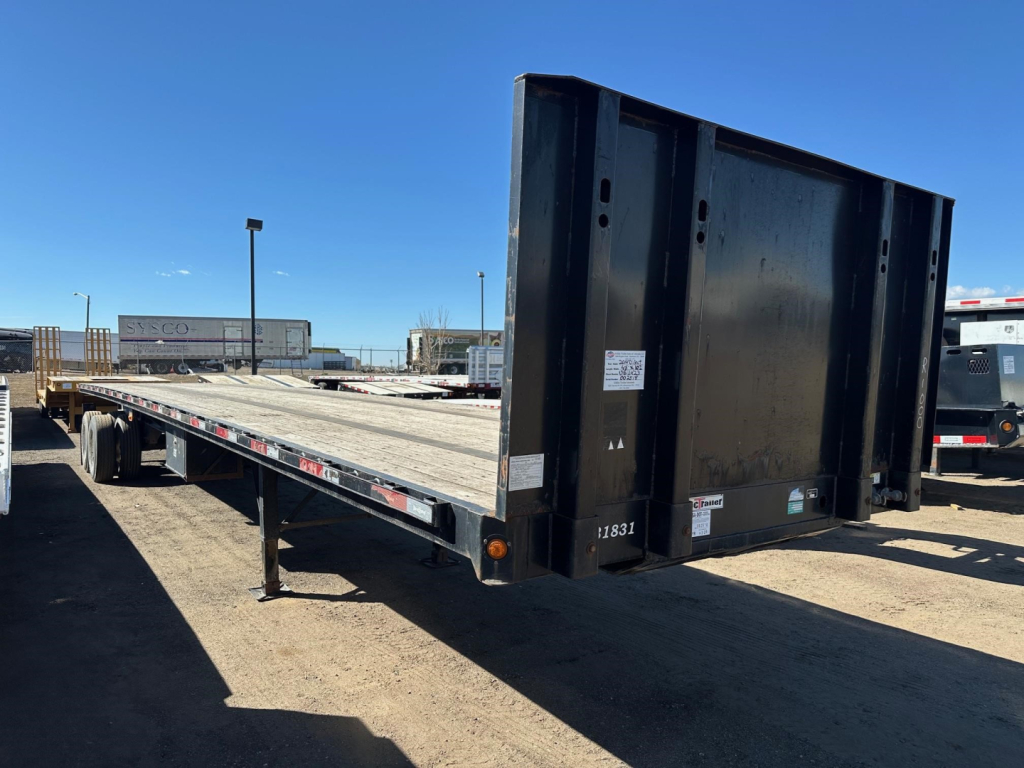
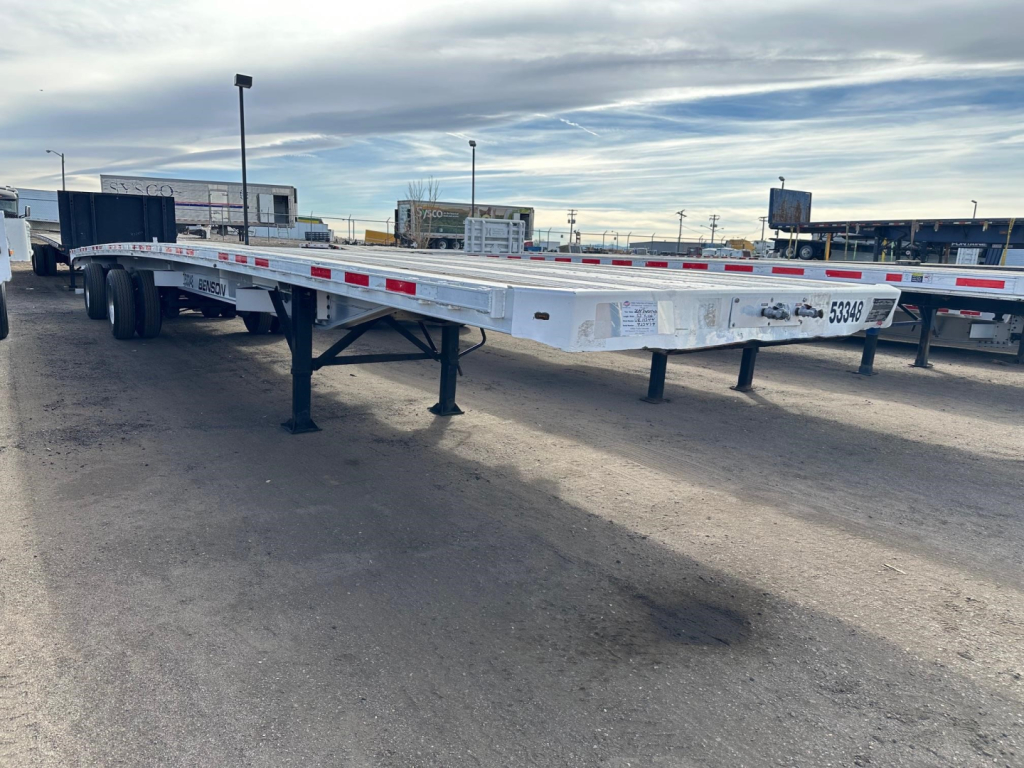
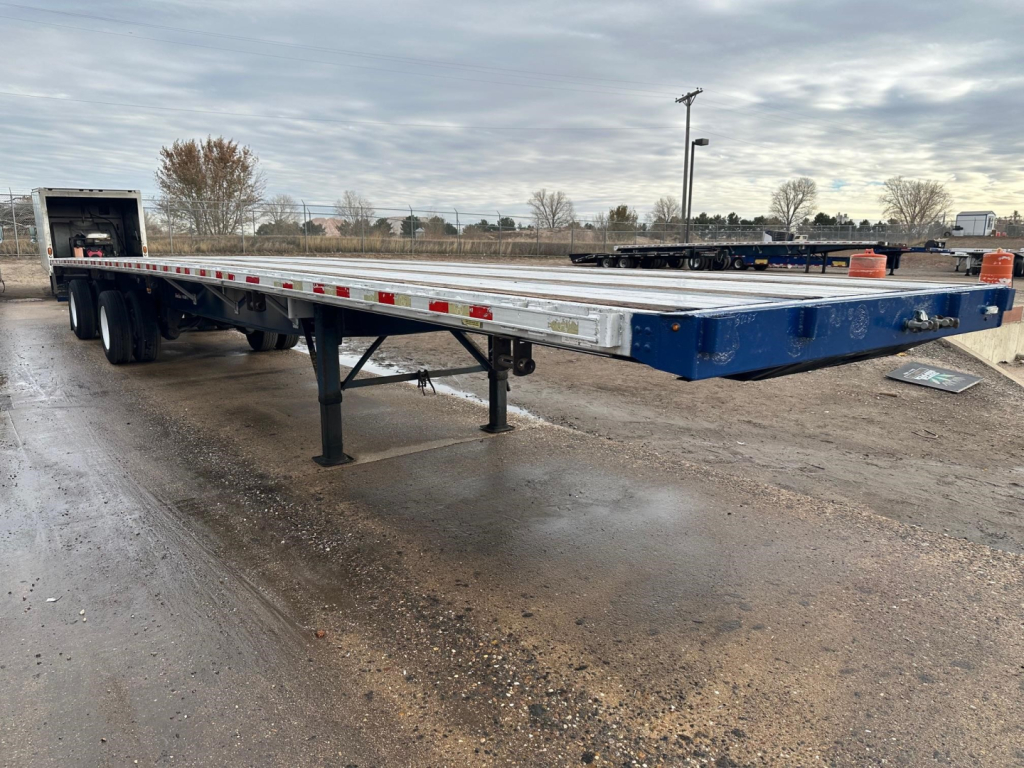
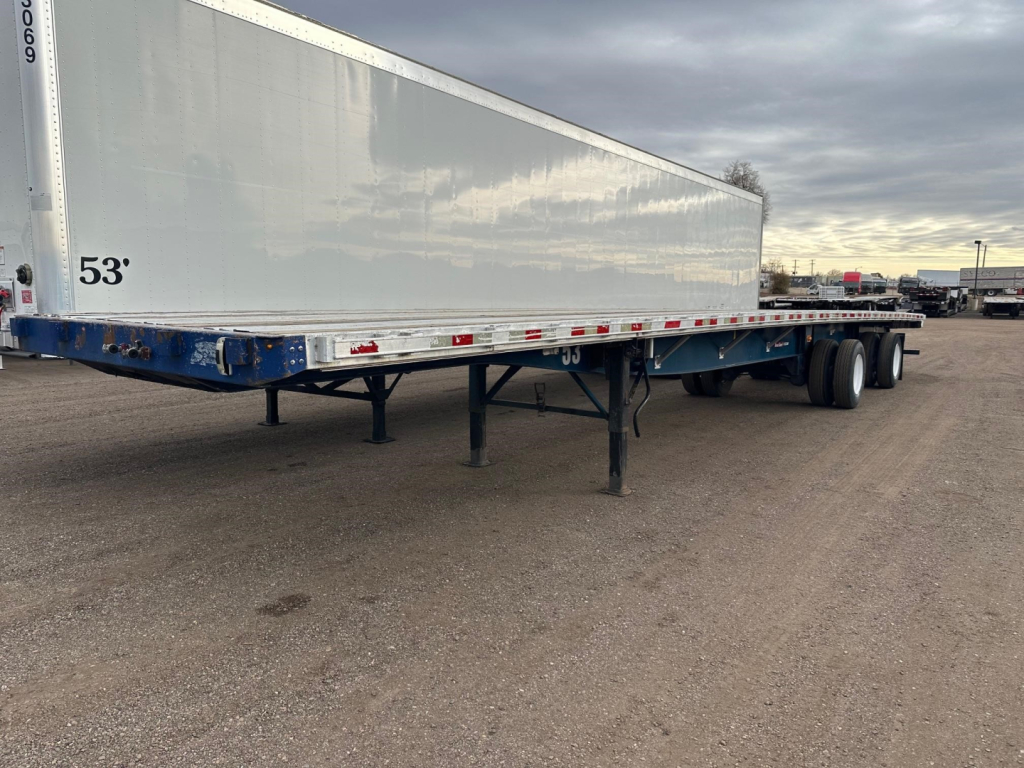
Selling a used 2014 flatbed trailer? List your used 2014 flatbed trailer for sale and reach thousands of commercial buyers.
Used 2014 Flatbed Trailers
The most important buying decisions usually come down to deck configuration and securement hardware. Look closely at winch track placement, number of sliding winches, chain tiedown style, pipe spools, and whether the trailer has a coil package. A flatbed set up with extra crossmembers and a coil package is better suited for steel haulers running coil, plate, and dense freight. Crossmember spacing, side rail design, and floor condition all affect long-term durability. Buyers should also verify kingpin setting, suspension setting, and axle spread because those details affect tractor compatibility, bridge compliance, turning radius, and load distribution.
Suspension and brake spec can make a noticeable difference in operating cost and driver acceptance. Many used 2014 flatbed trailers in the market have air ride suspension, often with Hendrickson-style setups, while some still use spring ride for simplicity and lower maintenance cost. Disc brakes, tire inflation systems, dump valves, and aluminum wheels are premium features that can improve uptime or reduce service intervals. Tire size and wheel type should be checked against the rest of the fleet to simplify spares and maintenance. Landing gear condition, rear structure, wiring, and lighting are also worth inspecting because flatbeds often see tough yard use and repeated securement stress.
A 2014 model can still be a strong value if the frame is straight, the deck is sound, and the trailer has the right spec for the lanes it will run. Buyers should pay special attention to side rail wear, cracked welds, crossmember fatigue, brake life, suspension bushings, and signs of overloading around the coil area and axle group. Flatbed trailers also known as open-deck trailers are highly application-specific, so the right purchase is less about age alone and more about tare weight, securement layout, and structural condition. Matching the trailer to the freight is what protects payload, service life, and resale value.
Frequently Asked Questions about Used 2014 Flatbed Trailers
What length is most common for a used 2014 flatbed trailer?
The most common lengths are 48 feet and 53 feet, both typically built to a legal width of 102 inches. A 48-foot flatbed is still widely used in steel, machinery, and general commodity hauling because it balances maneuverability with deck space. A 53-foot flatbed offers more deck length for lighter or longer freight, but payload and bridge considerations should always be reviewed against the lanes and commodities being hauled.
Is an aluminum or steel flatbed trailer better for my operation?
An aluminum flatbed trailer is usually the better choice when payload is a priority because it weighs less and resists corrosion well. A steel flatbed trailer can be attractive for harsher duty cycles, lower purchase cost, and easier structural repair in some shops, but it typically carries more tare weight. The better choice depends on the freight mix, expected service environment, and whether payload or initial cost matters more to the business.
What should I inspect first on a used 2014 flatbed trailer?
Start with the frame, crossmembers, side rails, floor, suspension, brakes, and axle alignment. Structural fatigue around the coil package, landing gear mounts, axle area, and rear impact section deserves close attention. Buyers should also inspect winch tracks, tiedown points, lighting, wiring, and tire condition because those items directly affect safety, DOT compliance, and the cost to put the trailer to work.
Do coil packages matter on a flatbed trailer?
Yes. A coil package is important if the trailer will haul steel coil or other concentrated heavy freight. These packages usually include additional crossmember support and a reinforced deck area designed to handle high point loads more safely. If the operation does not haul coil, a coil package may still add versatility, but buyers focused on lighter general freight may place more value on tare weight and standard deck configuration.
What axle and suspension setups are common on used 2014 flatbeds?
Tandem axle and spread axle configurations are both common, with air ride suspension frequently found on fleet-spec trailers and spring ride appearing on simpler or heavier-duty applications. Air ride is often preferred for ride quality and cargo protection, while spring ride can offer lower complexity. The right setup depends on bridge laws, turning requirements, weight distribution, and the type of freight being loaded.