
Used Unknown Trailers For Sale in Colorado
Browse used unknown trailers in Colorado, including equipment and lowboy styles with key specs, hauling applications, and buyer tips.
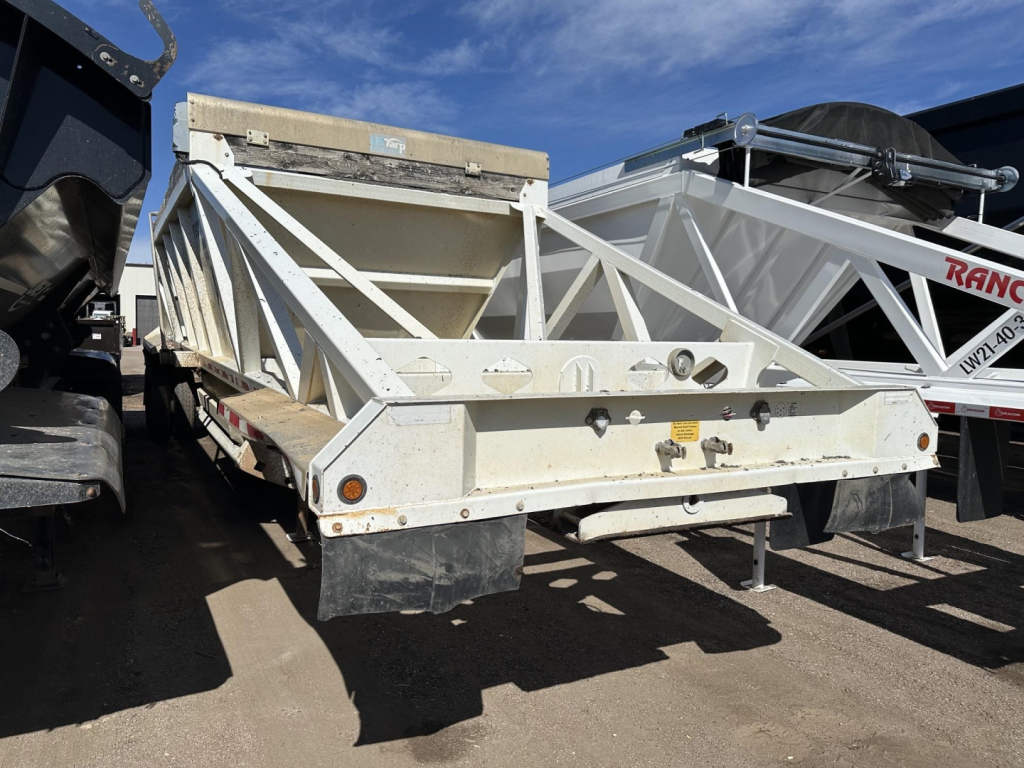
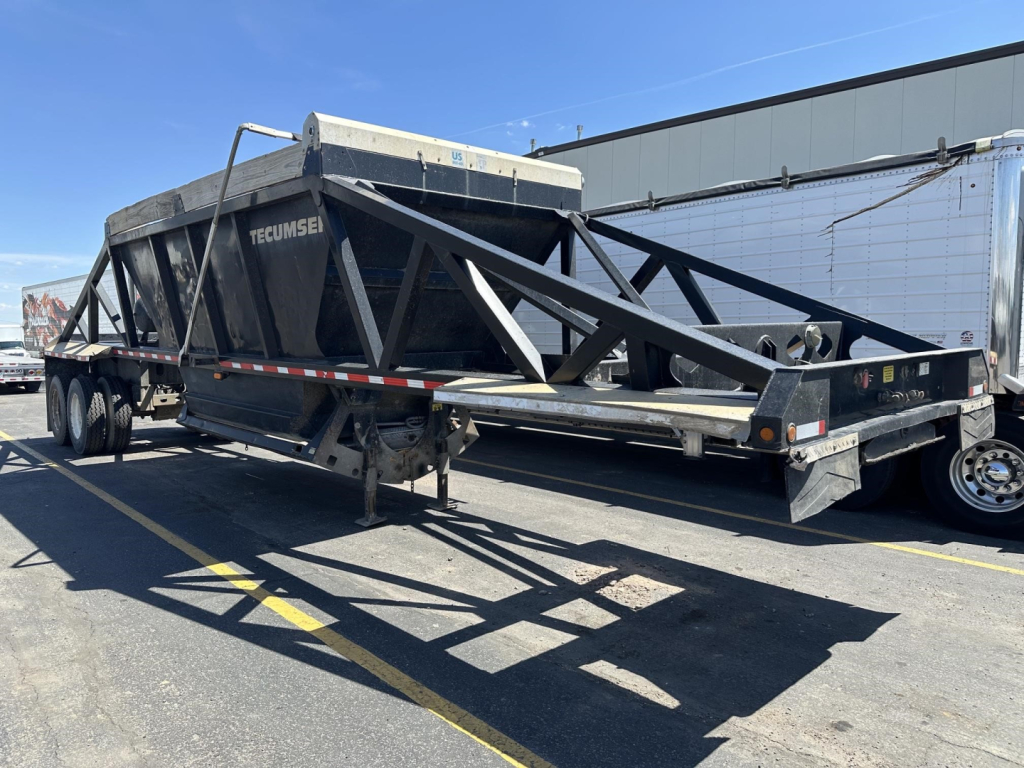
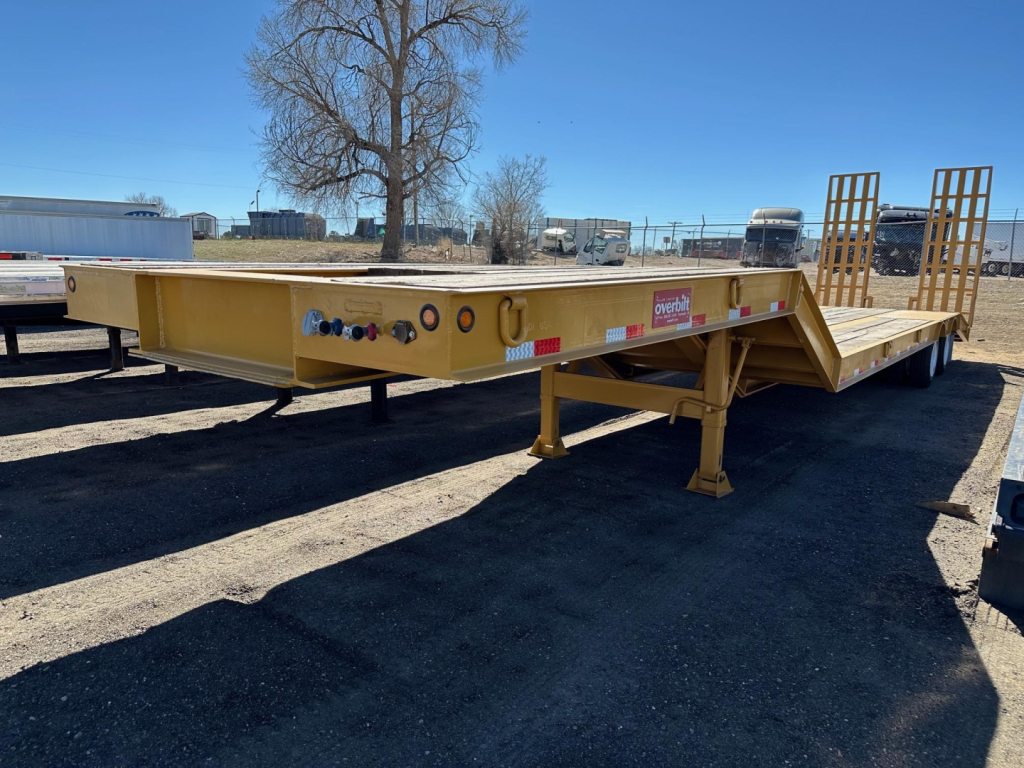
Selling a used unknown trailer? List your used unknown trailer for sale and reach thousands of commercial buyers.
Used Unknown Trailers in Colorado
For equipment hauling, pay close attention to deck length, usable lower deck, beavertail length, and loading angle. A trailer with hydraulic air ramps can save time and reduce operator effort compared with flip-over or spring-assisted ramps, especially when loading skid steers, mini excavators, rollers, or other tracked machines. Colorado operators should also think about width, overall loaded height, and empty weight, since mountain grades and changing road conditions can expose a marginal spec quickly. Tandem axle setups are common on lighter equipment trailers, while heavier applications may call for a true lowboy or detachable configuration, depending on machine size and permit needs. Tire size, wheel type, brake condition, and suspension design all affect stability, serviceability, and operating cost.
Condition matters even more on an unknown-make used trailer because resale support and published build data may be limited. Inspect the main frame, crossmembers, neck area, suspension hangers, ramp pivots, deck surface, electrical system, and air or hydraulic components for signs of fatigue, poor repairs, or corrosion. Look at brake wear, tire age, bushing condition, slack adjusters, lights, and coupler or kingpin wear. If the trailer has a wood deck, check for rot, broken boards, and fastener pull-through. If it is a steel deck or steel-frame unit, inspect for cracked welds, thin spots, and impact damage from repeated equipment loading. A sound trailer with straightforward running gear can still be a strong value even when the manufacturer is not widely known.
Colorado buyers should also consider how the trailer will be registered, permitted, and matched to the tow vehicle. Pintle, gooseneck, and fifth-wheel equipment trailers each fit different truck setups and jobsite needs. Buyers hauling between the Front Range, Western Slope, and mountain corridors usually benefit from conservative capacity margins, dependable brakes, and easy-to-service components. On a used trailer, common parts availability often matters more than nameplate prestige. If the structure is solid and the specs line up with your load profile, an unknown trailer can be a cost-effective way to add hauling capacity without overpaying for branding alone.
Frequently Asked Questions about Used Unknown Trailers in Colorado
What should I check first on a used unknown trailer?
Start with the structural components and the legal capacity. Check the VIN plate, GVWR, axle ratings, coupler or kingpin area, main frame, crossmembers, and suspension mounts before focusing on cosmetic issues. On an unknown-make trailer, build records and parts documentation may be limited, so the trailer’s actual condition is the most important factor. Brake function, tire condition, deck integrity, lighting, and ramp operation should all be verified before purchase.
Are unknown-brand used trailers harder to maintain?
They can be, but not always. Many trailers use common axles, brakes, hubs, lights, tires, suspension parts, and hydraulic components that are widely available through aftermarket suppliers. The challenge usually comes with proprietary ramp systems, coupler parts, or hard-to-identify structural details. A trailer built with standard running gear and serviceable components is usually much easier to keep on the road than one with unusual hardware, regardless of brand name.
What trailer specs matter most for hauling equipment?
Capacity is only one part of the equation. Buyers should also compare deck length, lower deck length, trailer width, loaded deck height, beavertail design, ramp length, axle spread, suspension type, and tire size. These specs determine how easily machines load, how the weight is distributed, and whether the trailer can handle real-world jobsite use. For tracked equipment, low loading angles and strong deck structure are especially important.
Is a lowboy-style trailer a good choice for Colorado hauling?
A lowboy-style trailer can be a strong fit for Colorado because the lower deck height helps manage loaded height and improves stability when hauling taller equipment. That matters on routes with overpass restrictions, mountain grades, and uneven approaches. The right choice still depends on the machine size, the tow vehicle, and whether you need a fixed-neck trailer, ramps, or a detachable setup. For many equipment-hauling applications, a lower deck and predictable loading geometry are real advantages.
How do I judge value on a used trailer with no well-known make?
Value comes from condition, specification, and serviceability more than branding. A solid frame, good brakes, healthy tires, straight axles, functional ramps, and a deck that does not need immediate repair can make an unknown trailer a better buy than a worn premium-brand unit. Buyers should compare the trailer’s actual hauling capability, repair needs, and parts compatibility against the asking price. A pre-purchase inspection is especially useful when the manufacturer is unclear or not widely supported.