
Used Unknown Trailers For Sale
Browse used unknown trailers for sale, including reefer and general freight units, with key specs, condition points, and application guidance.
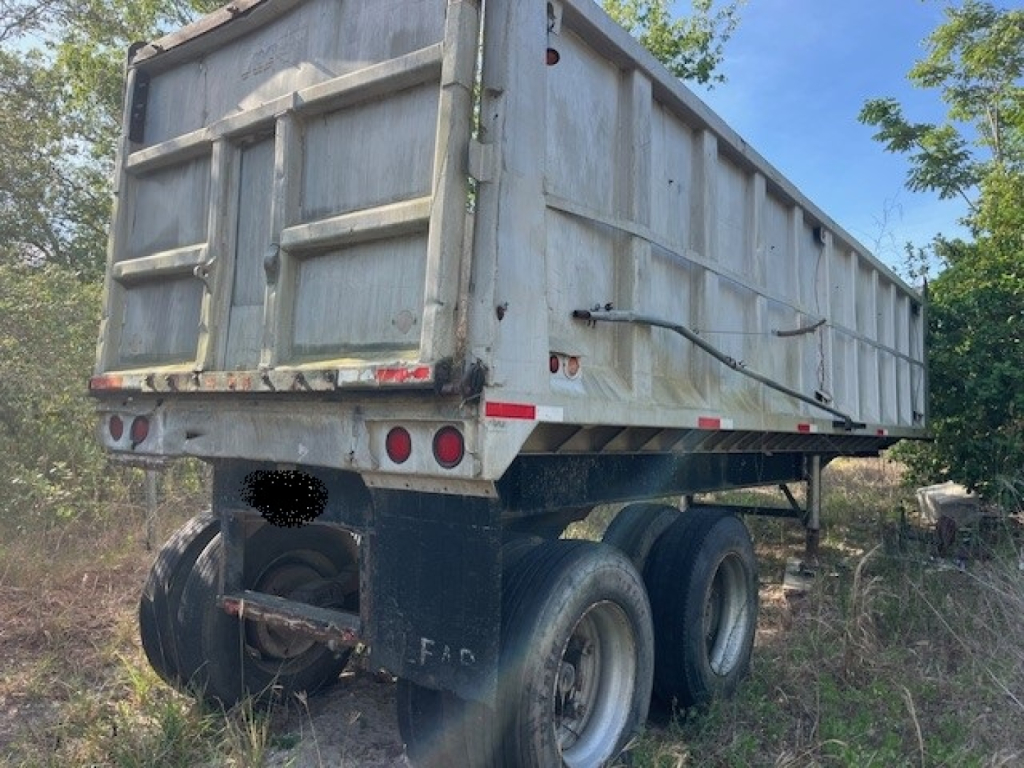
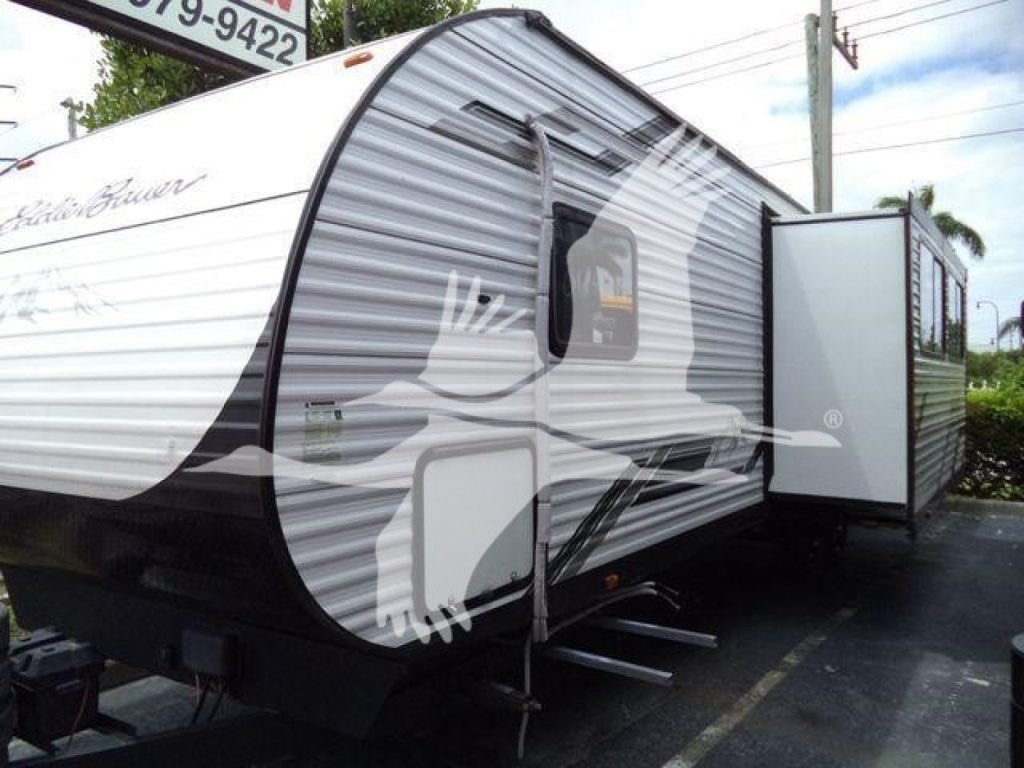
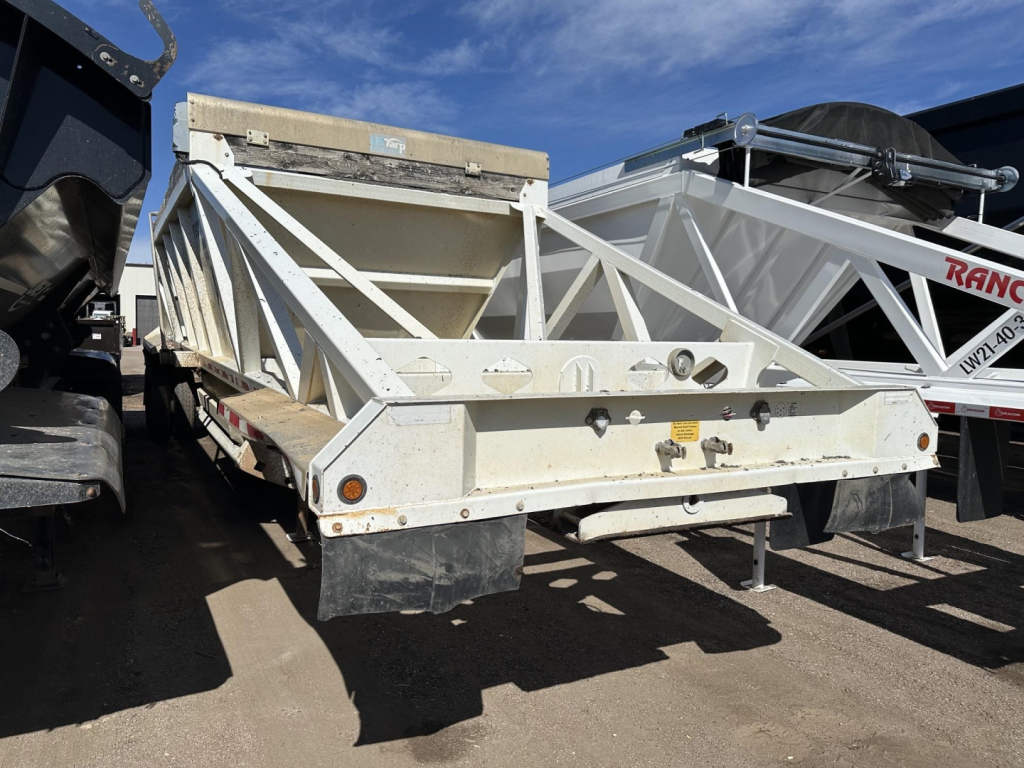
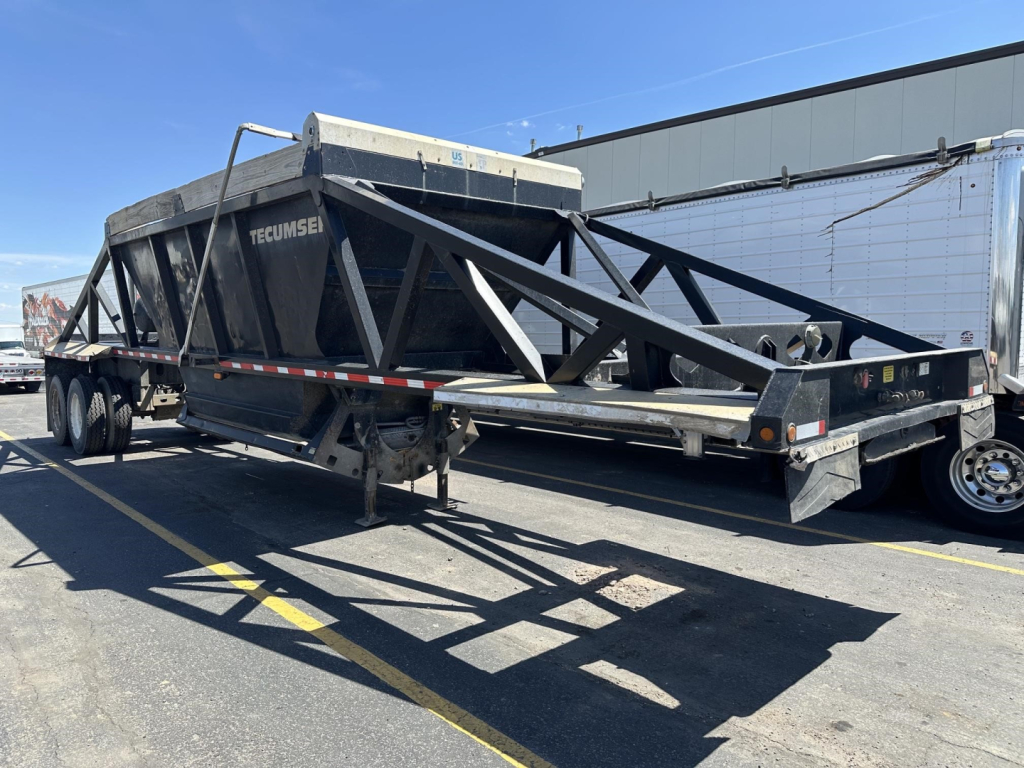
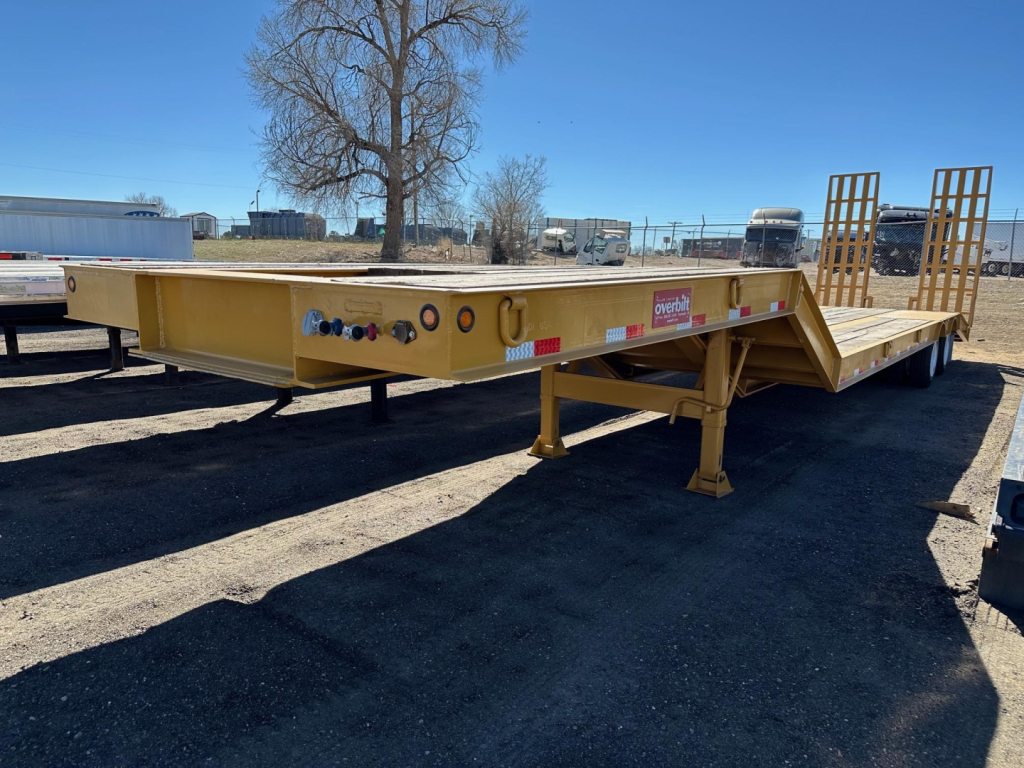
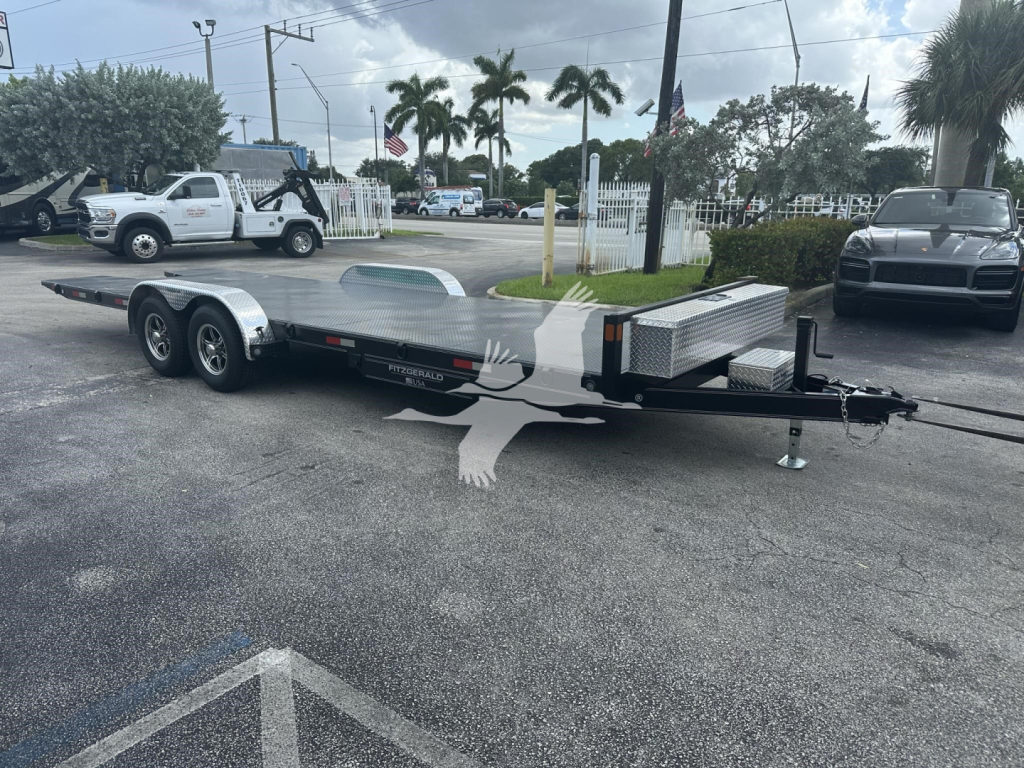
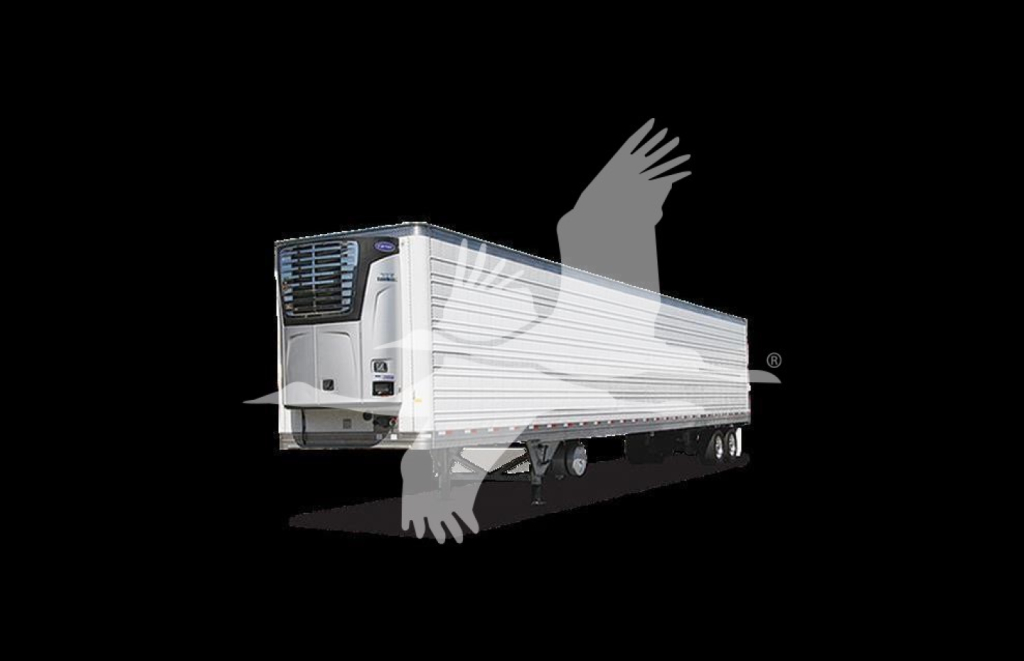
Selling a used unknown trailer? List your used unknown trailer for sale and reach thousands of commercial buyers.
Used Unknown Trailers
On enclosed trailers, key details include overall length and width, tandem or spread axle configuration, fixed versus sliding tandems, suspension type, door style, and body composition. A common reefer setup is a 53-foot by 102-inch trailer with aluminum construction, air-ride suspension, sliding tandems, scuff liners, and logistics posts. Buyers looking at used reefer trailers should check the refrigeration unit brand, engine hours, start-run performance, chute condition, insulation integrity, floor wear, and door seal condition. On any van or reefer, pay close attention to crossmembers, roof bows, wall patches, floor delamination, ICC bumper condition, and signs of previous impact damage around the rear frame and nose.
Running gear condition often determines the real cost of ownership on a used trailer. Inspect suspension components, axle alignment, brakes, wheel ends, tires, mudflaps, lights, ABS function, and DOT-ready items. Steel disc wheels are common and durable, but hub condition, drum or rotor wear, and uneven tire wear will tell you more about how the trailer has been maintained. If the trailer has sliding tandems, make sure the slider rail, locking pins, and air release system operate correctly. Freight flexibility also matters. Features like scuff liners, flat floors, logistic posts, and roll-up or swing doors affect loading methods, forklift use, and dock compatibility.
Unknown-make used trailers can make sense for buyers who prioritize function and purchase price over brand recognition, especially in regional freight, storage, or backup fleet roles. The tradeoff is that parts sourcing, VIN decoding, and factory-spec verification can take more work. Buyers should verify GVWR, VIN plate legibility, title status, reefer service records if equipped, and any signs of major structural repair before committing. A clean, correctly spec'd used trailer with an unknown make can still perform well, but only if the trailer’s condition, dimensions, and equipment match the lane, commodity, and loading environment.
Frequently Asked Questions about Used Unknown Trailers
What should I check first on a used unknown trailer?
Start with the VIN plate, title status, overall dimensions, axle configuration, and structural condition. On a used unknown trailer, brand information may be limited, so the trailer’s physical condition matters more than the nameplate. Inspect the frame, crossmembers, suspension, brakes, tires, lights, doors, and floor. If it is a reefer, also verify the refrigeration unit make, hours, operating condition, insulation, and service history.
Are used unknown trailers harder to maintain than branded trailers?
They can be, mainly because OEM documentation and exact parts identification may be less straightforward. Standard wear items such as brakes, hubs, tires, lights, suspension components, and mudflaps are often easy to source, but body panels, door hardware, structural parts, and model-specific components may require more measuring and verification. That is why a careful pre-purchase inspection is important on any unknown-make trailer.
Is a used unknown reefer trailer a risky buy?
It depends on reefer unit condition, box integrity, and maintenance records. A used reefer trailer can still be a practical buy if the unit starts and runs properly, holds temperature, and the trailer body has sound insulation, tight door seals, and a solid floor. The largest risks usually come from deferred reefer maintenance, hidden wall or floor damage, and poor structural repairs rather than the missing or unfamiliar trailer brand.
Do sliding tandems matter on a used trailer?
Yes. Sliding tandems affect axle weight distribution, bridge-law compliance, and dock positioning. On a used trailer, check that the slider mechanism moves freely, the pins lock fully, and the rails are not excessively worn or damaged. A non-functioning slider can limit where and how the trailer can be loaded, especially in operations that need flexible kingpin-to-rear-axle settings.