
Used Unknown Dump Trailers For Sale
Browse used unknown dump trailers for sale. Compare body material, length, gate style, hoist condition, liner wear, and suspension setup.
Selling a used unknown dump trailer? List your used unknown dump trailer for sale and reach thousands of commercial buyers.
Used Unknown Dump Trailers
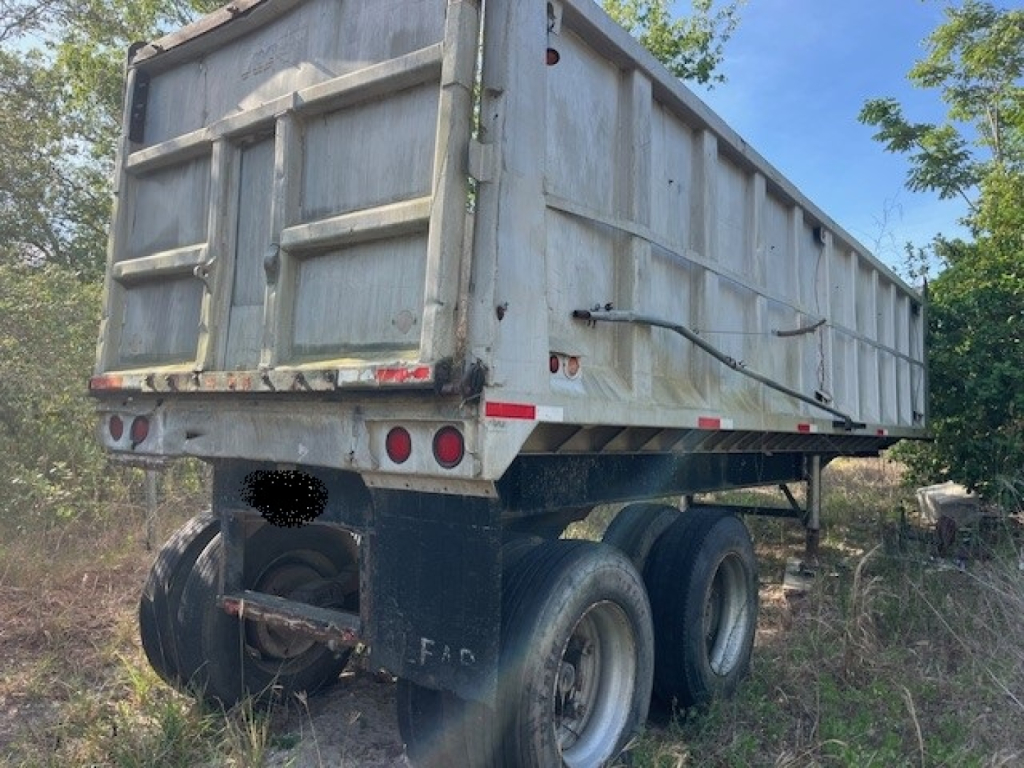
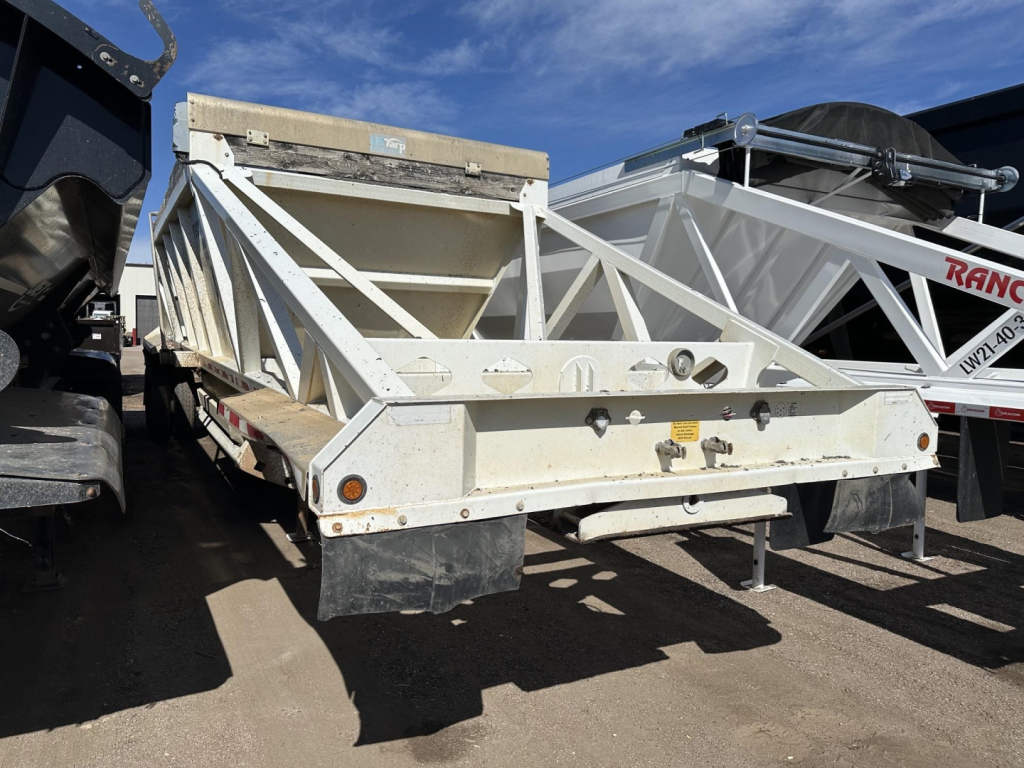
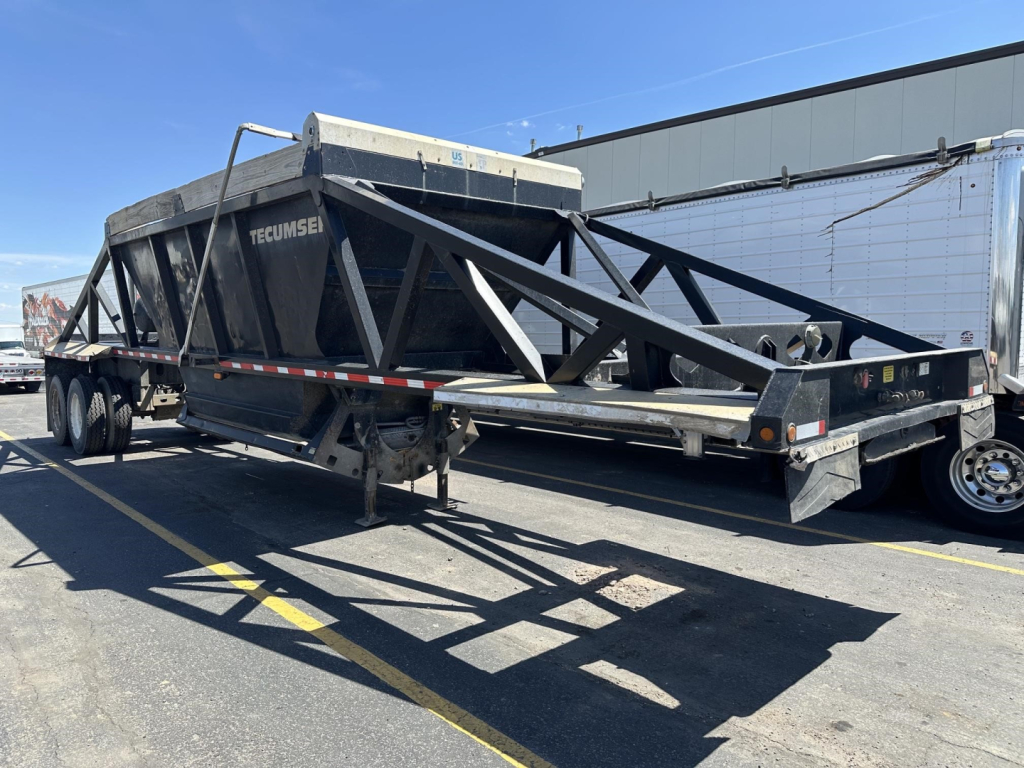
The first inspection point is the tub and floor. Look closely for thin spots, patches, cracked crossmember connections, bowing around the hinge area, and damage near the tailgate and rear sill. On older used dump trailers, the bottom sheet often tells the story of how the trailer was loaded and what material it hauled. A dump gate or barn door setup should open cleanly and seal correctly. Check hinge pins, latch hardware, and signs of material leaking past worn seals. If the trailer uses an end dump design, pay attention to frame alignment, kingpin area condition, landing gear stability, and suspension wear, since these units see heavy stress during loading, transport, and raised dumping cycles.
The hydraulic system is the next major cost center. Inspect the cylinder for pitting, leaks, rod scoring, and evidence of past repairs. Confirm the hoist raises smoothly and holds without drifting. Air and electrical systems also deserve attention, especially on trailers that have spent time parked. Lights, harnesses, gladhand connections, ABS components, and brake chambers may need work simply from age and exposure. Tire condition, wheel-end service history, brake lining life, and suspension type are all worth comparing across listings. Spring ride remains common on work-focused dump trailers, while air ride may be preferred when protecting the trailer structure or handling variable road conditions.
Used dump trailers are commonly selected for construction debris, sand, gravel, riprap, millings, grain, mulch, and other bulk loads. The right trailer depends on commodity weight, loading method, and dump site conditions. A longer aluminum trailer may suit lighter bulk materials where payload is critical, while a heavier steel unit may be the better fit for punishing jobsite work. When the make is unknown, a careful buyer should rely on visible build quality, repair history, VIN data, and component brands for axles, brakes, suspension, and hydraulics. Those details usually reveal more about long-term ownership cost than the badge on the nose.
Frequently Asked Questions about Used Unknown Dump Trailers
What should I check first on a used dump trailer with an unknown make?
Start with the structure. Inspect the floor, sidewalls, crossmembers, rear frame, hinge points, and kingpin area for cracks, patches, corrosion, and signs of overload damage. After that, check the hydraulic cylinder, hoist operation, gate hardware, brakes, tires, lights, and suspension. With an unknown make, the trailer's actual condition and the quality of its major components are more important than brand identity.
Is an aluminum dump trailer better than a steel dump trailer?
It depends on the application. Aluminum dump trailers are lighter, which helps increase legal payload and improve operating efficiency in bulk commodity service. Steel dump trailers are generally better suited for severe duty applications involving scrap, demolition debris, hot asphalt, or sharp rock because the body can better handle impact and abrasion. Buyers should match body material to cargo type and expected duty cycle.
How important is the hydraulic cylinder on a used dump trailer?
The hydraulic cylinder is one of the most important items to inspect because replacement cost can be significant and hoist problems directly affect uptime and safety. Look for leaks, chrome rod damage, pitting, drift under load, and rough movement during raising and lowering. A trailer with a recently replaced or properly maintained cylinder may offer better value than a similar unit with unknown hydraulic condition.
Are older used dump trailers still worth buying?
Yes, if the main structure is sound and the trailer fits the intended work. Many older dump trailers remain productive in seasonal, farm, aggregate, or local construction service. The key is to evaluate the floor thickness, frame integrity, suspension wear, brake condition, and electrical system closely. An older trailer with a solid tub and serviceable running gear can still be a cost-effective option.
What trailer features matter most for dump trailer productivity?
The most important features usually include body material, body length, side height, gate style, hoist design, suspension type, and overall empty weight. Buyers should also consider liner condition, tarp system setup, tire size, axle rating, and how easily the trailer can be loaded and cleaned out. Productivity comes from matching trailer configuration to the material hauled, the route, and the unloading environment.