
Used 2026 Trailers For Sale in Colorado
Browse used 2026 trailers in Colorado, including dry vans, reefers, dumps, and specialty trailers with current specs and fleet-ready configurations.
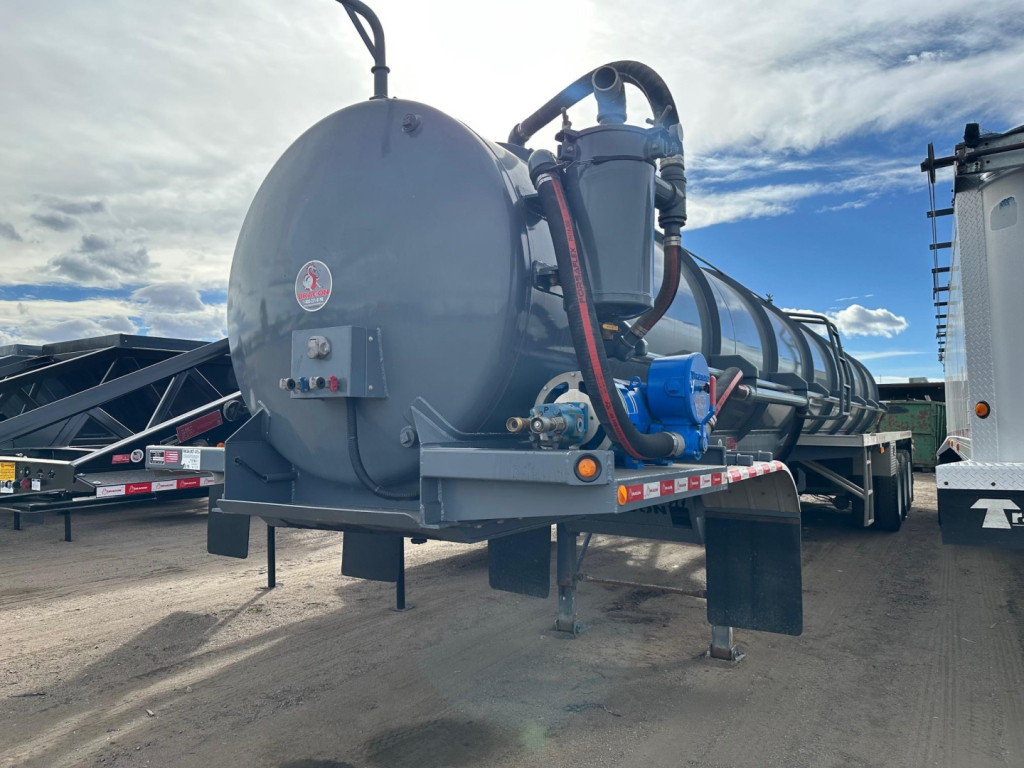
Selling a used 2026 trailer? List your used 2026 trailer for sale and reach thousands of commercial buyers.
Used 2026 Trailers in Colorado
For van and reefer work, common decision points include 53-foot by 102-inch dimensions, air ride suspension, slider tandems, door configuration, roof and wall construction, and tire setup. Dry vans in this age range may include aerodynamic add-ons, side skirts, logistics posts, composite or sheet-and-post wall systems, wood or aluminum floors, and tire inflation systems. Reefers add another layer of evaluation around unit hours, duct floor condition, rear door seal integrity, insulation performance, and service history on the refrigeration unit. Buyers moving grocery, produce, frozen freight, or mixed LTL should pay close attention to reefer unit brand support, fuel tank capacity, and whether the trailer has the interior wear protection needed for repeated dock work.
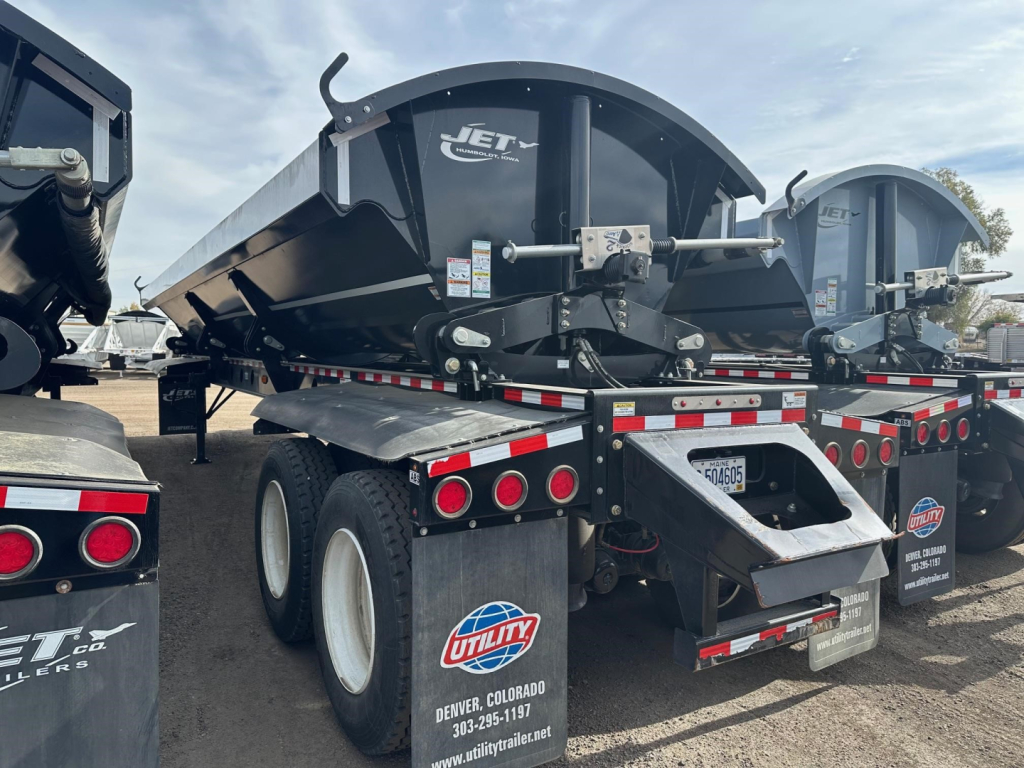
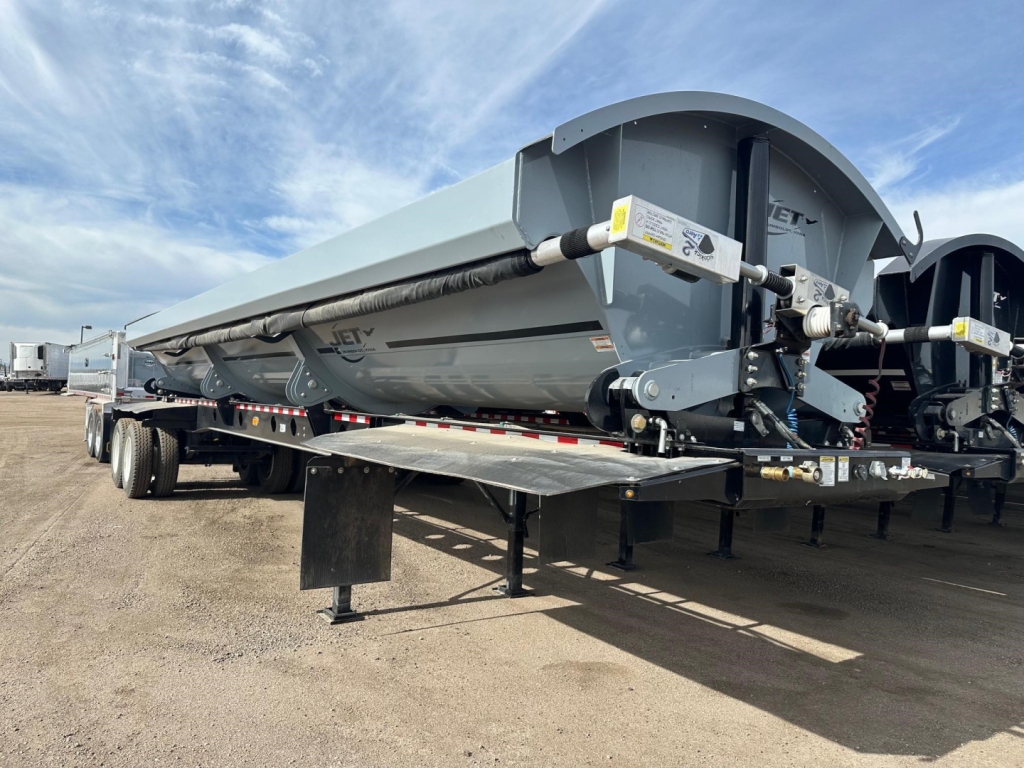
For dump and construction applications, 2026-era used trailers may include bottom dumps, side dumps, end dumps, and frameless rock tubs built for aggregate, demolition, paving support, or agricultural material handling. Key specs include tub material such as AR400 or other abrasion-resistant steel, hopper or gate configuration, tarp system type, push block setup, axle spacing, and suspension choice. In Colorado, side dumps and end dumps are commonly evaluated for stability on uneven terrain, cylinder condition, pivot wear, and overall suitability for rock, sand, millings, or dirt. Buyers hauling off-road or jobsite material should also verify tire size, wheel type, fender setup, liner or wear areas, and any signs of stress cracking around crossmembers, kingpin plate, and suspension mounts.
A used 2026 trailer can make sense for buyers who want current design features without stepping into a new-unit price point, but the value is in the details. Look at landing gear operation, frame alignment, brake life, ABS function, lighting, door hardware, floor condition, and kingpin wear before comparing price alone. In Colorado, payload law, route profile, and seasonal operating conditions matter just as much as trailer category. A trailer that is well-matched to your freight, tractor wheelbase, and loading environment will usually outperform a cheaper unit with the wrong suspension, wrong floor, or the wrong body style for the work.
Frequently Asked Questions about Used 2026 Trailers in Colorado
What types of used 2026 trailers are most common in Colorado?
Used 2026 trailers in Colorado typically include dry vans, refrigerated trailers, end dumps, side dumps, bottom dumps, and other vocational or specialty trailer configurations. The most common category depends on the region and freight mix. Front Range freight lanes often support van and reefer demand, while construction, aggregate, and agricultural work create steady interest in dump-style trailers.
What should I inspect first on a used 2026 reefer trailer?
Start with refrigeration unit hours, maintenance records, and pre-trip performance. Then inspect the duct floor, insulation condition, door seals, rear frame area, and interior lining for damage from forklifts or repeated dock loading. Buyers should also verify that the reefer unit brand has local service support in Colorado, because uptime often depends as much on parts access as it does on the trailer itself.
How do I choose between a side dump, end dump, and bottom dump trailer?
The right dump trailer depends on material type, unloading site, and stability requirements. Side dumps are valued for fast unloading and good stability on many job sites. End dumps are common for bulk hauling but require careful attention to center-of-gravity and ground conditions during lift. Bottom dumps are well suited for controlled spread applications such as road base, shoulder work, and certain aggregate operations where metered discharge matters.
Are used 2026 dry vans likely to have modern fleet specs?
Yes. A used 2026 dry van will often have current-spec equipment such as air ride suspension, slider tandems, side skirts, LED lighting, logistics posts, composite wall panels, and tire inflation systems. That makes this model year attractive for buyers who want newer trailer design and fleet-friendly features while shopping below the cost of a factory-fresh unit.
What matters most when buying a used 2026 trailer in Colorado?
Condition matters more than model year alone. Colorado buyers should focus on brake and tire wear, suspension condition, frame integrity, corrosion from winter road treatment, and signs of stress from mountain hauling or off-road use. It is also important to match the trailer to the intended application, because terrain, legal payload limits, and route profile can all affect long-term operating cost.