
Used Lowboy Trailers For Sale in Colorado
Shop used lowboy trailers for sale in Colorado. Compare detachable gooseneck, fixed neck, 35 to 60 ton capacity, axle setups, and well lengths.
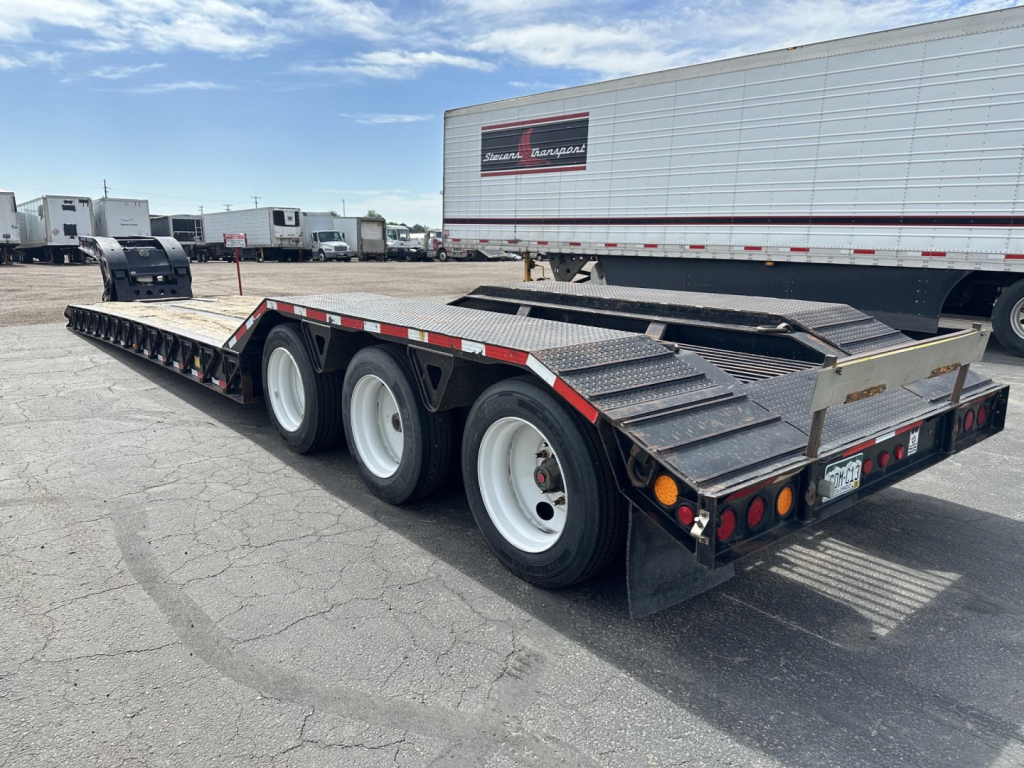
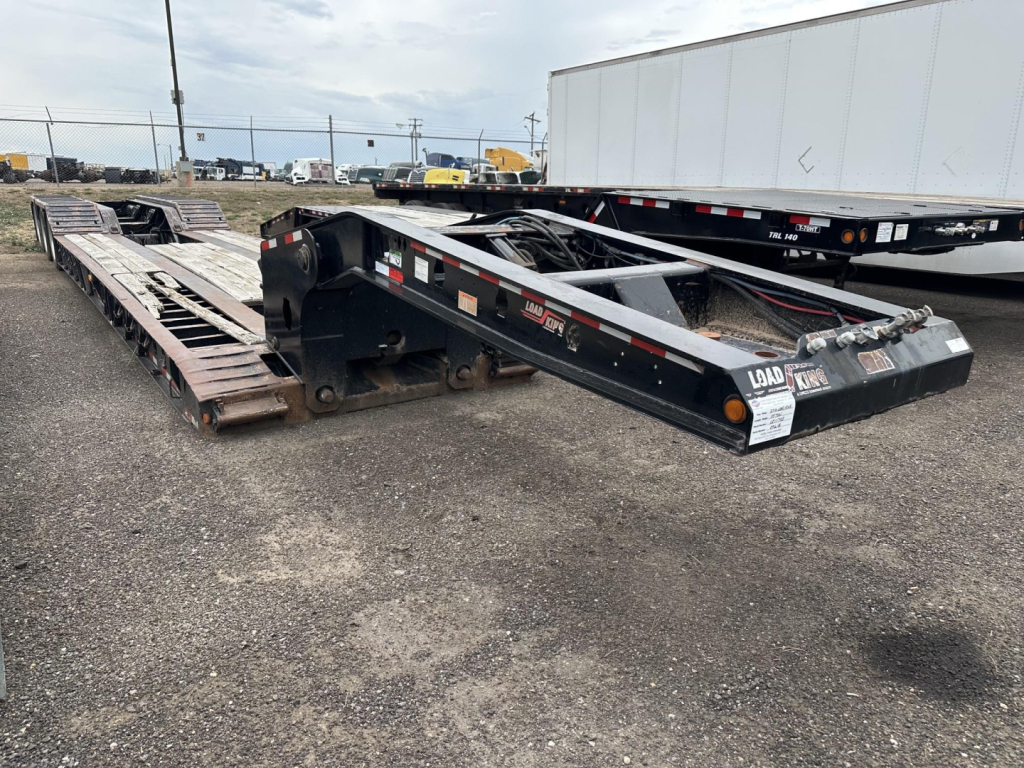
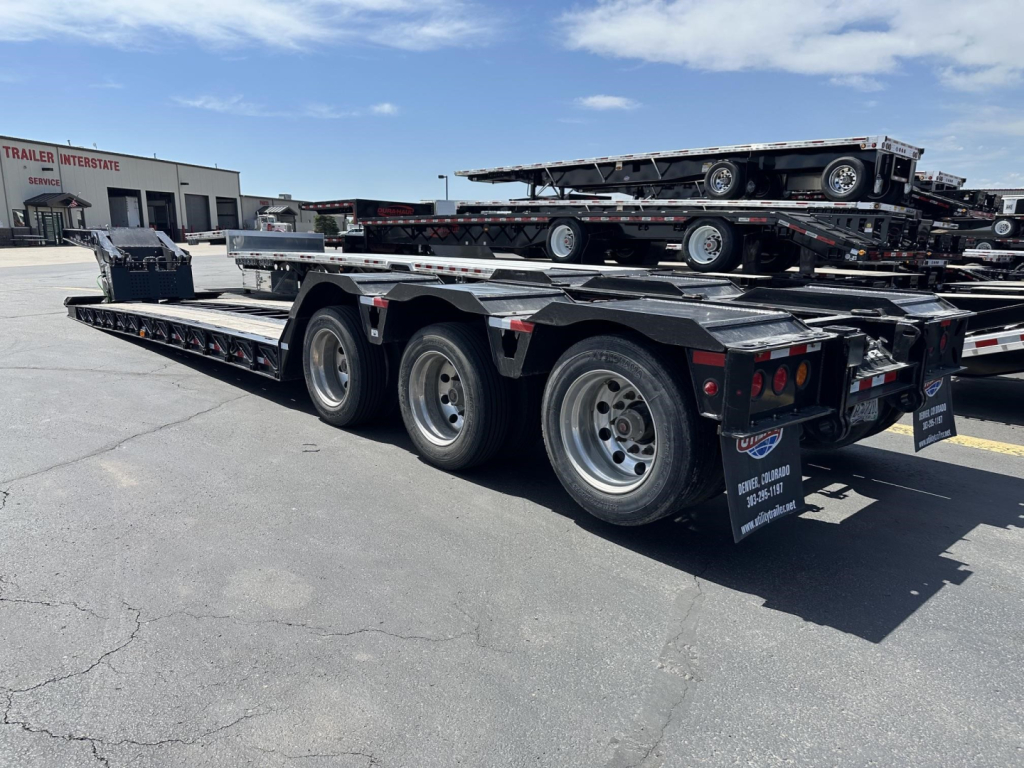
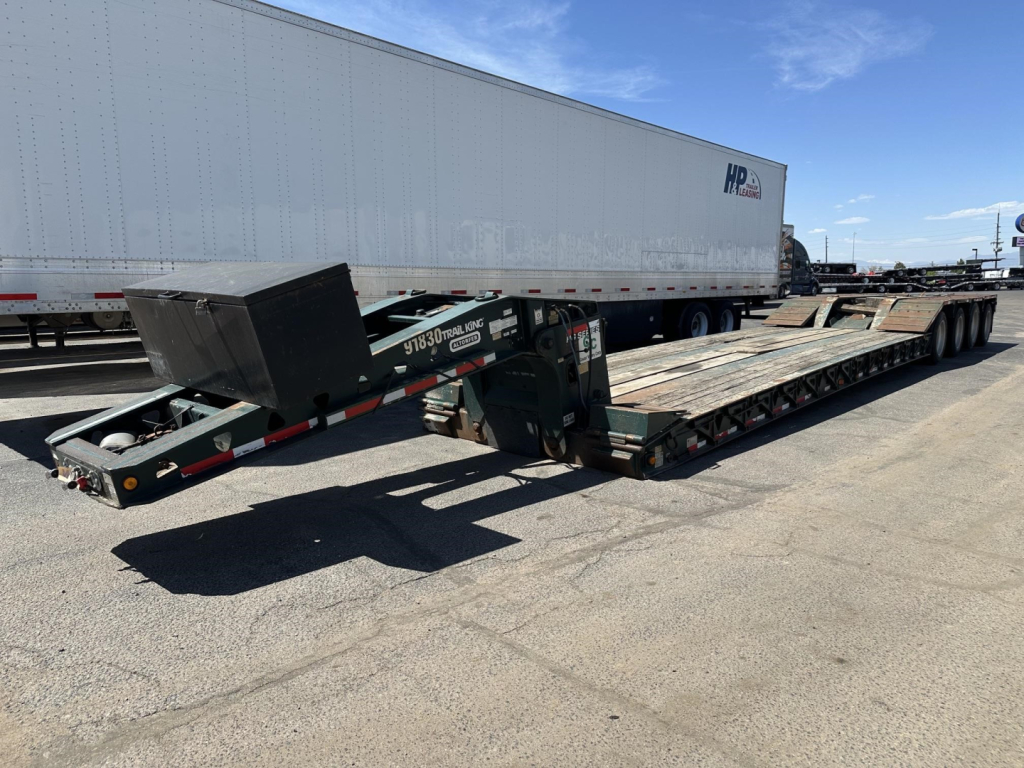
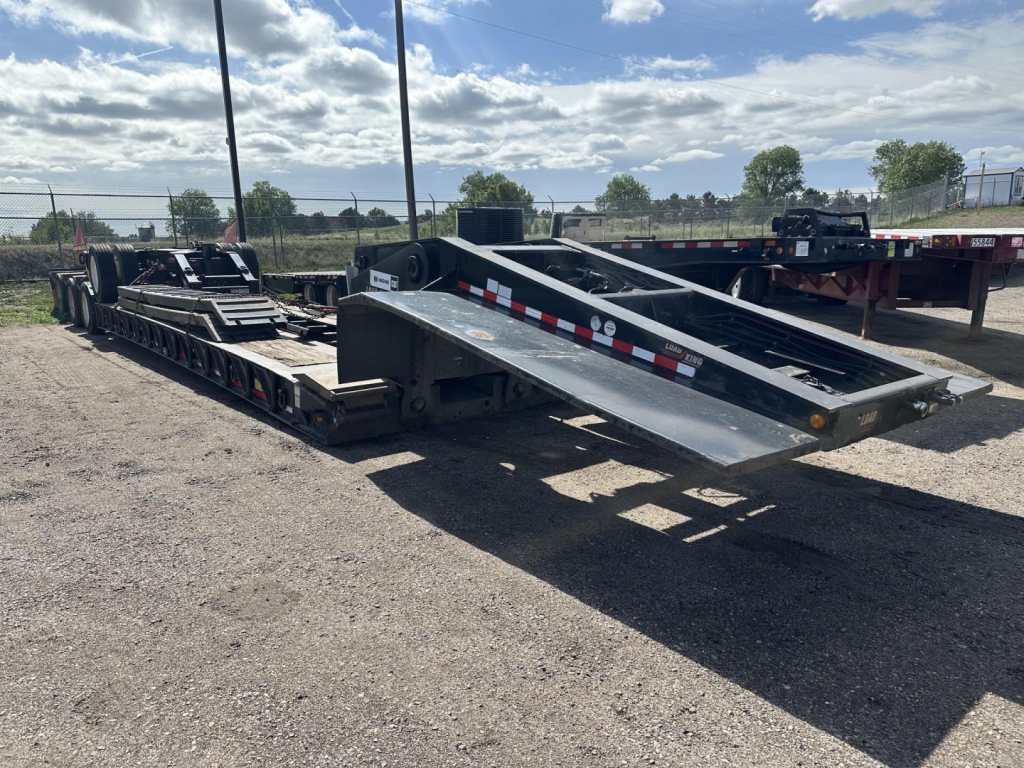
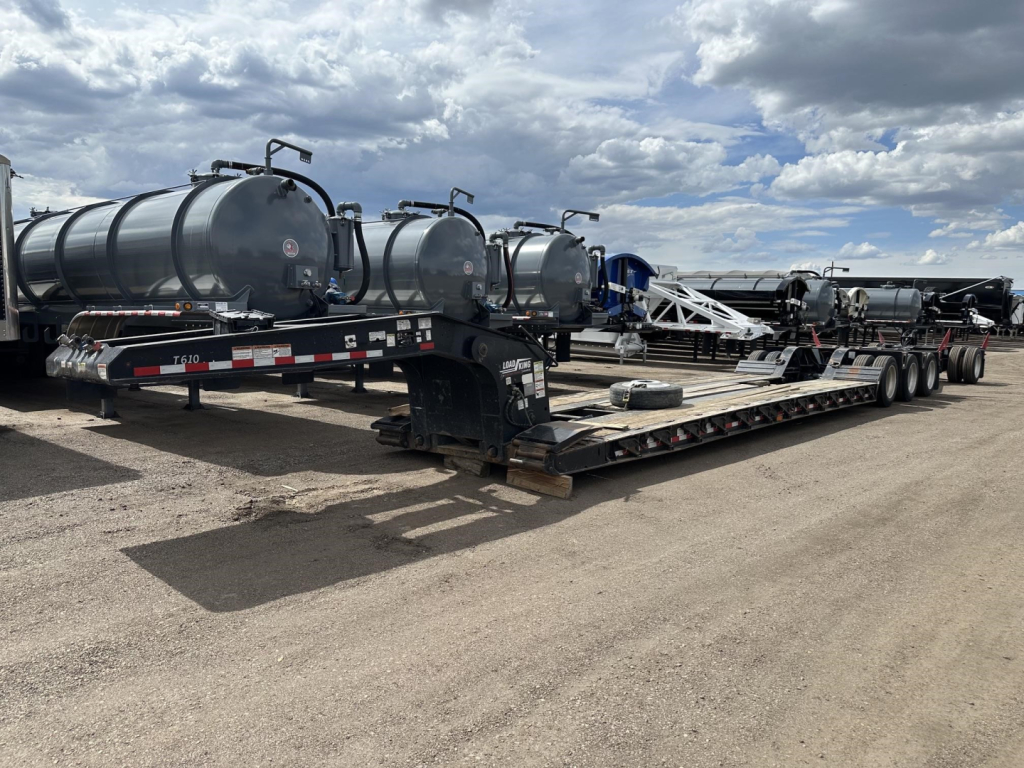
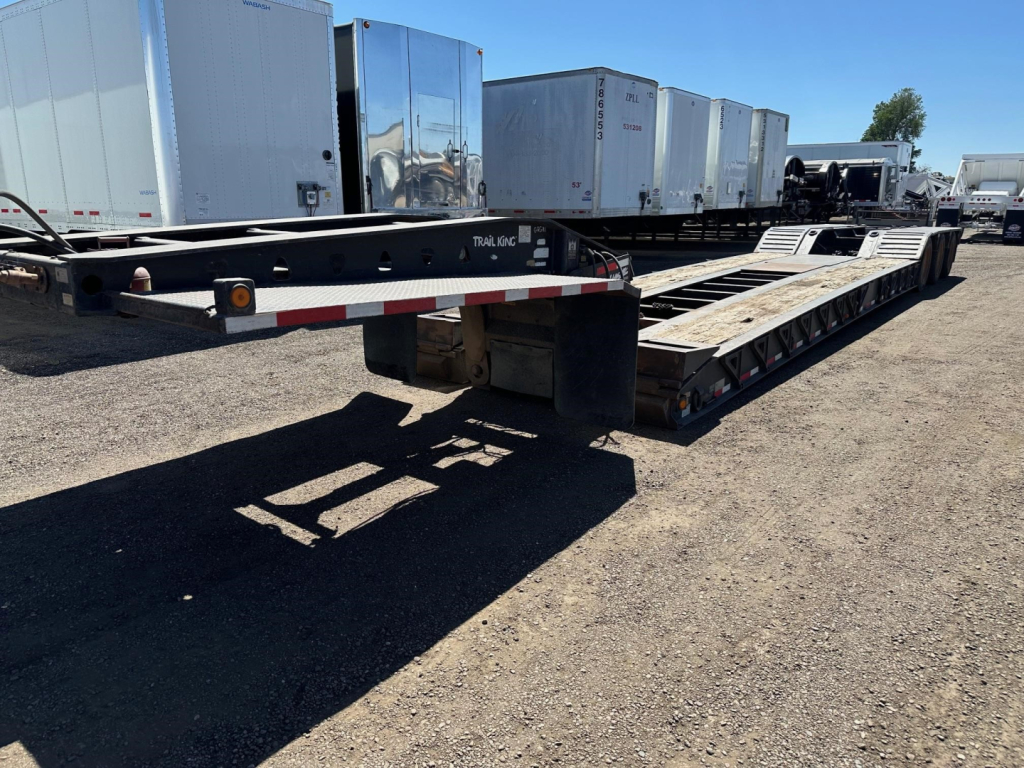
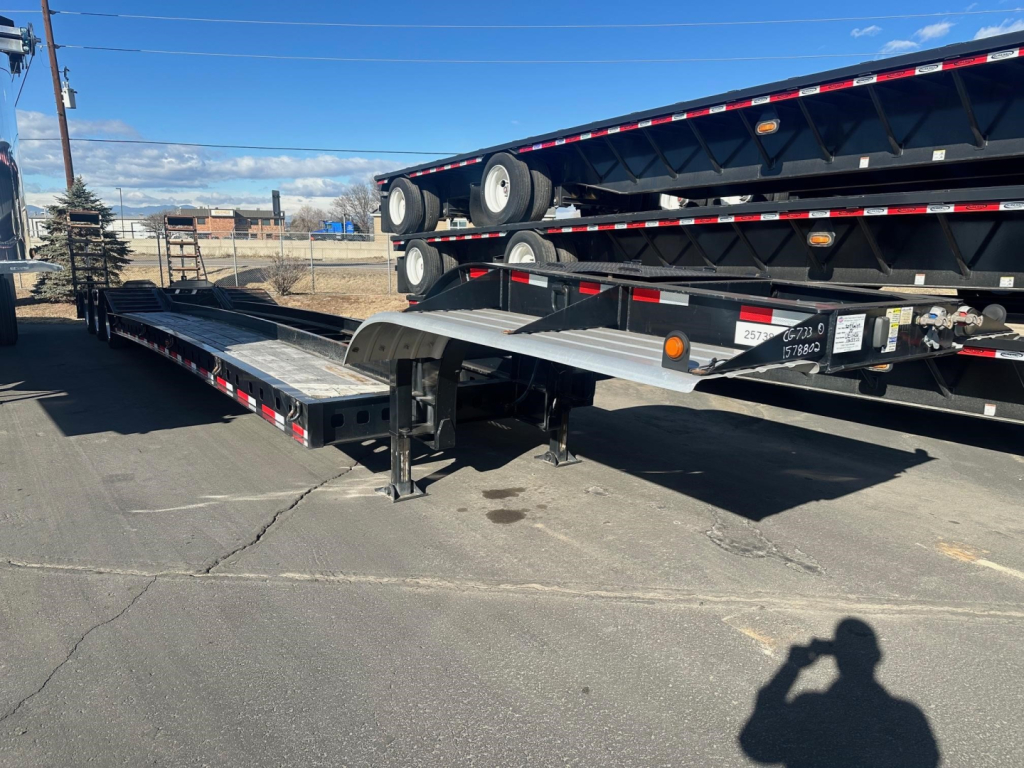
Selling a used lowboy trailer? List your used lowboy trailer for sale and reach thousands of commercial buyers.
Used Lowboy Trailers in Colorado
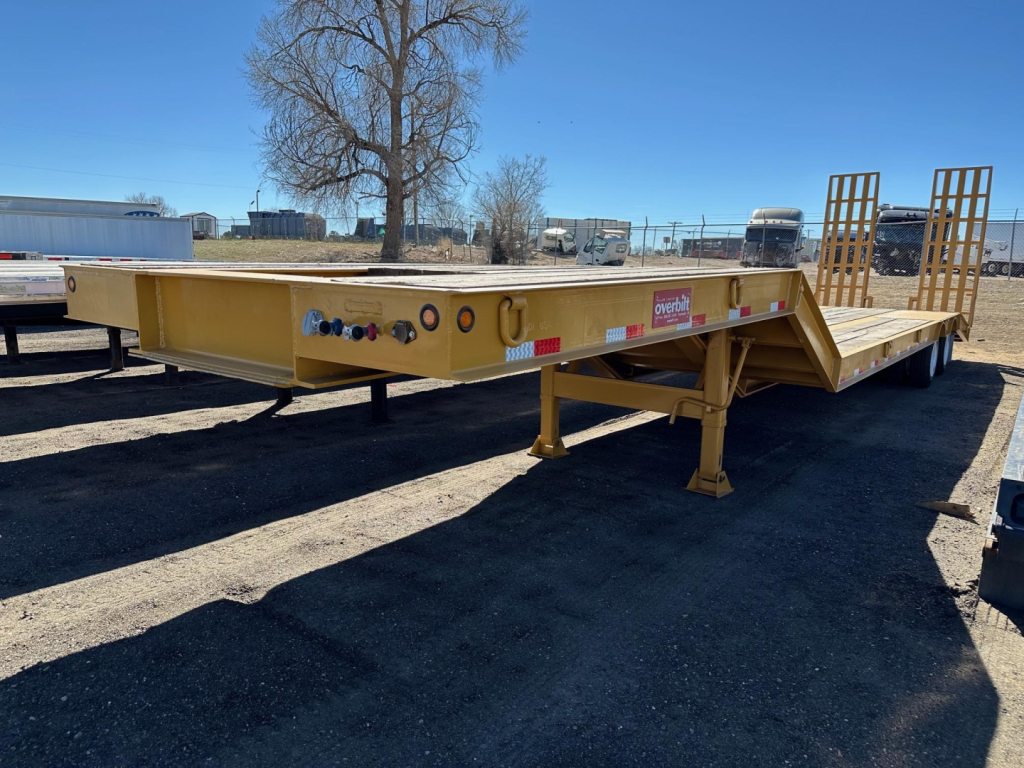
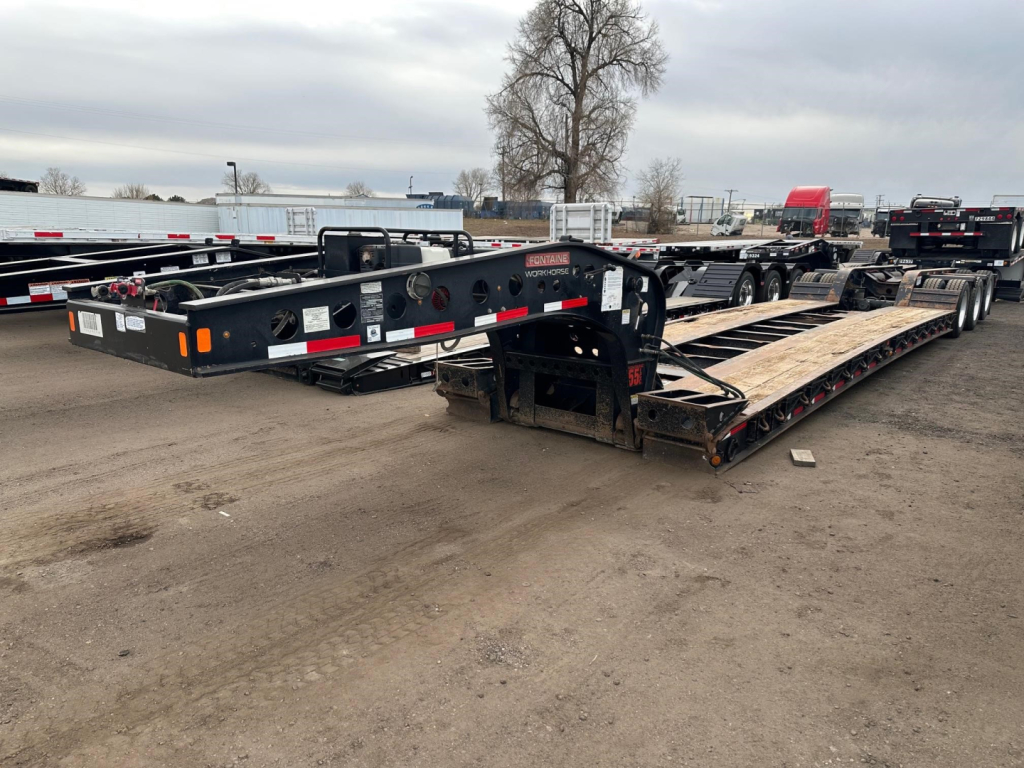
Most buyers start with capacity and loading method. Common used lowboy trailers in this class run from roughly 35 ton to 60 ton, with tri-axle layouts, lift axles, and flip axle capability showing up often. Hydraulic removable gooseneck trailers are popular because they let you drive equipment on from the front, which is a major advantage for tracked machines, pavers, and other low-clearance equipment. Fixed neck lowboys can be simpler and lighter, and they often make sense for buyers who load from the rear with ramps and keep freight more consistent. Pay close attention to well length, usually around 24 to 26 feet in many general construction setups, because that dimension determines how well a dozer, excavator, or loader will balance across the deck and axles.
Specs matter on a lowboy because small differences affect permits, loading time, and tire wear. Buyers should look at kingpin settings, overall deck length, 102-inch width, tire size, suspension type, and whether the trailer has adjustable ride height. Air ride suspension is common and helps with load stability and deck control, especially when terrain and job sites vary. Features like outriggers, D-rings, load-bearing fenders, boom troughs, bucket wells, traction cleats, tool trays, and strobe lights add real operating value when you are securing mixed equipment or running oversize loads. In heavier configurations, a rear lift axle, flip axle, or spreader bar can make the difference between a practical legal payload and a trailer that is too limited for regional heavy haul work.
On a used lowboy trailer, condition inspection is as important as the spec sheet. Check the neck structure, deck crossmembers, ramp hinges, hydraulic system, pony motor or PTO hookups, suspension components, and frame alignment. Look closely at wood decking, tire condition, brake wear, and signs of stress around axle connections and load concentration points. For Colorado operators, it also pays to think about how the trailer will behave on grades, in winter conditions, and on uneven access roads. The right used lowboy should match your freight profile first, then your permit strategy, tractor setup, and maintenance expectations. A well-matched trailer will load faster, carry more efficiently, and stay productive across a wide range of heavy haul jobs.
Frequently Asked Questions about Used Lowboy Trailers in Colorado
What is the difference between a lowboy trailer and a flatbed trailer?
A lowboy trailer sits much lower to the ground than a flatbed, which allows it to haul taller equipment without exceeding legal height limits as quickly. That lower deck height makes a lowboy the standard choice for excavators, dozers, loaders, and other heavy machinery with high overall profile. Flatbeds are more flexible for palletized freight and general cargo, but they do not offer the same height advantage for heavy equipment transport.
Should I choose a hydraulic removable gooseneck or a fixed neck lowboy?
A hydraulic removable gooseneck lowboy is usually the better fit if you regularly load self-propelled equipment from the front. It improves loading angle and can save time on jobs with tracked or low-clearance machines. A fixed neck lowboy can be a solid choice if your freight is consistent, you load from the rear, and you want a simpler trailer with fewer hydraulic components to maintain. The right choice depends on your loading method, equipment mix, and maintenance preferences.
What capacity lowboy trailer is best for construction equipment?
The right capacity depends on the actual operating weight, dimensions, and axle placement of the machines you haul most often. Many general construction fleets shop in the 35 ton to 55 ton range because that covers a wide variety of excavators, dozers, and loaders. Heavier 55 ton to 60 ton lowboys are often better for larger iron, specialized attachments, and jobs where a flip axle or spreader setup may be needed. Buyers should match the trailer to real payload requirements, not just the maximum weight they occasionally move.
What should I inspect on a used lowboy trailer before buying?
Focus on the structural and operating systems first. Inspect the main frame, gooseneck, crossmembers, outriggers, ramp assemblies, suspension, brakes, tires, and wheel ends. On detachable neck trailers, verify that the hydraulic system, cylinders, and pony motor or PTO connections function correctly. Also check decking condition, axle alignment, kingpin area wear, and any cracking or repairs around high-stress points. A lowboy can look serviceable and still need expensive structural or hydraulic work.
Why do well length and axle configuration matter on a lowboy trailer?
Well length determines how your equipment sits between the neck and rear axles, which affects balance, securement, and legal axle loading. A trailer with the right well length for your machines will load more cleanly and distribute weight more effectively. Axle configuration matters for carrying capacity, bridge compliance, maneuverability, and permitting. Tri-axle setups are common for general heavy haul, while lift axles, flip axles, and spreader arrangements help support heavier loads and improve legal weight distribution.