
Used Load King Lowboy Trailers For Sale in Colorado
Used Load King lowboy trailers for sale in Colorado. Compare RGN specs, ton ratings, axle setups, well lengths, and deck features.
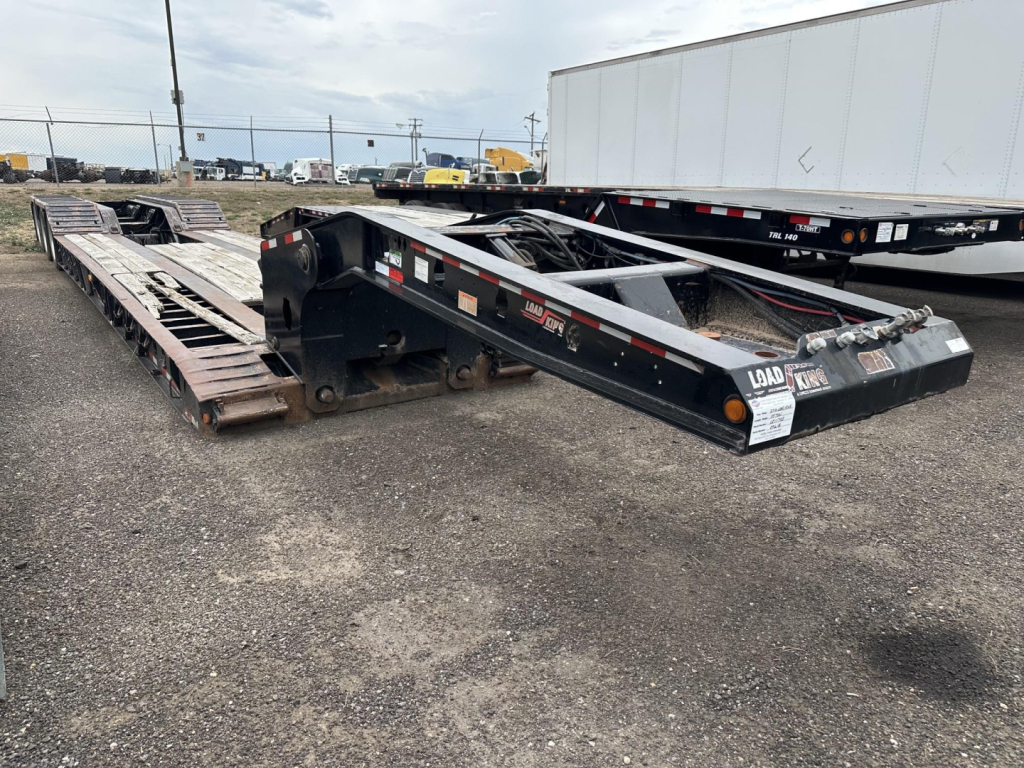
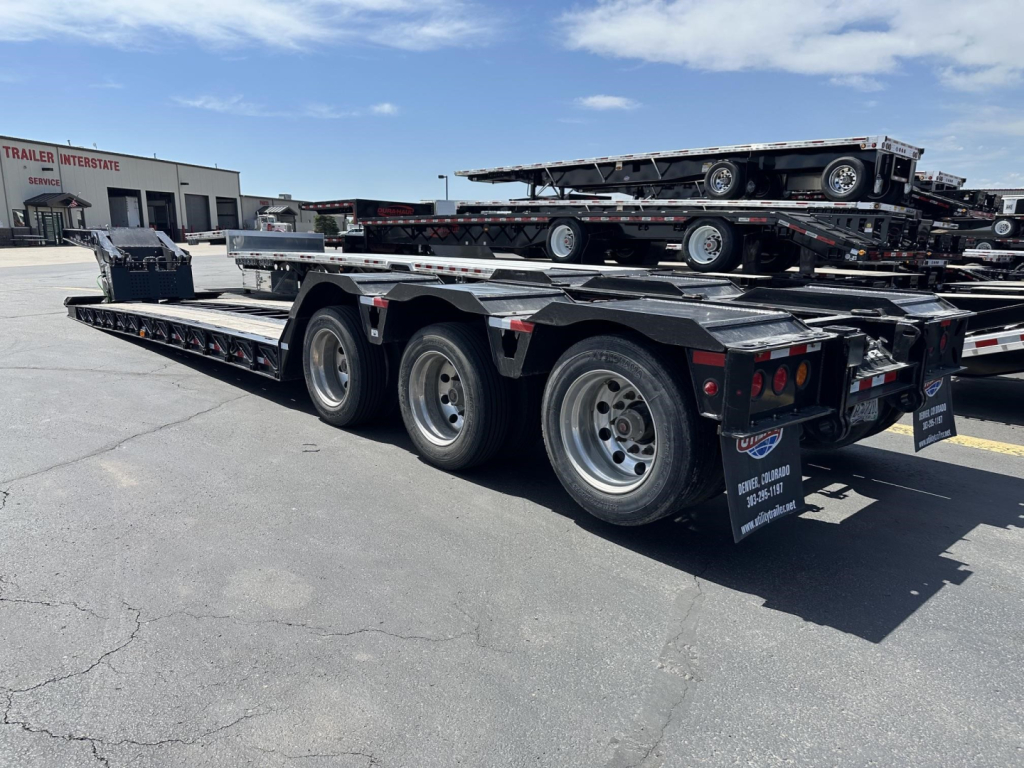
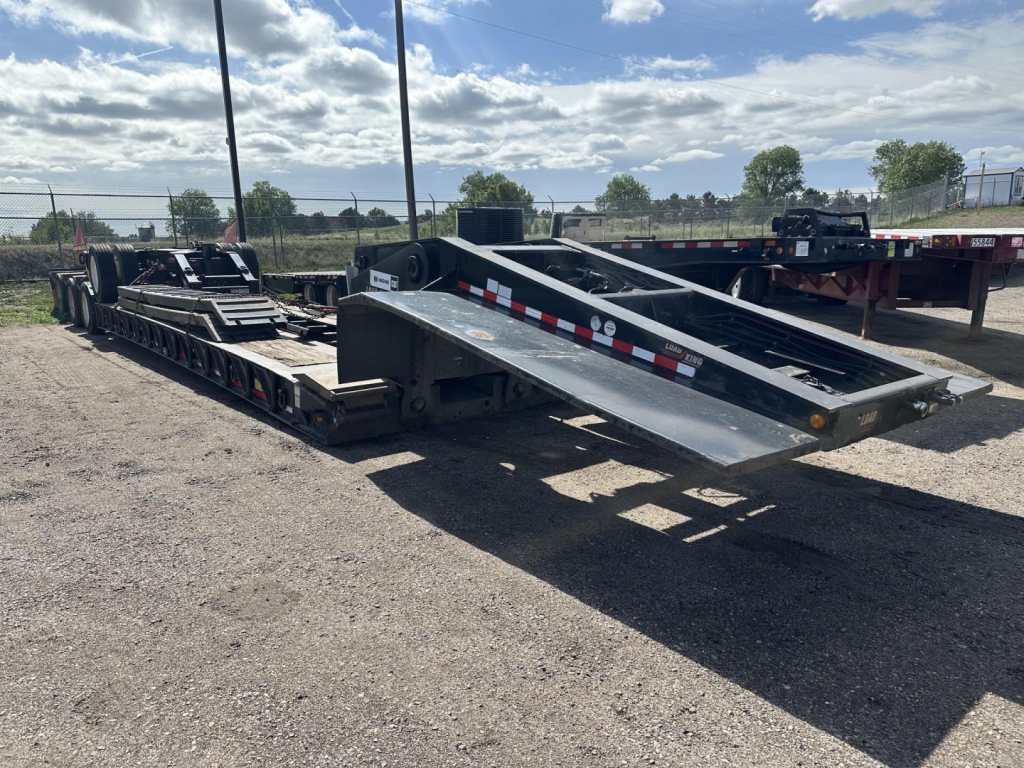
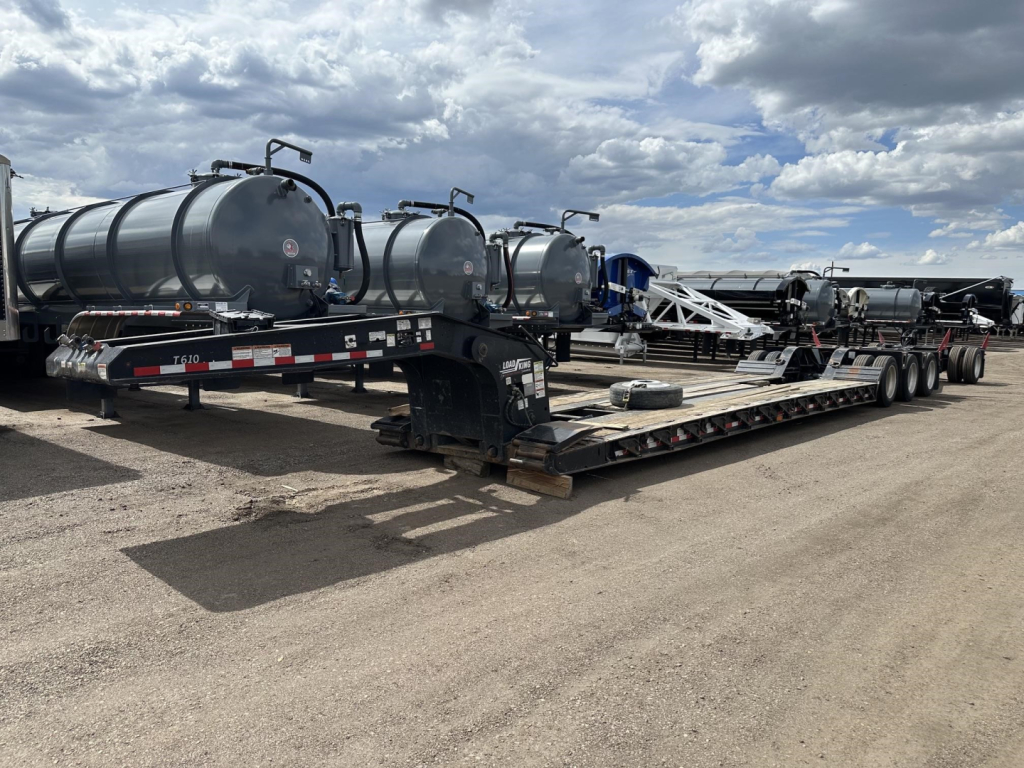
Selling a used load king lowboy trailer? List your used load king lowboy trailer for sale and reach thousands of commercial buyers.
Used Load King Lowboy Trailers in Colorado
Capacity and axle configuration should be the first filter. Common used Load King lowboys in this class are 55 ton to 60 ton trailers, often with tri-axle groups, air ride suspension, rear lift axles, and provisions for a 4th axle or flip axle. Features like a mechanical spreader bar or West Coast equalizer matter if you are trying to stretch bridge law compliance and distribute weight more effectively. Two kingpin settings can also be a valuable detail because they give more flexibility in matching the trailer to different tractors and axle spreads. Buyers hauling in Colorado should pay close attention to how a trailer is set up for permitted loads, mountain grades, and route restrictions, especially when axle additions, ride height adjustment, and neck geometry affect maneuverability and legal weight distribution.
Deck and well dimensions are just as important as tonnage. A typical Load King lowboy may run around 53 feet long and 102 inches wide with a 26 foot well, which fits a wide range of construction and paving equipment. Hydraulic detachable necks, front load ramps, outriggers, bent D-rings, boom troughs, bucket wells, and load-bearing fenders all add real jobsite utility. Apitong or wood decking is common and usually preferred by many operators for traction and repairability. Adjustable ride height, strobe lights, flag holders, tool trays, and pony motor or PTO hookups are not minor add-ons in this segment. They directly affect loading speed, permit readiness, and how easily the trailer can work with multiple tractors in a mixed fleet.
On a used Load King lowboy, inspect the neck structure, deck condition, suspension, axle alignment, hydraulic system, and all removable-gooseneck locking points before focusing on cosmetics. Check for wear around outriggers, ramp hinges, D-rings, fender mounts, and the rear frame where concentrated machine loads tend to show up first. Tire size and type, commonly 22.5 low-profile rubber on this class, also matter because replacement cost and deck height are tied together. A well-spec'd used Load King lowboy can be a strong fit for contractors, equipment rental fleets, and specialized heavy-haul operators that need a durable trailer with the right bridge-friendly axle package and practical loading features.
Frequently Asked Questions about Used Load King Lowboy Trailers in Colorado
What is the difference between a Load King lowboy and an RGN lowboy?
An RGN lowboy is a lowboy trailer with a removable gooseneck, usually detached hydraulically so equipment can be driven onto the deck from the front. In the market, many buyers use the terms lowboy and RGN interchangeably, but the removable gooseneck is the key distinction. For hauling tracked machines, an RGN setup is often preferred because it simplifies loading, reduces ramp angle, and keeps overall loaded height lower than many other trailer types.
What capacity range is common for used Load King lowboy trailers?
A common range in this category is 55 ton to 60 ton, although exact legal payload depends on axle count, spread, attachments, and state permit rules. A trailer rated at 55 or 60 tons may carry very different legal loads depending on whether it has a flip axle, spreader bar, jeep compatibility, or a 4th axle setup. Buyers should compare the structural rating of the trailer with the real-world legal configuration they plan to run.
Why do spreader bars, flip axles, and 4th axle connections matter on a lowboy?
These features give a heavy-haul operator more ways to distribute weight and build a permit-friendly axle group. A mechanical spreader bar or West Coast equalizer can improve bridge compliance by increasing axle spacing, while a flip axle or 4th axle connection can add carrying capacity and flexibility for different loads. If your work involves varying machine weights or multi-state permitted hauling, these options can make a major difference in how often a trailer can be used without reconfiguration limits.
What should I inspect first on a used Load King lowboy trailer?
Start with the highest-stress areas. Inspect the removable gooseneck attachment points, hydraulic cylinders and hoses, main beam structure, axle alignment, suspension components, and deck condition. Then look closely at outriggers, load-bearing fenders, D-rings, ramp assemblies, and tire wear patterns. Uneven tire wear, deck damage near track paths, and signs of repairs around the neck or rear frame can reveal how the trailer was loaded and maintained.
Are Load King lowboys a good fit for hauling equipment in Colorado?
They can be a strong fit for Colorado work because low deck height, adjustable ride height, and axle flexibility are valuable when dealing with mountain routes, permit restrictions, and tall construction equipment. The best setup depends on the machinery being hauled and the corridors being used. Buyers in Colorado usually benefit from paying extra attention to suspension condition, brake performance, axle configuration, and any equipment that helps with legal weight distribution on steep grades and variable road conditions.