
Used Load King Lowboy Trailers For Sale
Shop used Load King lowboy trailers with RGN, beavertail, heavy-haul specs, deck details, axle setups, and capacity features buyers compare.
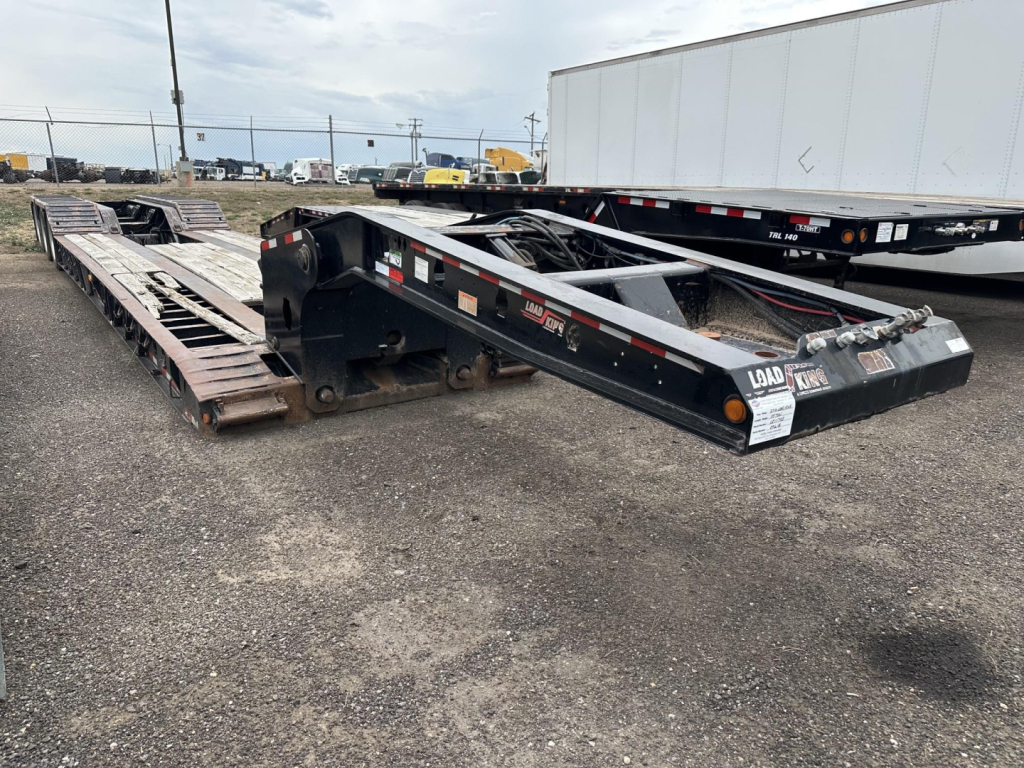
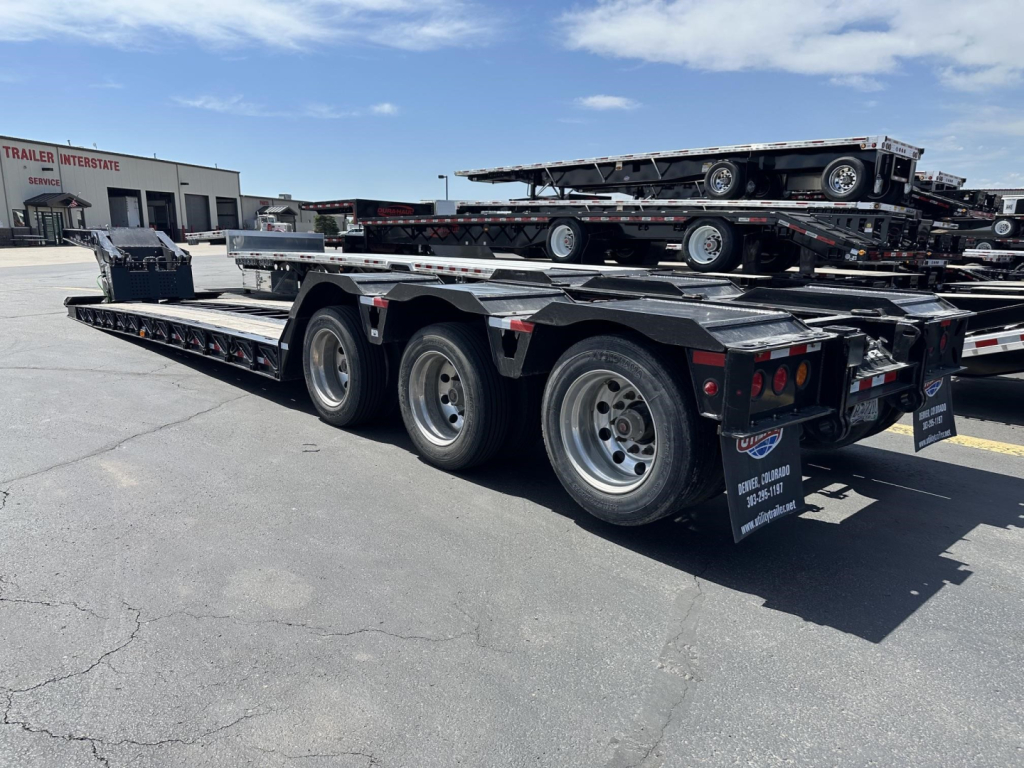
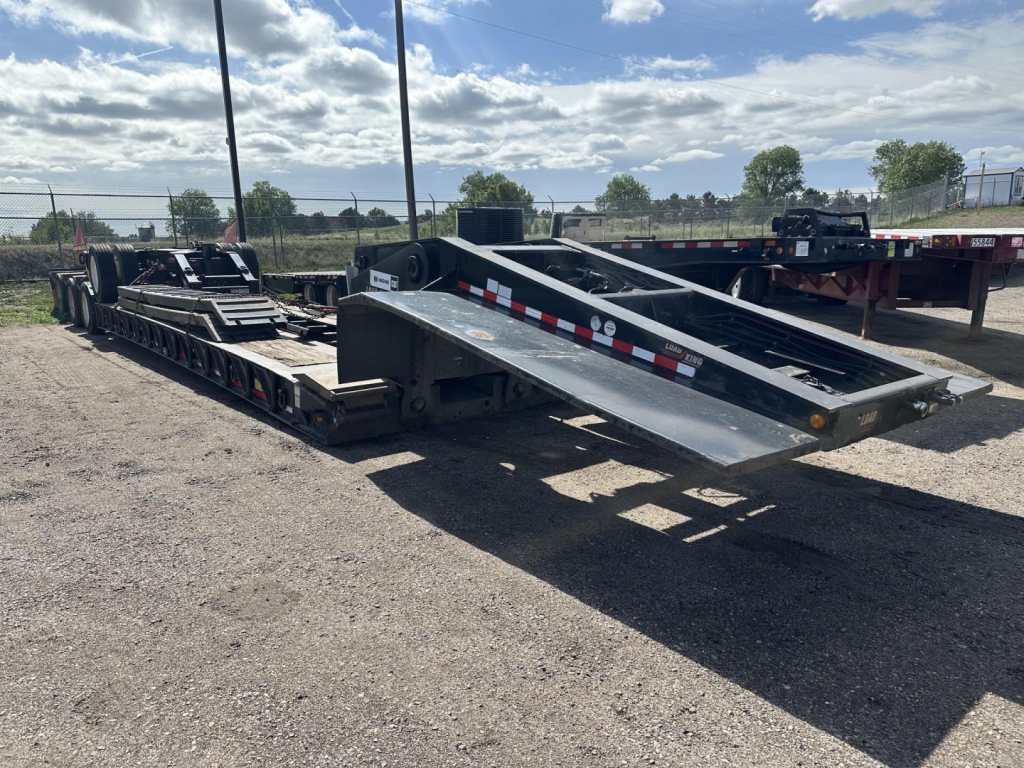
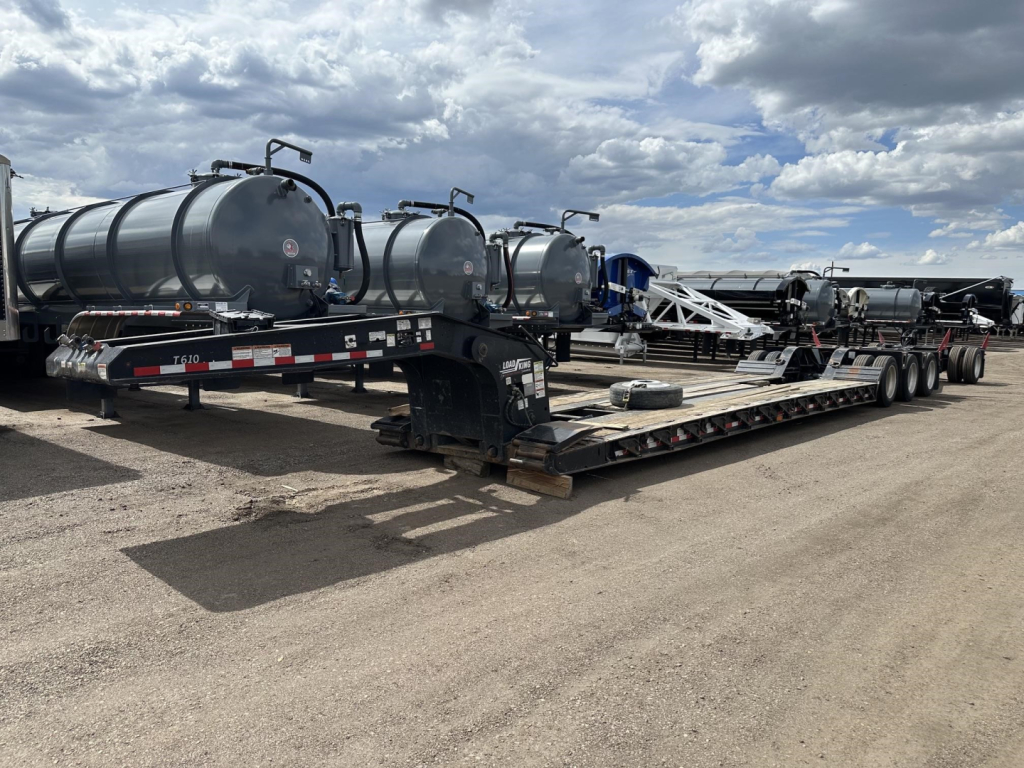
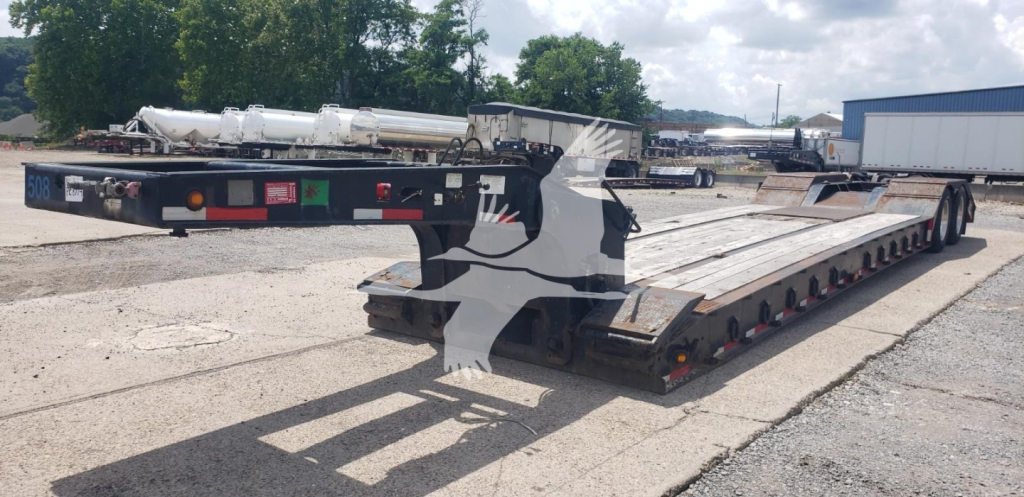
Selling a used load king lowboy trailer? List your used load king lowboy trailer for sale and reach thousands of commercial buyers.
Used Load King Lowboy Trailers
On used units, deck geometry matters as much as the ton rating. Buyers should pay close attention to overall length, well length, loaded deck height, and axle spacing because those specs determine what machines actually fit and how the load balances across the trailer. A 24-inch loaded deck height, a 25-foot well, outriggers, D-rings, boom troughs, bucket wells, and load-bearing fenders can make a major difference when hauling excavators, dozers, pavers, or cranes with wider tracks or attachments. If the trailer is an RGN, inspect the hydraulic neck operation, pony motor, front ramps, ride height adjustment, and neck connections. If it is a beavertail lowboy, verify ramp style, tail condition, and how easily the deck handles repeated equipment loading.
Running gear and suspension details deserve a close look on any used Load King lowboy. Tri-axle trailers, tandem setups, rear lift axles, air ride suspension, manual dump valves, and mechanical ride height controls all affect maneuverability, tire wear, and how the trailer performs under uneven loads. Tire size, wheel type, brake percentage, axle condition, bushing wear, and frame integrity around the suspension hangers should be reviewed carefully. Kingpin setting, fifth-wheel height compatibility, and overall deck height are especially important if the trailer will be paired with an existing tractor. Buyers moving oversize freight should also check for fourth-axle provisions, air and electric hookups, flag holders, lighting, and permit-friendly dimensions.
Load King lowboys tend to appeal to buyers who need a work trailer rather than a lightweight specialty build. That makes condition and prior use more important than model year alone. Look for wear in the neck, concentrated stress around the transition areas, floor condition, side rails, scuff areas, and any repaired sections near the rear bogie or ramp mounts. A well-maintained used Load King lowboy can be a strong value if the structure is straight, the hydraulics are sound, and the configuration matches the equipment being hauled every week. The right trailer is the one with the correct capacity, deck layout, and axle setup for your freight, permit lanes, and loading method.
Frequently Asked Questions about Used Load King Lowboy Trailers
What is the difference between a Load King RGN lowboy and a beavertail lowboy?
A Load King RGN lowboy has a removable hydraulic gooseneck, allowing equipment to be driven on from the front after the neck detaches. This design is preferred for taller or heavier machines because it usually provides easier loading and a deeper well. A beavertail lowboy uses a sloped rear section and ramps for loading from the back. Beavertail models can work well for certain equipment fleets, but an RGN is often the better choice for frequent heavy-equipment loading and for maximizing deck usability.
What capacity should I look for in a used Load King lowboy trailer?
The right capacity depends on the operating weight of the machines, attachments, and any concentrated axle loads. In this category, buyers often compare 35 ton and 55 ton trailers, but the posted rating is only part of the picture. Deck design, axle group, tire rating, and how the load sits in the well all affect real-world suitability. It is smart to leave margin above the heaviest routine load rather than buying exactly to the machine's published weight.
Which specs matter most when comparing used lowboy trailers?
The most important specs are well length, loaded deck height, overall deck length, axle configuration, suspension type, and kingpin setting. Those dimensions determine whether your equipment fits, whether it loads cleanly, and whether the trailer matches your tractor. Buyers should also compare outriggers, D-rings, bucket troughs, load-bearing fenders, ramp style, and ride height adjustment because these details directly affect daily usability.
Are Load King lowboy trailers good for excavators and dozers?
Yes. Load King lowboy trailers are commonly used for excavators, dozers, pavers, rollers, and other construction equipment that benefits from a low deck and heavy-duty frame. The best setup depends on machine width, track length, and attachment storage needs. Features like outriggers, boom wells, bucket troughs, and sufficient well length make a major difference when hauling larger excavators or dozers with attachments installed.
What should I inspect on a used Load King lowboy before buying?
Focus on structural condition first. Check the gooseneck, main frame, crossmembers, deck transitions, rear bogie area, suspension mounts, and ramp or neck attachment points for cracks, weld repairs, or distortion. Then inspect the hydraulic system if it is an RGN, along with tires, brakes, bushings, air ride components, lights, wiring, and deck flooring. On heavy-haul trailers, a straight frame and sound running gear usually matter more than cosmetic appearance.