
Used Trail King Lowboy Trailers For Sale in Colorado
Browse used Trail King lowboy trailers for sale, including RGN and 50 to 55 ton models with hydraulic goosenecks, outriggers, and air ride.
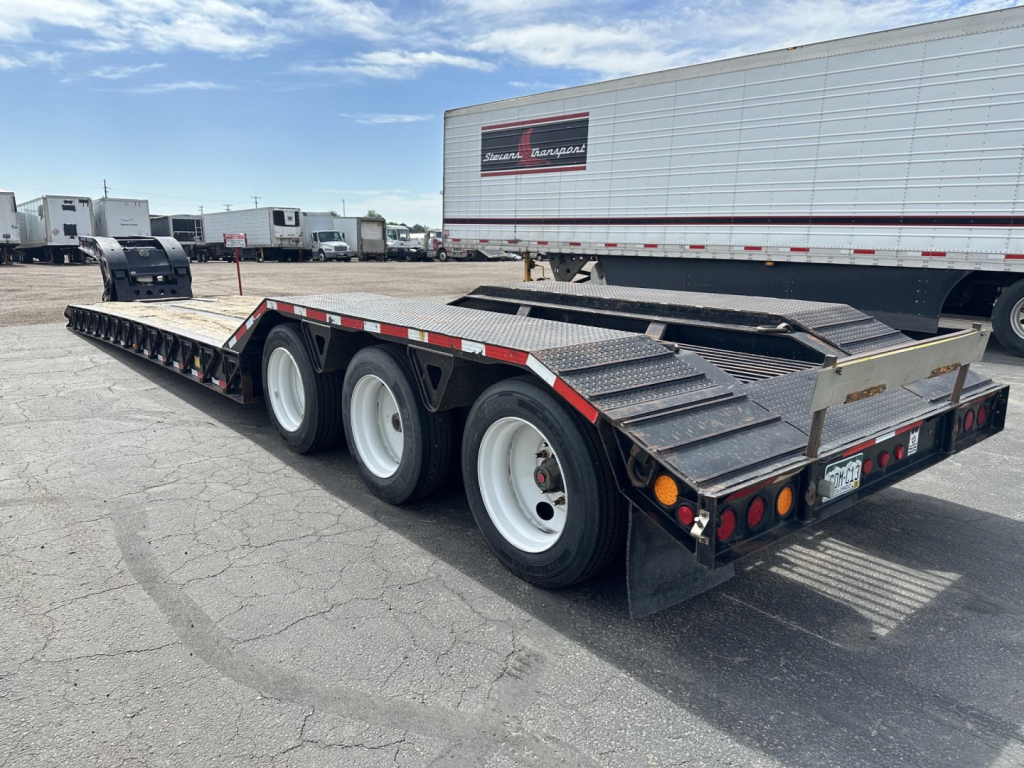
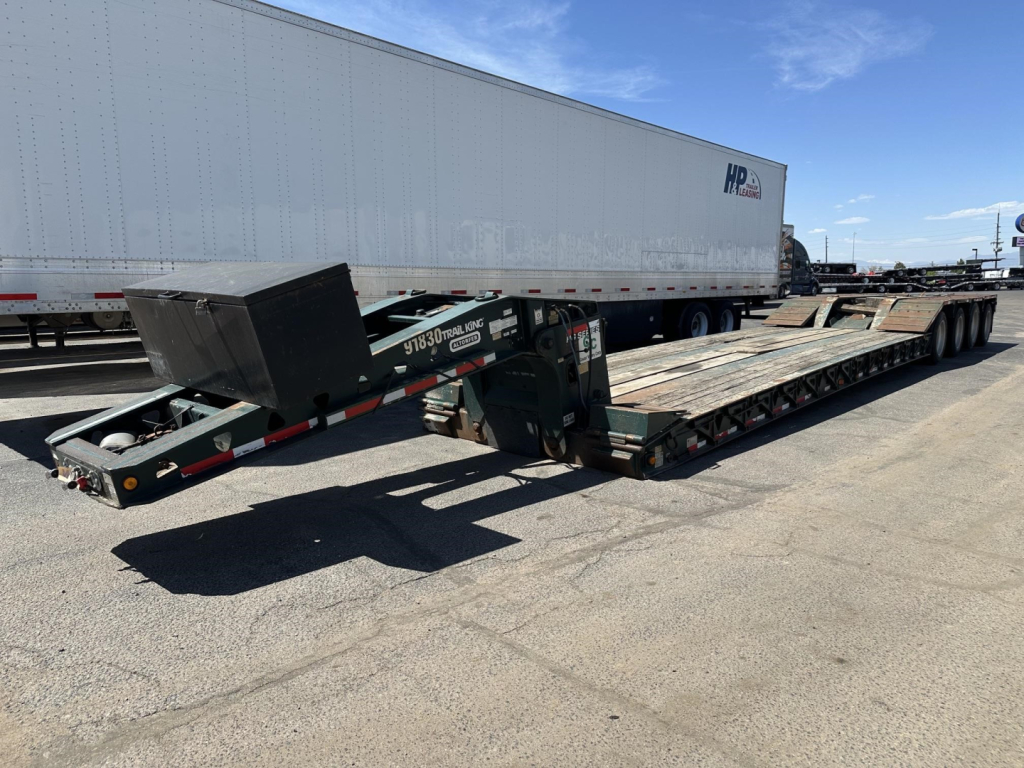
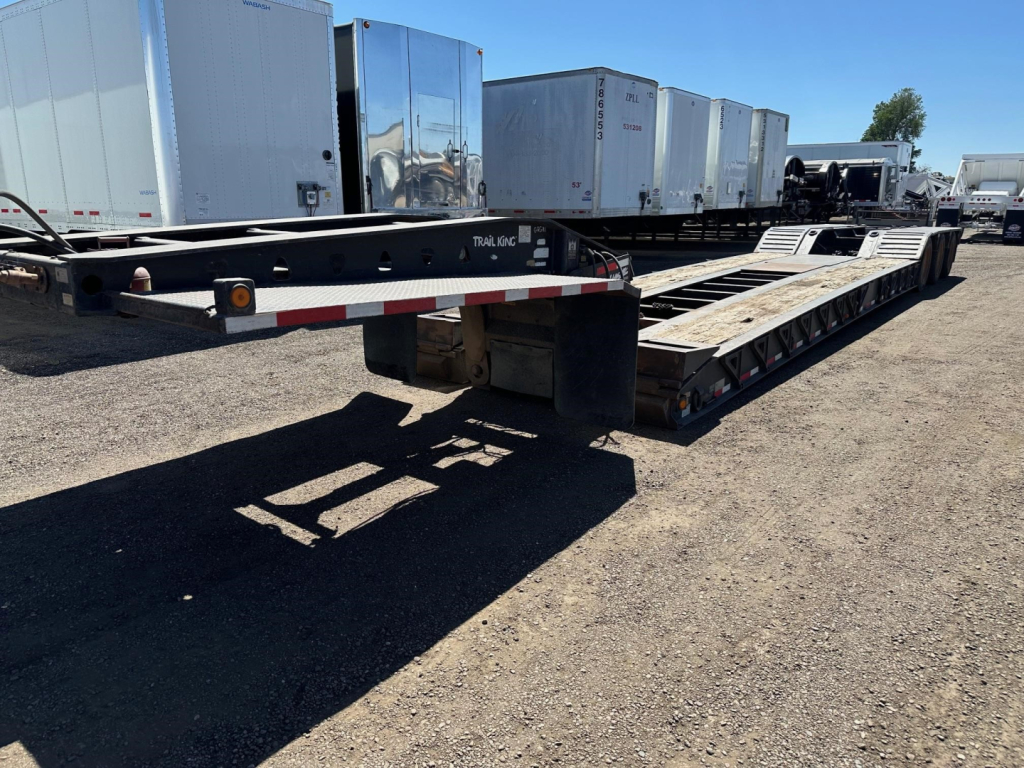
Selling a used trail king lowboy trailer? List your used trail king lowboy trailer for sale and reach thousands of commercial buyers.
Used Trail King Lowboy Trailers in Colorado
The key buying decisions usually start with the well. Many Trail King lowboys in this class have a 24-foot to 25-foot-plus well, which gives enough concentrated deck space for common construction equipment while keeping axle loading manageable. Buyers should also pay attention to trailer length and width, kingpin settings, and whether the trailer has outriggers or load-bearing fenders for wider machines. A hydraulic detachable gooseneck with a pony motor can be useful if your tractor is not always set up with PTO hydraulics. Front loading ramps, recessed D-rings, traction cleats, and wood decking are common features that affect daily usability and securement efficiency.
Suspension and axle configuration are just as important as capacity rating. Tri-axle lowboys are common in used Trail King inventory, and many are equipped with air ride, rear lift axles, or even a flip axle to help distribute weight for heavier legal or permitted loads. Adjustable ride height can help with loading angle, ground clearance, and deck transition depending on the machine being moved. Tire size, wheel material, and axle spacing all influence maintenance cost and permit flexibility, so buyers should look beyond the headline ton rating and match the trailer to the actual dimensions and axle weights of the equipment they haul most often.
Trail King has a strong reputation in the heavy haul market, and that matters in the used segment because parts support, frame durability, and resale confidence all affect total cost of ownership. On an older used lowboy, close attention should go to gooseneck hydraulics, deck condition, crossmembers, suspension wear, air system leaks, ramp integrity, and signs of frame or neck repairs. A well-spec'd Trail King lowboy can be a very efficient trailer for contractors, equipment rental fleets, and specialized haulers that need dependable low deck height, solid loading geometry, and flexible axle configurations.
Frequently Asked Questions about Used Trail King Lowboy Trailers in Colorado
What is the advantage of a Trail King lowboy with a hydraulic removable gooseneck?
A hydraulic removable gooseneck lets the trailer detach at the front so equipment can be driven directly onto the deck. That reduces loading angle compared with rear-only loading and makes it easier to load tracked machines, rollers, pavers, and other equipment with limited ground clearance. On used units, buyers should confirm whether the neck runs from a pony motor, PTO hookups, or both, and verify that cylinders, hoses, locks, and controls are working correctly.
What capacity range is common for used Trail King lowboy trailers?
A common range in this category is 50 ton to 55 ton, but the practical payload depends on axle group, well length, deck design, and local permit rules. The rated capacity alone does not tell the whole story. Buyers should compare the trailer's axle configuration, flip axle options, load concentration limits, and kingpin-to-axle spacing to the actual machines they intend to haul.
Why do well length and outriggers matter on a lowboy trailer?
Well length determines how much usable low deck space is available for placing the machine's main weight between the neck and rear axles. A 24-foot to 25-foot-plus well is common for many excavators, dozers, and other construction machines. Outriggers add deck width flexibility and can be important when hauling equipment with wide tracks, wide stance attachments, or components that extend beyond the main deck.
Are air ride and lift axles worth having on a used lowboy?
Air ride can help reduce shock transfer to both the trailer and the load, and it can improve ride quality for sensitive or high-value equipment. A rear lift axle or flip axle gives more flexibility in spreading weight and may help with tire wear and maneuverability when the trailer is empty or lightly loaded. These systems add capability, but they also add components that should be inspected for leaks, worn bushings, damaged airbags, and proper axle alignment.
What should buyers inspect first on a used Trail King lowboy trailer?
Start with the structural areas that carry and transfer load. That includes the main frame, neck connection points, crossmembers, outriggers, beavertail if equipped, and any visible repairs or reinforcement plates. Then inspect the hydraulic neck system, decking, ramps, suspension, brakes, tires, wheel ends, lighting, and air system. On a heavy haul trailer, signs of hard use are normal, but uneven tire wear, cracked welds, or sloppy neck engagement deserve close attention before purchase.