
Used Trail King Lowboy Trailers For Sale
Browse used Trail King lowboy trailers built for heavy equipment hauling, with detachable goosenecks, low deck heights, and jobsite-ready specs.
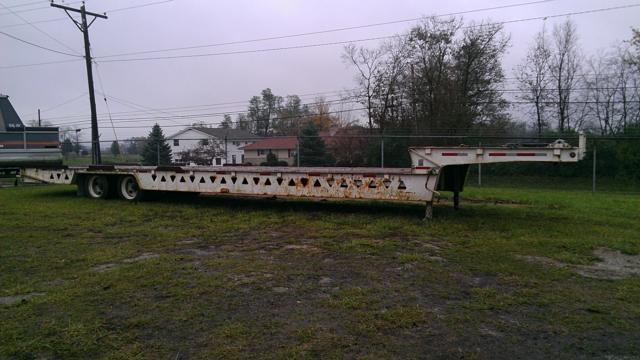
Selling a used trail king lowboy trailer? List your used trail king lowboy trailer for sale and reach thousands of commercial buyers.
Used Trail King Lowboy Trailers
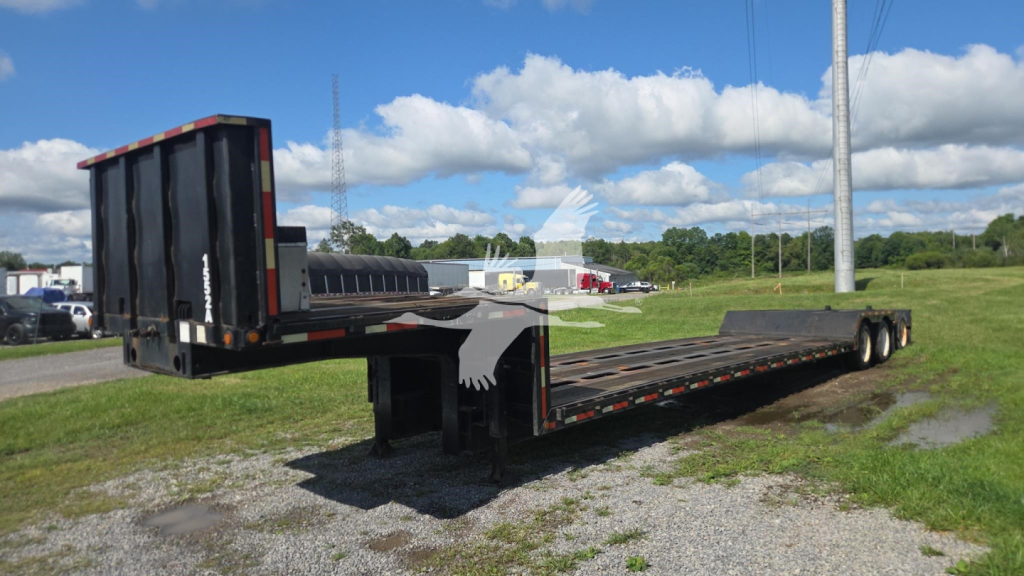
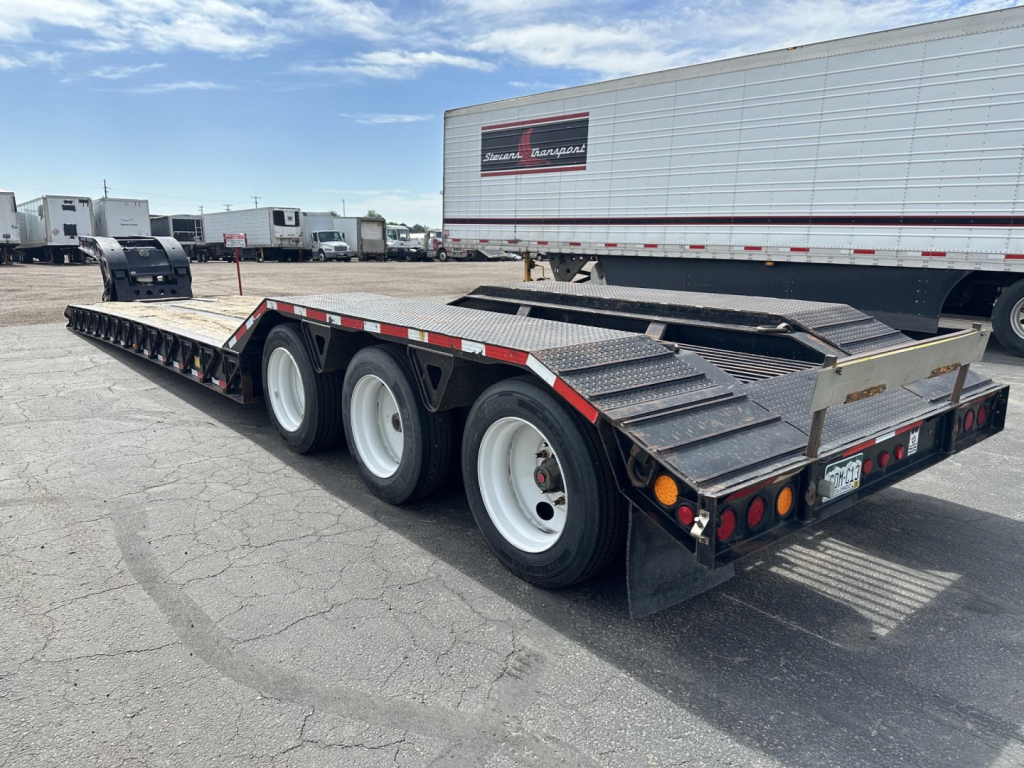
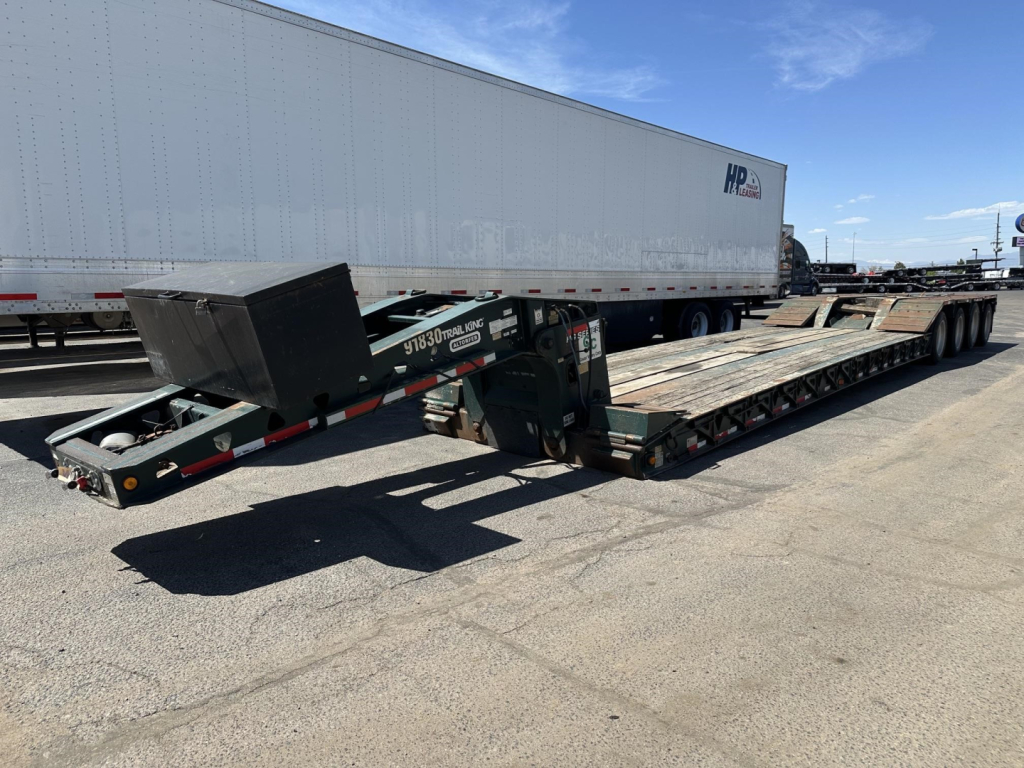
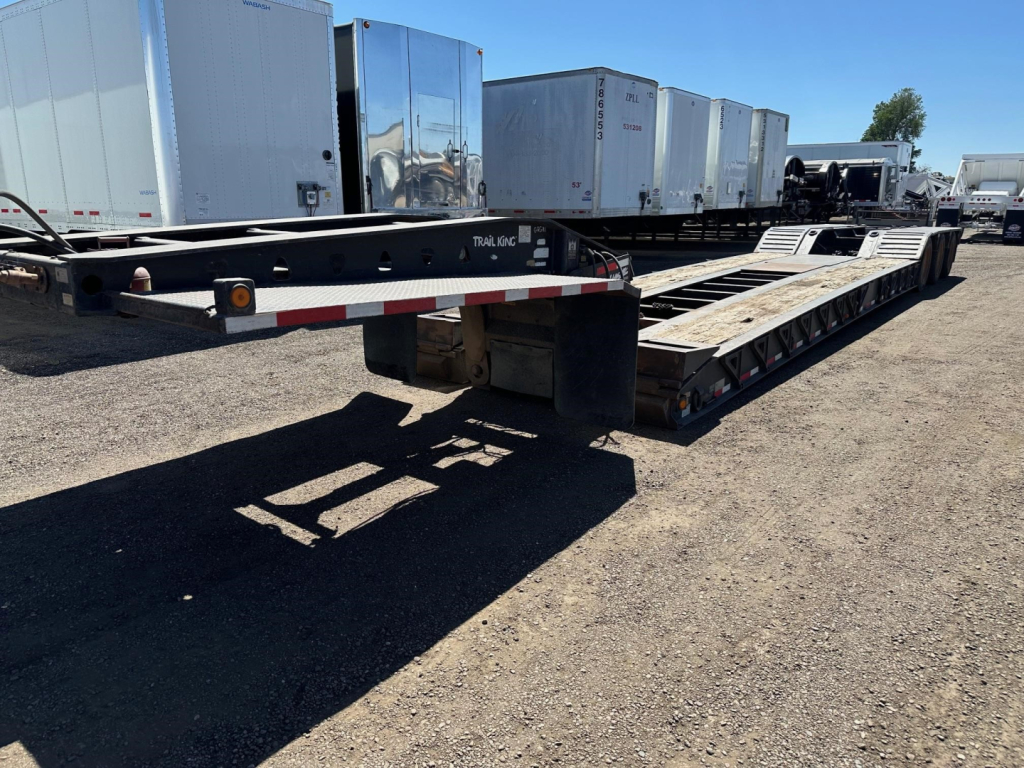
A typical used Trail King lowboy in this class may be rated around 35 tons, with a 102-inch overall width, a full-width upper deck, and a main deck in the mid-20-foot range. Loaded deck height often falls around 18 to 22 inches, which is a major buying point if bridge clearance and overall transport height matter in your lanes. Many used units are equipped with wood decking such as Apitong, swing-out outriggers or aluminum slide-outs, D-rings, boom troughs, bucket pockets, and rear connections for a flip axle. Buyers should pay close attention to kingpin setting, axle spacing, crossmember centers, suspension type, and whether the trailer is reinforced for concentrated equipment loads rather than general freight duty.
On used Trail King lowboys, condition matters as much as published capacity. Check deck wear around track paths, neck connection points, hydraulic or mechanical detach components, air ride suspension condition, brake percentages, tire condition, and signs of frame repairs near the main beam and rear transition. Federal inspection status, non-ground-bearing versus ground-bearing neck design, wheel well configuration, and perimeter beam construction can all affect daily usability. If the trailer will run on varied jobsites, details like liquid-filled gauges, toolbox placement, light package, and securement point layout can save time and reduce headaches.
Trail King has long been a recognized name in the lowboy market, and used models appeal to buyers who want a proven heavy equipment trailer without stepping into new-trailer pricing. The best fit comes down to the machines you haul most often, the loaded height you need to maintain, and whether future capacity upgrades like a flip axle are important. A lowboy that looks similar on paper can perform very differently based on deck length, neck style, concentrated load rating, and overall structural condition, so those are the specs worth weighing closely before purchase.
Frequently Asked Questions about Used Trail King Lowboy Trailers
What is the difference between a mechanical detach and a hydraulic detach on a used Trail King lowboy?
A mechanical detach gooseneck is simpler and typically less expensive to own, but it usually takes more time and effort to hook and unhook. A hydraulic detach gooseneck speeds up loading and unloading and can be a better fit for fleets that move equipment frequently between jobs. On a used trailer, the decision should also include condition. Hydraulic systems add convenience, but buyers need to inspect cylinders, hoses, controls, and neck lockup points closely for wear or leaks.
What capacity is common for used Trail King lowboy trailers?
Many used Trail King lowboys in this category are 35-ton class trailers, though actual usable capacity depends on deck length, axle group, concentrated load rating, and whether a flip axle can be added. A trailer may be rated for a certain gross load, but the machine you plan to haul must also fit the bridge formula, axle spacing, and deck layout. The published ton rating is only the starting point.
What should I inspect first on a used lowboy trailer?
Start with the structural areas that carry the load. Inspect the main beams, neck connection, deck transitions, crossmembers, outriggers, and rear frame for cracks, rewelds, or distortion. Then review wear items such as tires, brakes, suspension, decking, lights, and air system components. On detachable models, neck operation and fit are critical because excessive wear in that area can become expensive quickly.
Why does loaded deck height matter so much on a lowboy?
Loaded deck height directly affects total loaded height, which determines how many machines can move without special routing or height issues. A lowboy with an 18- to 22-inch loaded deck height can make a meaningful difference when hauling excavators, loaders, or other tall equipment. Lower deck height can improve legal flexibility, but it also needs to be balanced against ground clearance and jobsite conditions.
Are used Trail King lowboys good for flip axle setups?
Many are, but not all used units are equipped the same. Some Trail King lowboys are reinforced and already have rear connections for a flip axle, while others may not be spec'd for that setup. If future heavier hauling is part of the plan, confirm the trailer's original design, rear frame condition, connector hardware, and legal rating before assuming a flip axle can be added and used at the capacity you need.