
Used Direct Trailers For Sale in Colorado
Browse used Direct trailers in Colorado, including flatbed configurations with forklift kits, wood decks, air ride or spring ride suspensions.
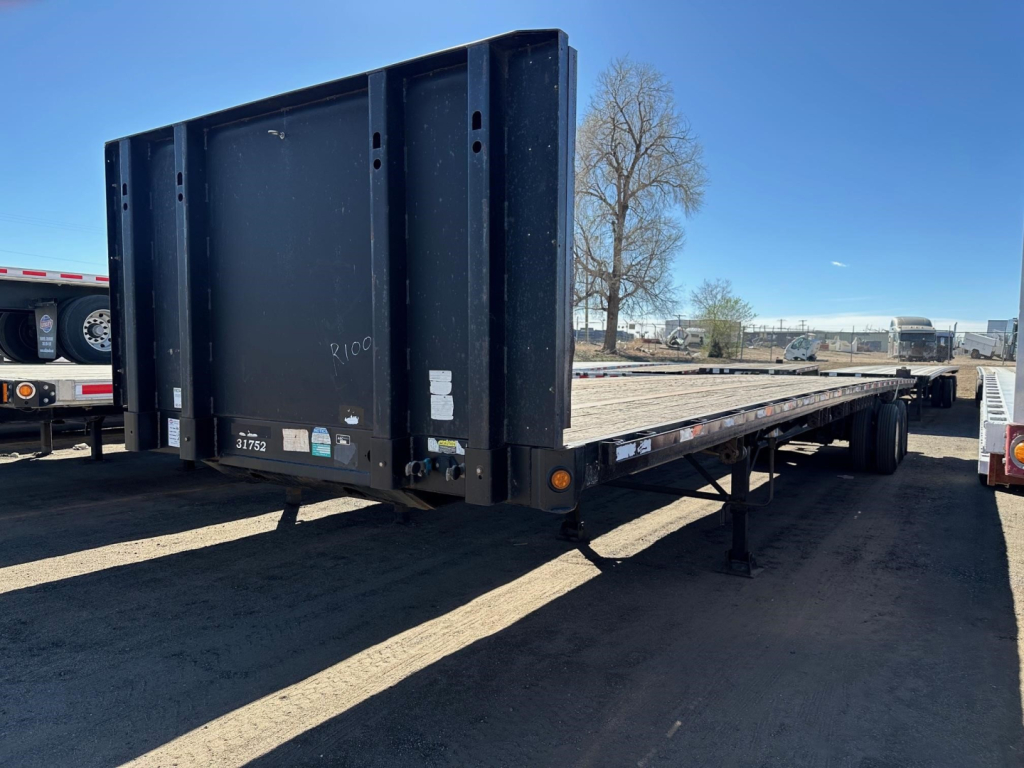
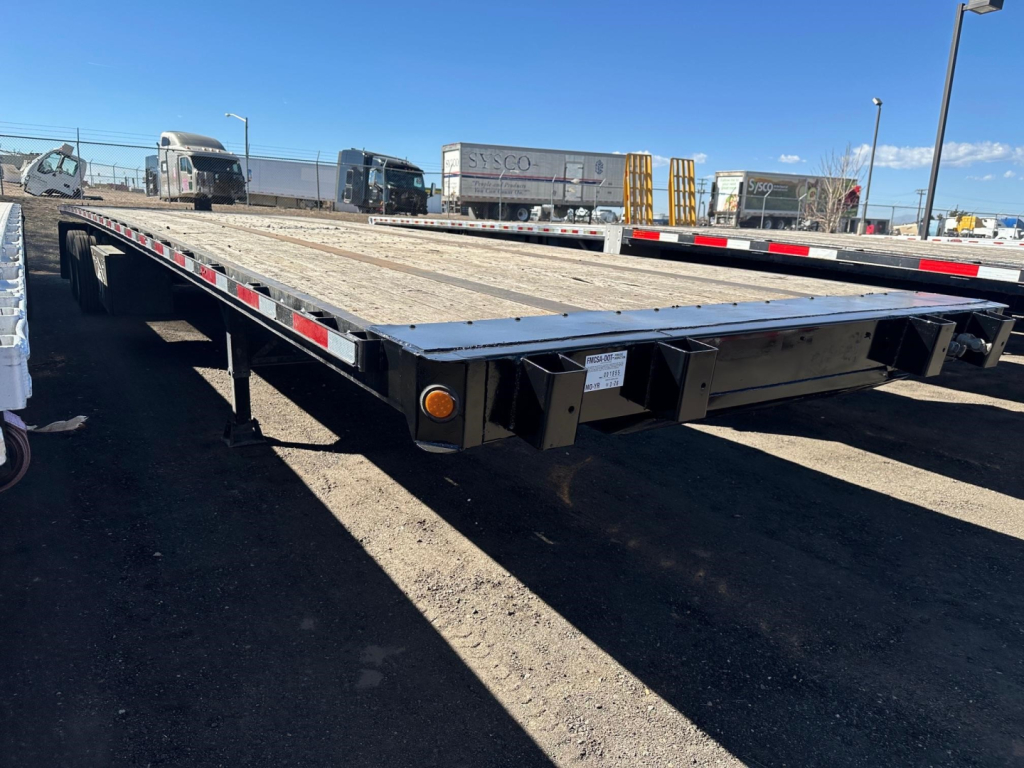
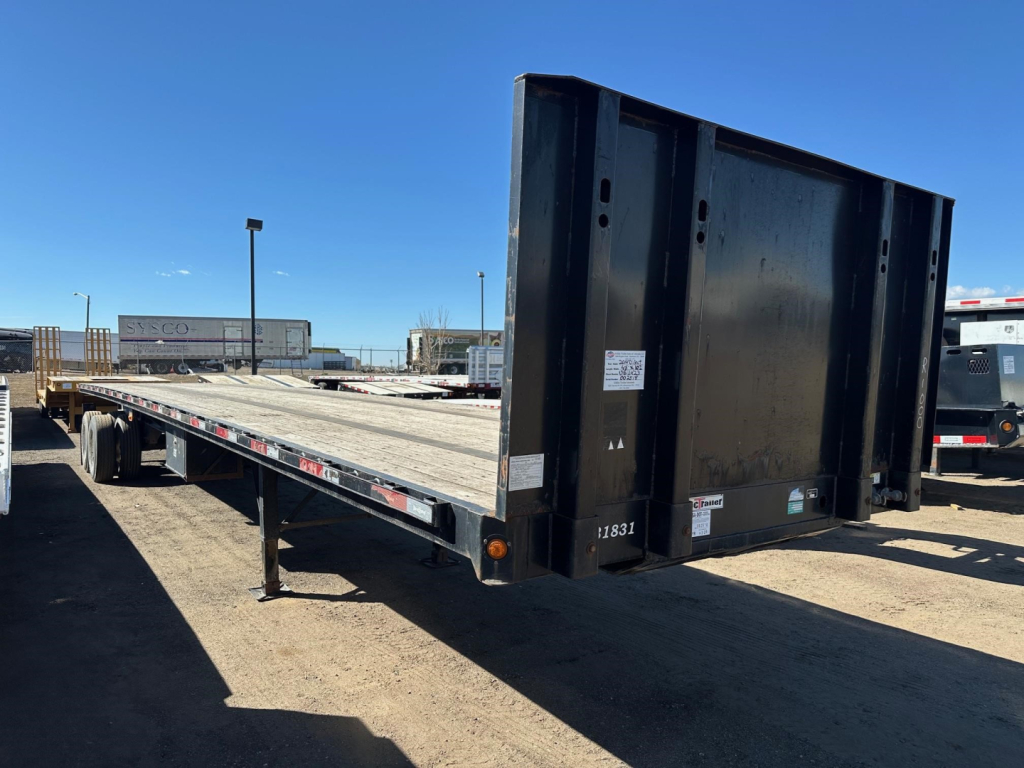
Selling a used direct trailer? List your used direct trailer for sale and reach thousands of commercial buyers.
Used Direct Trailers in Colorado
A buyer comparing used Direct trailers should pay close attention to suspension, tandem layout, and load access. Spring ride trailers are typically simple and durable, while air ride can be the better choice for freight that benefits from reduced vibration and improved ride quality. Closed tandem slider setups add flexibility for axle positioning and bridge compliance, while fixed tandems can mean fewer moving parts to maintain. On many used flatbeds, forklift kits are a major value point because they support truck-mounted forklift use and make the trailer more suitable for building supply and delivery operations where offloading happens at the curb, on gravel, or at undeveloped jobsites.
Deck and structure condition matter more than model naming on a used steel flatbed. Inspect the wood deck for rot, broken boards, fastener pull-through, and signs of repeated concentrated loading. Look closely at crossmembers, main rails, stake pockets, bulkheads, spool tracks, and the rear frame for repairs, cracks, corrosion, or twist. Tire size such as 22.5 low-profile rubber, wheel type, brake condition, and slider operation can all affect operating cost right away. If the trailer has a toolbox, bulkhead, or forklift package, confirm the mounts, brackets, and reinforcement points are intact and not field-repaired in a way that compromises structural integrity.
For Colorado buyers, trailer spec should match terrain and route profile. Mountain grades, mixed weather, and frequent construction or material-delivery work can make brake condition, suspension performance, and deck traction especially important. A used Direct flatbed with a solid frame, clean securement points, and a suspension suited to the cargo mix can be a cost-effective option for fleets and owner-operators who need a basic, serviceable platform trailer instead of a highly specialized spec. Also referred to simply as a flatbed trailer or steel flatbed, this category is best judged by frame health, deck life, and how well the securement and forklift provisions fit the freight you actually haul.
Frequently Asked Questions about Used Direct Trailers in Colorado
What kind of freight are used Direct flatbed trailers best suited for?
Used Direct flatbed trailers are generally well suited for building materials, steel, pipe, machinery, palletized freight, and other loads that require side loading or overhead loading. Features commonly seen on these trailers, such as stake pockets, pipe spools, wood decks, and bulkheads, support a wide range of securement methods. A forklift kit can make them especially useful in building supply and jobsite delivery applications where a truck-mounted forklift is part of the operation.
Is air ride or spring ride better on a used Direct trailer?
The better suspension depends on the freight and operating environment. Spring ride is usually simpler, durable, and familiar to maintain, which appeals to operators focused on basic freight and lower complexity. Air ride is often preferred when cargo protection matters more, because it can reduce vibration and improve ride quality. On a used trailer, overall suspension condition matters as much as the suspension type, so inspect bushings, hangers, air bags if equipped, and axle alignment history.
What should I inspect first on a used Direct steel flatbed?
Start with the frame, deck, and running gear. Check the steel main beams, crossmembers, and rails for cracks, bends, heavy rust, or welded repairs. Inspect the wood deck for soft spots, split boards, and uneven wear from forklifts or concentrated loads. Then look at brakes, tires, wheels, hubs, suspension components, and slider function if the trailer has a movable tandem. Securement hardware such as stake pockets, winch track if equipped, spool areas, and bulkheads should also be checked for deformation or fatigue.
Why does a forklift kit matter on a flatbed trailer?
A forklift kit matters because it prepares the trailer to work with a truck-mounted forklift, which is common in material delivery operations. That can expand the trailer's usefulness for carriers serving construction sites, lumber yards, and locations without dock access. On a used trailer, the important part is not just that a forklift kit is listed, but that the mounting points, structural reinforcement, and related hardware are complete and in sound condition.
Are 45-foot Direct flatbeds practical for regional work in Colorado?
Yes, a 45-foot flatbed can be a practical size for regional hauling in Colorado, especially for construction materials and industrial freight that do not require a full 48-foot or 53-foot deck. The right setup depends on payload, axle spread needs, and the places the trailer has to access. In mountainous areas and mixed weather, buyers should pay close attention to brake performance, tire condition, deck surface, and suspension quality because those factors can affect safety and uptime more than the trailer's nominal length.