
Used Direct Flatbed Trailers For Sale in Colorado
Browse used Direct flatbed trailers for sale in Colorado. Compare 45' x 102" steel flatbeds with wood decks, stake pockets, sliders, and forklift kits.
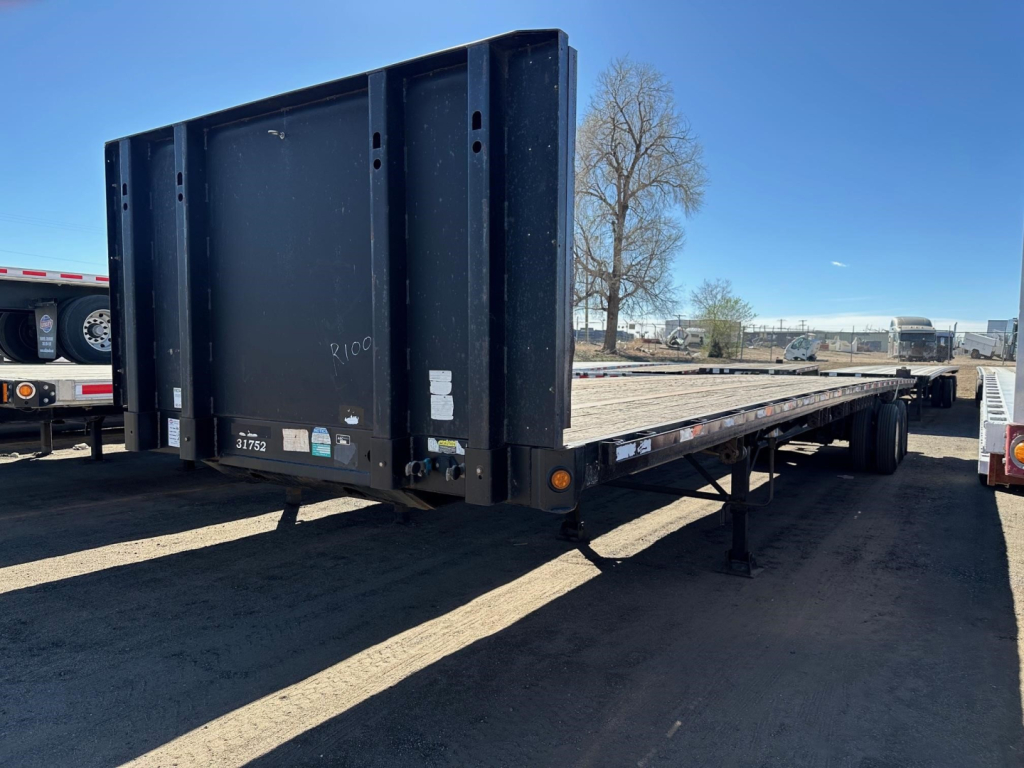
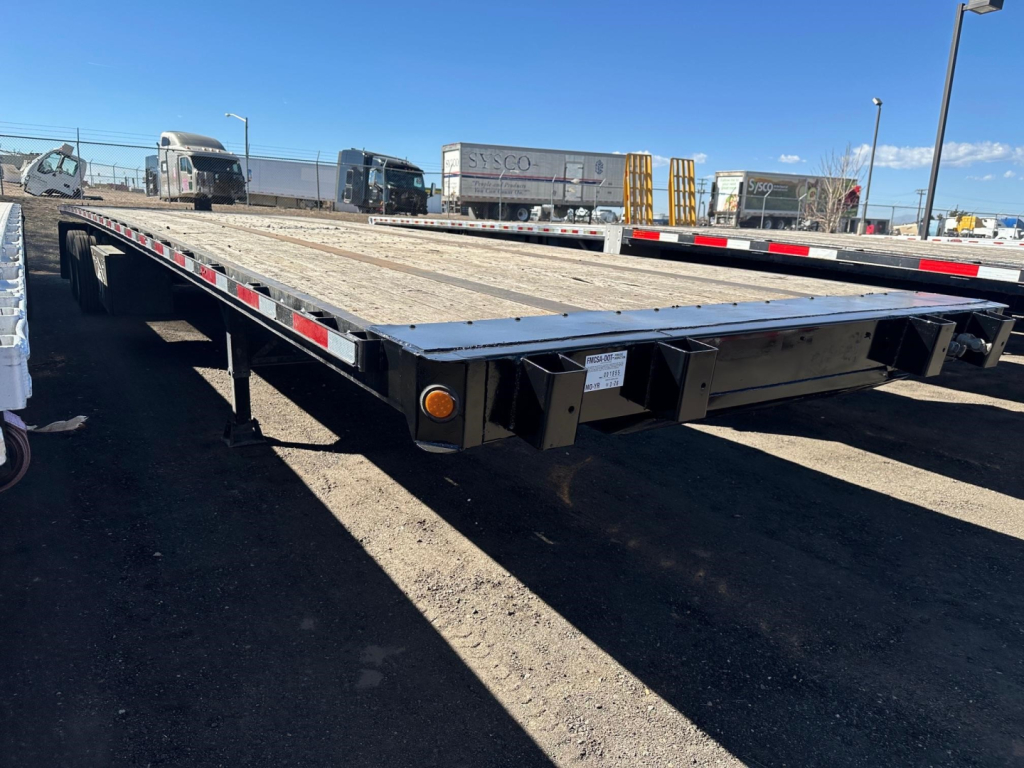
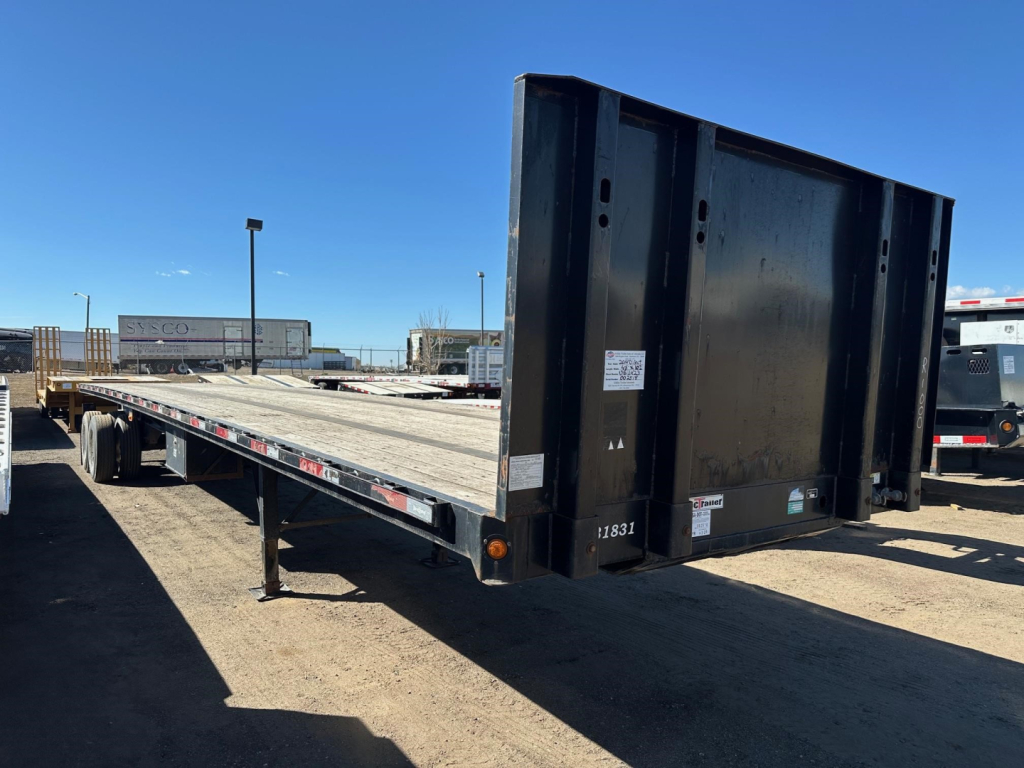
Selling a used direct flatbed trailer? List your used direct flatbed trailer for sale and reach thousands of commercial buyers.
Used Direct Flatbed Trailers in Colorado
A buyer should pay close attention to frame construction, suspension, axle setup, and deck condition. Many used Direct flatbeds are built with steel main beams and rails, which tend to appeal to operators who prioritize durability and straightforward repairability. Wood decks remain common because they provide good friction for freight and are relatively simple to maintain or replace by section. Stake pockets and pipe spools expand your securement options for lumber, pipe, steel products, and irregular freight. A bulkhead can add useful front-end protection when hauling certain cargo, but it should still be inspected closely for prior impact damage, repairs, and straightness. On used units, deck wear, crossmember condition, slider function, suspension wear, and tire age usually tell you more than paint ever will.
Colorado buyers should also think about ride quality and operating terrain. Spring ride trailers are common and generally cost less to maintain, but air ride can be a better fit for more sensitive freight or routes where cargo protection matters. Closed tandems and tandem sliders each have a place. A fixed or closed tandem setup can be simpler and lighter, while a slider gives more flexibility for bridge law compliance and axle weight adjustment. Low-profile 22.5 tires are often seen on steel flatbeds because they help manage deck height while maintaining load capacity. If the trailer includes a forklift kit, inspect the mounting structure carefully and confirm it matches the piggyback forklift model you plan to run. That feature can add real jobsite efficiency for building materials and delivery work, but only if the mounting points and rear structure are in sound condition.
The best used Direct flatbed trailer is usually the one that matches your freight mix and securement routine, not just the lowest upfront price. Check for evidence of concentrated deck wear from steel loads, twisted rub rails, cracked welds around suspension hangers, and corrosion near crossmembers and rear frame sections. Make sure the VIN plate is legible, brakes and lights are current, and the trailer dimensions, axle spacing, and kingpin setting fit your tractor and legal operating needs. For buyers comparing used flatbed trailers in Colorado, a clean, straight steel deck trailer with solid securement hardware and a well-maintained suspension will usually deliver better long-term value than a cheaper unit that needs immediate deck, brake, or structural work.
Frequently Asked Questions about Used Direct Flatbed Trailers in Colorado
What are used Direct flatbed trailers typically used for?
Used Direct flatbed trailers are commonly used for hauling freight that cannot be loaded through rear doors or that exceeds the dimensions of enclosed van freight. Typical cargo includes lumber, steel products, pipe, machinery, palletized building materials, and jobsite deliveries. Their open-deck design allows loading from the side, rear, or top with forklifts and cranes, which makes them a strong fit for construction supply, industrial freight, and regional delivery work.
What should I inspect first on a used steel flatbed trailer?
Start with the structural areas that affect safety, service life, and repair cost. Inspect the main beams, crossmembers, suspension mounts, frame rails, and rear impact area for cracks, poor weld repairs, bends, or corrosion. Then check the deck for rot, broken boards, or heavy wear from concentrated loads. After that, review brakes, tires, wheel ends, lights, slider operation if equipped, and the condition of stake pockets, rub rails, and winch track or spool areas. On a used flatbed, structural integrity matters more than cosmetic appearance.
Is air ride better than spring ride on a flatbed trailer?
Air ride is often preferred when cargo protection and ride quality are important, especially for freight that can shift, settle, or be damaged by excessive vibration. Spring ride is simpler and can be less expensive to maintain, which is why many operators still prefer it for rugged, straightforward flatbed work. The better choice depends on your freight, routes, maintenance approach, and how much value you place on a smoother ride versus lower system complexity.
Why does a forklift kit matter on a flatbed trailer?
A forklift kit allows the trailer to carry a truck-mounted or piggyback forklift, which can be a major advantage for deliveries where unloading equipment is not available onsite. This is especially useful in building materials, fencing, agricultural supply, and jobsite delivery operations. A buyer should confirm the kit is structurally sound, compatible with the forklift brand and model being used, and free from damage or repairs that could affect safe mounting and transport.
What trailer dimensions and axle setup are common on used Direct flatbeds?
A common setup in this category is a 45' x 102" steel flatbed with tandem axles. Some units use a closed or fixed tandem, while others use a sliding tandem for more flexibility in axle weight distribution and bridge compliance. Buyers should also review tire size, deck height, suspension type, and kingpin location to make sure the trailer will work with their tractor and the states or routes they run most often.