
Used Direct Flatbed Trailers For Sale
Shop used Direct flatbed trailers with 45' decks, forklift kits, air or spring ride suspensions, and specs suited for building materials freight.
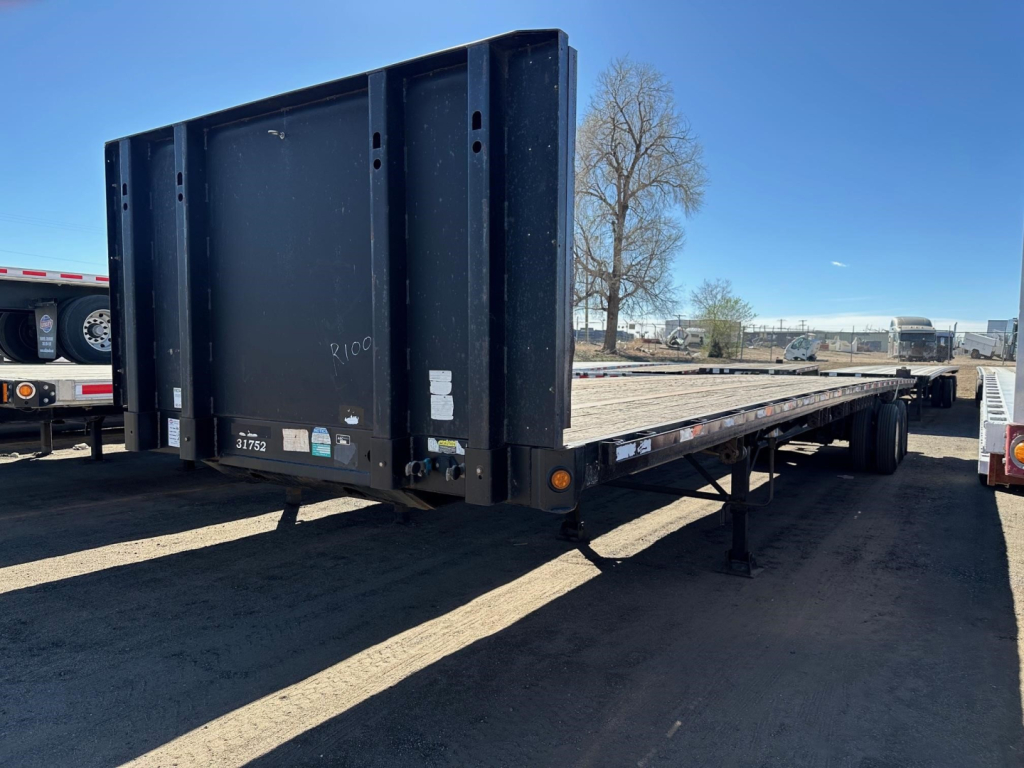
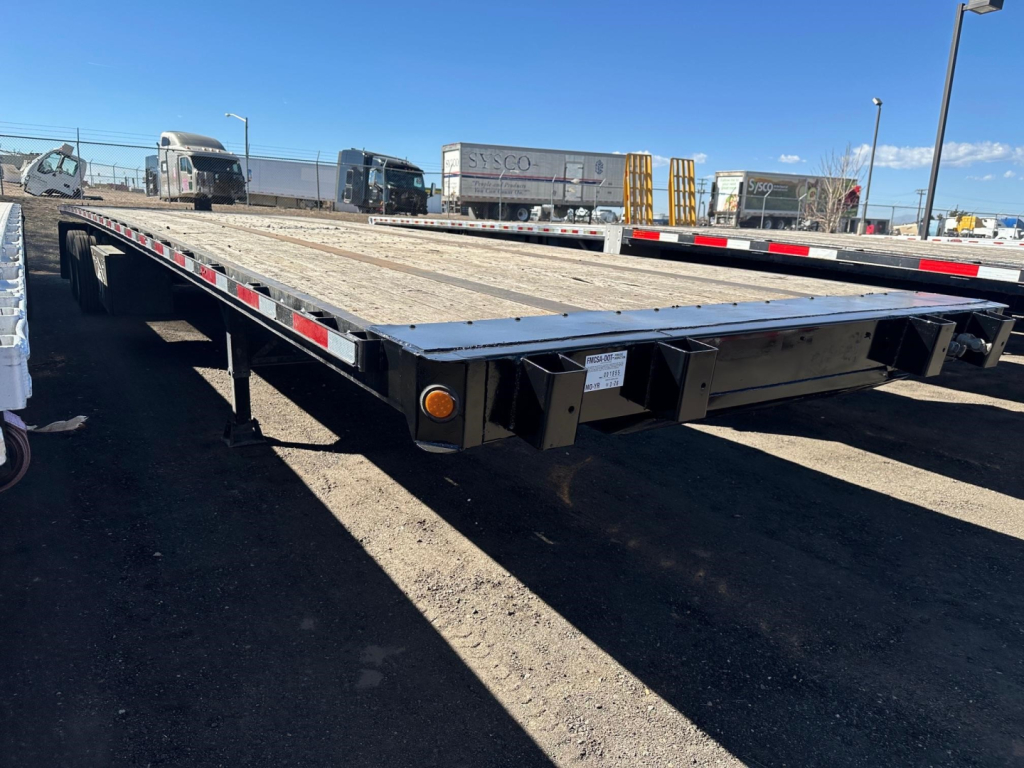
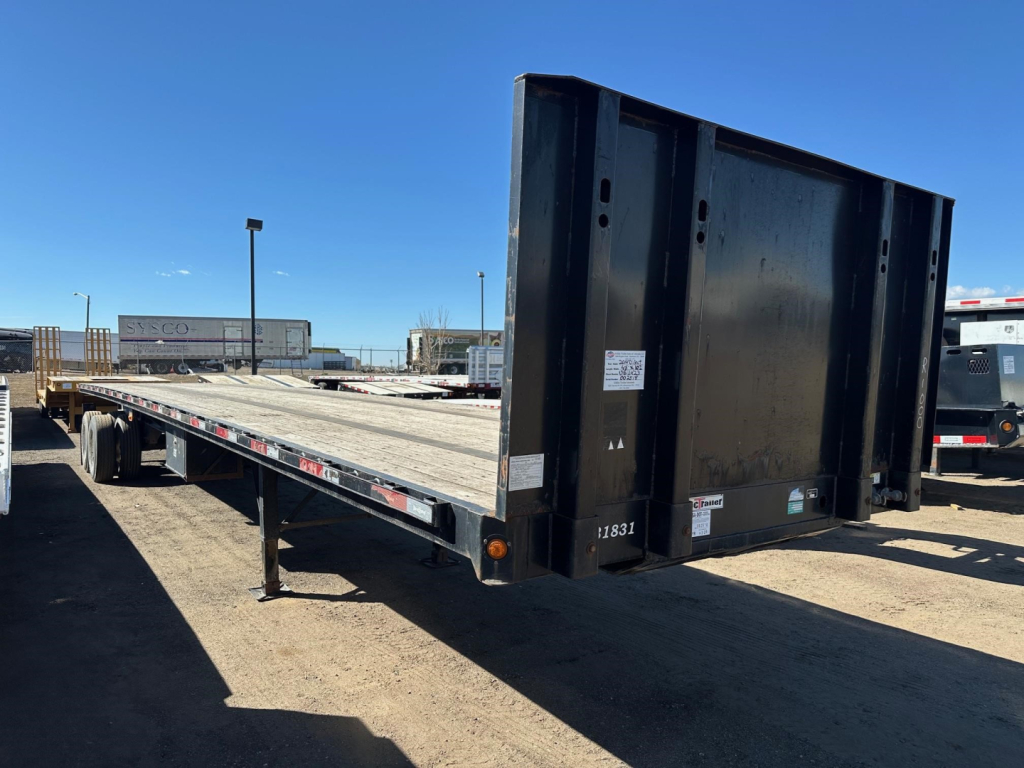
Selling a used direct flatbed trailer? List your used direct flatbed trailer for sale and reach thousands of commercial buyers.
Used Direct Flatbed Trailers
The first buying decision is usually frame, suspension, and axle setup. Many used Direct flatbed trailers in this class are built with steel main beams and steel rails, which generally favor durability and repair familiarity over tare-weight savings. Wood decks remain common because they provide solid traction, are forklift-friendly, and are relatively simple to repair section by section. Suspension can vary between spring ride and air ride, and that difference matters. Air ride is typically preferred for more fragile freight or shippers focused on ride quality, while spring ride can appeal to buyers prioritizing lower upfront cost and mechanical simplicity. Tandem layouts may be fixed or slider, so bridge law flexibility and axle spread should be checked against the lanes you run.
Securement details deserve close attention on a used flatbed because they directly affect versatility. Stake pockets and pipe spools expand tie-down options for lumber, steel products, pipe, and mixed construction loads. A bulkhead can add protection behind the tractor for certain freight profiles, though load securement still depends on proper weight distribution and tiedown practice. Some Direct flatbeds are equipped with a forklift kit, which is a major advantage for operations serving jobsites or customers without docks. On a used trailer, buyers should inspect the forklift mounting area, crossmember condition, deck wear around high-traffic zones, suspension components, tire size and age, wheel condition, and signs of concentrated damage near the rear frame or rub rail.
For most buyers, a used Direct flatbed trailer makes sense as a practical open-deck trailer with common parts, familiar construction, and specs suited to regional or general freight work. Pay attention to deck length, kingpin setting, ride type, tandem position, and the condition of the rub rail, flooring, and securement points, since those details have more impact on day-to-day usefulness than model naming alone. If the freight mix includes masonry, lumber packs, roofing, pipe, or palletized material handled by forklift from either side, a steel Direct flatbed with a sound deck and intact securement hardware can be a dependable fit.
Frequently Asked Questions about Used Direct Flatbed Trailers
What are the most common specs on a used Direct flatbed trailer?
Used Direct flatbed trailers commonly appear with 45-foot by 102-inch decks, steel main beams, wood flooring, tandem axles, stake pockets, and pipe spools. Many are configured with 22.5 low-profile tires and may include either air ride or spring ride suspension. Some units also include a bulkhead, toolbox, or a forklift kit for truck-mounted forklift applications. Exact specifications can vary, so buyers should confirm axle arrangement, suspension type, and deck condition before purchase.
Is air ride or spring ride better on a used flatbed trailer?
Air ride is generally preferred when freight protection and ride quality are priorities, especially for palletized building products, finished materials, or loads sensitive to vibration. Spring ride is simpler and can be less expensive to maintain upfront, which appeals to buyers running tougher freight or shorter regional lanes. The better choice depends on the cargo, customer expectations, and maintenance philosophy. On a used trailer, condition matters as much as design, so inspect bushings, hangers, bags, shocks, and alignment-related tire wear.
Why does a forklift kit matter on a flatbed trailer?
A forklift kit allows the trailer to carry a truck-mounted forklift, which can be a major advantage for jobsites, lumber yards, roofing supply deliveries, and any stop where unloading equipment is not available. It adds operational flexibility and can reduce dependence on customer facilities. Buyers should inspect the mounting points, rear structure, and any reinforcement around the kit, because that area sees repeated stress and can show wear or repair history on used trailers.
What should I inspect first on a used Direct flatbed trailer?
Start with the structural and cargo-contact areas. Check the main beams, crossmembers, rub rail, stake pockets, pipe spools, and deck boards for cracks, excessive corrosion, bent sections, or signs of overloaded use. Then inspect the suspension, axle alignment, brakes, tires, wheels, and air system if equipped. Also confirm that tandem movement works correctly on slider models and look closely at the rear frame and forklift kit area if the trailer is equipped for piggyback forklift use.
What kind of freight is a Direct flatbed trailer best suited for?
A Direct flatbed trailer is well suited for general open-deck freight such as lumber, drywall, brick, pipe, structural steel, crated machinery, and palletized building materials. The open sides and open top make loading easier with forklifts or cranes, and securement hardware like stake pockets and pipe spools supports a wide range of cargo shapes. This category is especially practical for regional construction supply, industrial deliveries, and freight that does not require enclosure.