
Direct Flatbed Trailers For Sale
Browse Direct flatbed trailers with steel construction, wood decking, tandem axles, and hauling features for lumber, steel, pipe, and equipment.
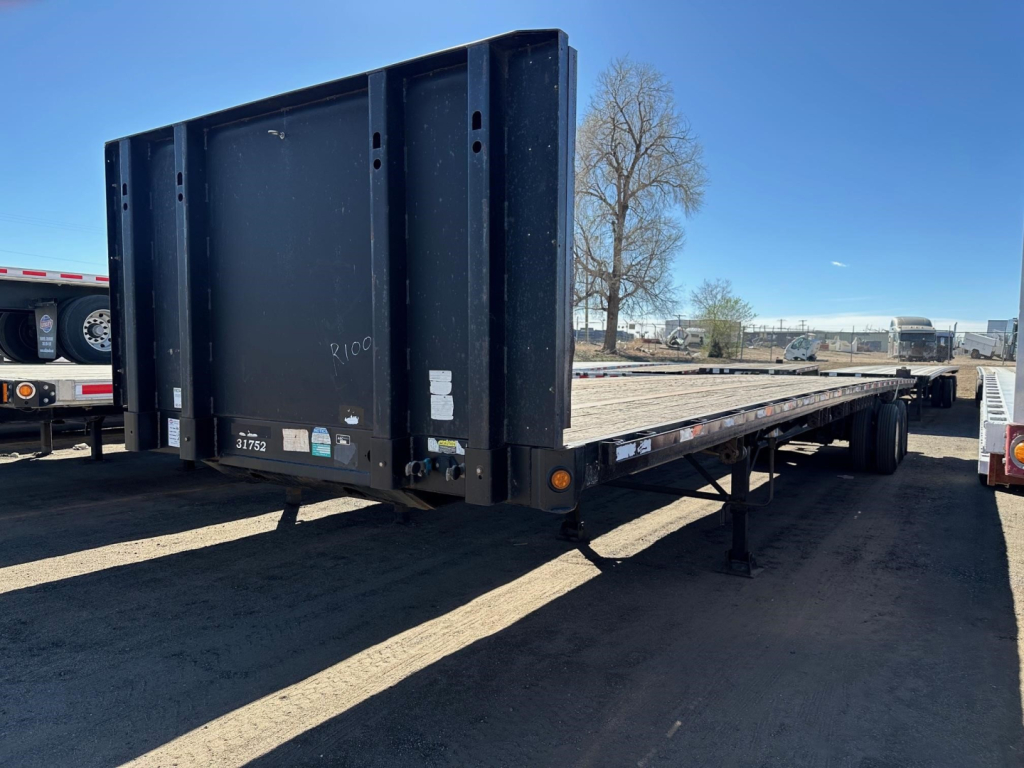
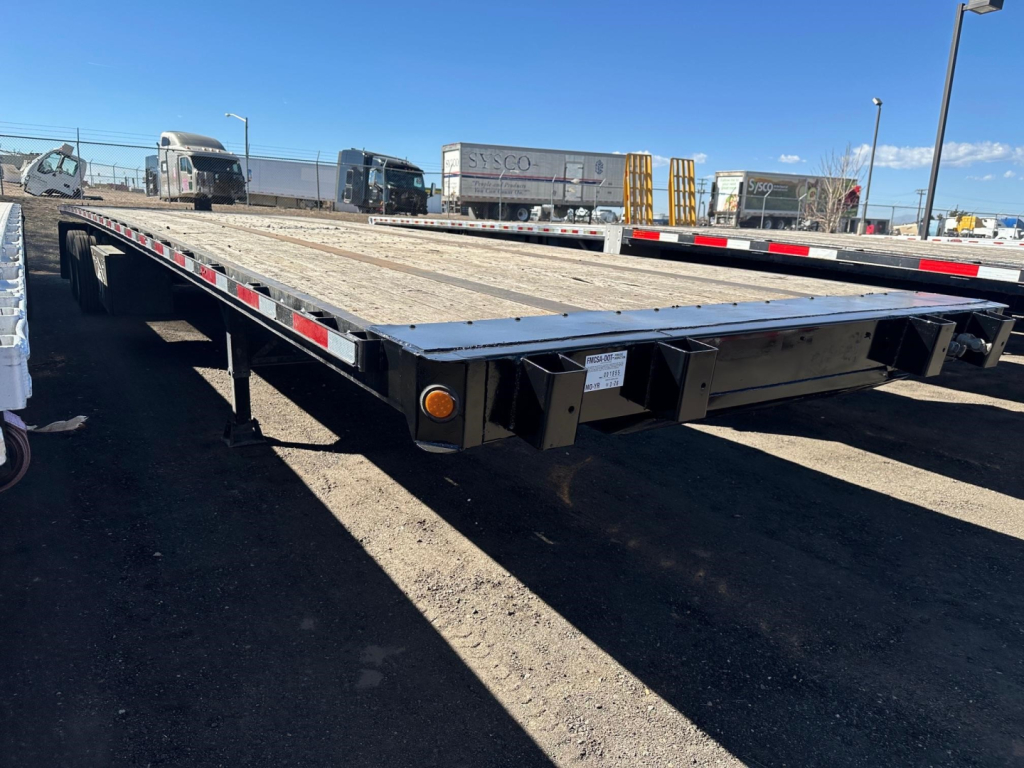
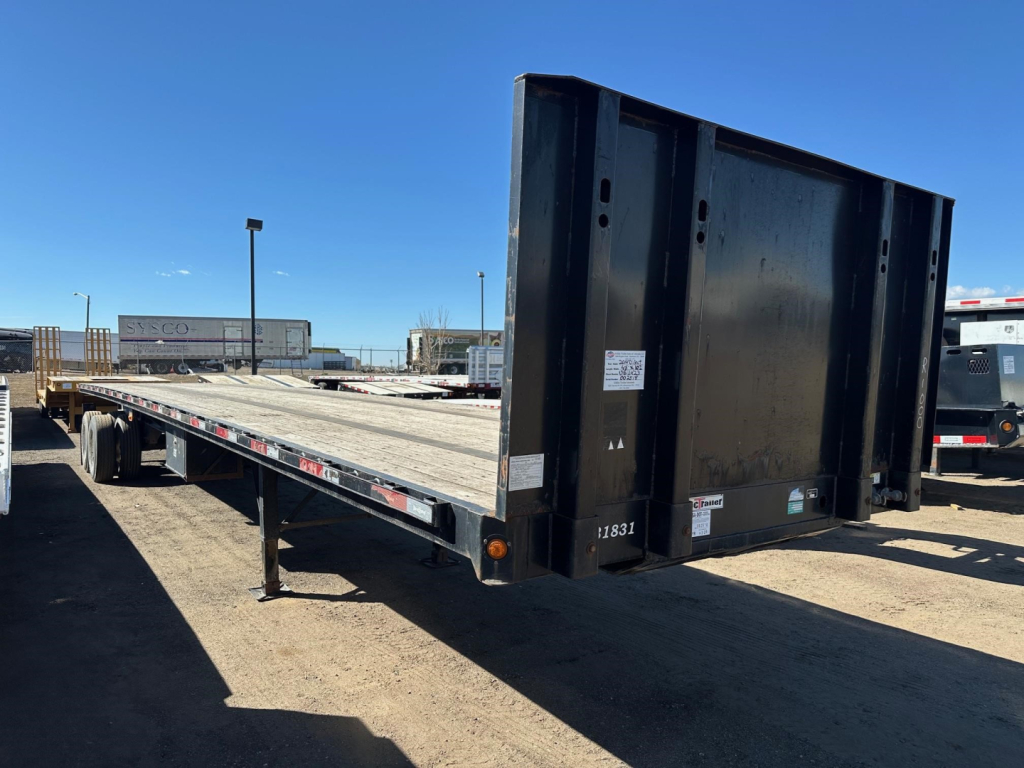
Selling a direct flatbed trailer? List your direct flatbed trailer for sale and reach thousands of commercial buyers.
Direct Flatbed Trailers
The main buying decision usually starts with suspension, axle position, and deck equipment. Spring ride units are straightforward and durable for general service, while air ride flatbeds can be a better choice for customers hauling freight that is more sensitive to shock and vibration. Tandem axle configurations are standard, and some Direct flatbeds use a sliding tandem to help with bridge laws, kingpin-to-rear axle requirements, and load distribution. Fixed tandem setups can be simpler and lighter, but a slider adds flexibility across different states and customer docks. Buyers should also look closely at winch tracks, sliding or fixed winches, stake pockets, pipe spools, nail strips, and coil package equipment if they expect to haul steel coil or pipe on a regular basis.
Deck construction and rear frame details matter more on a used flatbed than many buyers realize. A wood deck is easy to repair and common in this class, but it should be checked for soft spots, broken boards, fastener condition, and rail damage near heavily used securement points. Steel-framed Direct flatbeds are valued for toughness, but crossmember condition, frame corrosion, landing gear mounts, suspension hangers, and slider wear all deserve a close inspection. Forklift kits are a notable feature on some Direct trailers, especially for operations handling truck-mounted forklifts in building supply or jobsite delivery work. Bulkheads, toolboxes, and low-profile 22.5 tires may also appear, depending on how the trailer was spec'd.
For buyers comparing Direct flatbed trailers for sale, the best unit is the one whose spec matches the freight mix and route pattern. A trailer hauling pipe, steel, and jobsite materials every day needs different securement hardware than one moving bundled lumber or dry pallet freight. Focus on legal payload, deck length, suspension type, tandem adjustment, and the condition of the floor and securement system. A well-spec'd Direct flatbed can be a dependable trailer for regional or long-haul service when its frame, deck, and running gear are matched to the work.
Frequently Asked Questions about Direct Flatbed Trailers
What are the most common specs on a Direct flatbed trailer?
Direct flatbed trailers commonly appear with steel main beams, wood decking, 102-inch width, tandem axles, and lengths around 45 to 48 feet. Many are equipped with stake pockets, pipe spools, winches, coil package features, and landing gear. Suspension may be spring ride or air ride, and axle setups can be fixed or sliding depending on the intended freight and legal flexibility needed.
Is a sliding tandem better than a fixed tandem on a flatbed trailer?
A sliding tandem usually gives a flatbed more versatility. It helps adjust axle spacing for bridge law compliance, kingpin settings, and load balance across different freight types and states. A fixed tandem can reduce complexity and may save some weight, but it does not offer the same flexibility for changing load positions or regional legal requirements.
What should I inspect on a used Direct flatbed trailer before buying?
The most important areas are the frame, crossmembers, suspension, slider rails if equipped, landing gear, brakes, and tire condition. On the deck, inspect the wood floor for rot, cracks, loose boards, and wear around winches and stake pockets. Also check securement hardware such as winch tracks, pipe spools, nail strips, and coil package components because damaged or missing hardware directly affects the trailer's usefulness and compliance.
Why would a flatbed trailer have a forklift kit?
A forklift kit allows the trailer to carry a truck-mounted forklift, which is common in building materials, roofing supply, and jobsite delivery applications. This adds delivery flexibility when freight must be unloaded where no dock or unloading equipment is available. Buyers should confirm the kit matches the forklift model they plan to use and inspect mounting points for wear or structural damage.
Are Direct flatbed trailers a good fit for steel and pipe hauling?
They can be, especially when equipped with coil package features, pipe spools, stake pockets, and adequate winch placement. The right setup depends on the type of steel or pipe being hauled and how often that freight is part of the operation. Buyers moving heavy concentrated loads should pay close attention to deck rating, frame condition, crossmember integrity, and securement equipment rather than judging the trailer by length alone.