
Direct Flatbed Trailers For Sale in Colorado
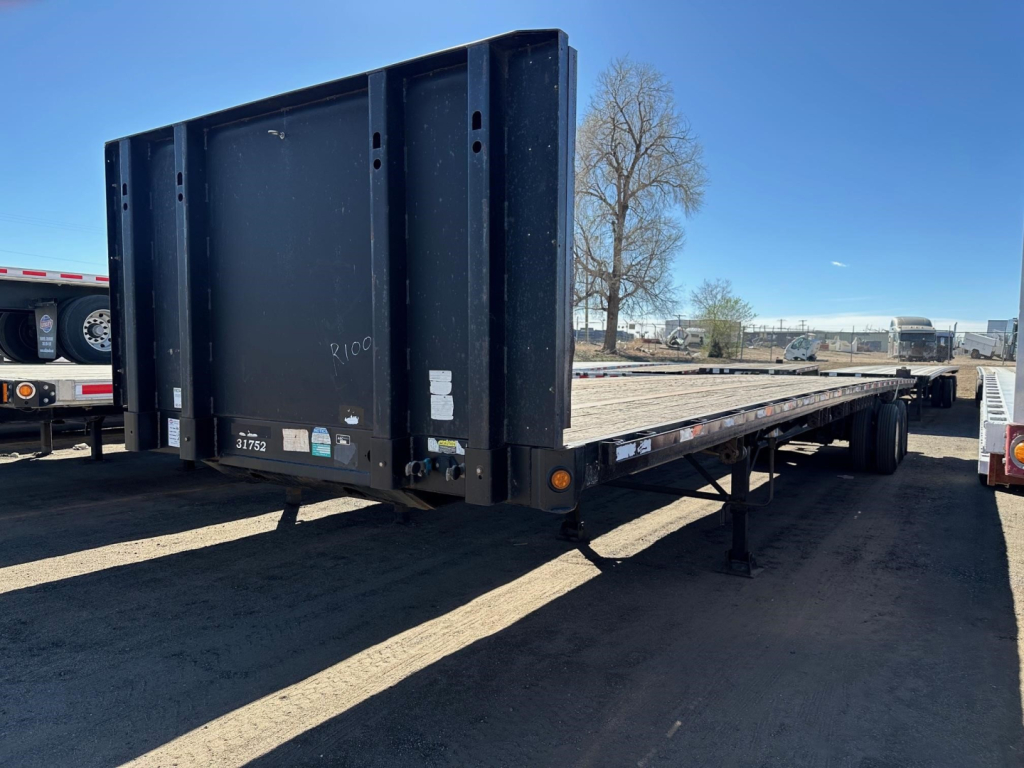
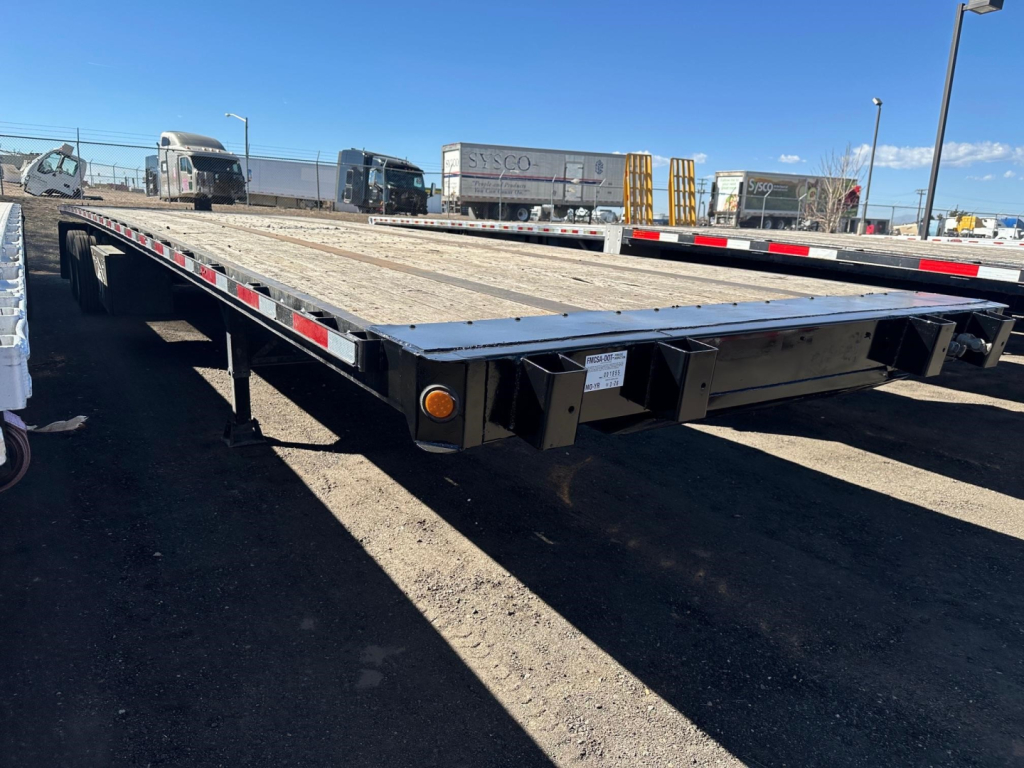
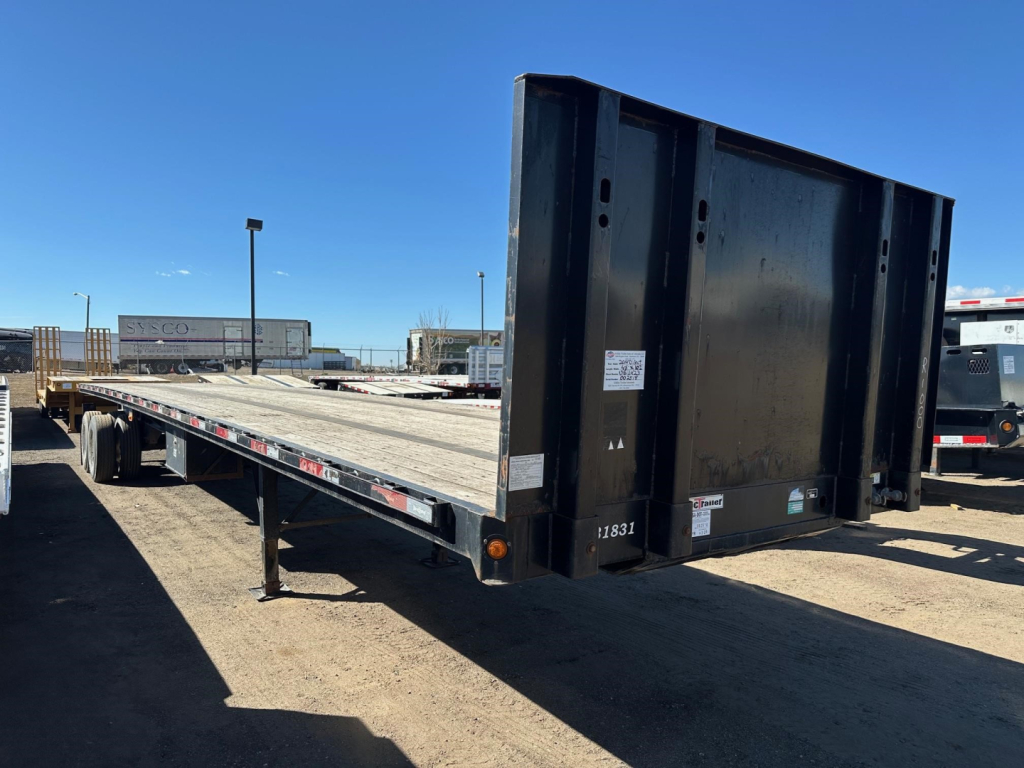
Browse Direct flatbed trailers with common specs like 45' x 102" decks, steel construction, stake pockets, pipe spools, and forklift kits.
Selling a direct flatbed trailer? List your direct flatbed trailer for sale and reach thousands of commercial buyers.
Direct Flatbed Trailers in Colorado
For many buyers, the biggest decision is trailer structure and suspension. A steel flatbed generally costs less up front than an aluminum model and holds up well in demanding service, but it carries more tare weight. That tradeoff matters if payload is your top priority. Wood decks are common because they are economical, easy to repair, and provide dependable traction for forklifts and freight. On the running gear side, Direct flatbeds in this segment are often equipped with closed tandems, with either spring ride or air ride. Air ride is usually preferred for more fragile freight and better load protection, while spring ride remains a durable, lower-complexity option for rougher vocational use. A sliding tandem can add flexibility for bridge law compliance and axle spacing, while a fixed tandem keeps the setup simple.
Equipment details matter on a flatbed because they directly affect daily loading and securement. Stake pockets and pipe spools support common tie-down methods and make the trailer more versatile across different commodity types. A bulkhead adds front-end protection when hauling units that could shift forward under hard braking. Low-profile 22.5 tires are also common on older steel flatbeds and can help with deck height, though buyers should still confirm overall loaded height, tire condition, wheel type, and brake specification. Toolboxes, winches, and forklift mounting provisions can reduce setup time and increase jobsite efficiency, especially for operators handling mixed deliveries.
When comparing Direct flatbed trailers, pay close attention to frame condition, deck wear, crossmember integrity, suspension type, and signs of corrosion around the rails, tandem, and landing gear mounts. On used units, the value is often in how well the trailer was maintained rather than in model naming alone. Buyers in Colorado should also think about mountain grades, weather exposure, and route compliance, since brake condition, suspension performance, and tire quality become more important in elevation and winter service. A well-spec'd Direct flatbed can be a practical choice for regional hauling, construction supply, steel service, and general open-deck freight where durability and simple operation matter more than lightweight design.
Frequently Asked Questions about Direct Flatbed Trailers in Colorado
What are the most common specs on a Direct flatbed trailer?
Direct flatbed trailers commonly appear in 45-foot by 102-inch configurations with steel main beams and rails, a wood deck, stake pockets, pipe spools, and tandem axles. Many used examples also include a bulkhead, toolbox, and forklift kit. Suspension may be spring ride or air ride, and some units have a sliding tandem while others are fixed. These are practical, work-focused specs aimed at general freight and building material applications.
Is a steel Direct flatbed a good choice compared with an aluminum flatbed?
A steel flatbed is often a good fit when lower acquisition cost and structural durability matter more than maximizing payload. Steel trailers are typically heavier than aluminum, so they reduce available payload capacity, but they can be well suited for hard daily use, rough loading conditions, and vocational work. Buyers hauling dense freight should always compare trailer tare weight against the freight profile and legal axle limits before deciding.
Why does a forklift kit matter on a flatbed trailer?
A forklift kit allows the trailer to carry a piggyback forklift, which is a major advantage for deliveries at jobsites or locations without unloading equipment. This setup is common in lumber, masonry, roofing, and building supply operations where the driver may need to unload independently. Buyers should confirm the mounting system condition, rear structure integrity, and whether the trailer's weight distribution and intended freight mix still make sense with the added forklift and bracket weight.
Should I choose air ride or spring ride on a Direct flatbed trailer?
Air ride is generally better for protecting sensitive freight and reducing shock transfer through the trailer, which can help with load stability and cargo condition. Spring ride is simpler and often less expensive to maintain, making it attractive for tougher service environments and buyers who prioritize durability over ride quality. The right choice depends on the commodity, route conditions, and how much importance you place on load protection versus mechanical simplicity.
What should I inspect first on a used Direct flatbed trailer?
Start with the frame, crossmembers, deck condition, suspension, brakes, tires, and tandem assembly. Look closely for rust, previous weld repairs, cracked mounting points, worn suspension components, and deck damage from forklifts or concentrated loads. Also inspect stake pockets, pipe spools, landing gear, bulkhead structure, and any forklift mounting hardware. On a flatbed, these wear areas tell you more about remaining service life than cosmetic appearance.