
Direct Trailers For Sale
Browse Direct trailers for sale, including steel flatbed trailers with forklift kits, air or spring ride, sliding tandems, and common freight specs.
Selling a direct trailer? List your direct trailer for sale and reach thousands of commercial buyers.
Direct Trailers
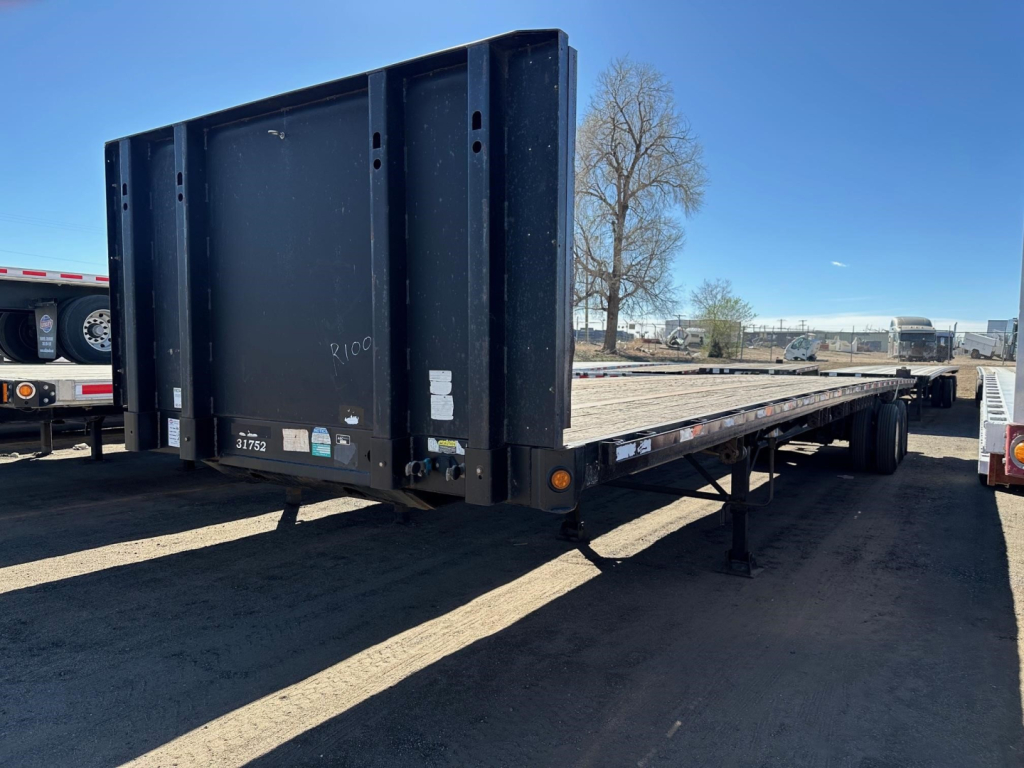
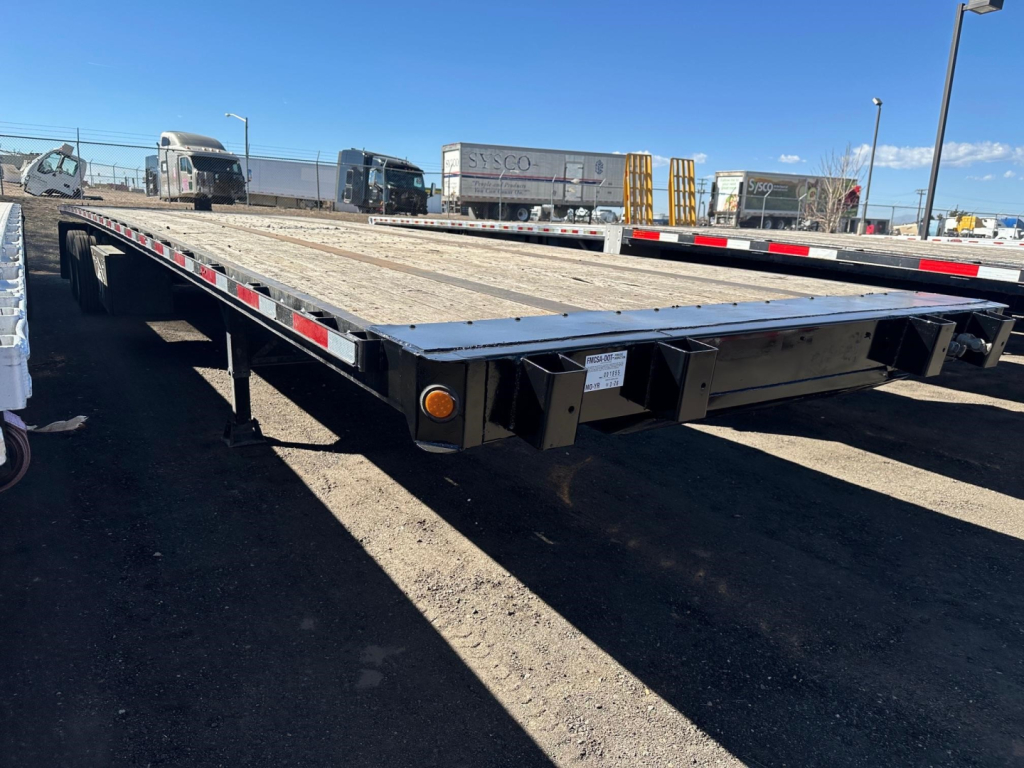
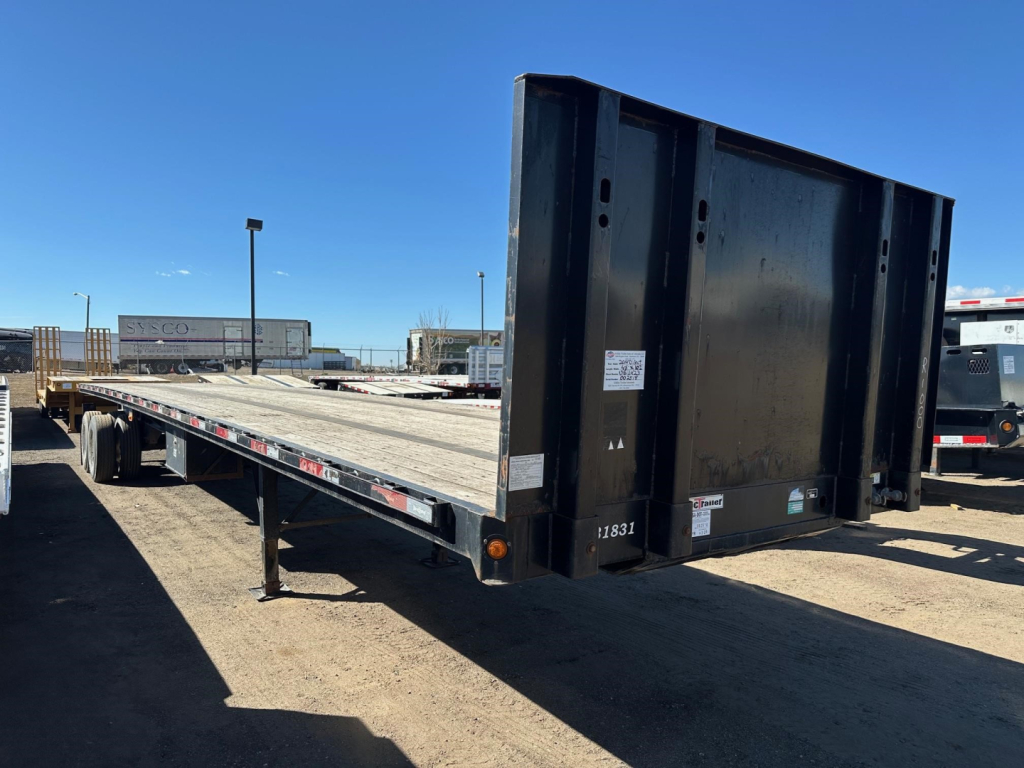
A lot of buying decisions in this category come down to deck setup and securement hardware. Direct flatbeds are often equipped with stake pockets, pipe spools, winch tracks or sliding winches, nail strips, and coil package features. Those details matter because they determine how easily the trailer can transition between lumber, machinery, pipe, crated freight, and steel coils. A bulkhead is a useful feature for operations hauling packaged freight or materials that benefit from added front-end protection, while a forklift kit is important for carriers handling truck-mounted forklifts for jobsite delivery.
Suspension and axle layout also deserve a close look. Common Direct trailer specs include tandem axles, 22.5 low-profile tires, steel wheels, and either spring ride or air ride suspension. Spring ride is simple and durable, while air ride can offer better load protection for more sensitive freight. Some units use a sliding tandem, which helps with bridge law compliance and axle weight distribution, while others are fixed tandem setups that reduce moving parts and can simplify maintenance. Buyers should also confirm deck condition, crossmember integrity, kingpin area wear, suspension bushing condition, brake life, and signs of rail or frame repairs, especially on older steel flatbeds.
For fleets and owner-operators comparing Direct trailers against other flatbed brands, the value is usually in practical specification rather than specialty design. These trailers tend to appeal to buyers who want a conventional steel flatbed with common replacement parts, standard dimensions, and the securement features needed for day-to-day open deck work. When comparing listings, pay attention to ride type, tandem configuration, winch layout, forklift package, deck wear, and whether the trailer is set up for the kind of freight you haul most often.
Frequently Asked Questions about Direct Trailers
What type of freight is a Direct flatbed trailer best suited for?
A Direct flatbed trailer is generally suited for standard open deck freight such as lumber, steel products, machinery, palletized building materials, pipe, and jobsite deliveries. The exact capability depends on the trailer's securement package, deck condition, and axle configuration, but features like stake pockets, pipe spools, winches, and coil package equipment make these trailers flexible for mixed freight operations.
Are Direct trailers commonly built with steel or aluminum construction?
Many Direct trailers on the used market are steel flatbeds with steel main beams and rails paired with a wood deck. Steel construction typically offers durability and repair familiarity, which can be a benefit for hard-use applications. The tradeoff is higher empty weight compared with aluminum designs, so buyers should consider payload goals, operating lanes, and maintenance preferences.
What should I inspect first on a used Direct flatbed trailer?
Start with the frame, main beams, crossmembers, deck, suspension, brakes, and sliding tandem components if equipped. On a steel flatbed, rust scale, previous weld repairs, cracked crossmembers, and kingpin area wear are important inspection points. Buyers should also check stake pockets, winch track condition, landing gear operation, tire wear patterns, and whether the forklift kit or bulkhead shows damage from heavy loading cycles.
Is air ride or spring ride better on a Direct trailer?
Neither is universally better because the right choice depends on freight and operating conditions. Air ride is often preferred for better load protection and ride quality, especially for freight that is more sensitive to road shock. Spring ride is simpler, durable, and often less expensive to maintain. If the trailer will see rough jobsites and basic commodity freight, spring ride can make sense. If the freight mix includes finished materials or freight with tighter handling requirements, air ride is often worth considering.
Why does a forklift kit matter on a flatbed trailer?
A forklift kit allows the trailer to carry a truck-mounted forklift, which is valuable for deliveries where no dock or unloading equipment is available. This is common in building materials, roofing, and jobsite freight. If that is part of your business model, the forklift package is not just a convenience feature. It affects trailer versatility, rear structure design, and how efficiently the truck can complete multi-stop deliveries.