
Used Flatbed Trailers For Sale in Colorado
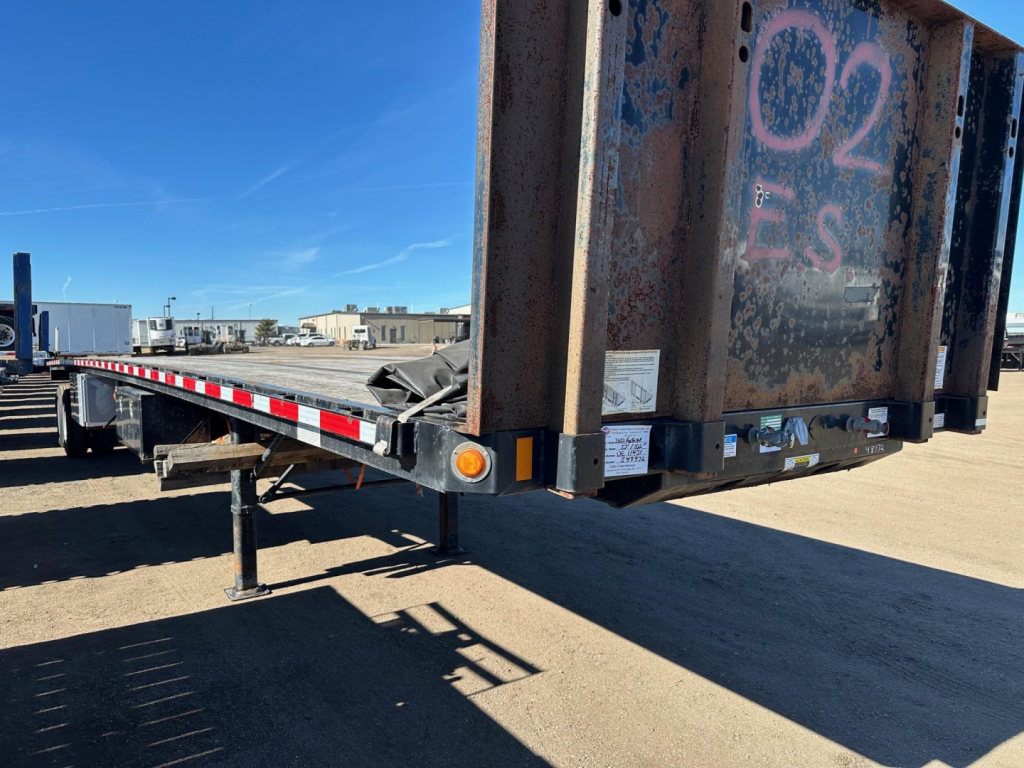
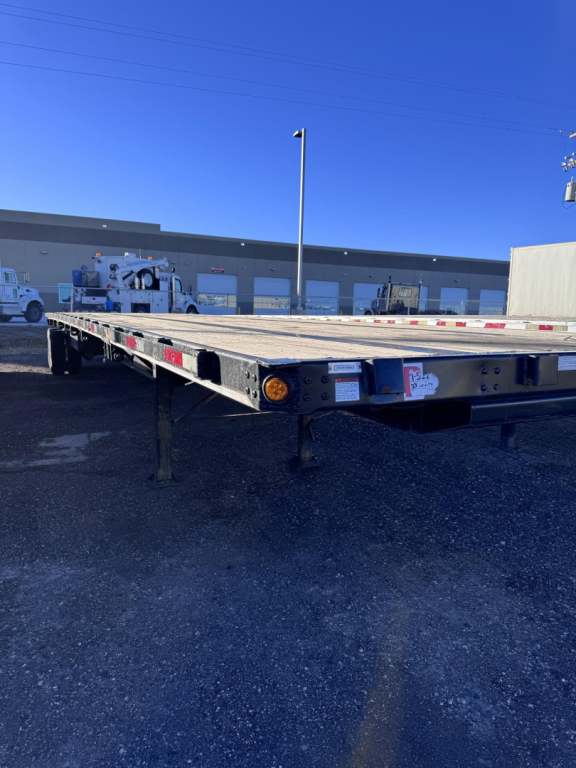
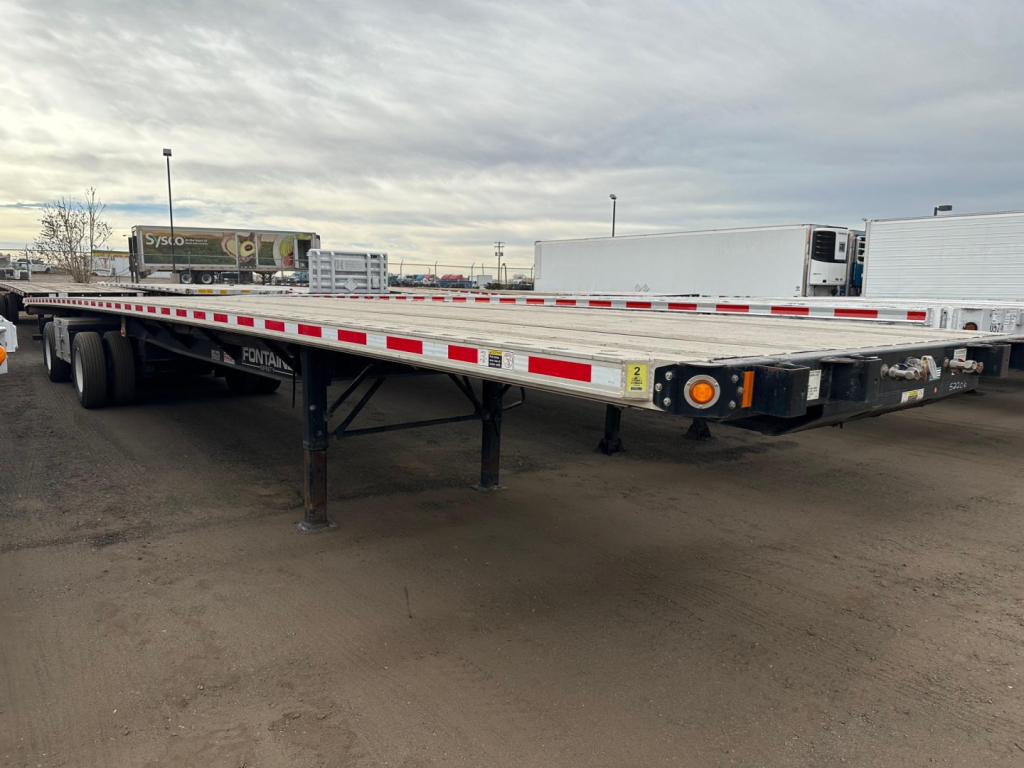
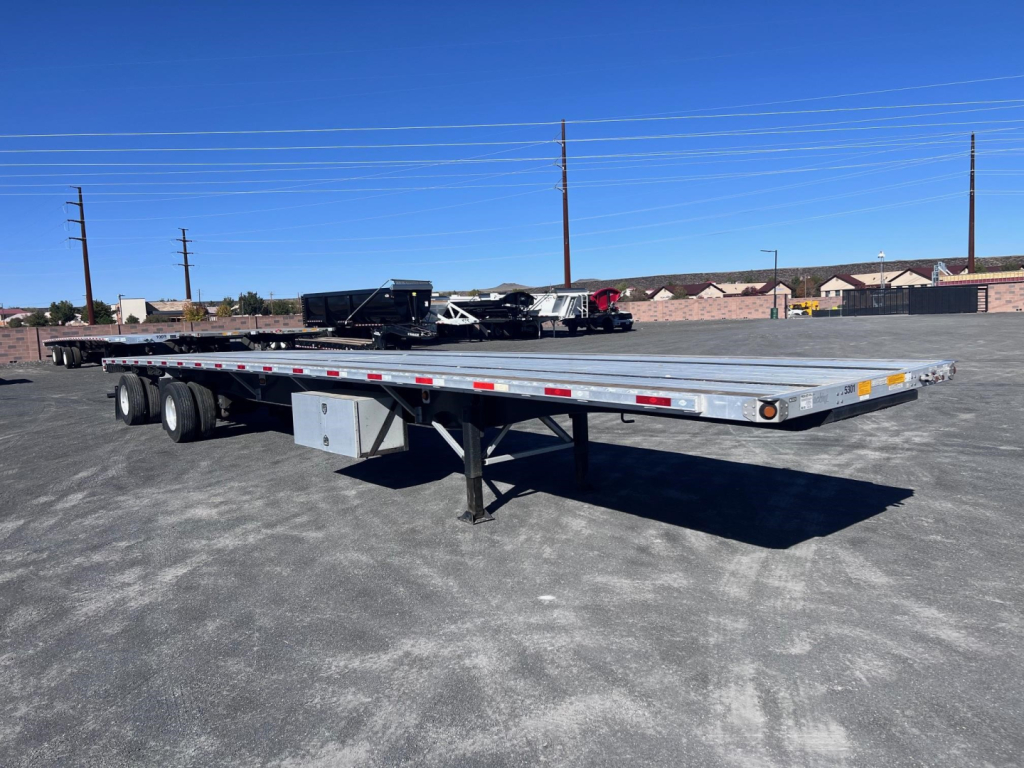
Browse used flatbed trailers for sale in Colorado, including 48' and 53' steel and combo specs with air ride, spread axles, winches, and wood decks.
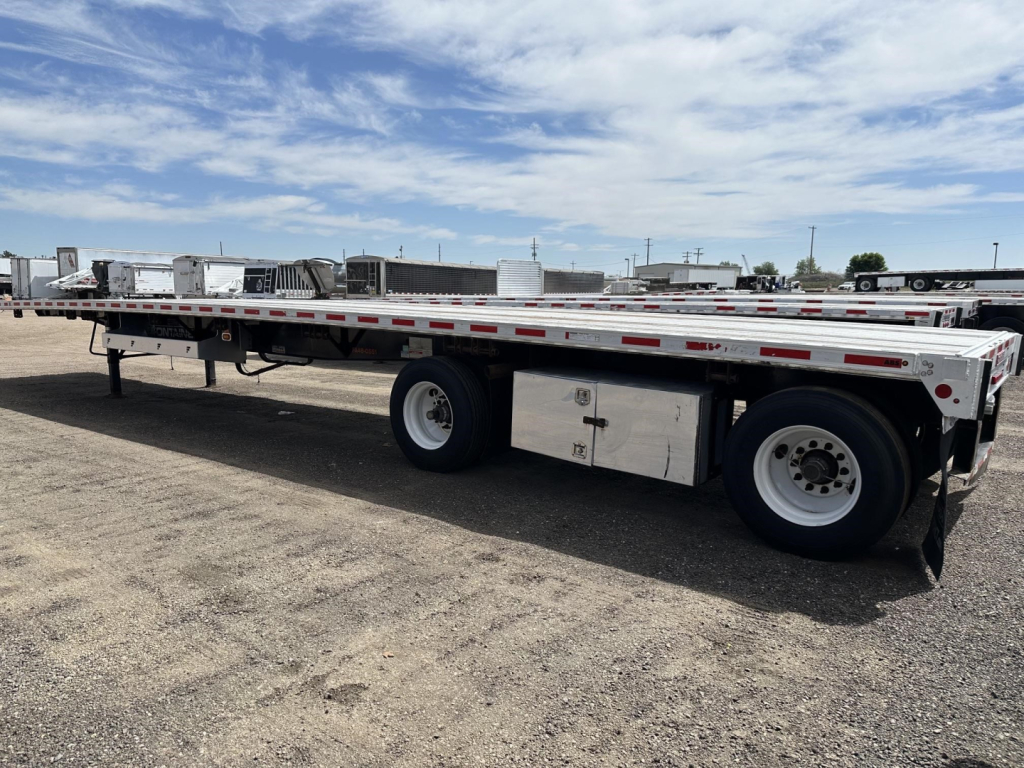
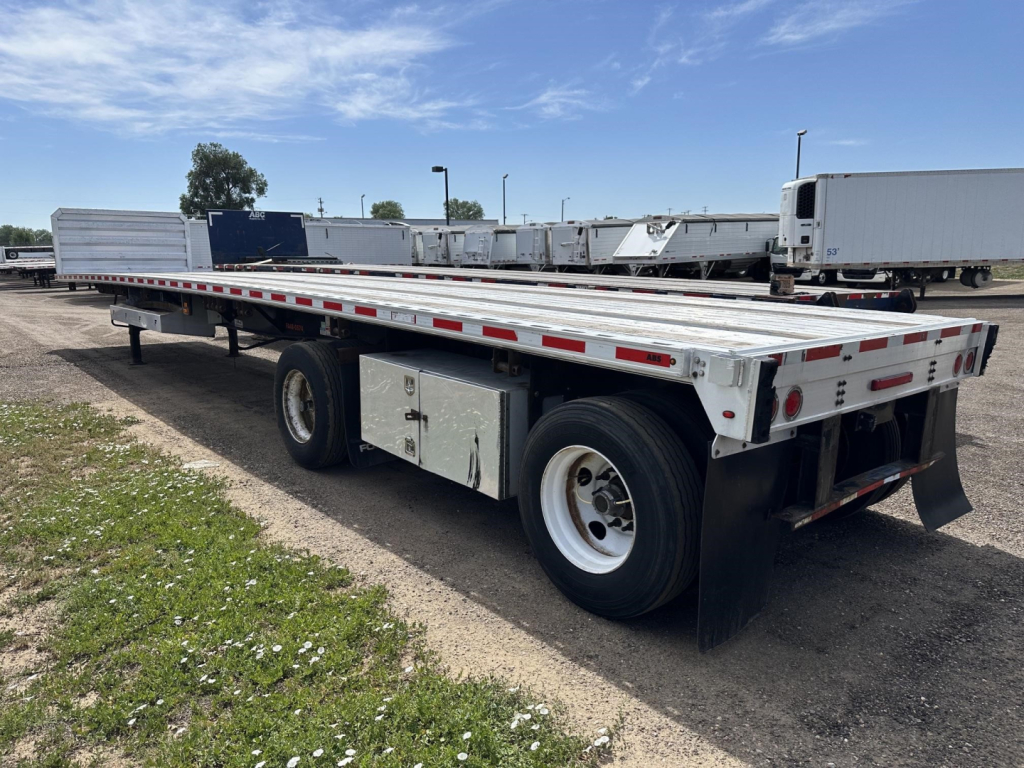
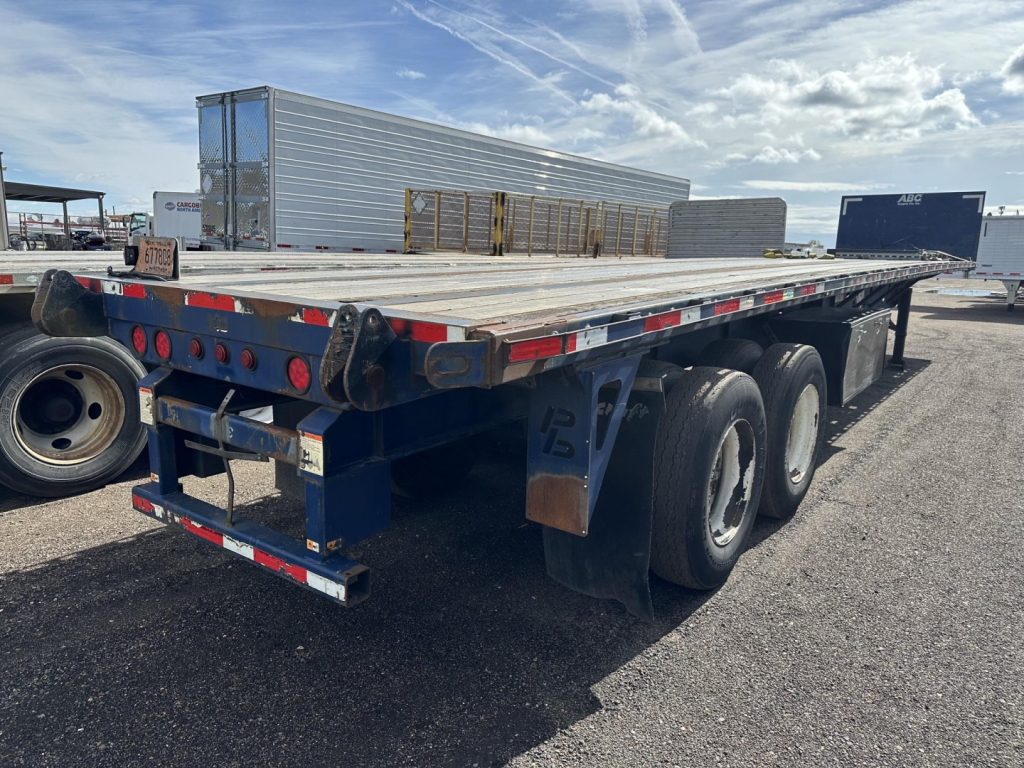
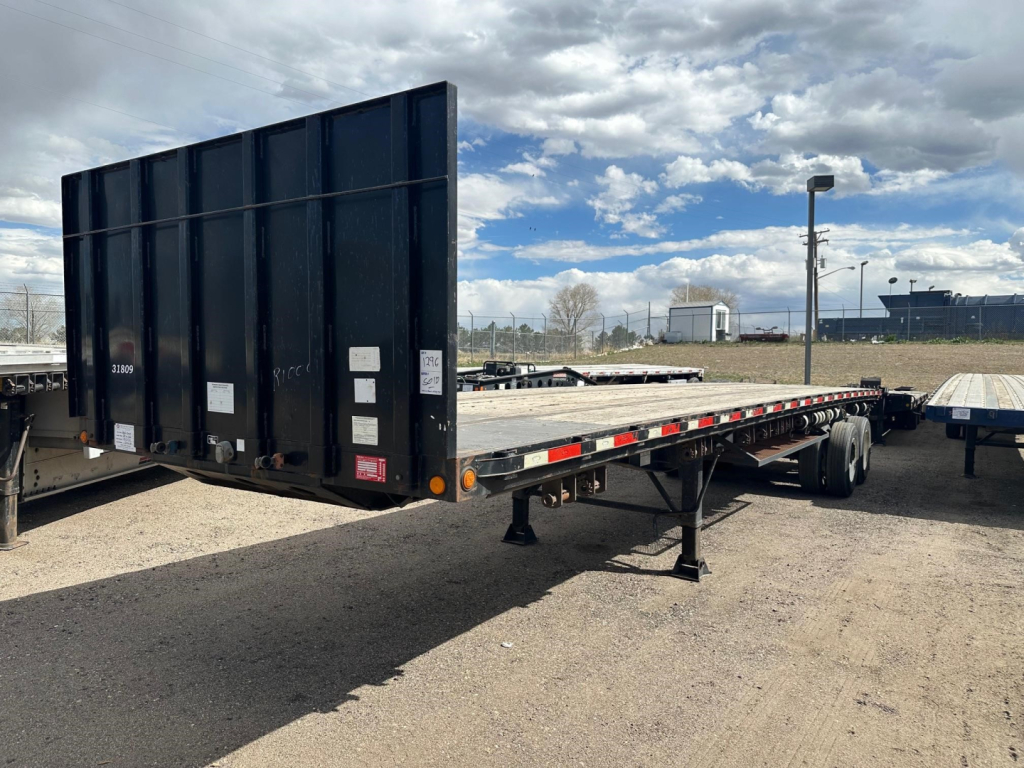
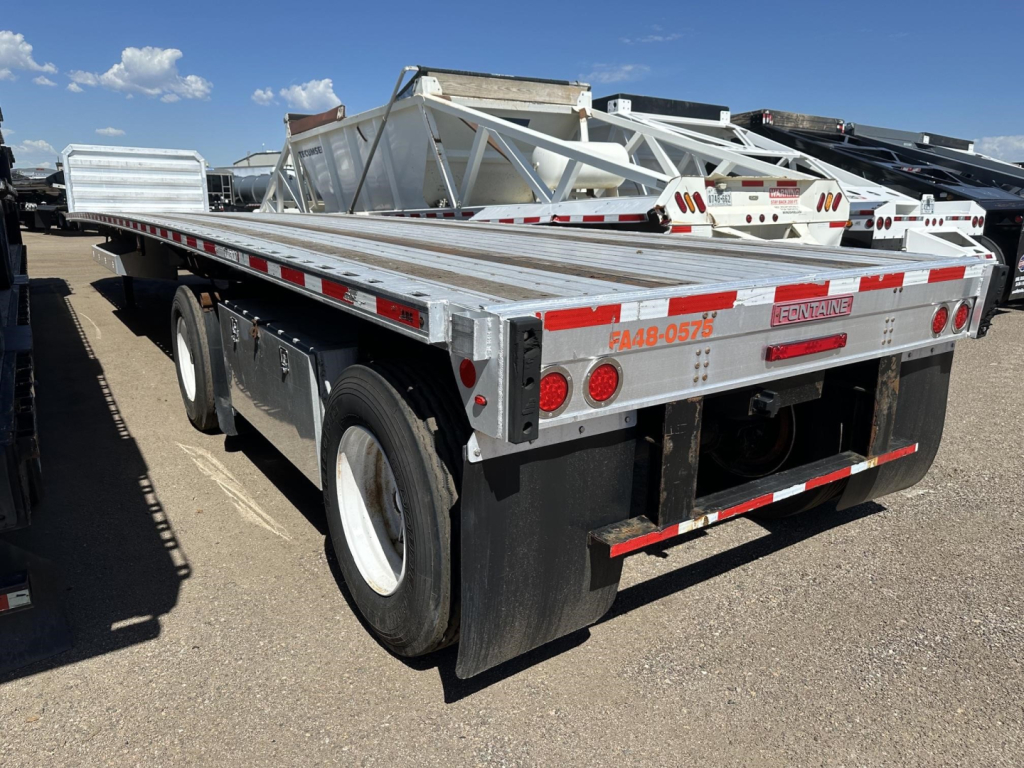
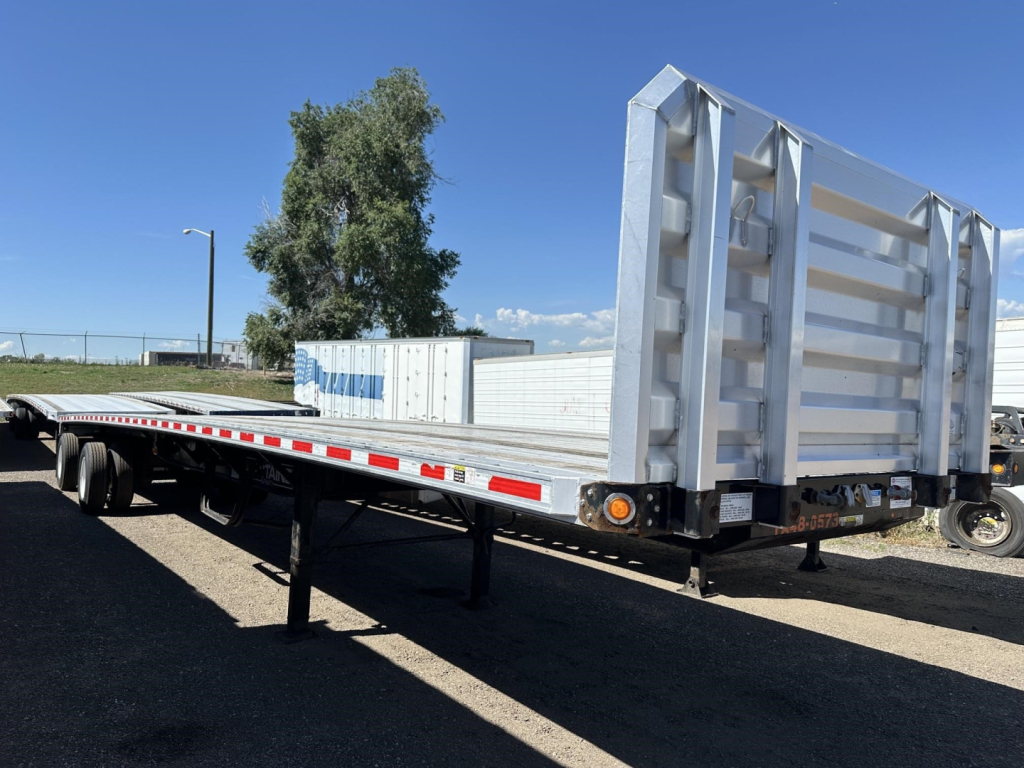
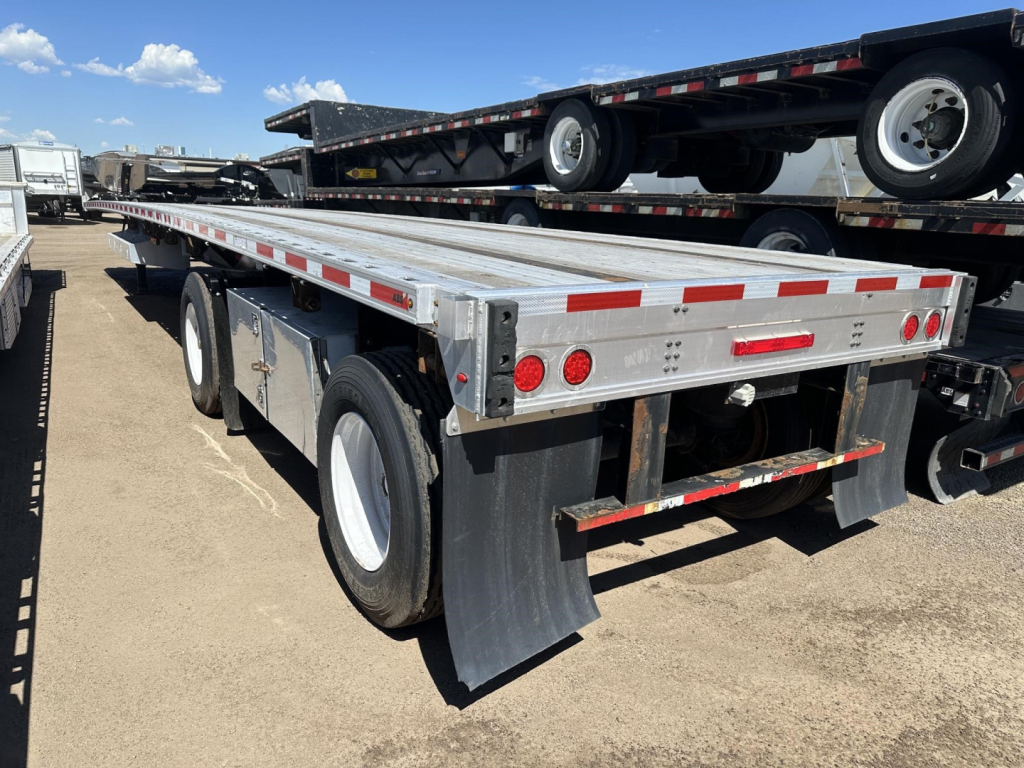
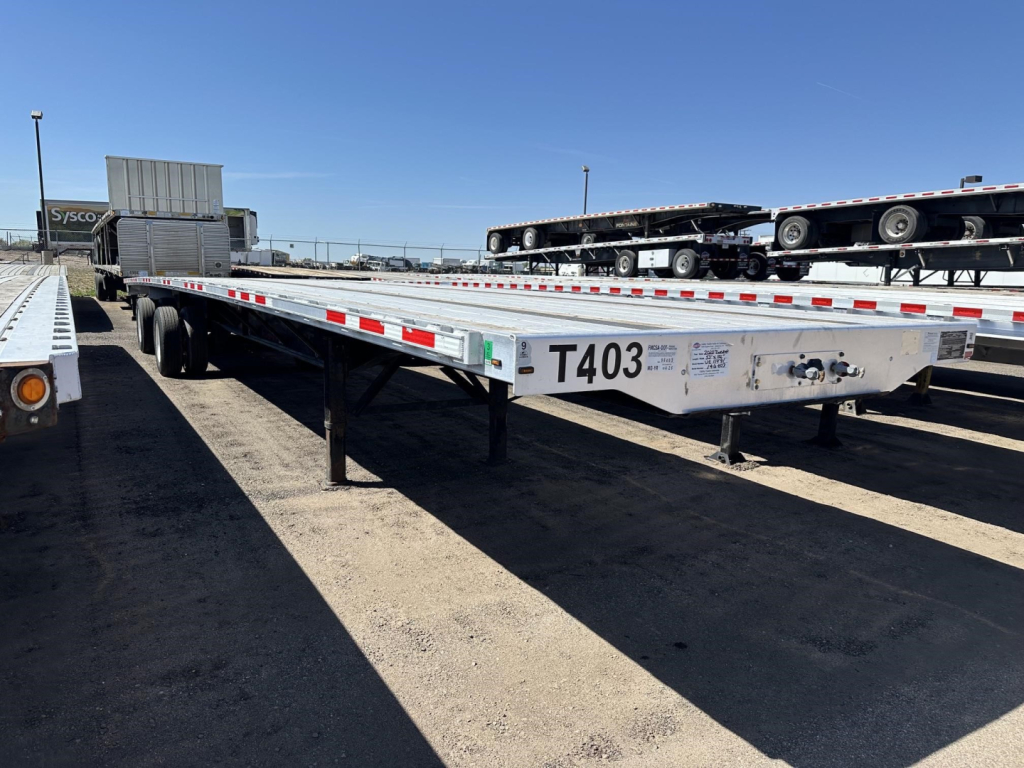
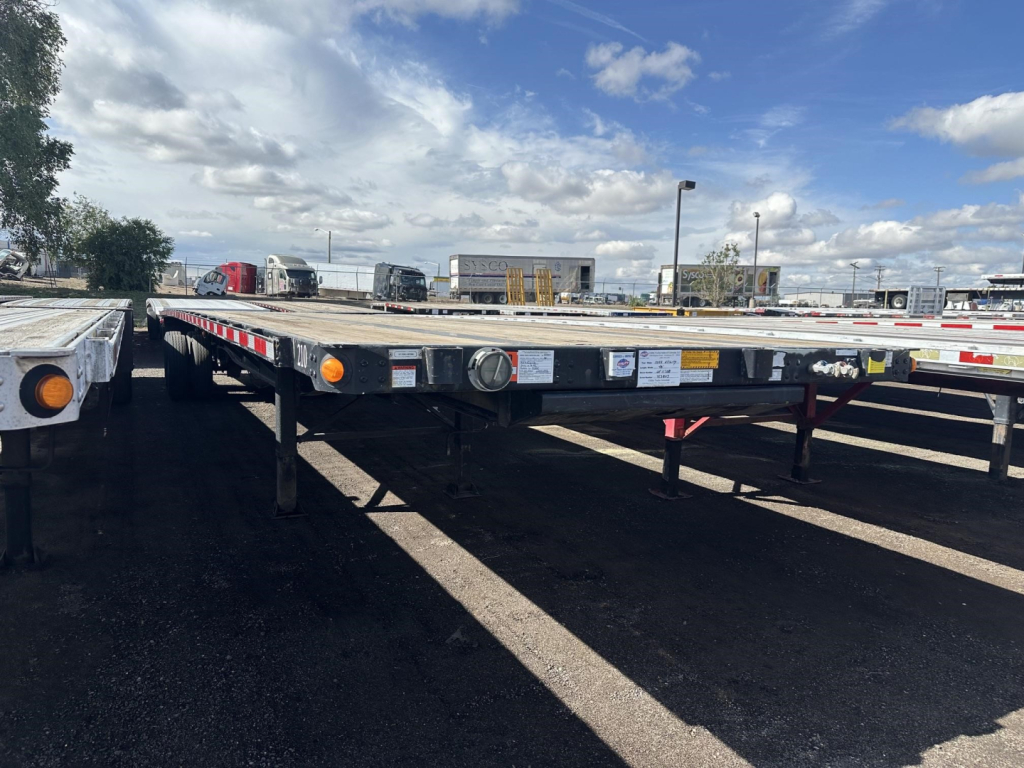
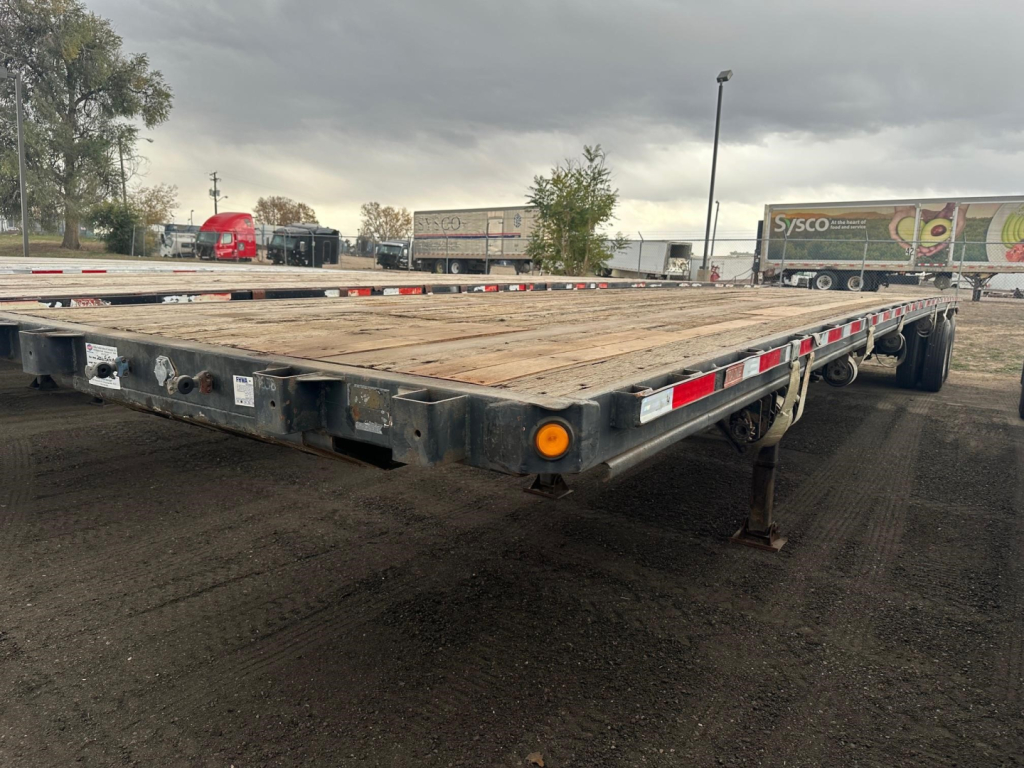
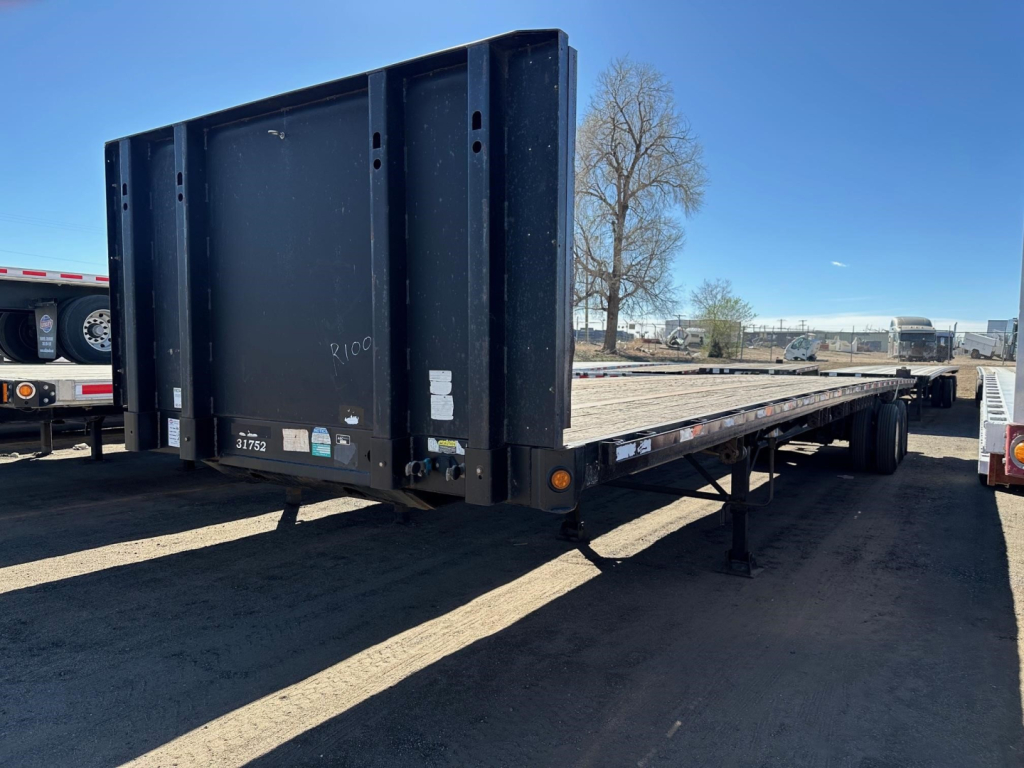
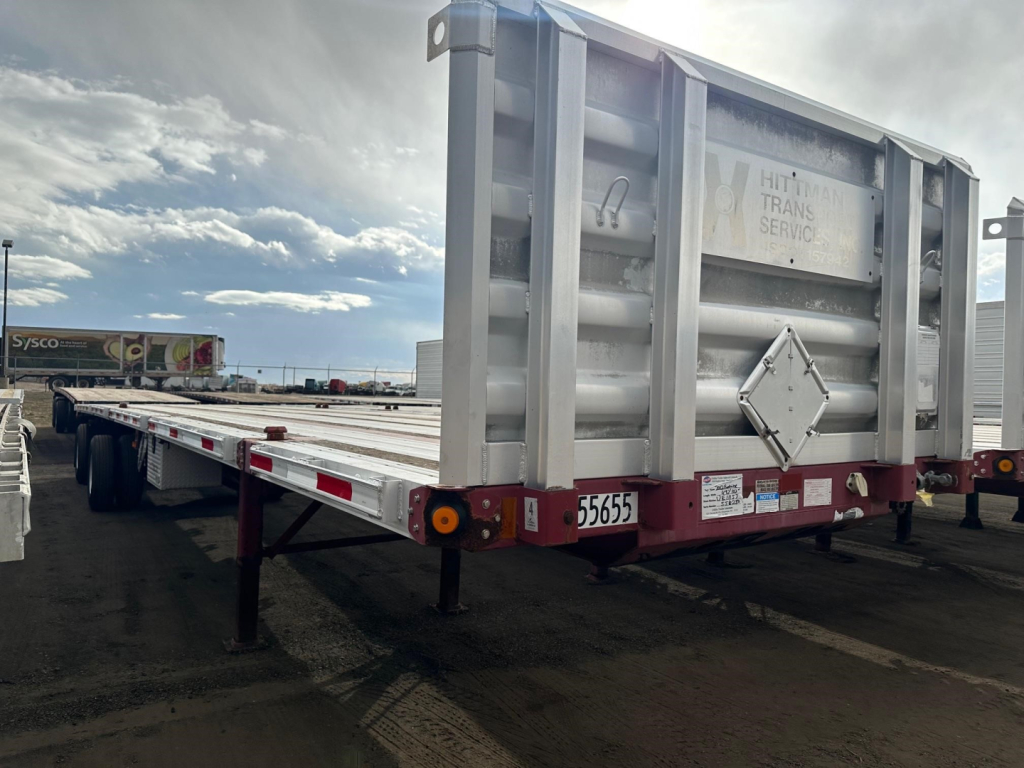
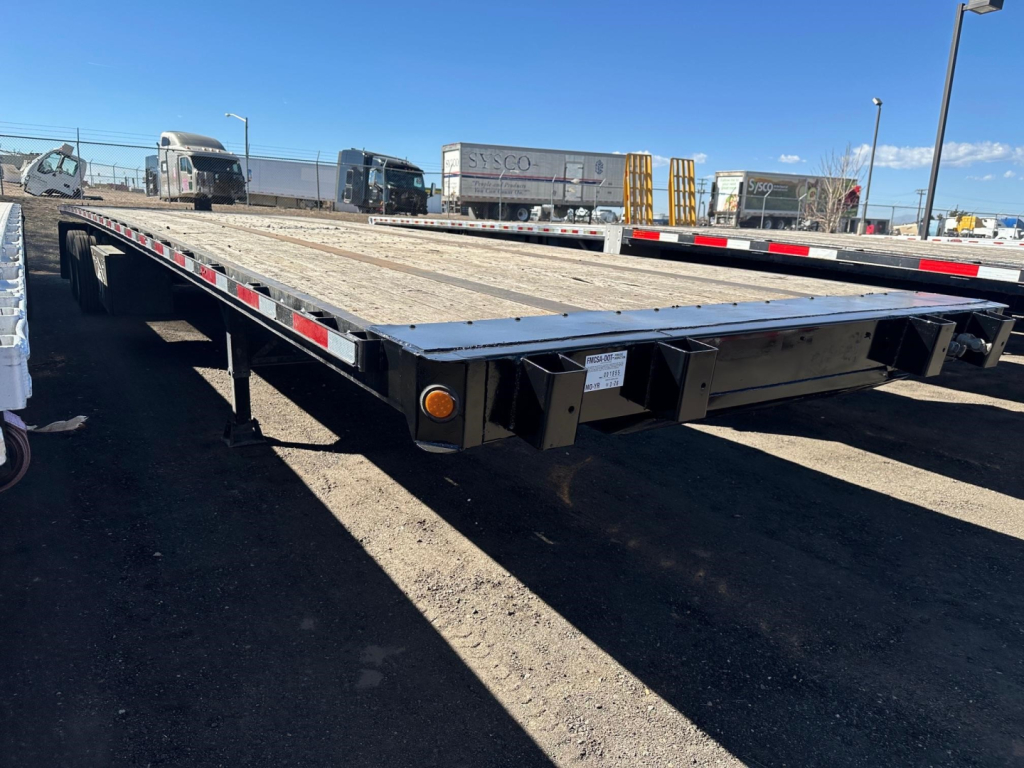
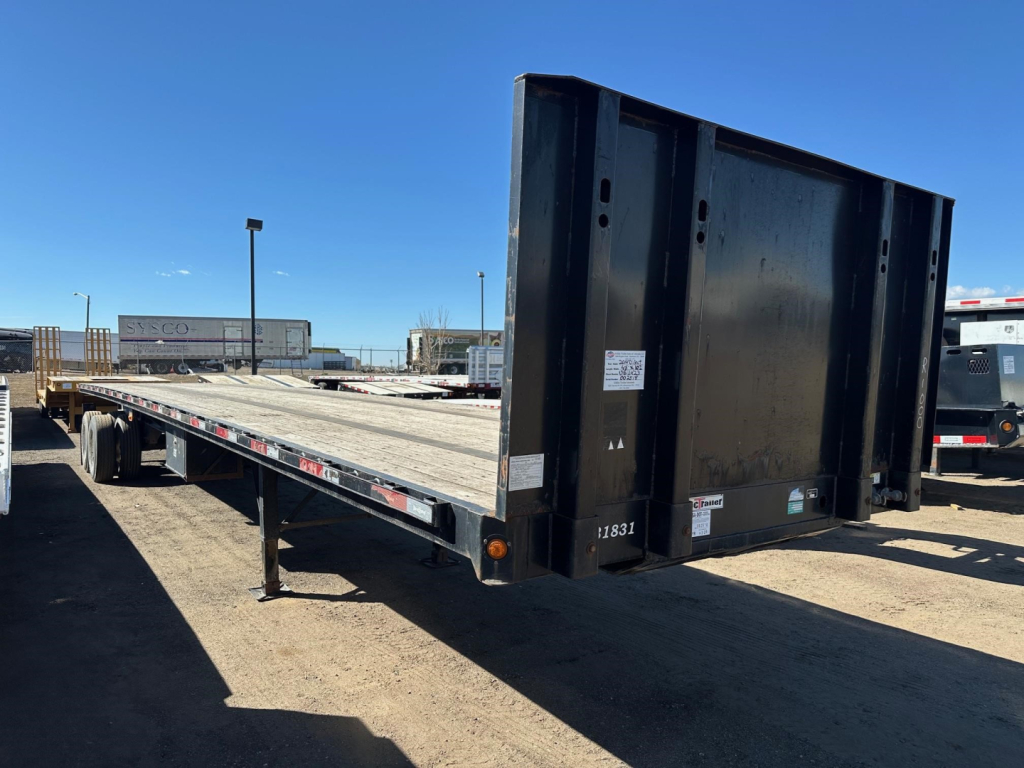
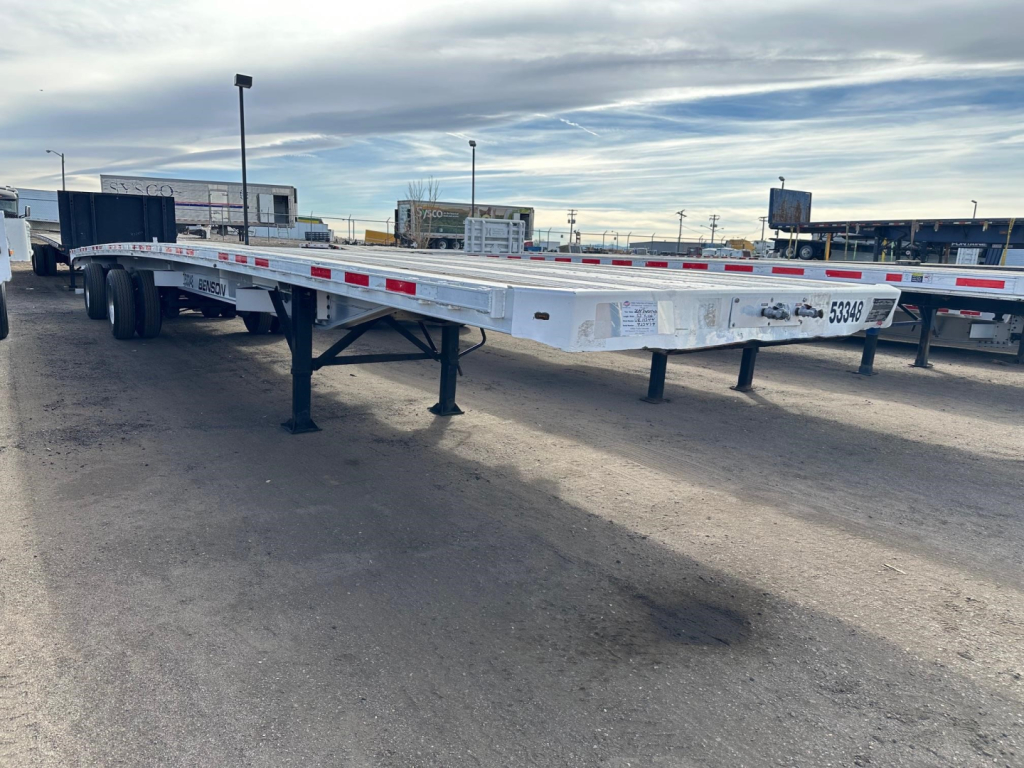
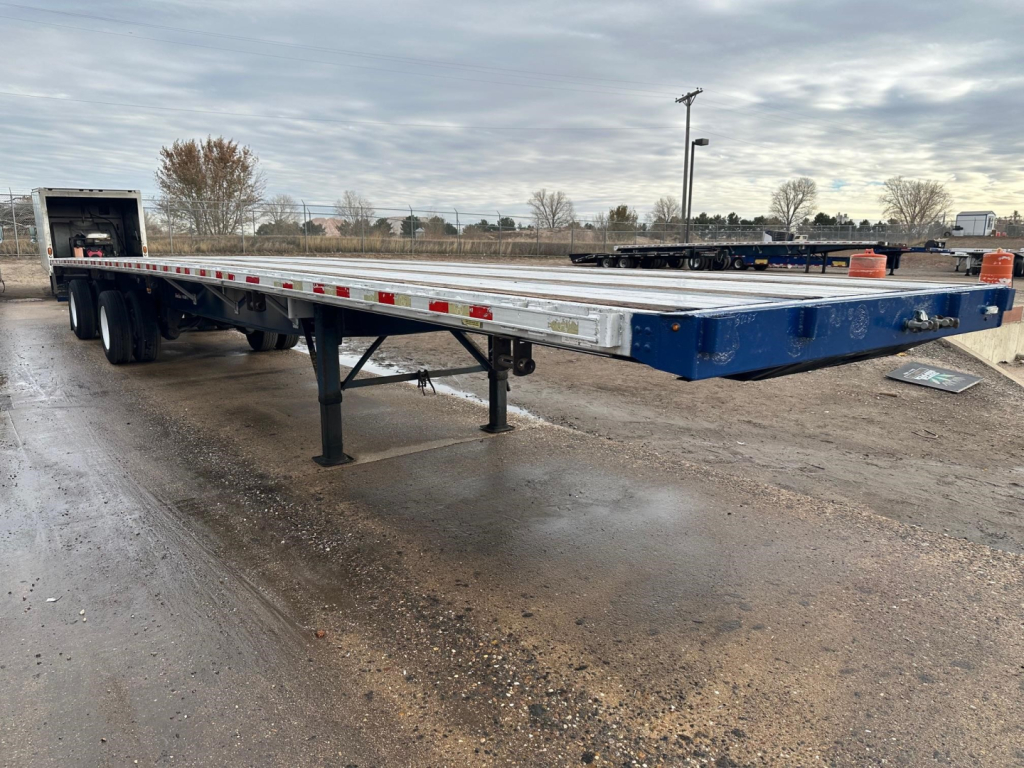
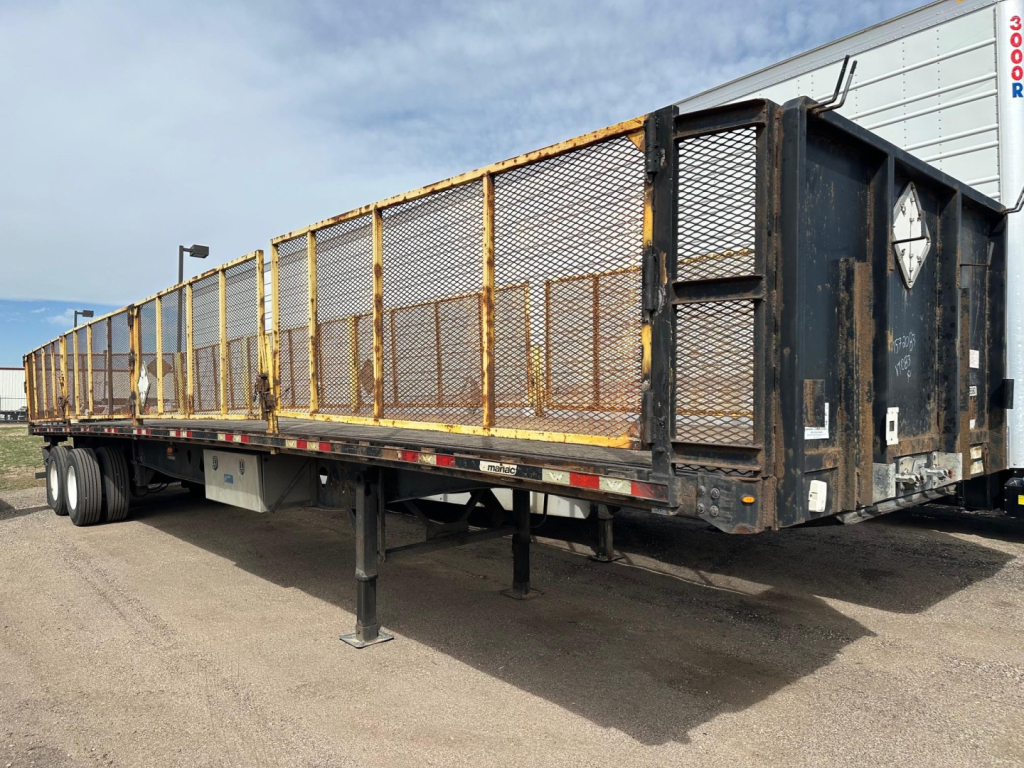
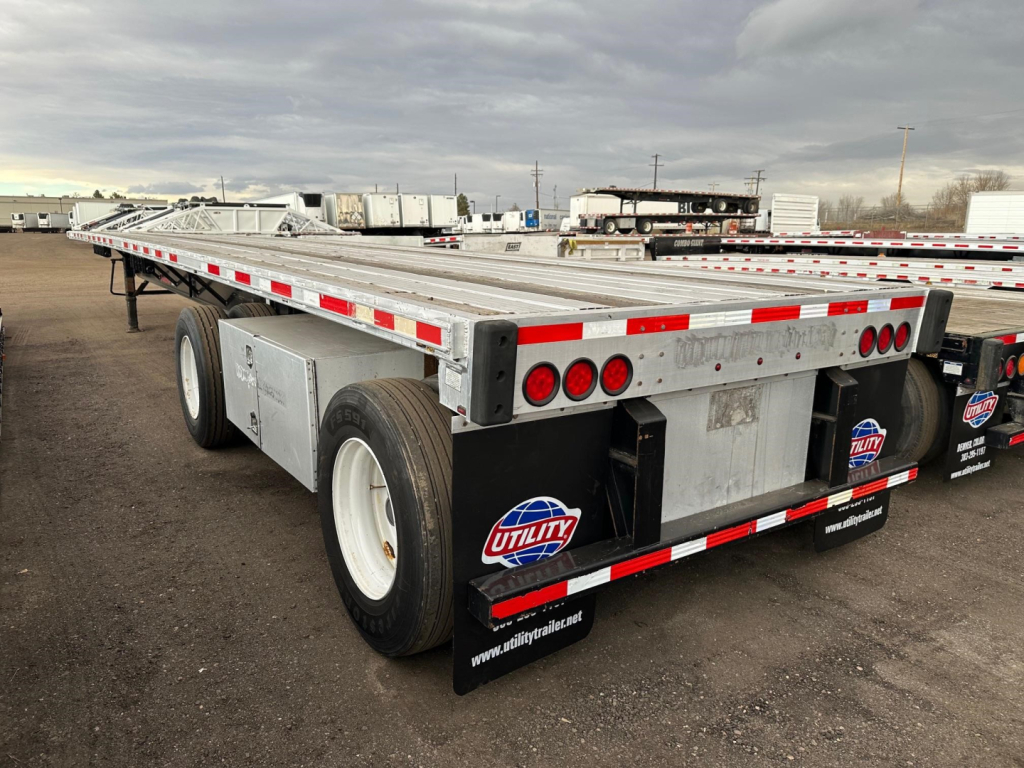
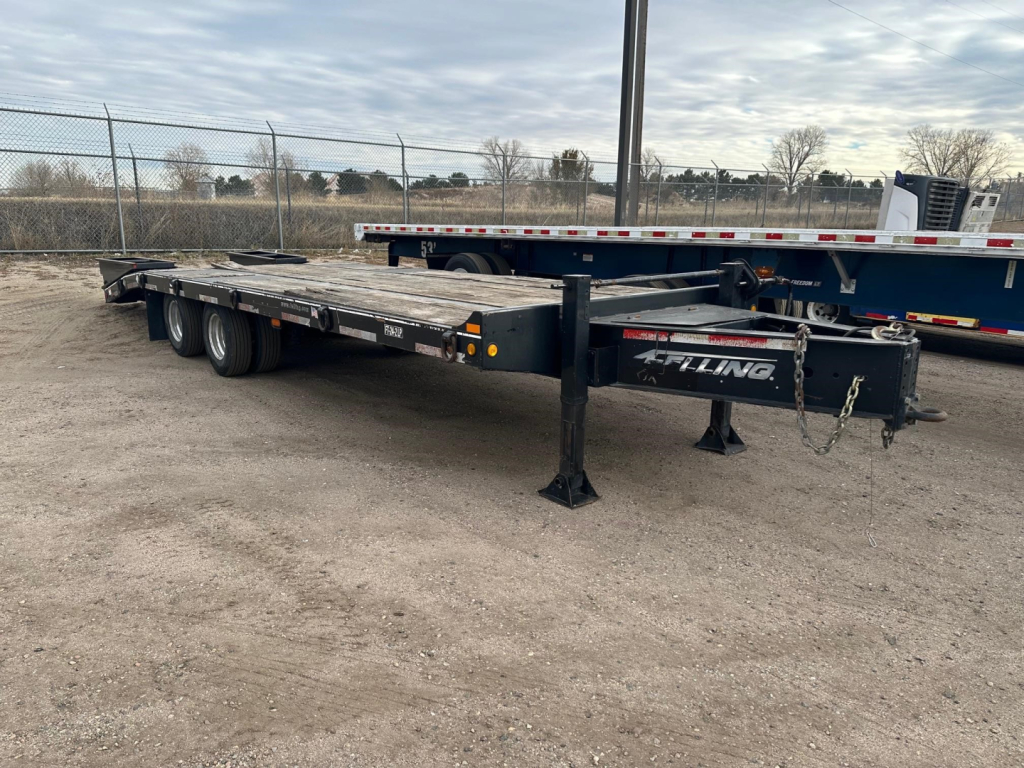
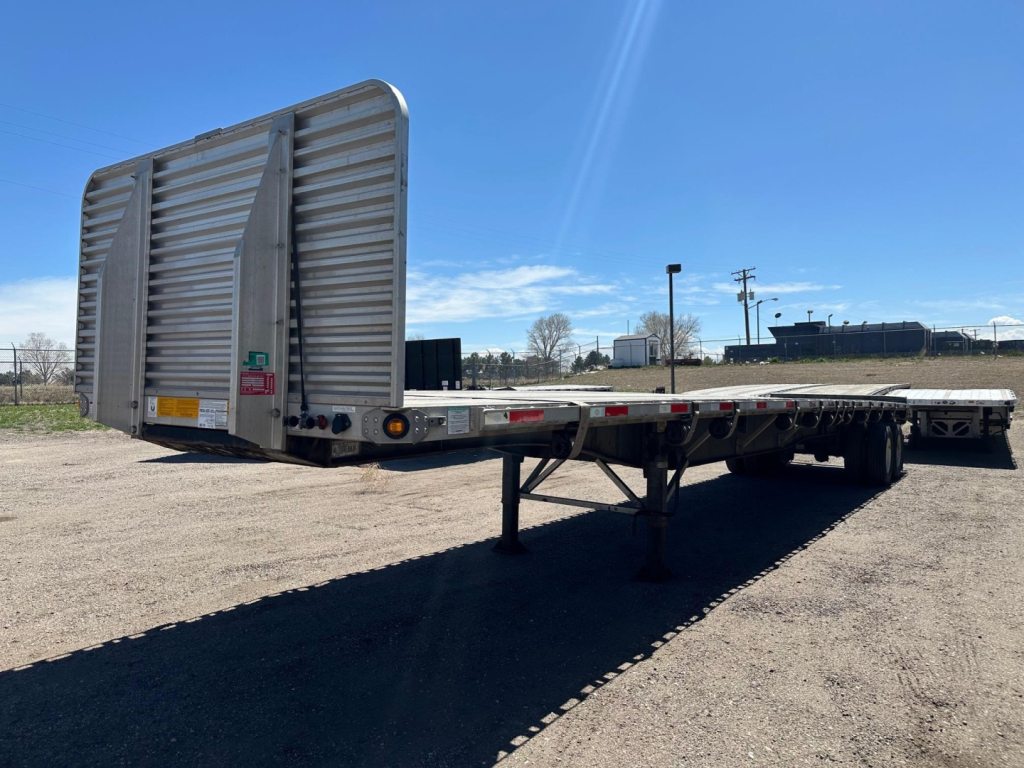
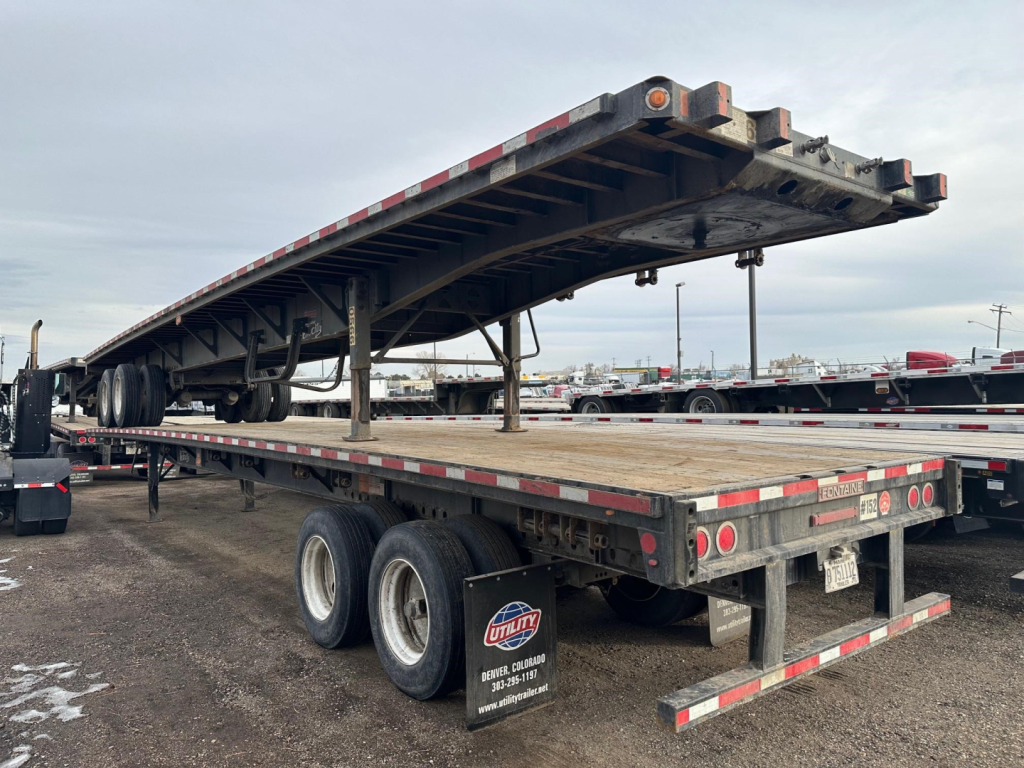
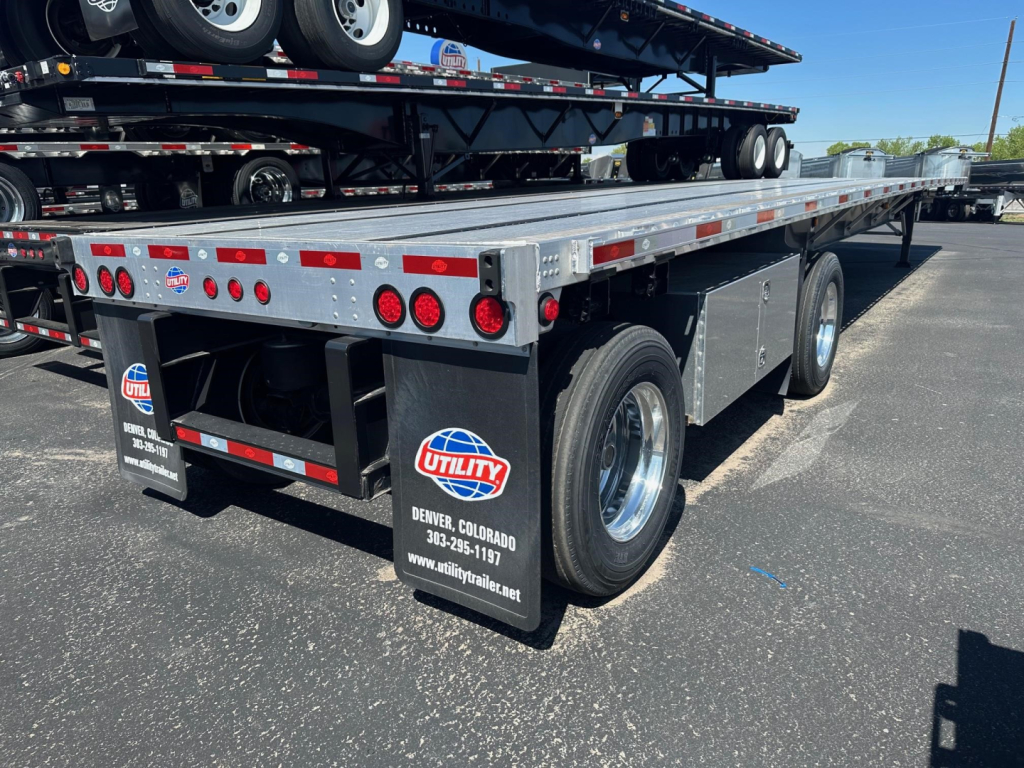
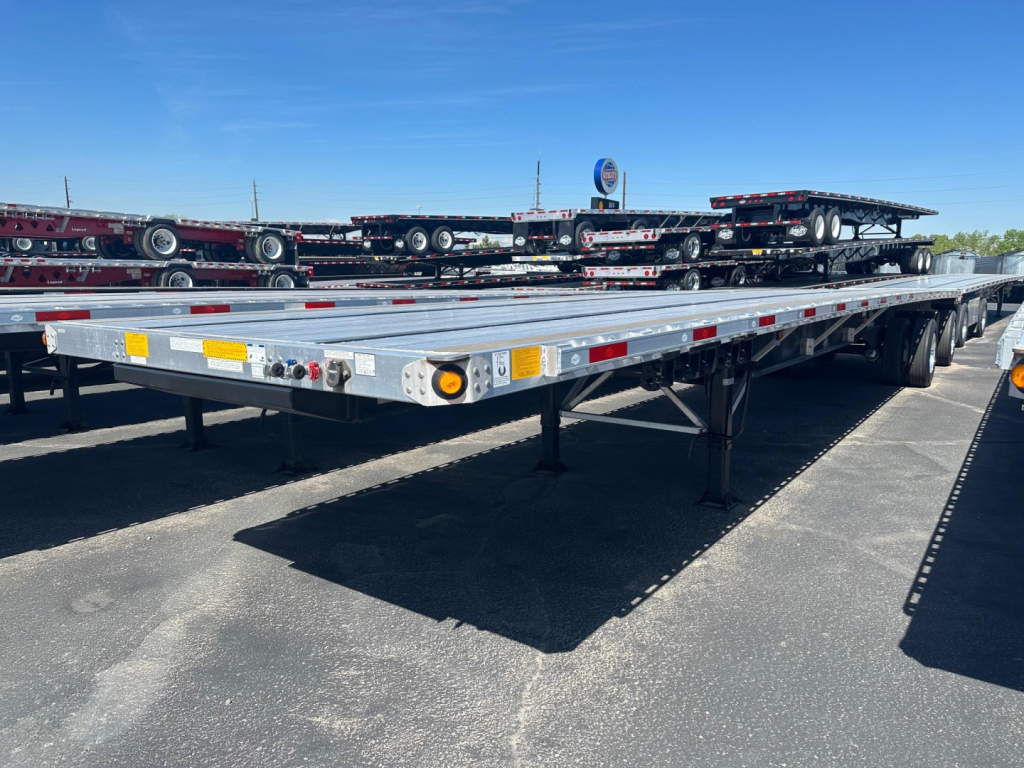
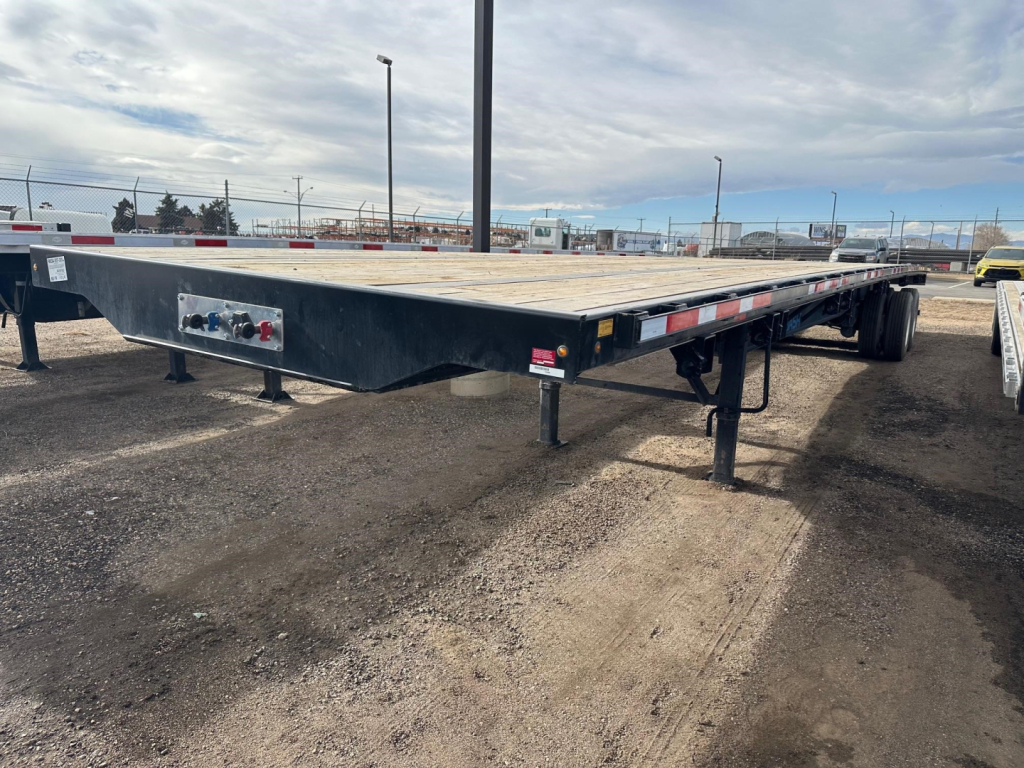
Showing 1 to 28 of 29 results
Selling a used flatbed trailer? List your used flatbed trailer for sale and reach thousands of commercial buyers.
Used Flatbed Trailers in Colorado
Deck details matter as much as the frame. Many used flatbeds in this category come with apitong or other wood decking, while some lightweight combos use aluminum decking with nail strips. Wood decks are popular because they offer traction, are field-repairable, and handle general commodity freight well. Key tie-down features to compare include stake pockets, sliding winches, winch tracks, pipe spools, double pipe spools, rub rails, and dunnage storage. If your freight mix includes coil racks, forklifts, or jobsite unloading, look closely at deck condition, crossmember integrity, and signs of repeated side impact around the rails and pockets.
Suspension and axle configuration have a direct effect on legality and operating flexibility. Closed tandems with sliders are common on general-purpose flatbeds because they allow axle adjustment for bridge compliance and changing load positions. Fixed spread axles, including California legal spread setups, are popular on 53' combo trailers when buyers want strong weight distribution and lower empty weight, but they give up some maneuverability compared with a sliding tandem. Air ride is often preferred for more sensitive freight and higher-speed regional or long-haul work, while spring ride remains a durable, simpler option for rougher service. Tire size, wheel material, PSI tire inflation systems, and brake condition are all worth checking closely on a used trailer because they affect both maintenance cost and uptime.
For Colorado operations, flatbed buyers also need to think about terrain, weather, and securement demands. Mountain grades and mixed seasonal conditions put extra importance on brake performance, suspension condition, tire health, and deck traction. If the trailer will see construction materials, oilfield support, fabricated steel, or machinery moves across the Front Range and into surrounding states, inspect the main beams, kingpin area, landing gear structure, rear frame, and ICC bumper for past stress and repairs. A good used flatbed trailer should match your typical commodity, loading method, and route profile first. The right spec is not just length and price. It is the combination of tare weight, securement hardware, axle spread, ride type, and deck durability that determines how useful the trailer will be day after day.
Frequently Asked Questions about Used Flatbed Trailers in Colorado
What is the difference between a steel flatbed and a combo flatbed trailer?
A steel flatbed uses steel for the primary structure and usually the rails, which makes it heavier but very durable in hard service. A combo flatbed typically uses steel main beams with aluminum side components or decking to reduce empty weight and improve payload. Steel trailers are often chosen for rough loading environments and concentrated freight, while combo trailers are popular for general freight where lighter tare weight improves revenue per load.
Is a spread axle flatbed better than a sliding tandem flatbed?
It depends on the freight and the lanes. A spread axle flatbed can offer strong weight distribution and is common on 53' trailers, including California legal specs, but it is less maneuverable in tight spaces and does not provide the axle adjustment of a sliding tandem. A sliding tandem flatbed is more flexible for bridge laws, varying load placement, and mixed regional work. Buyers should match axle configuration to route restrictions, dock access, and the commodities they haul most often.
What should I inspect first on a used flatbed trailer?
Start with the structural areas that are expensive to repair. Check the main beams, crossmembers, kingpin plate, suspension hangers, axle alignment, and rear frame for cracks, weld repairs, corrosion, or impact damage. Then inspect the deck, rub rails, stake pockets, winches, brakes, tires, lights, and landing gear. On Colorado trailers, it is also smart to look for signs of weather exposure, road treatment corrosion, and brake wear from mountain service.
Why do wood decks remain common on flatbed trailers?
Wood decks remain common because they provide good traction, are practical for forklift loading, and can be repaired in sections instead of replacing a full deck system. Apitong and similar hardwood decking also handle general freight well and work with common securement practices. Buyers should still inspect for rot, soft spots, broken boards, and fastener issues, especially near high-traffic loading areas and around the trailer edges.
What flatbed trailer length is most common for over-the-road freight?
The most common over-the-road flatbed lengths are 48' and 53'. A 48' flatbed remains a versatile general-purpose size, while 53' flatbeds are widely used when shippers want additional deck space and the operating area allows that length. The right choice depends on freight dimensions, state bridge laws, customer requirements, and whether the trailer uses a tandem slider or a fixed spread axle configuration.