
Used Transcraft Flatbed Trailers For Sale in Colorado
Shop used Transcraft flatbed trailers in Colorado. Compare combo, steel, and aluminum specs, spread axles, deck setups, and load securement features.
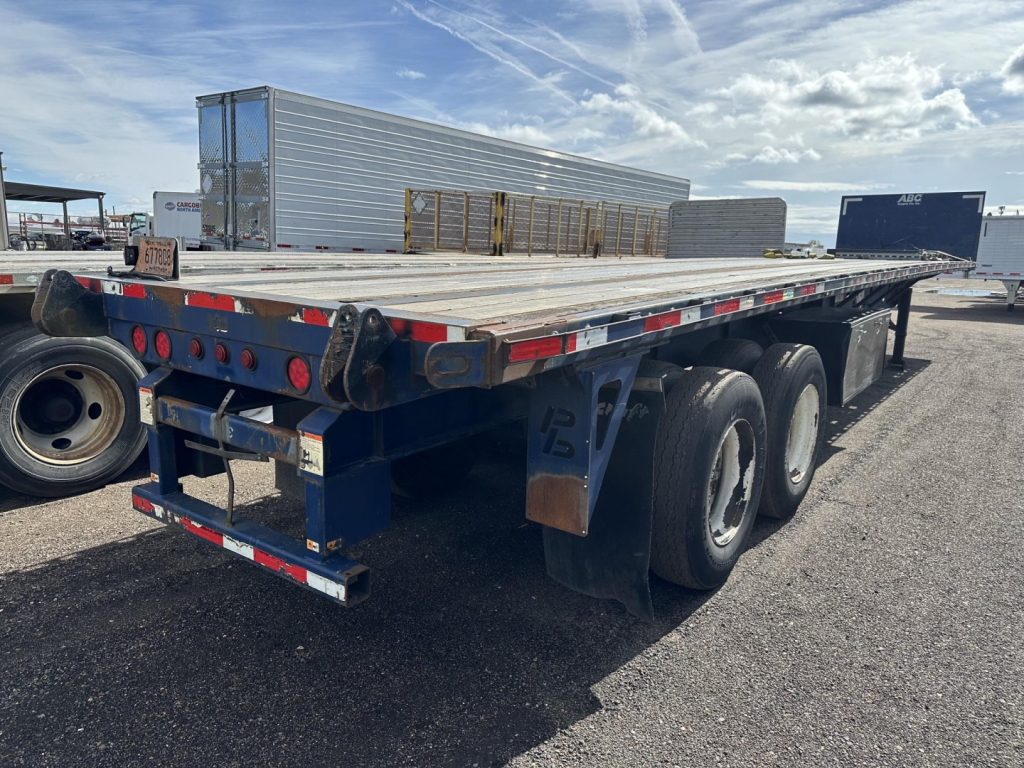
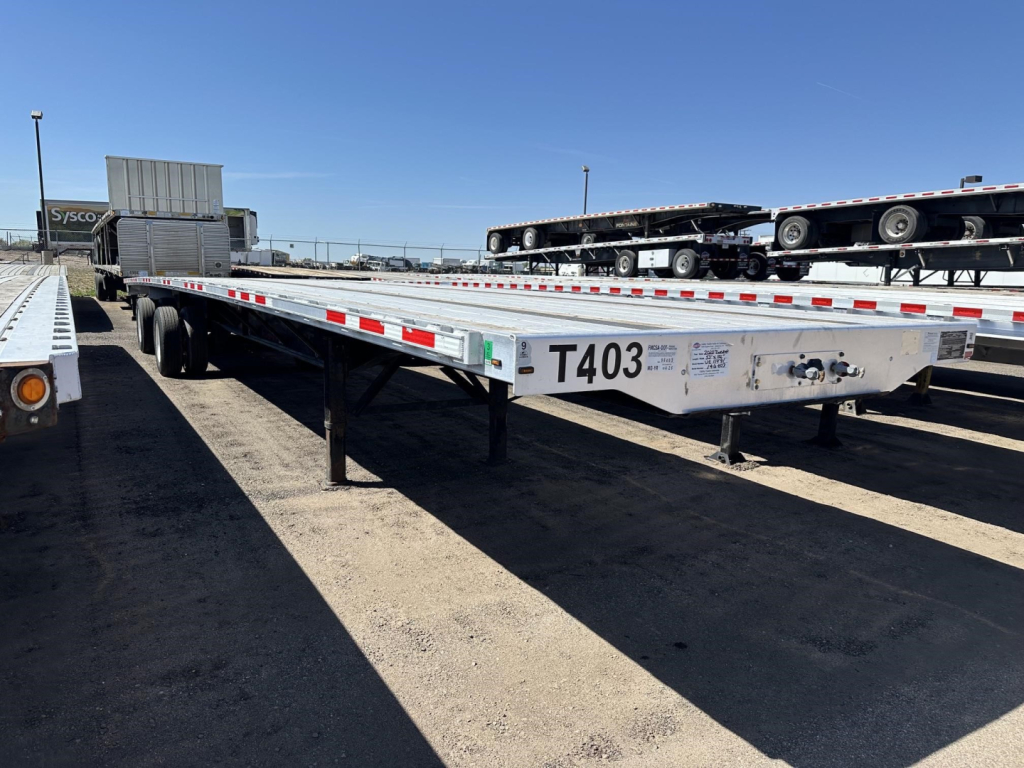
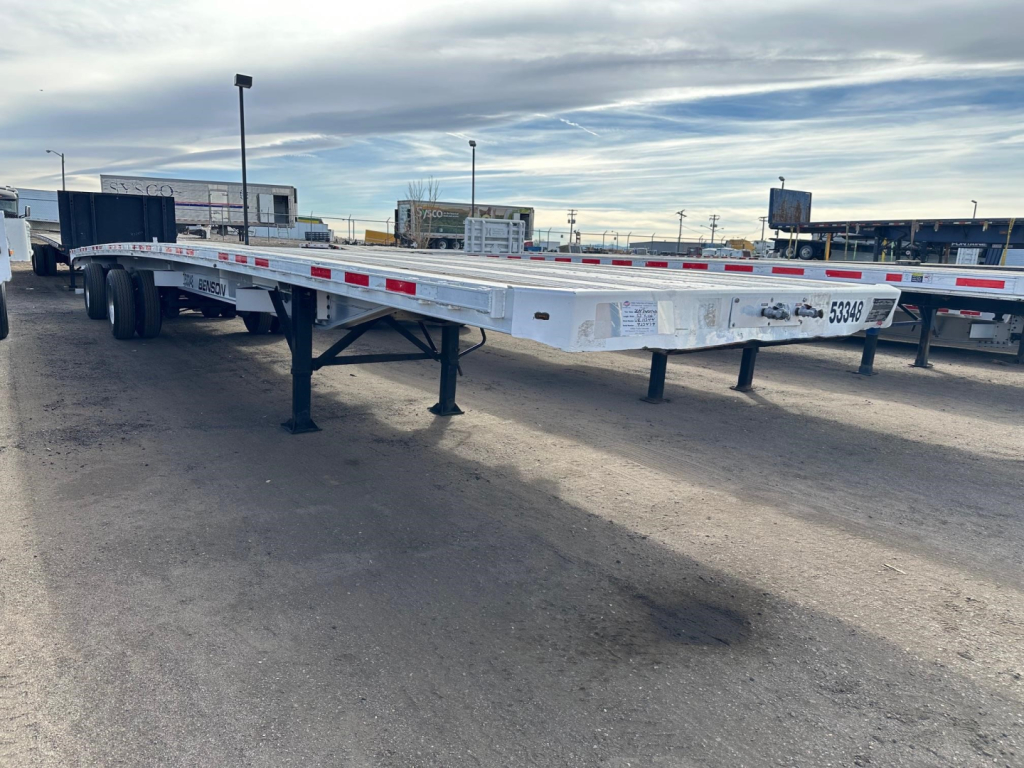
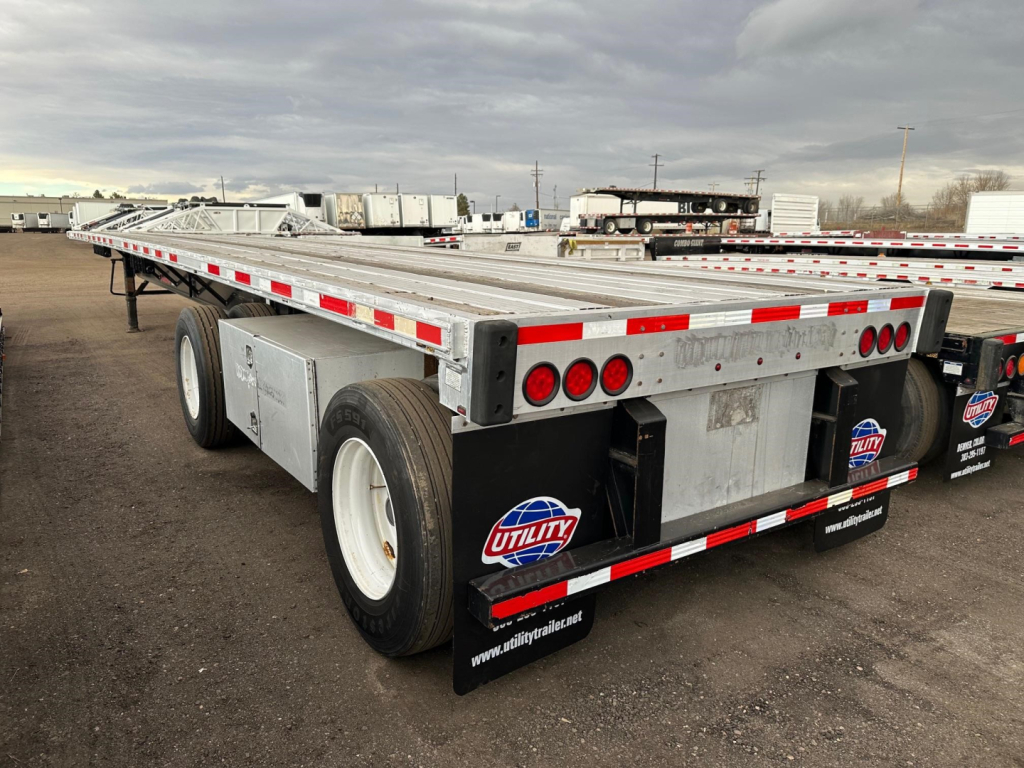
Selling a used transcraft flatbed trailer? List your used transcraft flatbed trailer for sale and reach thousands of commercial buyers.
Used Transcraft Flatbed Trailers in Colorado
One of the first decisions is combo, all-aluminum, or steel construction. A Transcraft combo flatbed typically uses steel main beams with aluminum decking and rails, giving buyers a middle ground between durability and tare weight. All-aluminum models can help maximize payload and resist corrosion, but buyers should inspect main beam condition, crossmember integrity, deck wear, and any signs of prior overload damage. Steel flatbeds tend to be attractive for rugged applications and forklift-heavy loading, especially when paired with a bulkhead or a Moffett forklift kit, though they usually carry more empty weight. Common lengths include 45-foot, 48-foot, and 53-foot decks, with 102-inch width being standard.
Axle configuration and ride type are just as important as deck material. Many used Transcraft flatbeds are spec'd with fixed spread axles or California legal spread setups, which can improve weight distribution and help on certain bridge law requirements, but they also affect turning radius, tire scrub, and dock maneuverability. Closed tandem configurations are simpler in tighter yards and urban deliveries. Air ride is generally preferred for ride quality and cargo protection, while spring ride can still make sense for tougher applications and lower acquisition cost. Tire size, wheel material, and brake condition should all be reviewed closely on a used trailer, along with suspension wear points, bushings, slack adjusters, and wheel-end service history.
Securement features often decide how versatile a flatbed will be in daily service. Many Transcraft trailers are equipped with sliding winches, stake pockets, pipe spools, nail strips, and tool boxes, all of which expand the range of freight the trailer can handle. A bulkhead can add protection for certain loads, and deck condition is especially important if the trailer will see forklifts repeatedly. Buyers comparing used Transcraft flatbed trailers should focus on frame straightness, deck life remaining, tire and brake replacement needs, and whether the trailer's axle spread and overall spec match the freight lanes they actually run. A well-matched flatbed is less about brand name alone and more about getting the right balance of payload, durability, securement flexibility, and legal compliance for the work.
Frequently Asked Questions about Used Transcraft Flatbed Trailers in Colorado
What should I look for when buying a used Transcraft flatbed trailer?
Start with the structure. Inspect the main beams, crossmembers, outriggers, rear frame, and suspension mounts for cracks, repairs, corrosion, or signs of overload. Check deck wear, especially around forklift traffic areas, winch track condition, stake pockets, pipe spools, and any bulkhead mounting points. On the running gear side, review tire age and wear pattern, brake lining and drum or rotor condition, air system leaks, and wheel-end maintenance. A used flatbed's value often depends less on model year and more on remaining deck life, structural condition, and whether its axle layout and tare weight fit the loads you plan to haul.
What is the difference between a combo flatbed and an all-aluminum flatbed?
A combo flatbed usually has steel main beams with aluminum decking and side rails. That design aims to balance strength, repairability, and lower weight than a full steel trailer. An all-aluminum flatbed is lighter and can increase payload capacity, which matters for weight-sensitive freight. The tradeoff is that buyers need to pay close attention to beam condition, prior repairs, and overall structural fatigue on older aluminum trailers. For many operations, the right choice depends on freight type, route conditions, and how much payload advantage is worth compared with heavier-duty construction.
Are spread axle Transcraft flatbeds better than closed tandem models?
Neither is automatically better. Spread axle flatbeds can offer better weight distribution and are common in many open-deck applications, especially on 48-foot and 53-foot trailers. They can also help meet certain bridge and state requirements when properly spec'd. The downside is increased tire scrub and a wider turning footprint, which can be a disadvantage in tight yards or urban deliveries. Closed tandem trailers are often easier to maneuver and may be simpler for operations that prioritize flexibility in confined areas over axle spread benefits.
Why do California legal flatbeds matter on the used market?
California legal flatbeds are built to meet dimensional and axle-spacing requirements that matter for operators running in or through California. On the used market, that spec can make a trailer more versatile for western fleets that need compliant axle spreads without moving into a different trailer class. Even outside California, buyers may still find value in that setup depending on freight lanes and state bridge considerations. The main point is to confirm the trailer's axle spacing and overall configuration align with the states and load profiles you actually run.
Which Transcraft flatbed features matter most for load securement?
Sliding winches, stake pockets, pipe spools, nail strips, and a sound deck are the core features most buyers should evaluate first. Sliding winches improve flexibility for different freight lengths and tie-down points. Stake pockets and pipe spools expand securement options for lumber, pipe, steel, and palletized cargo. Nail strips help with temporary blocking and load positioning. Tool boxes add practical storage for straps, chains, binders, and edge protection. The most useful securement package is the one that matches your regular freight, because adding missing features later can increase cost and downtime.