
Used Transcraft Flatbed Trailers For Sale
Shop used Transcraft flatbed trailers with common specs, applications, axle setups, deck materials, and securement features buyers compare.
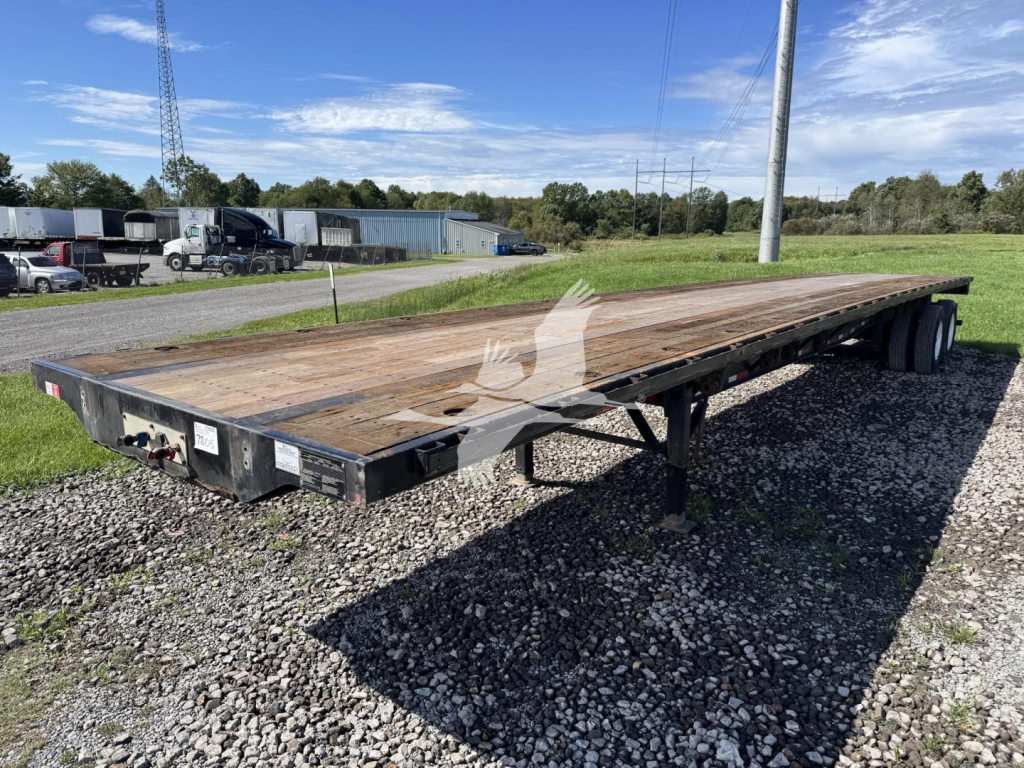
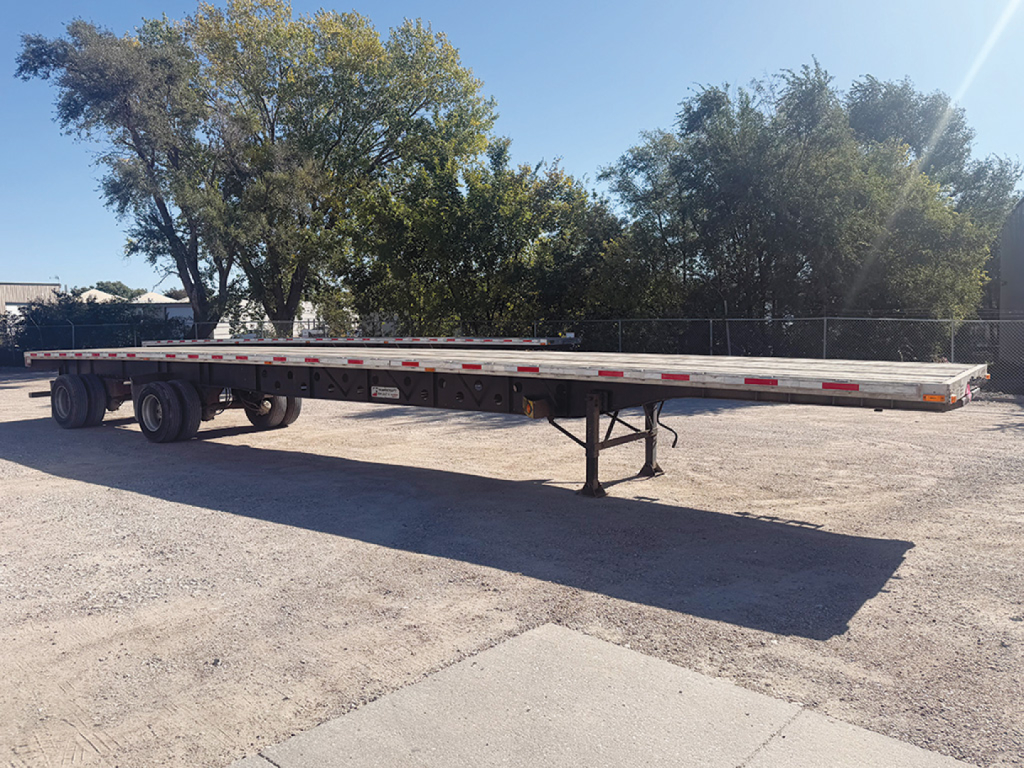
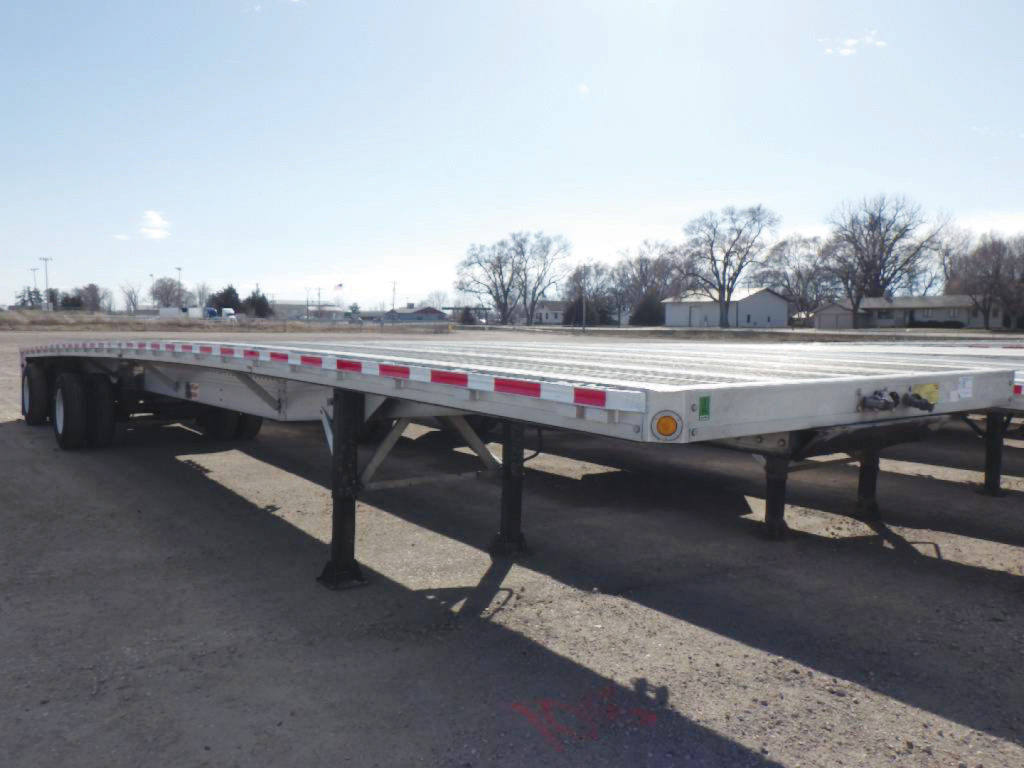
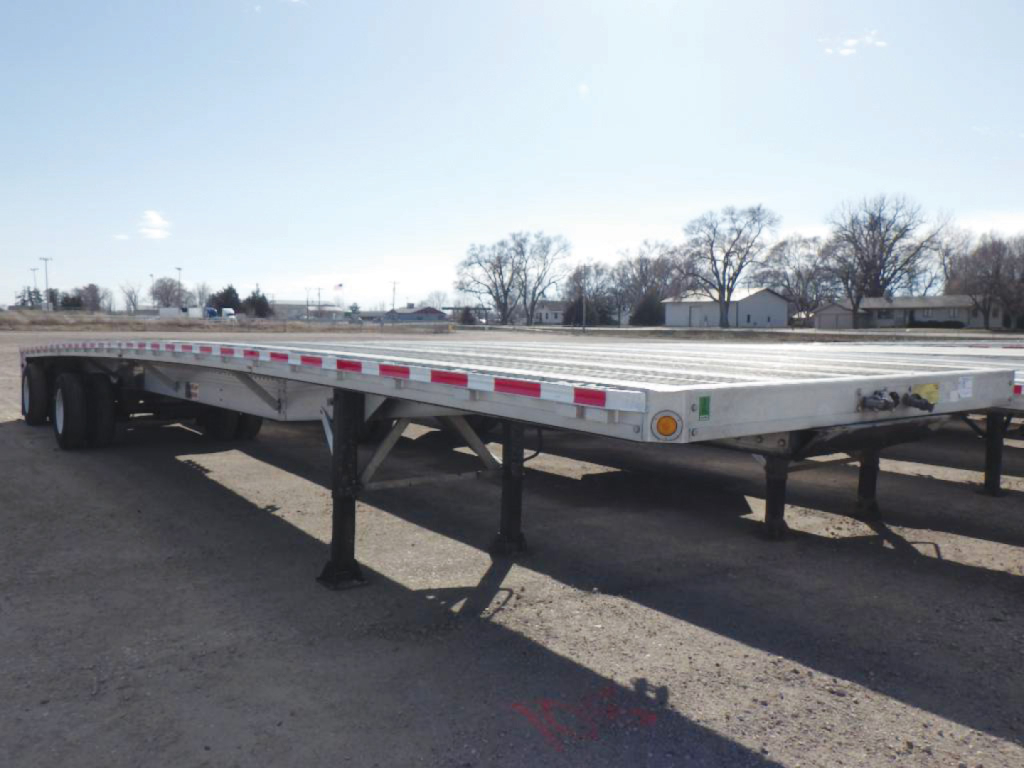
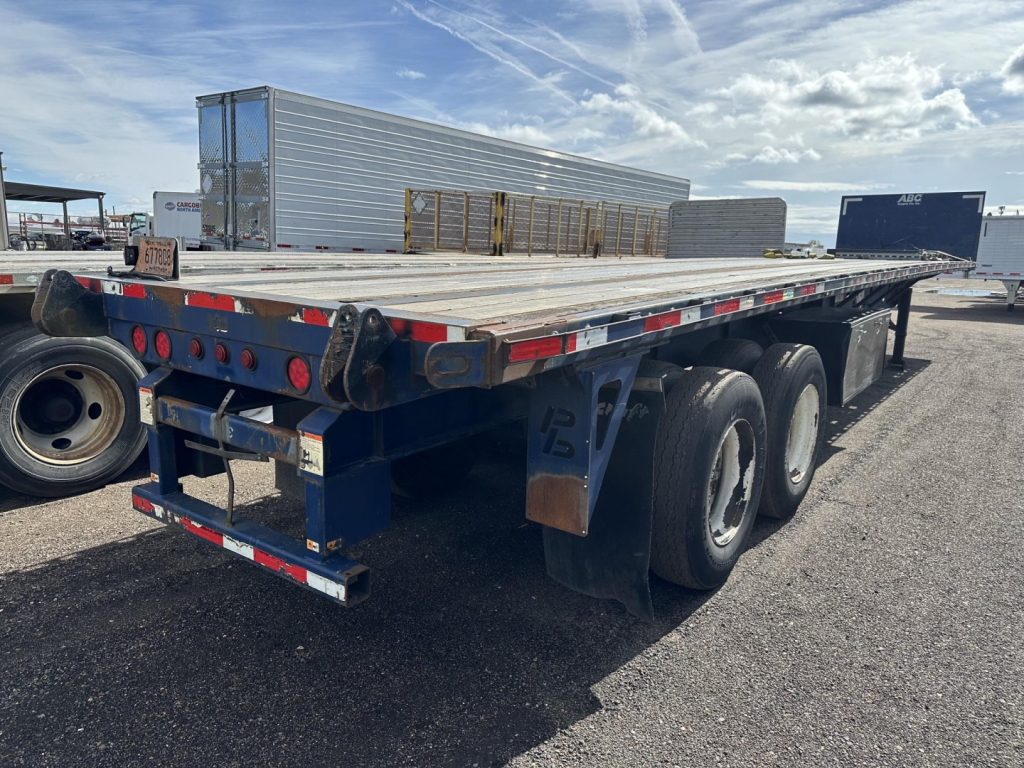
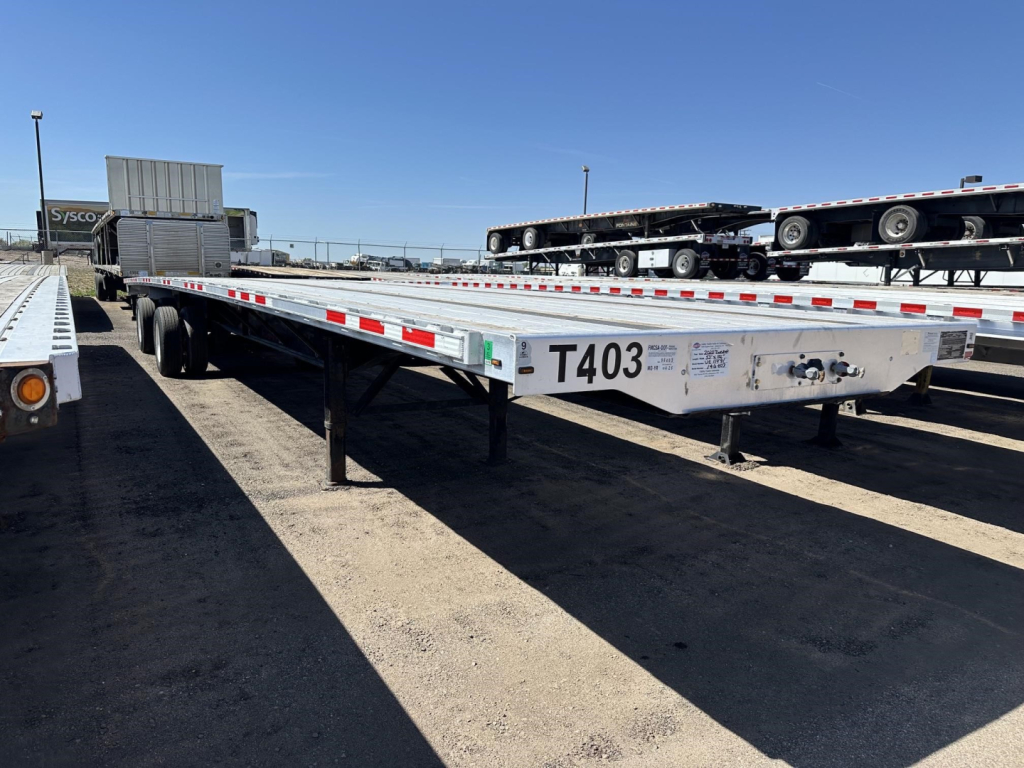
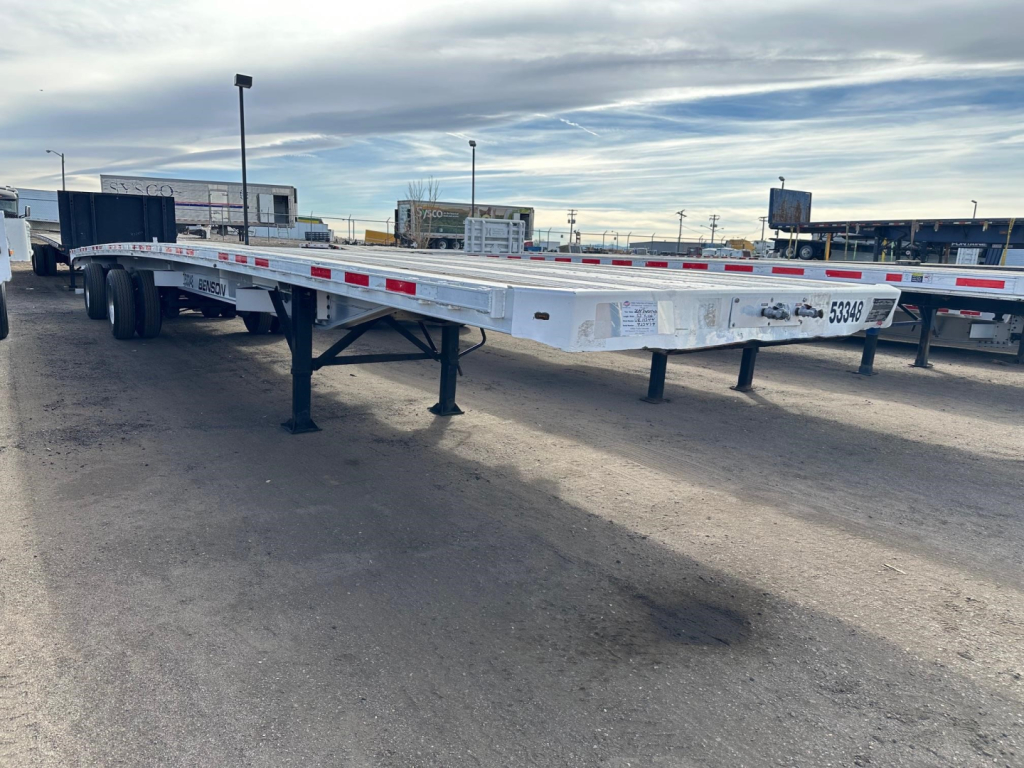
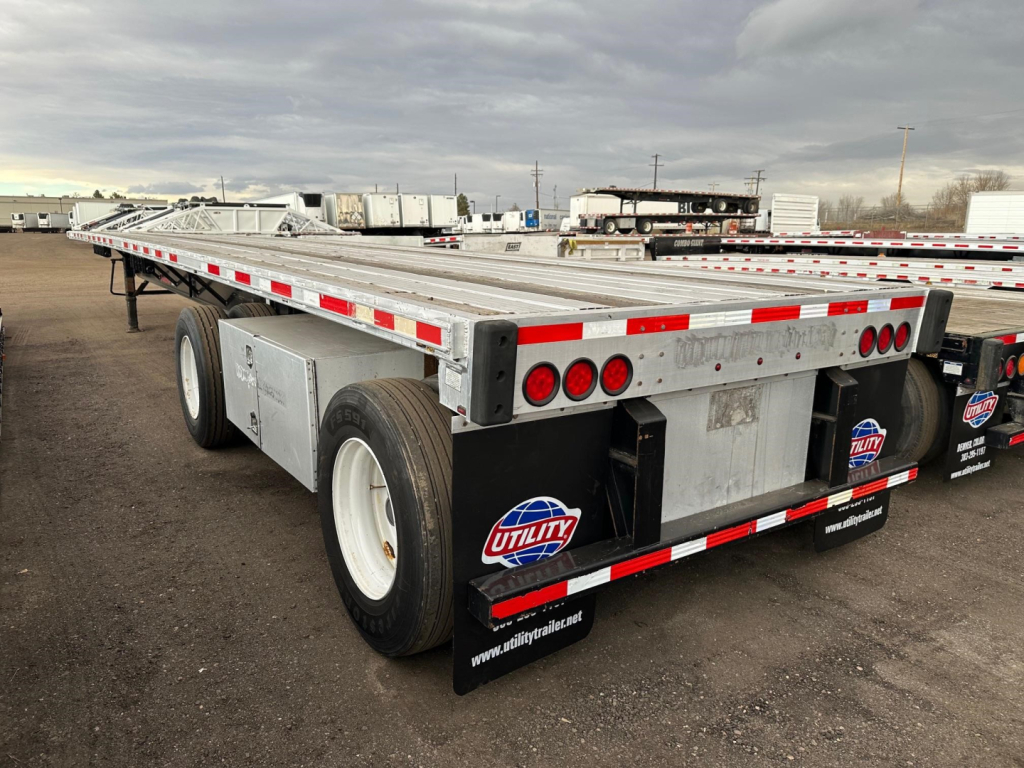
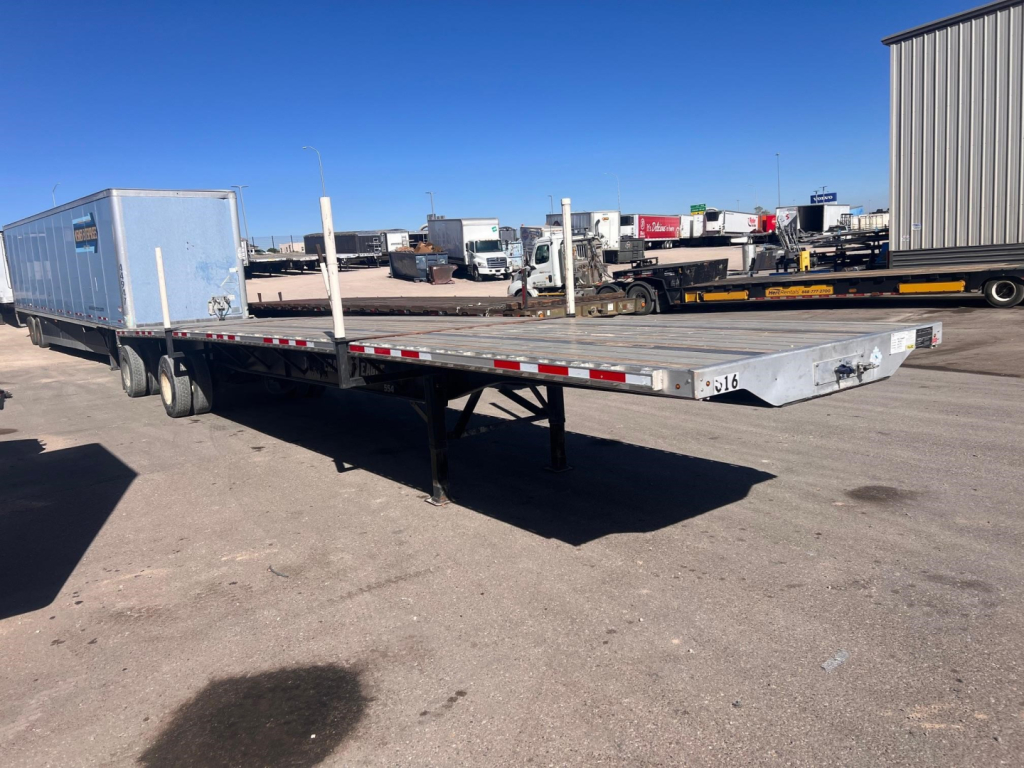
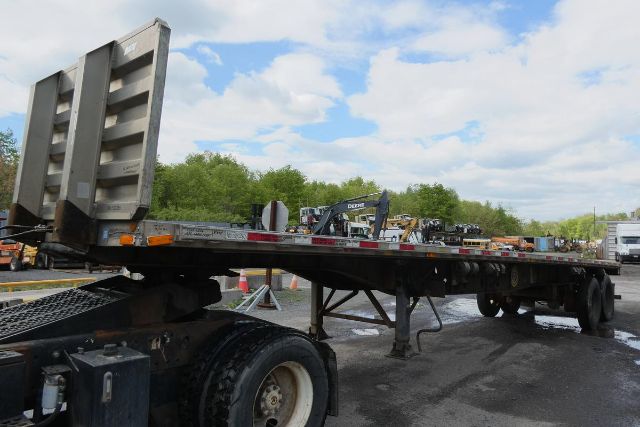







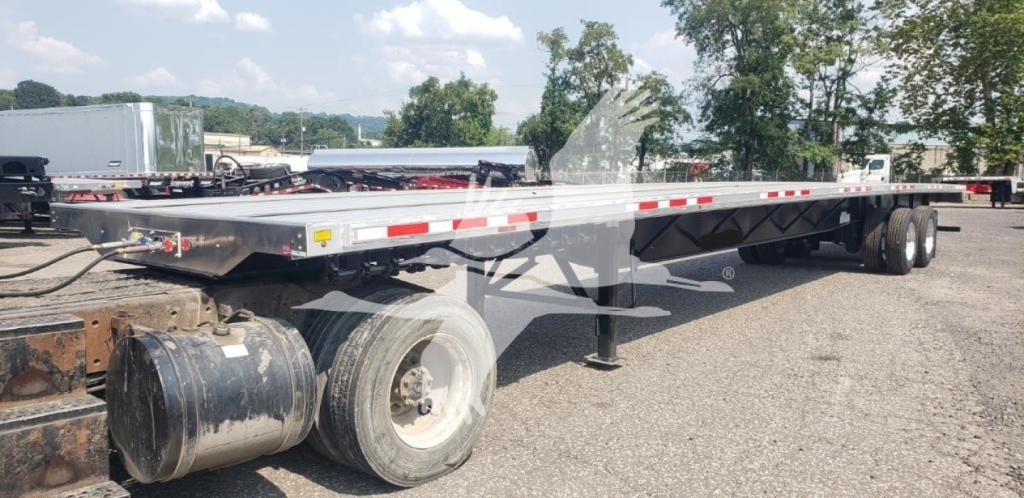
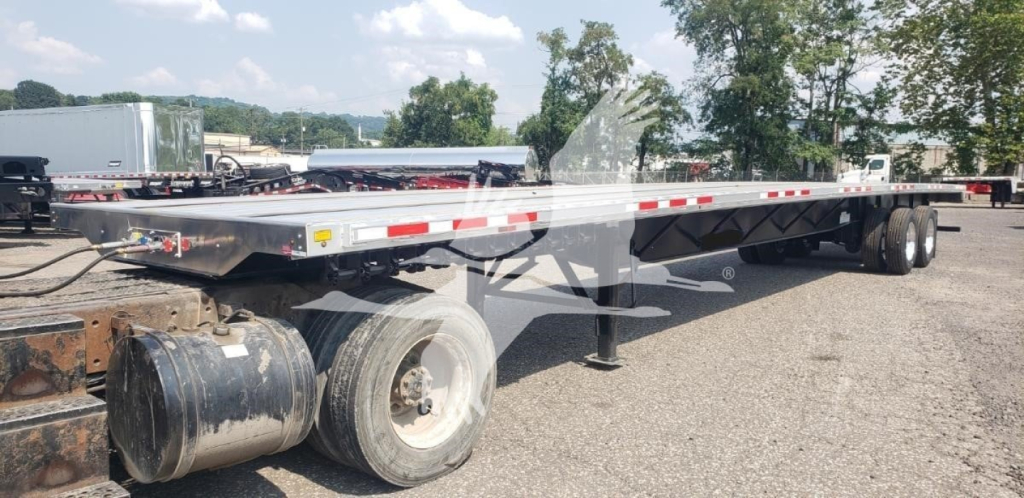
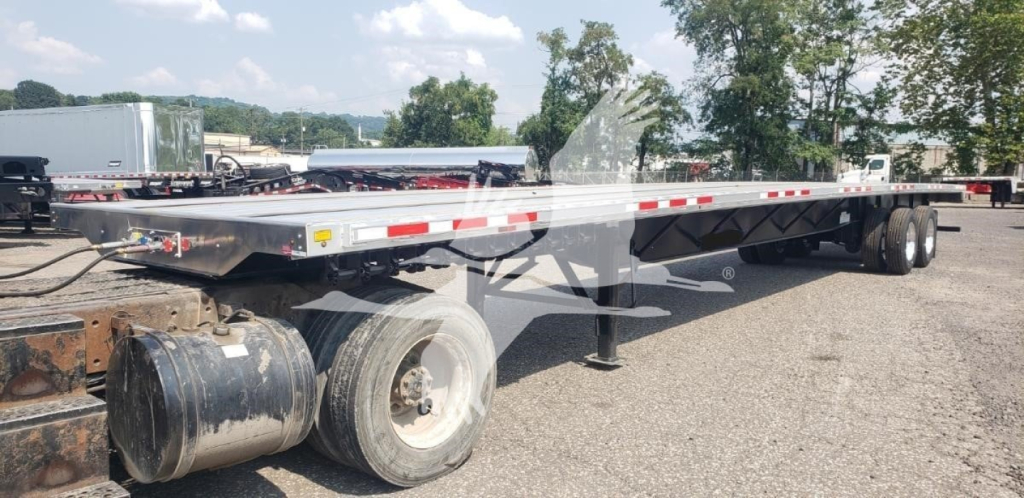
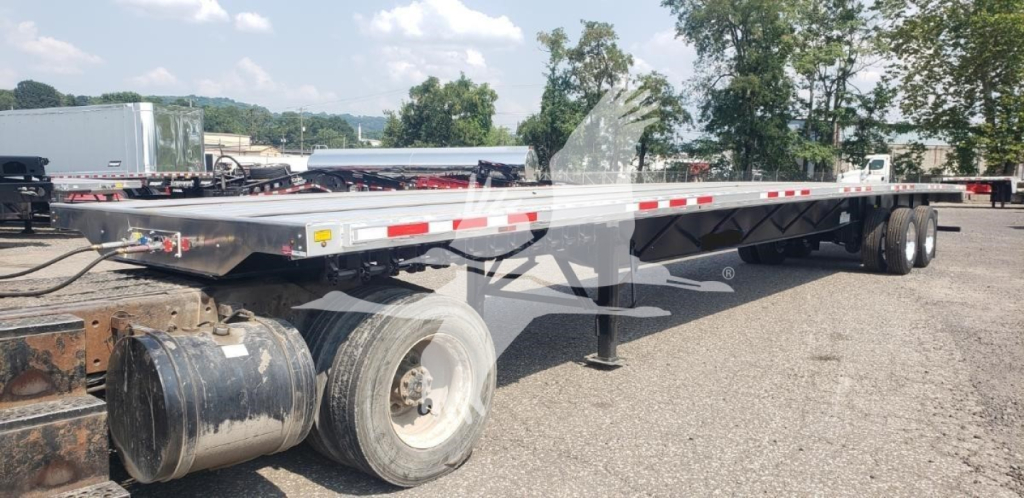
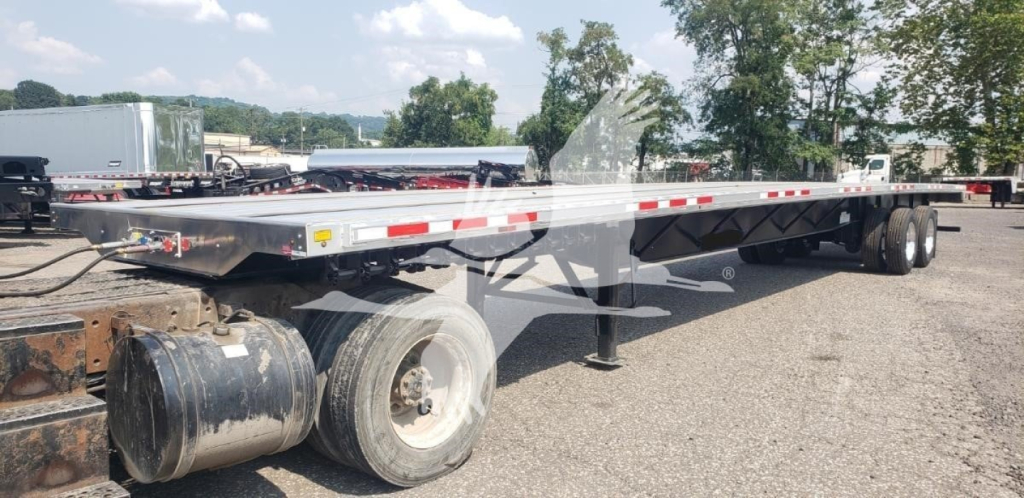

Selling a used transcraft flatbed trailer? List your used transcraft flatbed trailer for sale and reach thousands of commercial buyers.
Used Transcraft Flatbed Trailers
A lot of the buying decision comes down to deck layout and axle configuration. Transcraft flatbeds are commonly spec'd with fixed spread axles, spread sliders, or closed tandem setups, and each one affects bridge compliance, tire wear, maneuverability, and state-by-state legality. California-legal 53-foot trailers show up in this segment, and kingpin setting is worth checking closely if you run in states with stricter bridge rules. Suspension can vary between air ride and spring ride. Air ride is often preferred for more delicate freight and better ride quality, while spring ride may suit buyers focused on simplicity and lower maintenance.
Securement features are where one used flatbed can differ sharply from another. Common Transcraft specs include sliding winch tracks, sliding winches, stake pockets, double pipe spools, coil packages, nail strips, and toolbox options. Decking may be aluminum, wood, Apitong, or mixed-floor construction, so it is smart to inspect floor condition, crossmember spacing, side rails, and any evidence of concentrated coil or forklift damage. Buyers should also pay close attention to wheel material, tire size such as 22.5 low-pro or 11R22.5 and 11R24.5, brake condition, landing gear, and the overall state of the air system on used units, especially on older trailers with air ride suspensions.
Transcraft is well known in the flatbed trailer market for straightforward work-trailer specs that are familiar to most fleets and owner-operators. When comparing used models, tare weight, beam rating, deck height, and load compatibility usually matter more than model year alone. A lighter 53-foot all-aluminum flatbed may make sense for maximizing revenue on legal-weight freight, while a 48-foot combo or steel trailer may be the better match for denser freight, rougher yards, or regional runs where purchase price and repair practicality drive the decision.
Frequently Asked Questions about Used Transcraft Flatbed Trailers
What should I look for first on a used Transcraft flatbed trailer?
Start with structure and securement. Check the main beams, crossmembers, side rails, floor condition, winch track, stake pockets, and suspension mounts for cracks, corrosion, repairs, or distortion. Then verify axle type, kingpin setting, tire size, brake condition, and wheel condition. On used flatbeds, damage from forklifts, overloaded coils, and repeated side loading can tell you more than the model year.
Are Transcraft flatbeds available in aluminum, steel, and combo construction?
Yes. Used Transcraft flatbed trailers commonly appear as all-aluminum, all-steel, or combo aluminum-steel units. Aluminum trailers generally reduce tare weight and help maximize payload. Steel trailers can be attractive for lower upfront cost and durability in harsher service. Combo trailers try to balance weight savings with structural strength, which is why they remain popular in general freight applications.
Is a 48-foot or 53-foot Transcraft flatbed better?
It depends on freight and operating area. A 53-foot flatbed offers more deck space and is common in national freight lanes, but legal length and bridge considerations can matter, especially in states with stricter trailer rules. A 48-foot flatbed is still widely used for steel, machinery, and regional freight, and it can be easier to route in tighter operating environments. The right choice usually comes down to freight profile, customer requirements, and state compliance.
What axle setup is common on used Transcraft flatbeds?
Fixed spread axles, spread sliders, and closed tandem configurations are all common on used Transcraft flatbeds. Spread setups can help with weight distribution and bridge compliance, but they can add tire scrub in tight turns. Sliding tandems or spread sliders offer more flexibility for different loads and jurisdictions. Buyers should confirm the suspension type and make sure any sliding mechanism or air ride system is functioning correctly before purchase.
What flatbed features are most useful for steel or coil hauling?
For steel service, buyers often prioritize a coil package, double pipe spools, sliding winches, strong side rails, and a durable deck with good floor integrity. Winch placement, tie-down flexibility, and deck condition are critical because steel freight creates concentrated load points and high securement demands. A trailer that already has the right securement hardware can reduce setup costs and get it into service faster.