
Used 2016 Transcraft Flatbed Trailers For Sale
Browse used 2016 Transcraft flatbed trailers. Compare combo and aluminum specs, axle setups, deck features, and securement options.
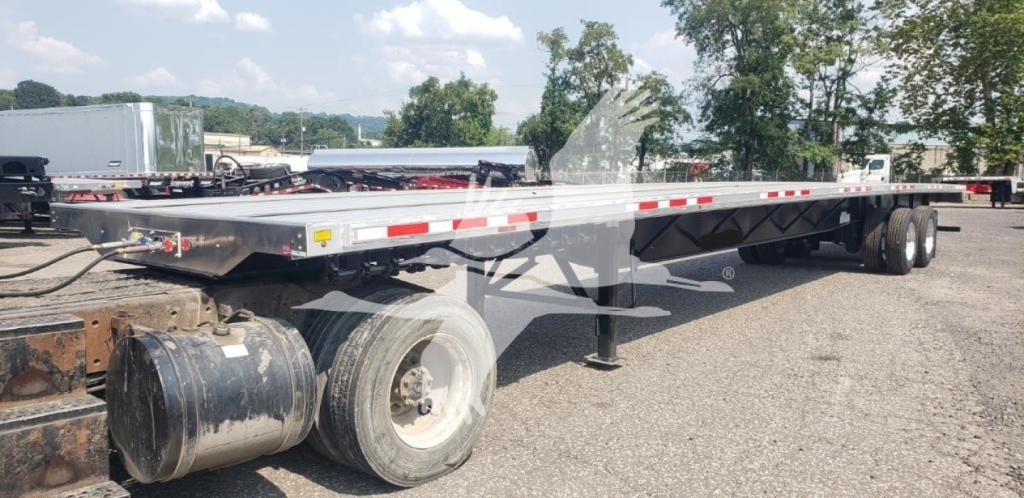
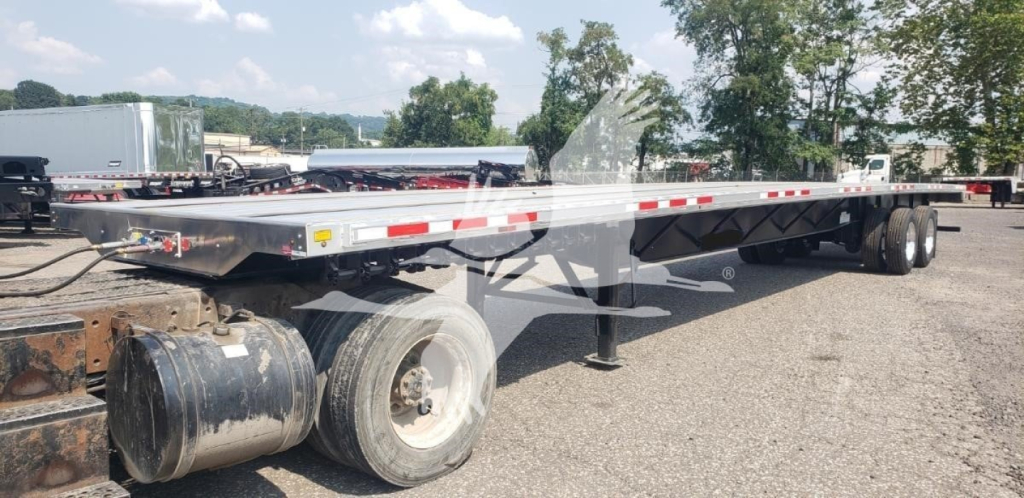
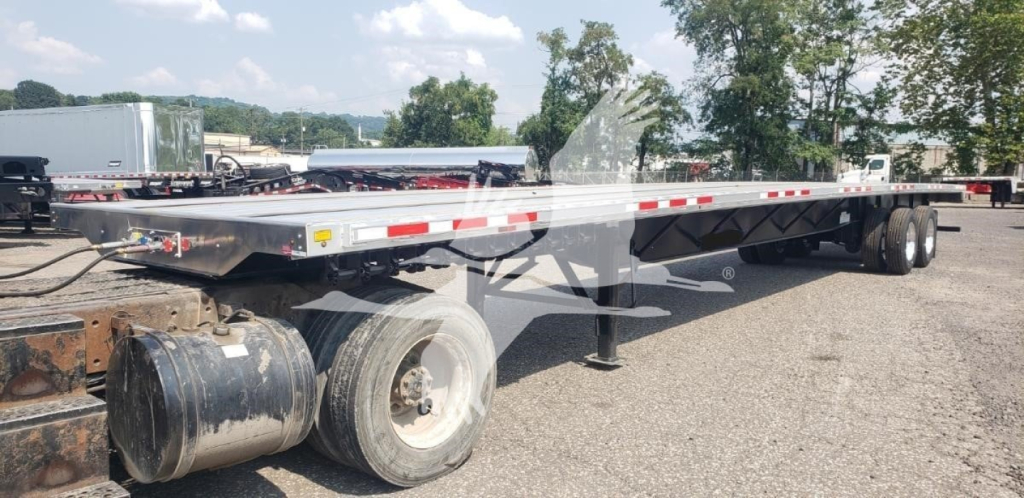
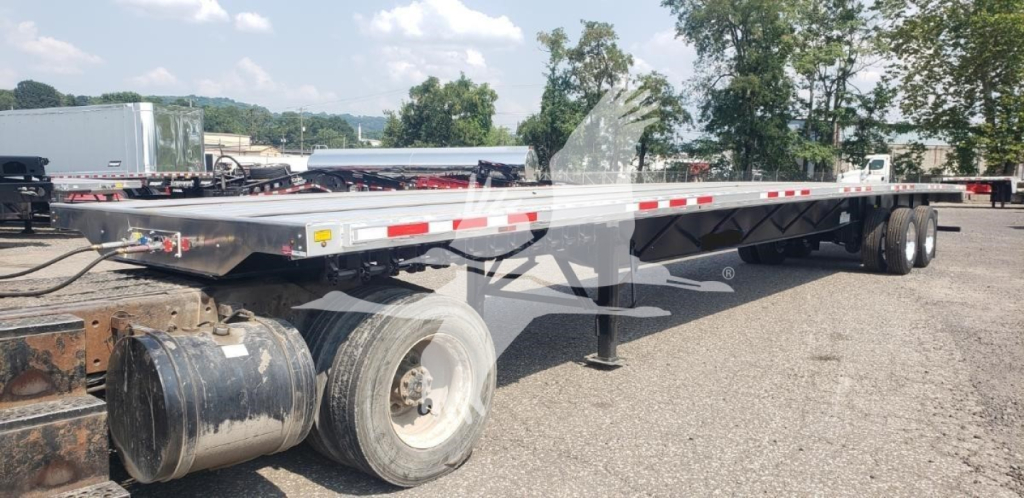
Selling a used 2016 transcraft flatbed trailer? List your used 2016 transcraft flatbed trailer for sale and reach thousands of commercial buyers.
Used 2016 Transcraft Flatbed Trailers
Deck and securement layout matter as much as the frame. Many Transcraft flatbeds from this era are equipped with apitong flooring or aluminum deck sections, nail strips, stake pockets, pipe spools, and sliding winches. Some are built with a full winch track on one side and tie bar arrangements on the other, which affects how quickly drivers can secure mixed freight. Crossmember spacing, often around 12 inches on center, helps support concentrated loads and contributes to overall deck feel under forklifts. If the trailer will handle coils, lumber, steel products, or machinery, look closely at coil package equipment, beam rating, side rail condition, and any signs of deck wear around high-traffic loading zones.
Suspension and axle layout are another major consideration on a 2016 used flatbed. Spread axle and spread slider air-ride setups are common on Transcraft trailers, including California legal spread configurations for operators running western states. Air ride is preferred by many fleets for ride quality and freight protection, but buyers should still inspect suspension components, axle alignment, bushing wear, ride height, and tire wear patterns. Kingpin setting, landing gear brand and condition, wheel material, and tire size also affect how the trailer fits into an existing fleet spec. A 48-foot spread axle flatbed may suit regional steel or building supply work, while a 53-foot setup can offer more deck space for longer freight and broader load planning.
On a used 2016 unit, condition is everything. Pay attention to frame corrosion, cracked welds, deck fasteners, side rail damage, light wiring, ICC bumper condition, and the operation of winches and landing gear. Flatbeds tend to show their history clearly, so a careful inspection can tell you a lot about prior loading practices and maintenance habits. For buyers comparing listings, the most important specs are construction type, trailer weight, axle spread, suspension, beam rating, deck material, and the exact securement package. Those details determine legal payload, routing flexibility, and how well the trailer matches the freight mix you haul every week.
Frequently Asked Questions about Used 2016 Transcraft Flatbed Trailers
What is the difference between a Transcraft combo flatbed and a full steel flatbed?
A combo flatbed typically uses steel main beams with aluminum components such as the deck or side rails, while a full steel flatbed uses steel in more of the trailer structure. The combo design usually reduces trailer weight and can improve payload capacity, but full steel construction is often favored for harsher applications where impact resistance and long-term structural durability are the top priorities. The right choice depends on your freight, operating environment, and how much value you place on tare weight versus ruggedness.
What should I inspect first on a used 2016 Transcraft flatbed trailer?
Start with the frame, main beams, crossmembers, side rails, and deck surface because those areas reveal structural fatigue, overloading, and forklift damage. Then inspect the suspension, axle alignment, brakes, tires, wheel ends, lighting, and landing gear. Securement equipment should also be checked carefully, including winches, tracks, stake pockets, pipe spools, and any coil package components. Uneven tire wear, cracked welds, bent rails, and soft or damaged deck sections are all signs that deserve a closer look.
Are 2016 Transcraft flatbeds commonly available in 48-foot or 53-foot lengths?
Yes. Both 48-foot and 53-foot Transcraft flatbeds are common configurations, and each serves a different freight profile. A 48-foot trailer is popular in regional work and in certain axle spread configurations, while a 53-foot flatbed gives more usable deck length for long freight, mixed loads, and broader customer requirements. Buyers should compare overall trailer weight, axle setup, and legal length considerations in the states they run most often.
Why does axle configuration matter on a used flatbed trailer?
Axle configuration affects bridge compliance, turning characteristics, tire wear, maintenance cost, and where the trailer can operate legally. Spread axles are common on flatbeds because they can improve weight distribution and freight flexibility, but they may also limit maneuverability in tighter job sites or urban deliveries. A spread slider offers additional flexibility, while fixed spread setups are simpler and common in California legal applications. Matching axle layout to your routes and freight is just as important as choosing deck length.
What securement features are common on a 2016 Transcraft flatbed?
Common securement features include stake pockets, sliding winches, winch tracks, pipe spools, nail strips, and sometimes a coil package. These features determine how efficiently the trailer can handle chains, straps, dunnage, and specialized freight securement methods. A trailer with a well-equipped securement package can reduce loading time and expand the types of cargo it can legally and safely haul. Buyers should confirm that the securement hardware is intact, functional, and appropriate for their normal freight mix.