
Used 2016 Transcraft Flatbed Trailers For Sale in Pennsylvania
Shop used 2016 Transcraft flatbed trailers in Pennsylvania. Compare combo and steel flatbeds with common specs, axle setups, and deck details.
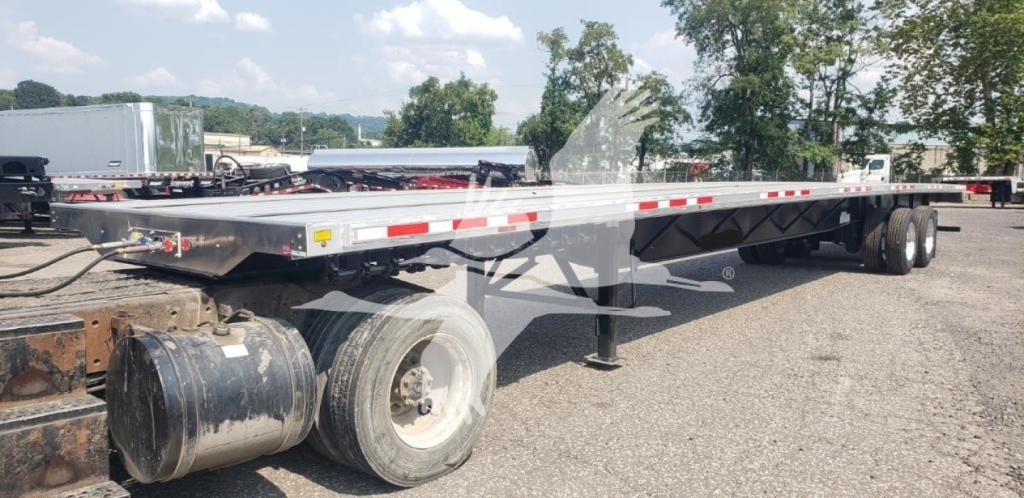
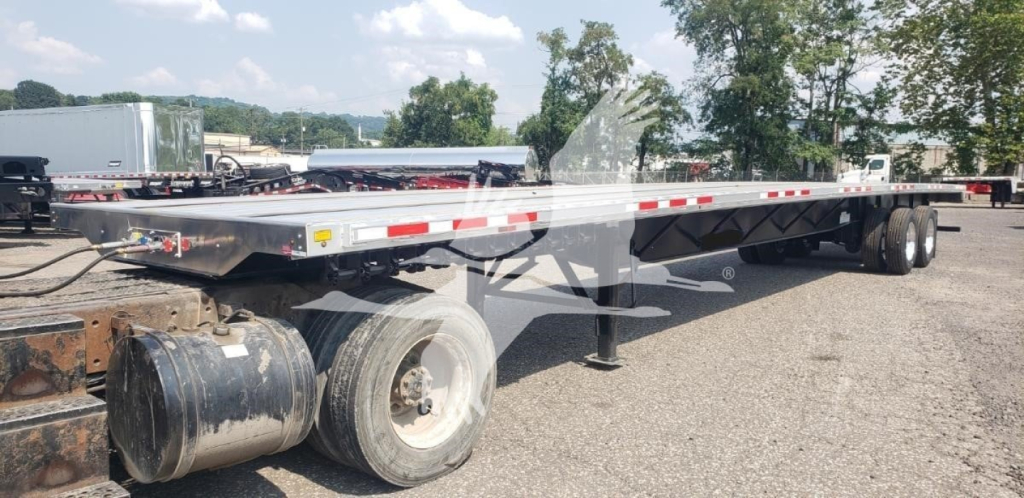
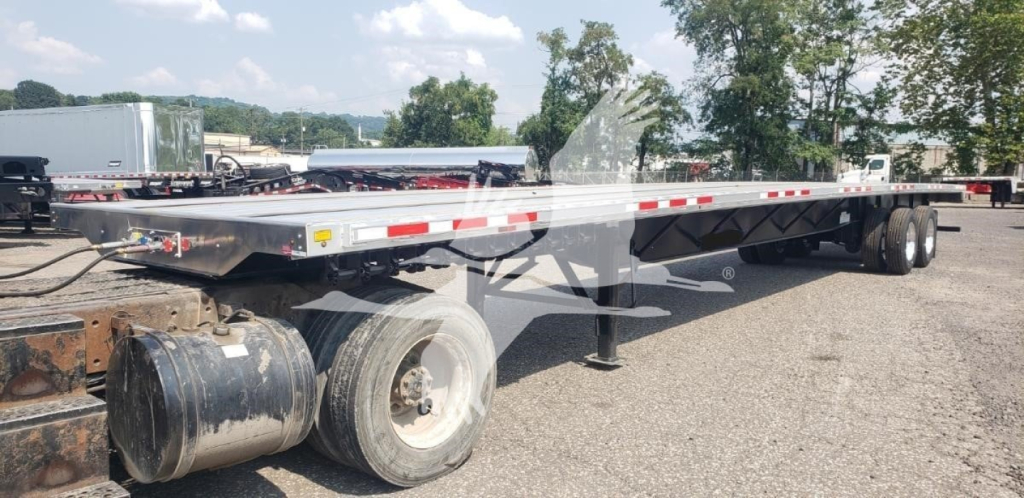
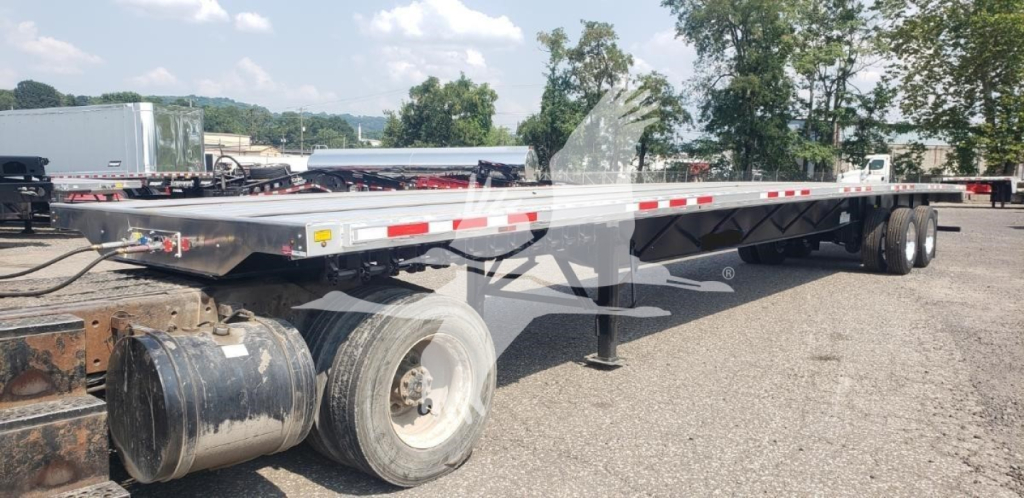
Selling a used 2016 transcraft flatbed trailer? List your used 2016 transcraft flatbed trailer for sale and reach thousands of commercial buyers.
Used 2016 Transcraft Flatbed Trailers in Pennsylvania
On a 2016 model, pay close attention to deck condition, crossmember spacing, side rail wear, and the overall straightness of the frame. Typical buyer checkpoints include the Apitong floor, winch track condition, pipe spool placement, and whether the trailer has enough sliding winches and tiedown points for your freight mix. Suspension setup matters just as much. Many flatbed buyers prefer air ride for better freight protection and dock-to-road stability, while spring ride remains common for durability and lower complexity. Spread axle and spread slider configurations are especially relevant if you run heavier legal loads and need flexibility with bridge laws and axle positioning. Kingpin setting, landing gear condition, wheel-end service history, and tire size should also be reviewed because these details affect tractor compatibility, maintenance cost, and day-to-day uptime.
In Pennsylvania, a flatbed trailer often sees mixed-duty work across industrial freight lanes, construction supply runs, steel-hauling corridors, and Northeast regional delivery. That makes corrosion, floor integrity, and lighting condition more important than they may be in drier markets. Check for rust around the rear structure, crossmembers, suspension hangers, and mud flap brackets, along with any repairs to the side rail or rub rail where chains, straps, and forklifts create wear over time. LED lighting, solid Jost-style two-speed landing gear, and a clean air system on air-ride units are all worthwhile signs on a used trailer. Buyers hauling dense freight should also verify beam ratings and concentrated load capability, not just GVWR.
Transcraft flatbeds are built for straightforward cargo securement and versatile open-deck use, but the right trailer depends on your freight profile more than the badge on the nose. A lighter combo trailer can make sense for maximizing payload on general commodities, while a steel flatbed may fit tougher applications where abuse resistance and easier structural repair are priorities. On a used 2016 trailer, the best value usually comes from clean maintenance history, a sound deck and frame, legal axle configuration, and securement equipment that matches the loads you actually haul.
Frequently Asked Questions about Used 2016 Transcraft Flatbed Trailers in Pennsylvania
What should I inspect first on a used 2016 Transcraft flatbed trailer?
Start with the frame, crossmembers, floor, suspension, and side rails. On a flatbed, structural condition matters more than cosmetic appearance because bent rails, damaged crossmembers, floor rot, or poor repairs can affect load securement and long-term durability. Also inspect the winch track, sliding winches, pipe spools, landing gear, lights, brakes, tires, and wheel ends. A used 2016 unit should also be checked carefully for rust and fatigue around the rear frame, suspension mounts, and areas that see repeated forklift traffic.
What is the difference between a Transcraft combo flatbed and a steel flatbed?
A combo flatbed uses both aluminum and steel components to reduce tare weight and increase available payload. A steel flatbed is generally heavier but can be preferred in applications where fleets want a more traditional heavy-duty structure and straightforward weld repair options. The better choice depends on what you haul, how often the trailer sees rough loading conditions, and whether payload or durability is the higher priority in your operation.
Is a spread axle flatbed better for Pennsylvania and Northeast hauling?
A spread axle flatbed can be a strong choice for legal load distribution and bridge compliance, especially when hauling heavier or denser freight across regional lanes. It can also improve load flexibility compared with a closed tandem setup. The tradeoff is increased tire scrub in tighter turns and added attention to axle position rules. Buyers should confirm the exact axle spacing, slider setup, and how the trailer will match their normal commodities and route patterns.
What deck and securement features are common on Transcraft flatbed trailers?
Common features include a 48-foot or 53-foot deck, 102-inch width, Apitong flooring, winch tracks, sliding winches, double pipe spools, and steel side rails or combo side structures depending on the model. Crossmember spacing, beam rating, and the number of tiedown points are especially important because they affect how well the trailer handles steel, machinery, lumber, or palletized freight. Buyers should match deck design and securement hardware to the cargo they haul most often.
How important is suspension type on a used flatbed trailer?
Suspension type has a direct effect on ride quality, maintenance, and freight protection. Air ride is popular on flatbeds that carry machinery, finished products, or other cargo that benefits from a smoother ride. Spring ride is still valued for simplicity and durability in demanding service. On a used 2016 trailer, the key is condition as much as design, so inspect bushings, airbags or springs, shocks, hangers, alignment, and brake components before making a decision.