
Used Transcraft Flatbed Trailers For Sale in Pennsylvania
Browse used Transcraft flatbed trailers in Pennsylvania. Compare 48x102 specs, combo or steel construction, suspension, flooring, and capacity.







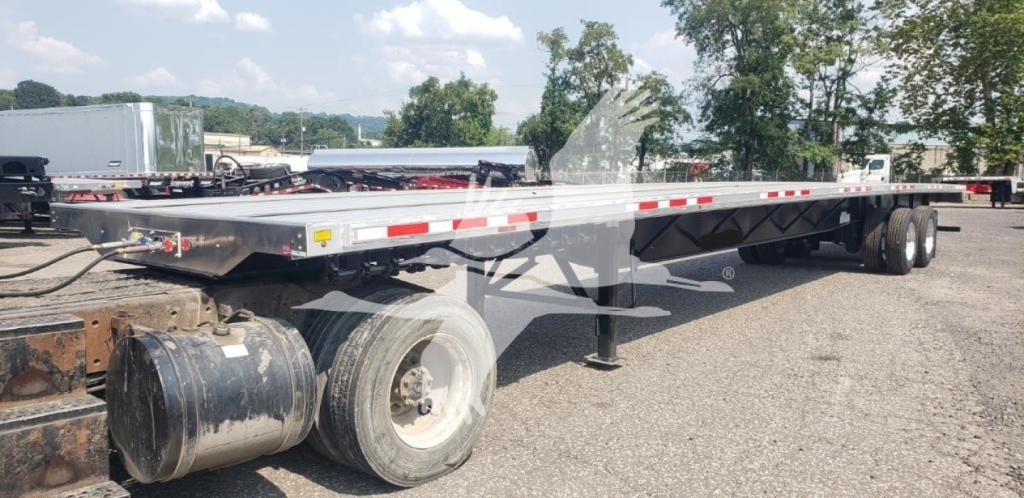
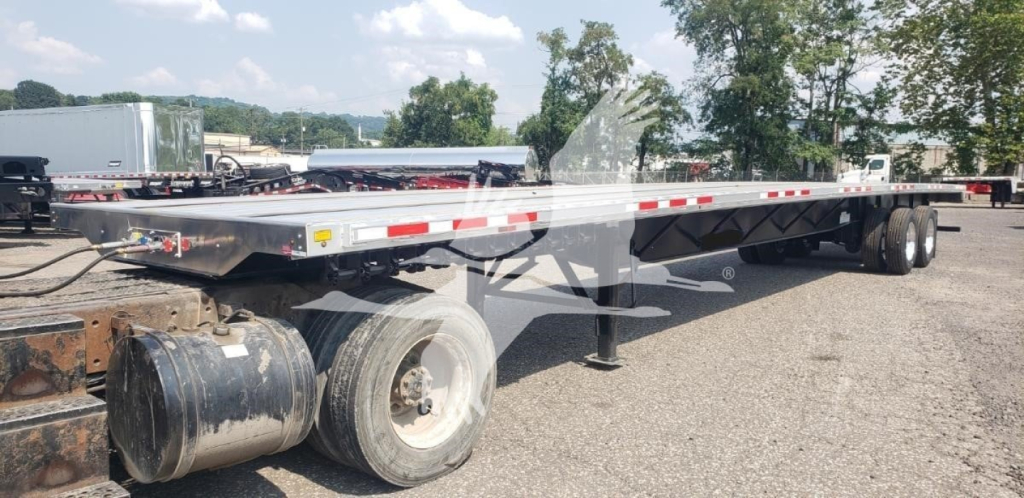
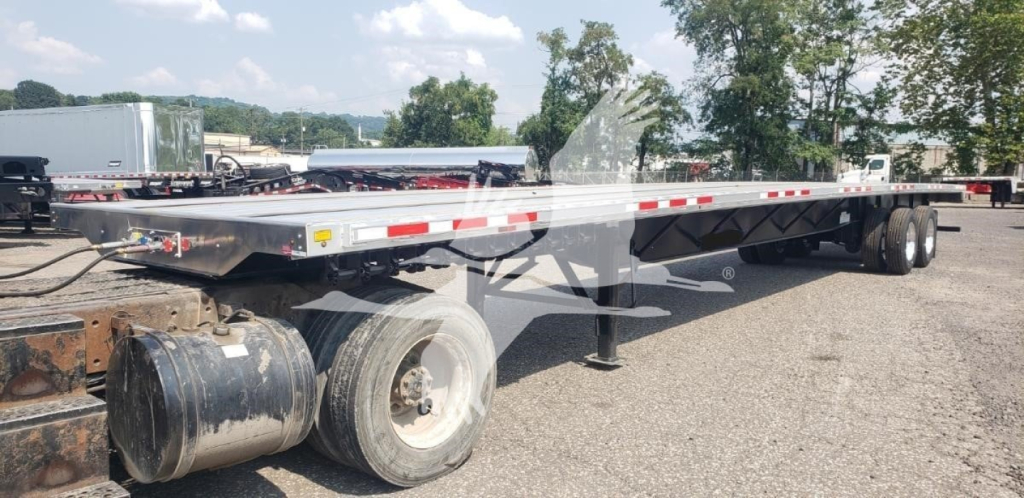
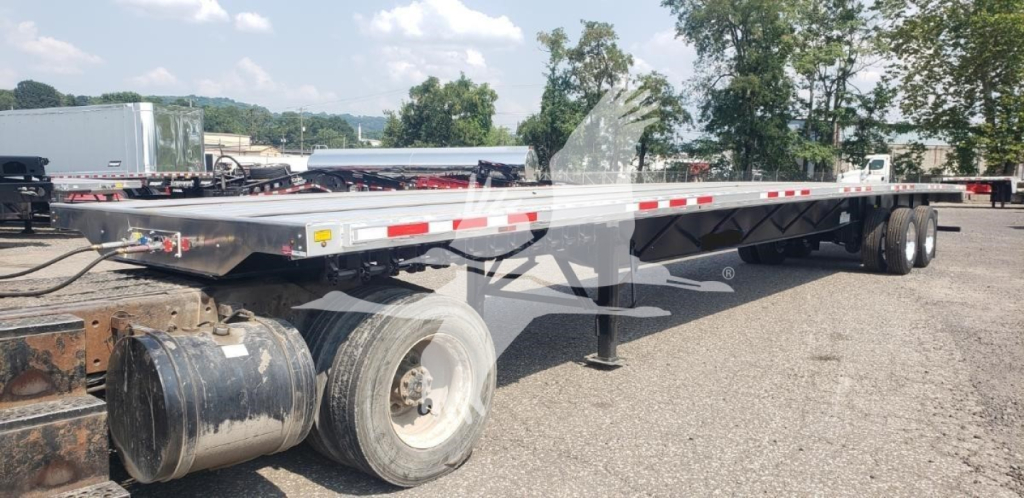
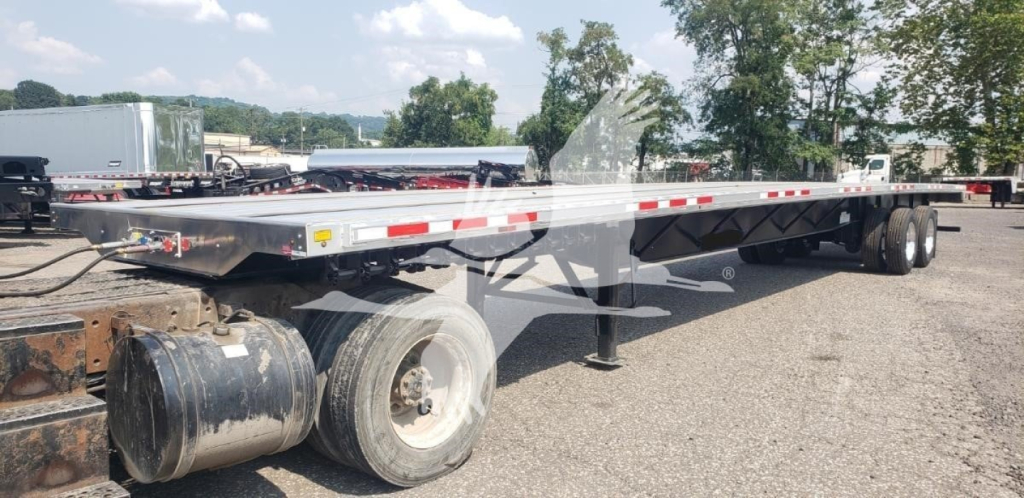
Selling a used transcraft flatbed trailer? List your used transcraft flatbed trailer for sale and reach thousands of commercial buyers.
Used Transcraft Flatbed Trailers in Pennsylvania
One of the biggest buying decisions is construction type. Transcraft combo flatbeds use a mix of aluminum and steel to reduce trailer weight and improve payload potential, while steel flatbeds trade some weight savings for a more rugged, lower-cost structure that can make sense in hard-use applications. Common specs include 1 1/8-inch apitong flooring, steel crossmembers on 12-inch centers, winch tracks, sliding winches, pipe spools, and 30-inch kingpin settings. Beam ratings, axle spacing, and side rail condition deserve close attention, especially if the trailer will regularly handle concentrated loads such as steel coil skids, bundled lumber, or equipment with narrow contact points.
Suspension and axle configuration can change how a flatbed works in daily service. Air-ride spread axle trailers are often preferred for more fragile or higher-value freight because they provide a smoother ride and can help with dock height consistency and load protection. Spring ride remains a durable, simpler option that many fleets still favor for certain lanes and maintenance philosophies. On a used Transcraft flatbed, buyers should pay attention to suspension brand, slider function where applicable, tire size, wheel type, brake condition, and signs of frame stress around landing gear, rear bolster areas, and crossmember attachment points. Flooring wear, rub rail integrity, winch track damage, and the condition of the lights and wiring are also worth checking before putting a trailer into a securement-heavy operation.
For Pennsylvania buyers, spec matching matters as much as brand. A trailer used for roofing supply, lumber, or general building materials may need different securement layouts than one hauling fabricated steel or machinery. Look closely at the number and placement of sliding winches, condition of the tie-down points, and whether the trailer's tare weight lines up with your freight mix. Used Transcraft flatbed trailers are popular because they are familiar to drivers, widely accepted by shippers, and versatile enough to handle a broad range of legal deck freight. The best choice usually comes down to balancing weight, durability, suspension type, deck condition, and how the trailer's setup supports the freight you actually haul every week.
Frequently Asked Questions about Used Transcraft Flatbed Trailers in Pennsylvania
What is the difference between a Transcraft combo flatbed and a Transcraft steel flatbed?
A Transcraft combo flatbed uses both aluminum and steel in the trailer structure to lower empty weight and improve payload capacity, while a steel flatbed is heavier but often more economical to buy and well suited for tougher service. For buyers comparing used trailers, the choice usually comes down to freight type, target payload, repair philosophy, and total cost of ownership. If payload is critical, combo construction can be a strong advantage. If durability and purchase price matter more than tare weight, a steel flatbed may be the better fit.
What trailer specs matter most when buying a used Transcraft flatbed?
The most important specs are length and width, axle configuration, suspension type, trailer weight, flooring material, crossmember spacing, beam rating, kingpin setting, and securement equipment such as winch tracks and sliding winches. Buyers should also verify tire size, wheel type, brake condition, and the overall state of the side rails, rub rails, and crossmembers. These details affect legal loading, freight compatibility, maintenance costs, and how easily the trailer fits into your existing operation.
Is air ride or spring ride better on a used flatbed trailer?
Air ride is often preferred for freight that benefits from a smoother ride, including finished materials, machinery, and some higher-value loads. It can also help reduce vibration and improve ride quality for certain lanes. Spring ride is simpler and can be a durable choice for buyers who prioritize straightforward maintenance and proven toughness. Neither is universally better. The right choice depends on freight sensitivity, route conditions, maintenance practices, and what your customers expect.
What should I inspect first on a used Transcraft flatbed trailer?
Start with the frame, side rails, crossmembers, apitong floor, suspension components, brakes, tires, and wheel ends. Then inspect the winch track, sliding winches, pipe spools, landing gear, lights, and wiring. Pay special attention to cracks, repairs, corrosion, bent rails, floor damage from forklifts or concentrated loads, and any wear around axle mounts or landing gear braces. A flatbed may look clean and still have structural wear in the areas that take the most loading stress.
Are 48-foot by 102-inch Transcraft flatbeds a common setup?
Yes. A 48-foot by 102-inch flatbed is one of the most common open-deck trailer configurations in the market. It is widely accepted for general freight, building materials, steel products, and machinery that can be hauled legally on a standard deck. That size gives buyers broad freight flexibility and makes it easier to match shipper requirements, securement practices, and driver familiarity without moving into more specialized trailer classes.