
Used 2006 Transcraft Flatbed Trailers For Sale
Shop used 2006 Transcraft flatbed trailers. Compare 48-foot and 53-foot specs, deck materials, axle setups, weight ratings, and tie-down options.
Selling a used 2006 transcraft flatbed trailer? List your used 2006 transcraft flatbed trailer for sale and reach thousands of commercial buyers.
Used 2006 Transcraft Flatbed Trailers
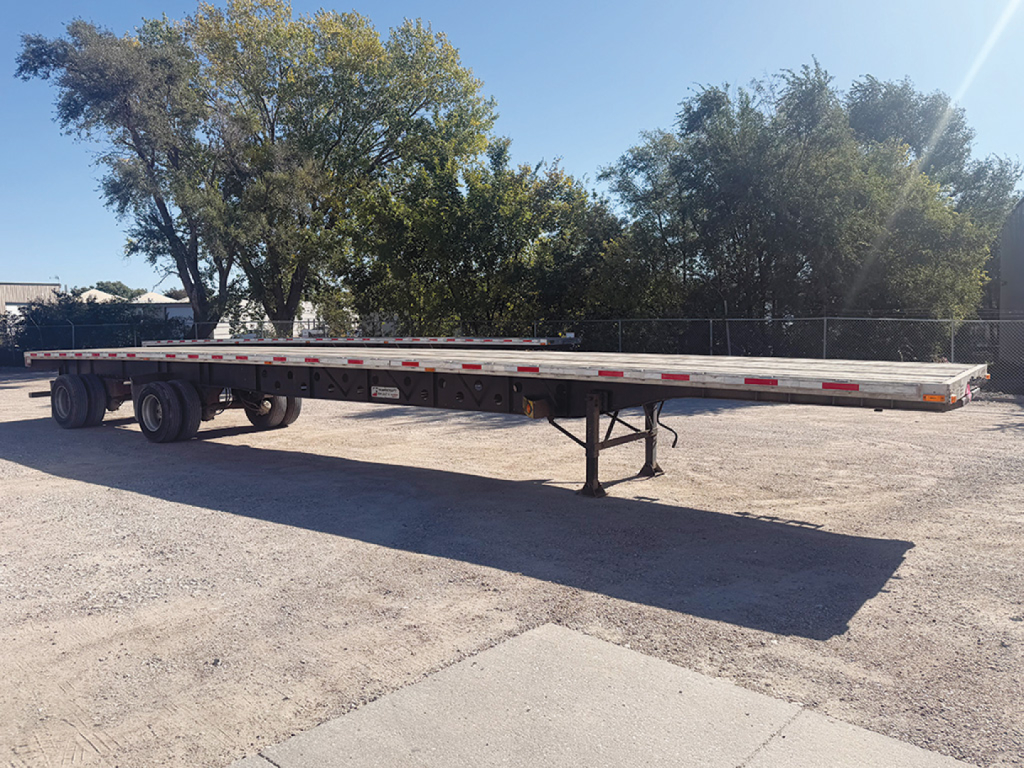
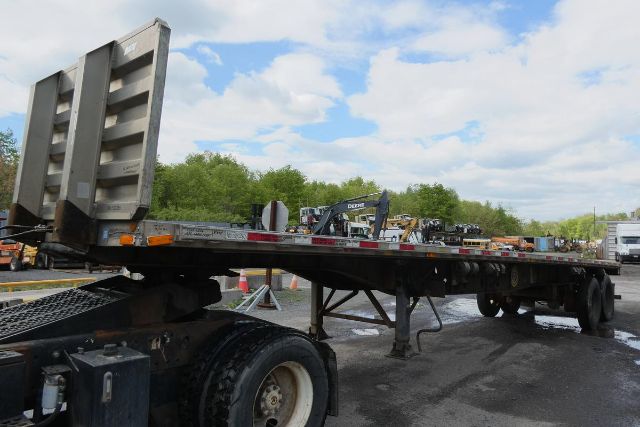
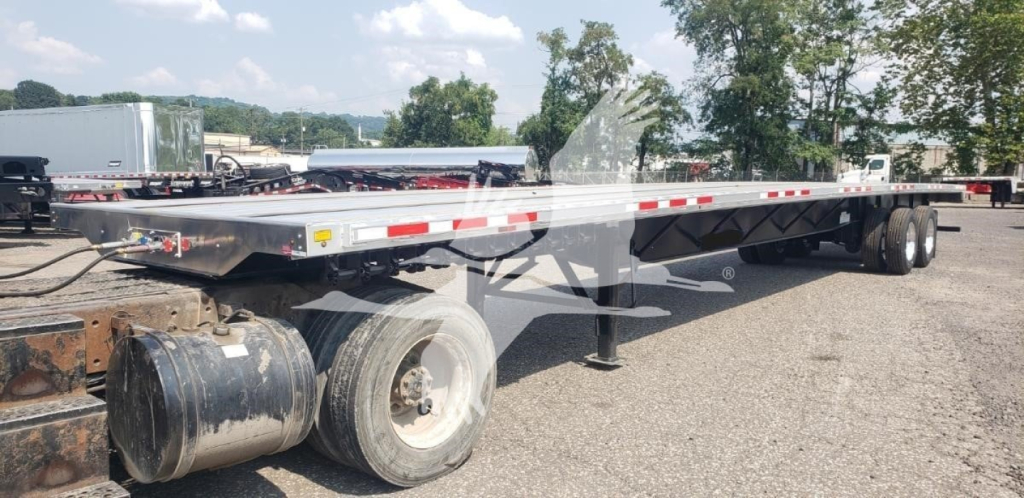
In this category, common configurations include 48-foot and 53-foot flatbeds in steel, aluminum, or combo construction. A 2006 all-steel Transcraft flatbed can offer durability for dense freight and harsher loading environments, but it usually carries more empty weight. Aluminum and combo models help improve payload and fuel efficiency while still providing the deck strength many carriers need for mixed freight. Important spec points include main beam design, crossmember spacing, kingpin setting, deck height, nail strips, stake pockets, pipe spools, and winch track layout. Many buyers also look closely at the flooring, especially if the trailer has apitong decking, because deck condition affects securement, forklift traffic, and near-term maintenance costs.
Axle configuration matters just as much as deck spec. Used Transcraft flatbed trailers from this era may be set up with tandem sliders or fixed spread axles, often with spring ride or air ride suspension depending on intended service. A spread-axle trailer can improve weight distribution and stability, but it may limit maneuverability in tight urban docks or certain state bridge formulas. A sliding tandem offers more flexibility for axle compliance and dock approach. Tire size, wheel type, suspension brand, brake condition, ABS function, and landing gear wear are all worth checking on a 2006 model. Buyers should also inspect side rails, crossmembers, rear frame, light wiring, and the area around the kingpin and upper coupler for fatigue, corrosion, or signs of hard service.
Transcraft flatbeds are also known as open-deck trailers or platform trailers, and they remain a staple for fleets that need adaptable freight capability without the added tare weight and maintenance complexity of enclosed equipment. On a used 2006 trailer, the value often comes down to how well the securement package matches the freight mix. Sliding winches, chain ties, rub rail condition, pipe spools, stake pockets, and toolbox additions can make a meaningful difference in day-to-day usability. For many buyers, the right used 2006 Transcraft flatbed is less about model year alone and more about structural condition, previous application, maintenance history, and whether the trailer's length, axle layout, and deck material align with the lanes it will run.
Frequently Asked Questions about Used 2006 Transcraft Flatbed Trailers
What should I inspect first on a used 2006 Transcraft flatbed trailer?
Start with the structure. Inspect the main beams, crossmembers, upper coupler, kingpin area, side rails, rear frame, and landing gear mounts for cracks, repairs, corrosion, or distortion. Then review the deck condition, including apitong boards, nail strips, and any soft spots or forklift damage. After that, check suspension components, axle alignment, brake wear, tire condition, wheel ends, and lighting. On an older flatbed, structural integrity and securement hardware condition usually matter more than cosmetic appearance.
Is a 48-foot or 53-foot Transcraft flatbed better for most buyers?
That depends on the freight and lanes. A 48-foot flatbed can be easier to maneuver, may fit regional work well, and is often a solid choice for dense loads where cube is less important. A 53-foot flatbed gives more deck space for longer freight, mixed loads, and customers that want maximum loading flexibility. Buyers should match trailer length to commodity type, state regulations, customer dock access, and how often overlength or partial loads are hauled.
What is the advantage of a combo flatbed versus an all-steel flatbed?
A combo flatbed typically uses steel main beams with aluminum components such as the deck or side rails. That setup can reduce tare weight compared with an all-steel trailer while retaining much of the strength buyers want for demanding freight. An all-steel flatbed is often favored for rugged applications and repeated heavy forklift traffic, but it generally weighs more. The tradeoff is between durability, payload, and long-term maintenance priorities.
Are spread axles better than a sliding tandem on a used flatbed trailer?
Spread axles can help with weight distribution, ride stability, and legal loading in certain applications, especially on longer flatbeds. They are common on 53-foot trailers and can be attractive for shippers moving lighter but bulky freight. A sliding tandem is usually more flexible when axle positioning needs to change for state compliance, customer sites, or loading patterns. The better choice depends on where the trailer runs, how often it enters tight spaces, and how important bridge-law flexibility is to the operation.
What securement features are most important on a used Transcraft flatbed?
The most important securement features depend on the freight, but buyers commonly prioritize stake pockets, pipe spools, rub rails, sliding winches, winch tracks, and chain tie-down points. These features affect how efficiently drivers can secure lumber, steel, machinery, and palletized cargo. Also inspect the condition and spacing of these components, because worn winches, damaged rub rails, or bent stake pockets can slow loading, reduce securement options, and create added repair costs after purchase.