
Used 2024 Flatbed Trailers For Sale in Colorado
Shop used 2024 flatbed trailers in Colorado. Compare 48' and 53' specs, axle setups, deck materials, and load securement features.
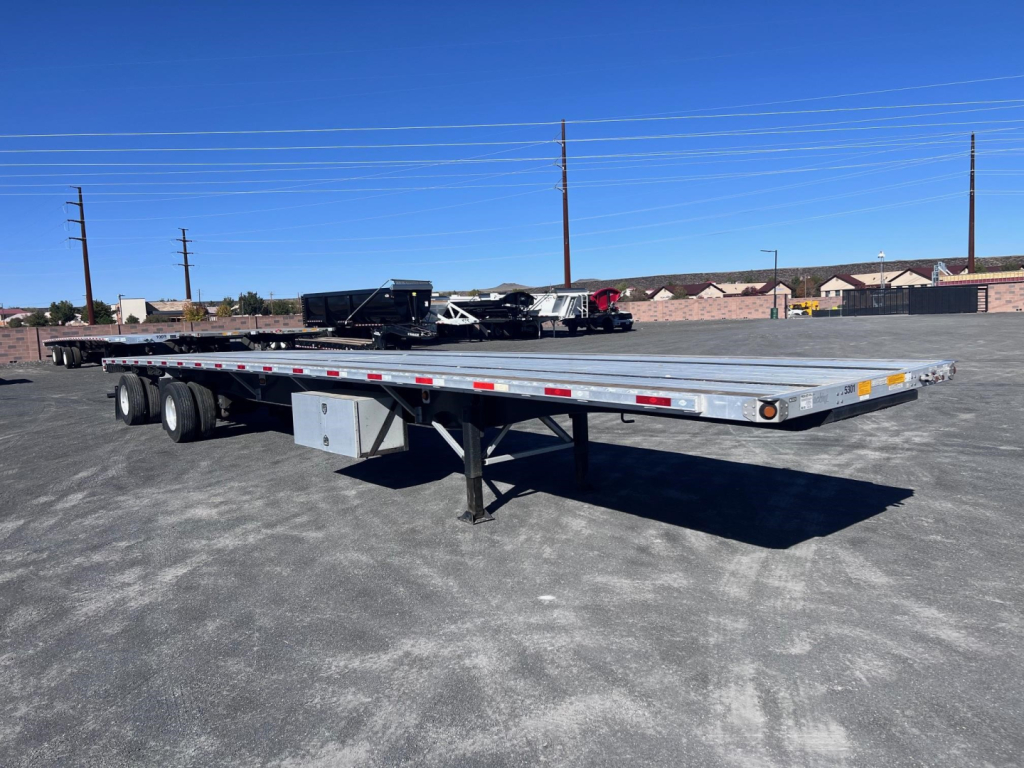
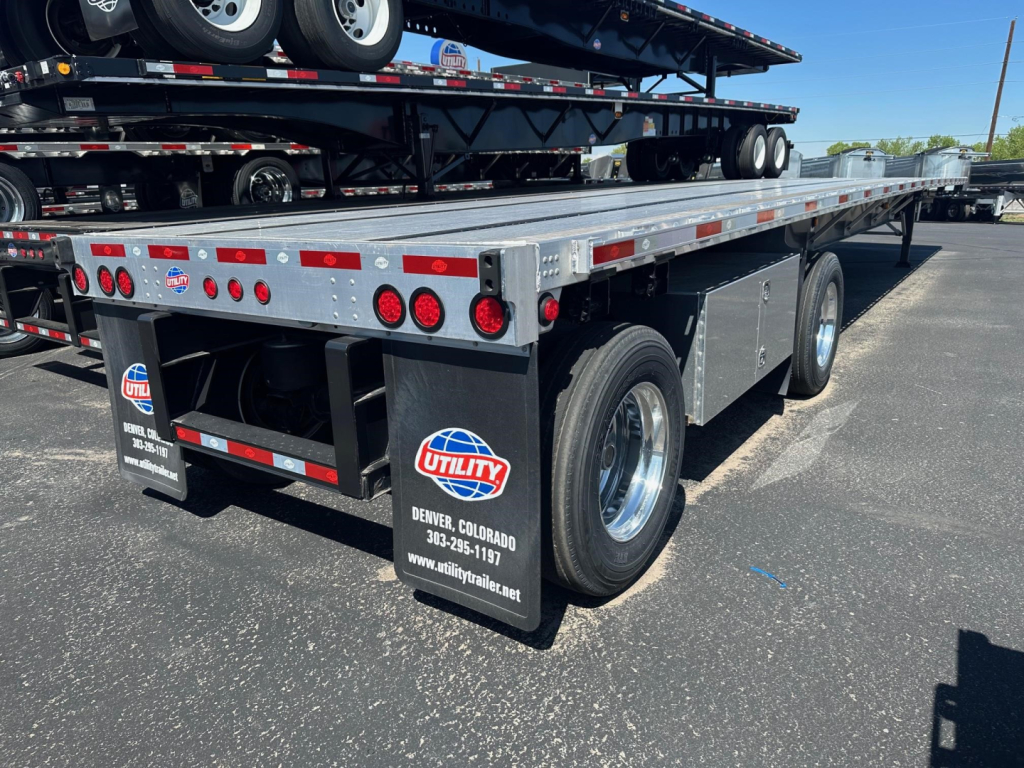
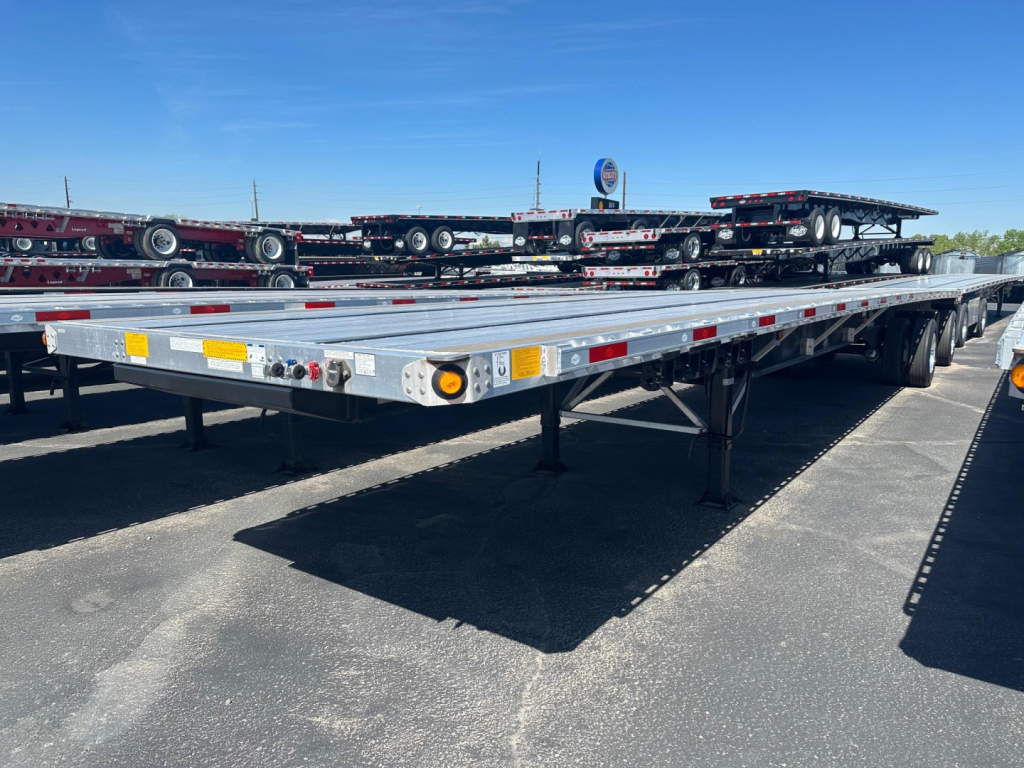
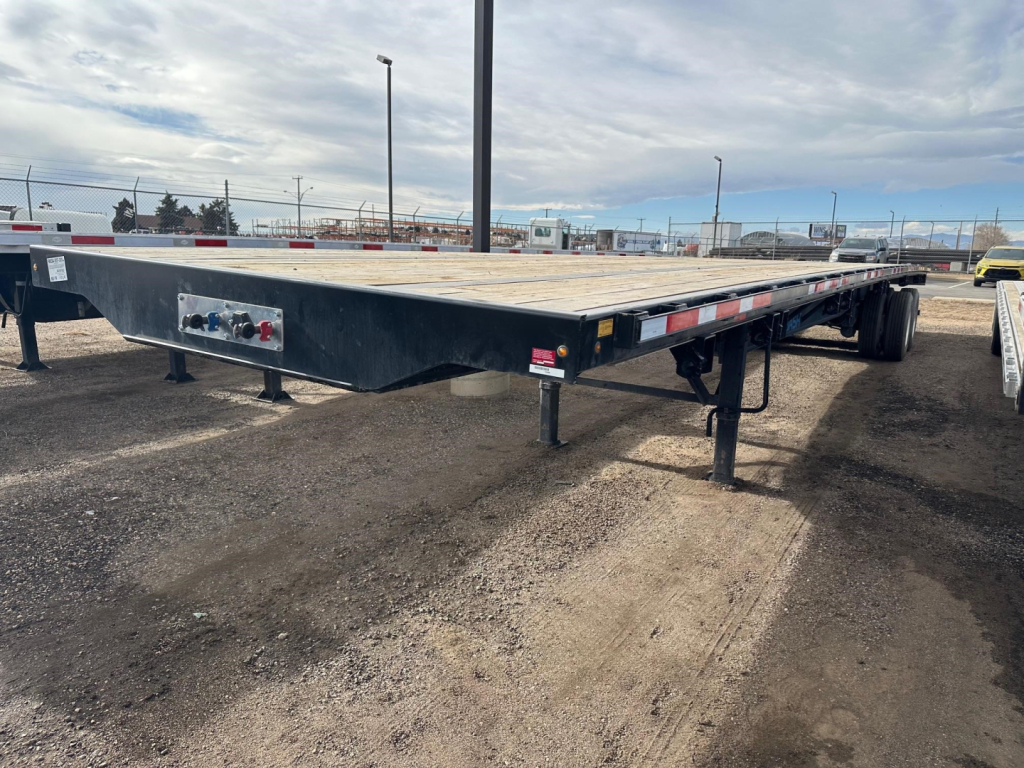
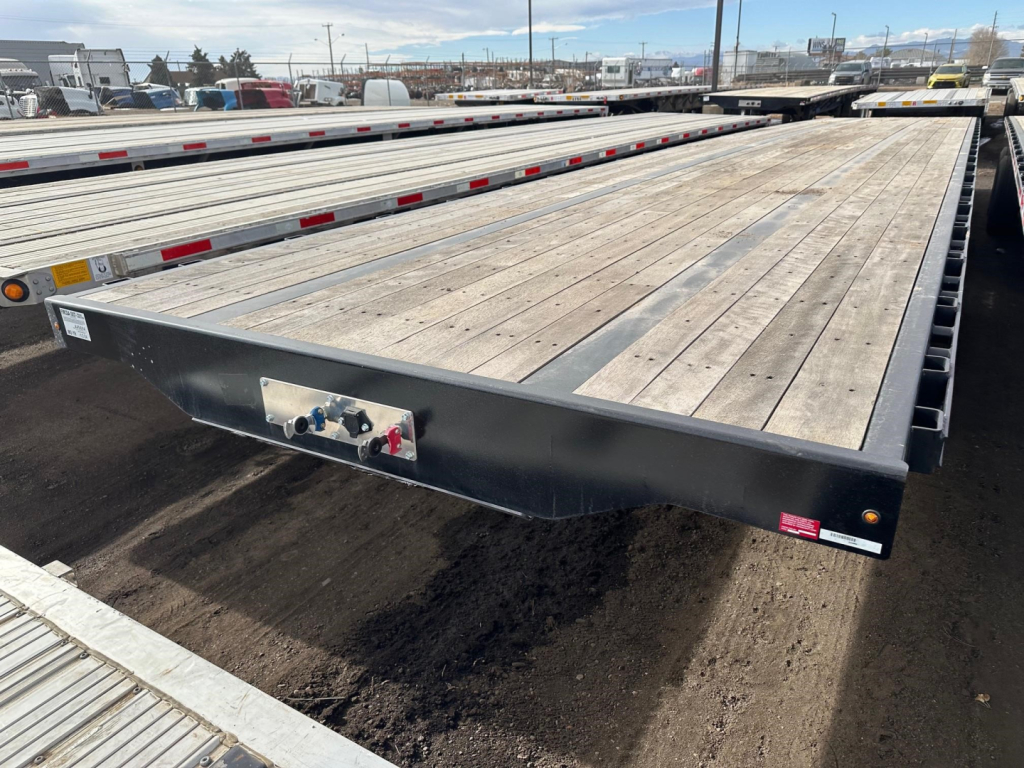
Selling a used 2024 flatbed trailer? List your used 2024 flatbed trailer for sale and reach thousands of commercial buyers.
Used 2024 Flatbed Trailers in Colorado
Construction and suspension spec drive long-term cost. Steel flatbed trailers typically offer durability and repairability in hard forklift and concentrated-load service, but they carry more tare weight. Combo flatbeds, with steel main beams and aluminum crossmembers, rails, or deck components, are popular when payload matters. On used 2024 models, buyers will often compare air ride against spring ride, along with tandem slider, rear slider, closed tandem, or spread axle layouts. In Colorado, axle configuration can affect bridge compliance, tire wear, and how easily the trailer fits a mix of local deliveries, interstate work, and mountain corridors. California-legal spread configurations also show up in this class for fleets that need multi-state versatility.
Load securement equipment deserves close attention because it determines how ready the trailer is for your freight. Common specs include coil packages, bulkheads, nail strips, forklift kits, tool boxes, and tire inflation systems such as PSI. A trailer hauling steel coils, pipe, palletized building products, or equipment needs the right winch track condition, pocket spacing, deck integrity, and crossmember support. Buyers should inspect for deck wear, cracked welds around suspension hangers, slider operation, brake condition, bushing wear, and corrosion on rails and crossmembers. On late-model used flatbeds, those details tell you more about remaining service life than age alone.
For Colorado operations, practical buying decisions often come down to empty weight, securement layout, and suspension behavior under varied terrain. Air ride can help protect sensitive cargo and improve ride quality on rough stretches, while spring ride remains straightforward and durable for many general freight applications. Aluminum wheels, low-profile 22.5 tires, scuff-resistant deck setups, and rear lighting packages can also influence operating cost and visibility. A well-matched used 2024 flatbed trailer should fit your freight first, then your lanes, axle laws, and maintenance preferences.
Frequently Asked Questions about Used 2024 Flatbed Trailers in Colorado
What is the difference between a steel flatbed and a combo flatbed trailer?
A steel flatbed uses steel for the main beams, crossmembers, and much of the trailer structure, which usually makes it heavier but very durable in severe-duty service. A combo flatbed typically keeps steel where strength is critical, such as the main beams, and uses aluminum for parts like crossmembers, deck sections, or side rails to reduce tare weight. Buyers focused on maximum payload often prefer combo trailers, while buyers hauling dense freight or working in high-impact environments may still lean toward all-steel construction.
Is a 48-foot or 53-foot flatbed better for Colorado hauling?
The better length depends on the freight and the routes. A 48-foot flatbed is common for regional work, steel products, machinery, and jobs where maneuverability matters. A 53-foot flatbed offers more deck space and more flexibility for longer freight, lighter bulkier loads, and broader shipper requirements. In Colorado, route restrictions, customer docks, and axle spacing requirements should all be considered before choosing deck length.
What features should I look for on a used 2024 flatbed trailer?
Key features include deck material and condition, suspension type, axle configuration, and securement equipment. Stake pockets, pipe spools, sliding winches, coil packages, nail strips, bulkheads, tool boxes, and tire inflation systems all add value depending on the cargo. On a used 2024 trailer, it is also important to inspect the slider system, air or spring suspension components, brakes, tires, wheel-end condition, crossmember integrity, and any signs of concentrated-load damage from forklifts or coils.
Are air ride flatbed trailers worth it compared to spring ride?
Air ride flatbed trailers are often worth the extra cost when cargo protection, ride quality, and driver preference matter. They can reduce shock transfer to freight and are common in higher-spec general freight applications. Spring ride remains a durable and simpler option that many fleets still use successfully, especially where maintenance simplicity and lower acquisition cost matter more than ride quality. The right choice depends on cargo sensitivity, maintenance practices, and operating lanes.
What does California-legal mean on a flatbed trailer?
California-legal usually refers to an axle spacing and overall trailer configuration designed to comply with California bridge and length rules. On flatbeds, this often involves a spread or sliding axle setup that allows the trailer to run legally in California while still serving other states. Even for Colorado-based buyers, a California-legal flatbed can be useful if freight moves west or if the fleet wants more routing flexibility across multiple jurisdictions.