
Used 2024 Utility Flatbed Trailers For Sale in Colorado
Shop used 2024 Utility flatbed trailers in Colorado. Compare 48' and 53' combo and steel flatbeds with coil packages, air ride, and sliders.
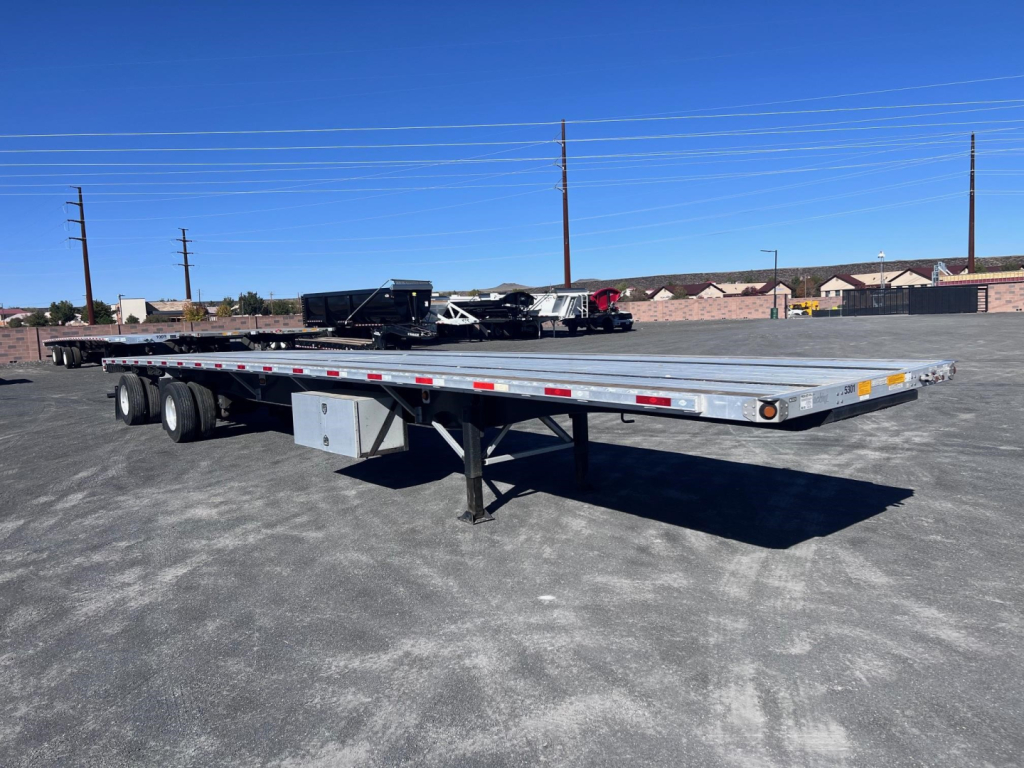
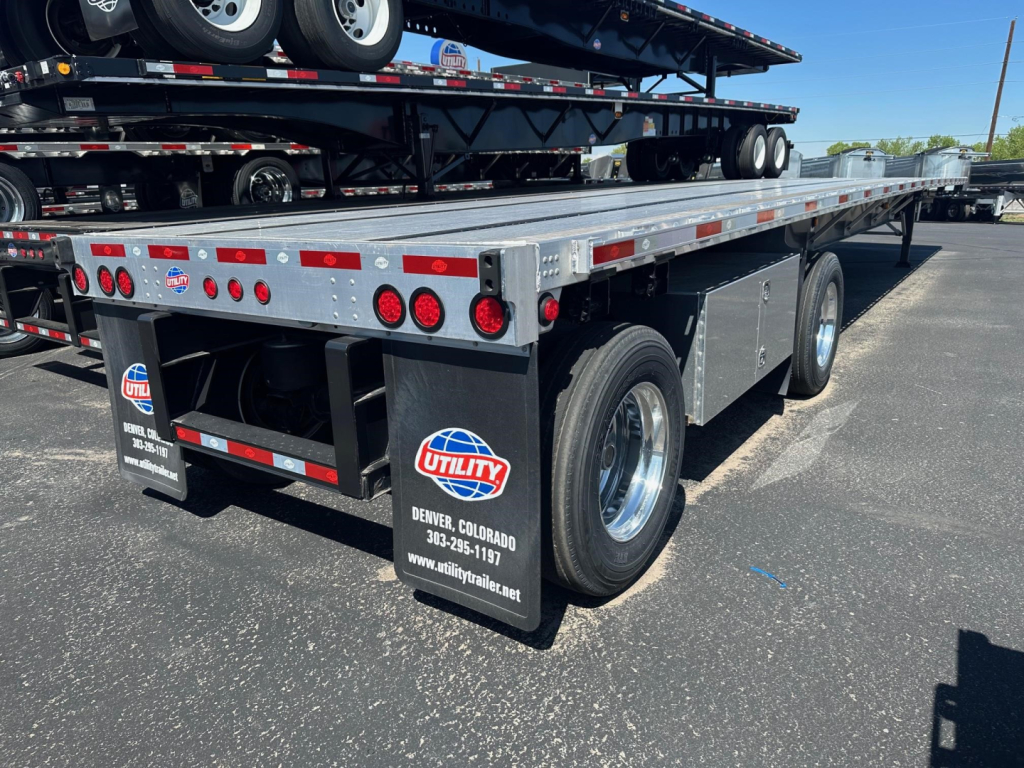
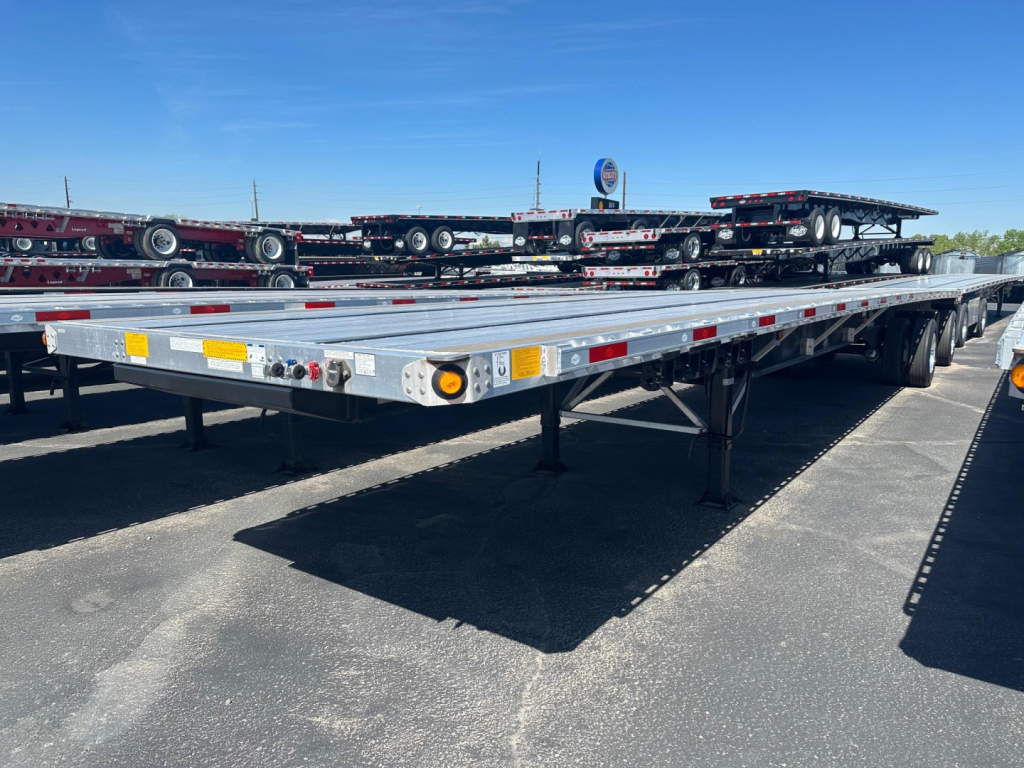
Selling a used 2024 utility flatbed trailer? List your used 2024 utility flatbed trailer for sale and reach thousands of commercial buyers.
Used 2024 Utility Flatbed Trailers in Colorado
The first buying decision is usually deck construction and axle layout. A steel flatbed generally favors durability and repair simplicity, while a combo flatbed, also known as an aluminum-steel combination flatbed, helps reduce tare weight and preserve payload. Utility 4000AE trailers are a common example of this lighter combo design. Buyers comparing Colorado listings should pay close attention to tandem slider versus fixed spread axle versus rear sliding axle setups. A closed tandem slider gives more flexibility for bridge law and dock positioning, while spread axle trailers can improve stability and weight distribution but may affect maneuverability and tire scrub in tighter yards.
Cargo securement details matter as much as the frame. Many Utility flatbeds are equipped with stake pockets, double pipe spools, winch tracks on one or both sides, and coil packages rated for concentrated loads. Deck surface is another practical point. Aluminum decking saves weight, while Apitong wood decks remain popular for traction, forklift friendliness, and easier board replacement. Bulkheads, tool boxes, tire inflation systems such as PSI, and wheel specifications like outside aluminum with inside steel are all worth reviewing because they affect day-to-day operating cost, roadside serviceability, and how quickly the trailer can be turned for steel, building products, machinery, or general commodity freight.
For Colorado buyers, suspension and legal dimensions deserve extra attention. Air ride is often preferred for higher-value or damage-sensitive freight, while spring ride can still appeal in certain heavy-duty applications. A 53-foot California-legal flatbed may offer added routing flexibility for multi-state operations, and 22.5 low-profile tires can influence deck height and loading clearance. Late-model used 2024 Utility flatbeds often represent a practical middle ground between new-trailer pricing and older equipment risk, especially when the spec includes a coil package, winch track, and axle arrangement that matches the freight lane.
Frequently Asked Questions about Used 2024 Utility Flatbed Trailers in Colorado
What are the most common specs on a used 2024 Utility flatbed trailer?
The most common specs include 48-foot or 53-foot length, 102-inch width, steel main beams, and either full steel or combo construction with aluminum crossmembers, rails, and deck components. Many used 2024 Utility flatbeds are equipped with stake pockets, sliding winches, pipe spools, nail strips, coil packages, tandem or spread axle layouts, and either air ride or spring ride suspension. Buyers should confirm deck material, axle spacing, and securement setup because those details have a direct impact on payload, freight compatibility, and compliance.
Is a Utility combo flatbed better than a steel flatbed?
A Utility combo flatbed is typically better for buyers focused on lower tare weight and maximizing payload, while a steel flatbed is often preferred for rugged service and simpler structural repair. Combo trailers use steel where strength is critical and aluminum where weight savings matter, which makes them popular in general freight, steel, and building materials hauling. The right choice depends on your freight mix, repair environment, and how much value you place on weight savings versus long-term durability.
What should I look for in a flatbed coil package?
A flatbed coil package should be evaluated for capacity rating, frame reinforcement, and how well it matches the weight and type of coils you plan to haul. Buyers should confirm the trailer has proper coil bunks or coil wells if applicable, strong securement points, winch access, and a concentrated load rating that fits the freight. A 47,000-pound coil package, for example, may be appropriate for many steel applications, but it still needs to be matched to axle configuration, suspension, and legal payload requirements.
Which axle setup is best on a Utility flatbed trailer?
The best axle setup depends on where and how the trailer runs. A tandem slider offers flexibility for bridge compliance and weight distribution across different loads and states. A fixed spread axle can provide good load stability and may help in certain weight applications, but it can be less forgiving in tight turns and can increase tire scrub. A rear sliding axle setup can add versatility for specialized routing or dimension requirements. Buyers should choose the axle arrangement that fits their lanes, customer yards, and loading patterns.
Why do Colorado buyers often prefer air ride on a used flatbed trailer?
Air ride is often preferred because it offers better ride quality and improved cargo protection on rough pavement, mountain routes, and mixed regional highways. That matters when hauling machinery, fabricated metal, lumber products, or other freight that can shift or get damaged by excessive vibration. Air ride can also be a selling point when the trailer is later resold, although buyers should still inspect ride height controls, suspension components, and overall maintenance history.