
Used 2024 Utility Flatbed Trailers For Sale
Shop used 2024 Utility flatbed trailers with specs buyers want, including deck type, suspension, tandem setup, winch gear, and load securement features.
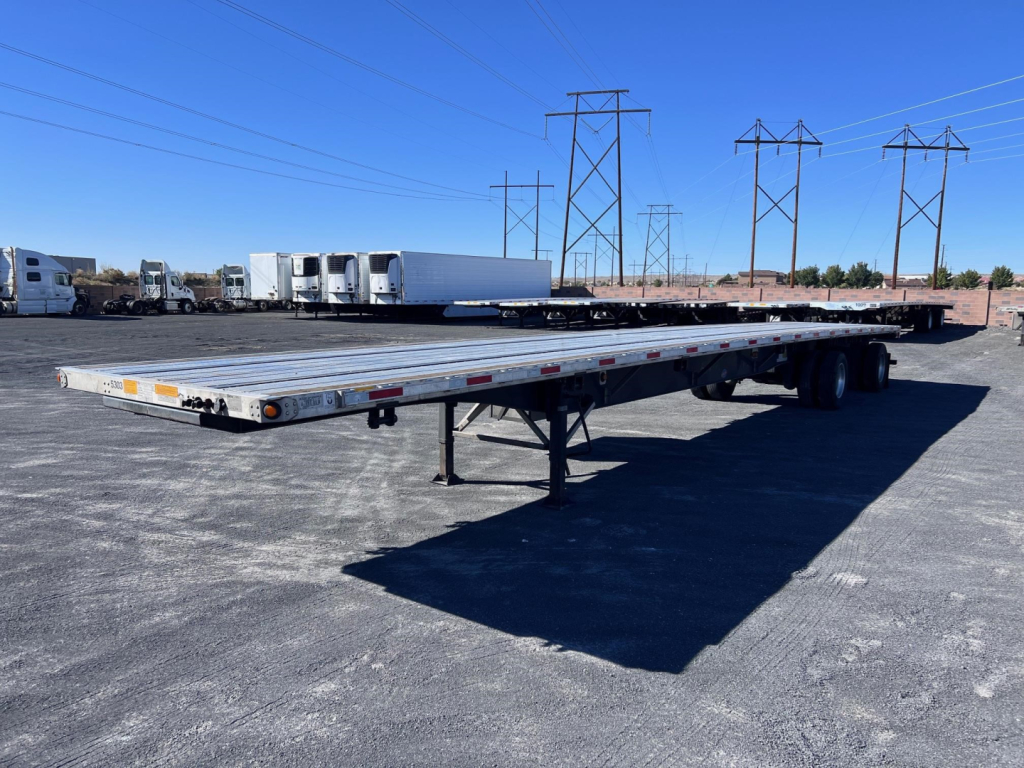
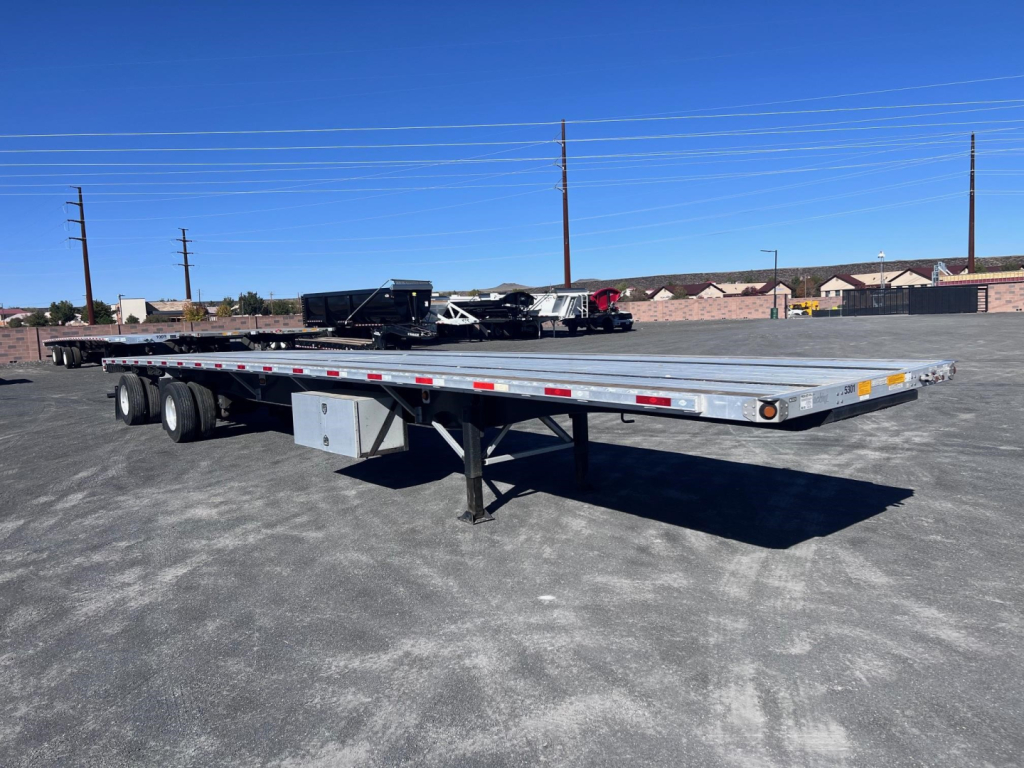
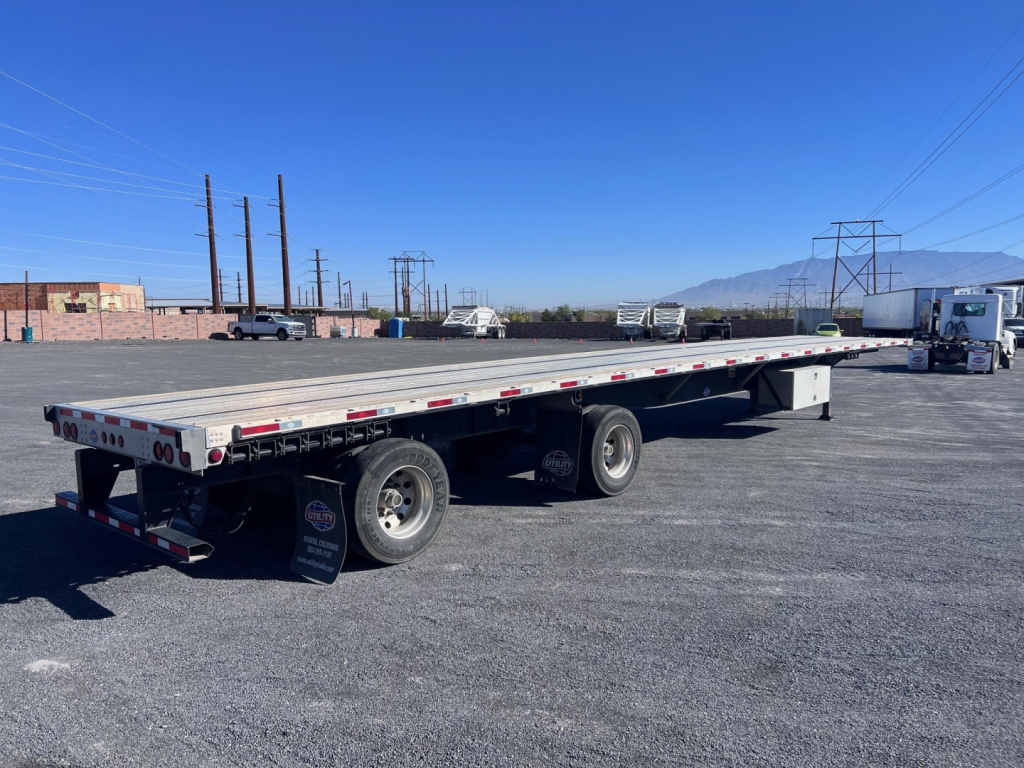
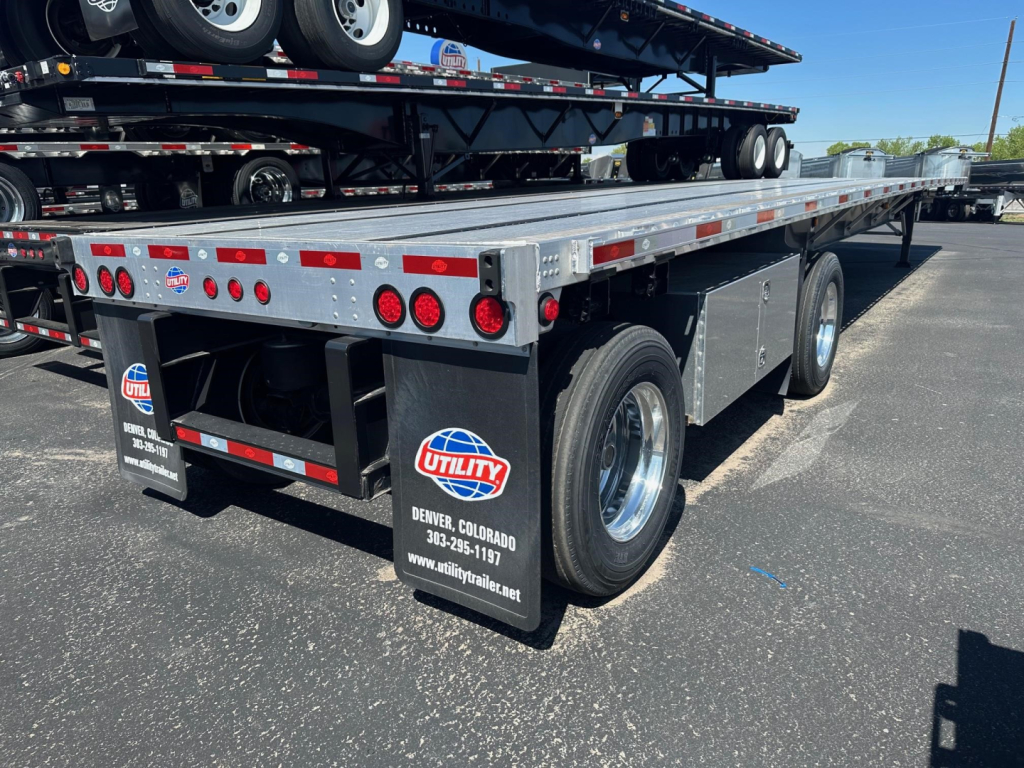
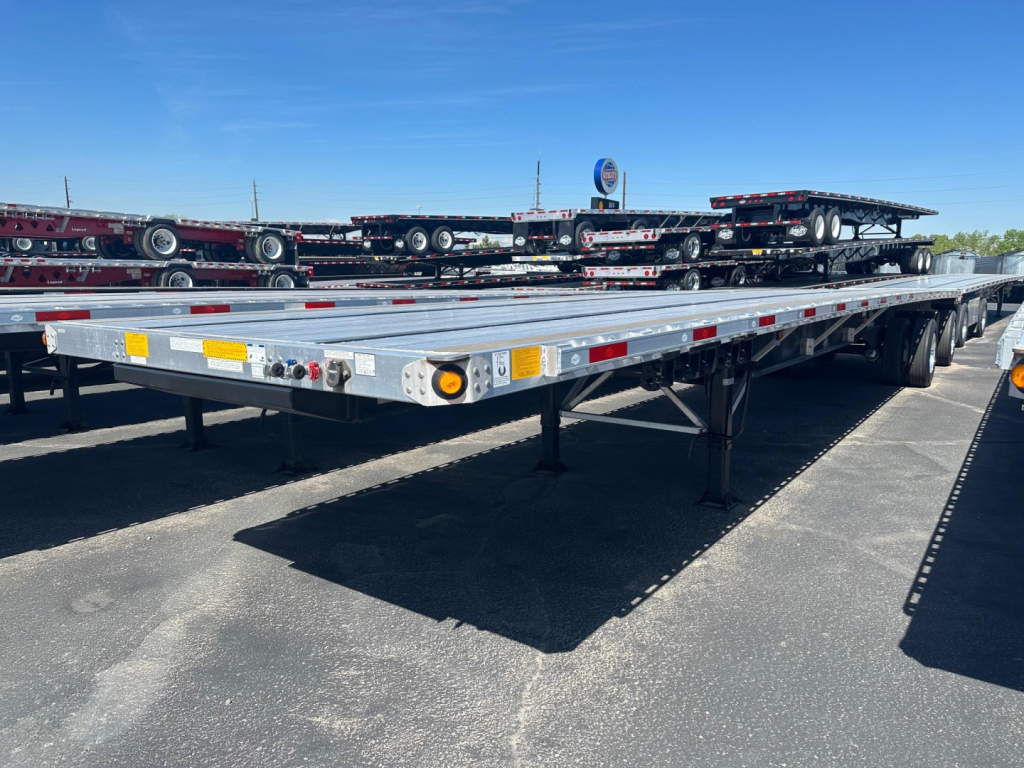
Selling a used 2024 utility flatbed trailer? List your used 2024 utility flatbed trailer for sale and reach thousands of commercial buyers.
Used 2024 Utility Flatbed Trailers
Utility flatbeds are often spec'd as steel, aluminum, or combo designs with steel main beams and lighter aluminum components. Combo construction is popular because it balances strength with payload efficiency, while all-steel versions can make sense in tougher applications where impact resistance and simpler repairs matter more than weight. Deck details deserve close attention. Aluminum floors, apitong wood decking, nail strips, and crossmember spacing all affect forklift traffic, point-load tolerance, and long-term maintenance. Stake pockets, pipe spools, sliding winches, chain hangers, coil packages, J-hook systems, and toolboxes are not minor add-ons. They directly affect how quickly a driver can secure different loads and how often extra gear has to be carried separately.
Suspension and axle layout matter just as much as deck construction. Used 2024 Utility flatbed trailers may be equipped with air ride or spring ride, along with fixed spread axles, closed tandem setups, or sliding tandems depending on the lane and freight profile. A sliding tandem adds flexibility for bridge law compliance and dock positioning, while a spread axle can improve load distribution but may limit maneuverability in tighter yards and some regional applications. Tire size, wheel material, brake spec, and lighting package are also worth comparing across listings because they affect operating cost and downtime more than many buyers expect. Late-model used trailers should be evaluated for frame straightness, crossmember condition, deck wear, suspension bushing and air bag condition, brake life, tire matching, and signs of hard securement use around winch tracks and pocket areas.
For most buyers, the right Utility flatbed comes down to freight mix and maintenance priorities. A lighter combo or aluminum-oriented trailer may suit carriers chasing every pound of payload on longer hauls, while a heavier-duty steel or composite spec may be better for dense freight, frequent loading equipment contact, or rougher daily use. If coil hauling, lumber, pipe, machinery, or mixed open-deck freight is part of the plan, compare securement hardware and deck configuration carefully rather than focusing only on year and price. A used 2024 model can offer a strong middle ground with modern specs, familiar parts support, and enough remaining service life to fit both fleet replacement cycles and owner-operator growth.
Frequently Asked Questions about Used 2024 Utility Flatbed Trailers
What should I look for first on a used 2024 Utility flatbed trailer?
Start with the structural components and the freight-related spec. Check the main beams, crossmembers, rails, deck condition, and landing gear for damage, repairs, or uneven wear. Then confirm the trailer has the securement hardware your loads require, such as sliding winches, stake pockets, pipe spools, chain storage, or a coil package. A late-model trailer can still be a poor fit if the axle setup, deck type, or securement package does not match your freight.
Is a combo flatbed better than an all-steel flatbed?
A combo flatbed, usually built with steel main beams and aluminum components, is often chosen for lower tare weight and better payload potential. An all-steel flatbed may be preferred in harsher service because it can offer greater impact resistance and straightforward repairability. The better choice depends on what you haul, how often the trailer sees forklift traffic or jobsite abuse, and whether payload or durability is the bigger priority in your operation.
What is the difference between a spread axle and a sliding tandem on a flatbed trailer?
A spread axle trailer spaces the rear axles farther apart, which can improve weight distribution and stability under certain loads. A sliding tandem allows the axle group to move for bridge compliance, freight positioning, and operational flexibility. Spread axles are common on flatbeds hauling longer or specialized loads, but they can be harder to maneuver in tight areas. Sliding tandems are often easier to adapt across a wider range of lanes and customer locations.
Which deck material is best for a flatbed trailer?
There is no single best deck material because the right choice depends on cargo and loading methods. Apitong wood remains popular for grip, repairability, and general freight use. Aluminum decking can reduce weight and help maximize payload, but it should be evaluated for wear and application fit. Buyers should also look at nail strips, floor fastening, and crossmember spacing because the full deck system matters more than the surface material alone.
Are late-model used Utility flatbeds a good choice for fleets and owner-operators?
Yes, a used 2024 Utility flatbed can be a strong option for buyers who want current trailer specs without paying new-equipment pricing. Late-model used units may offer better remaining service life, modern lighting and brake components, and more desirable securement packages than older trailers. The key is verifying condition, prior use, and spec alignment so the trailer supports your freight profile without adding unnecessary maintenance or retrofit cost.